Kathmandu
Friday, January 16, 2026





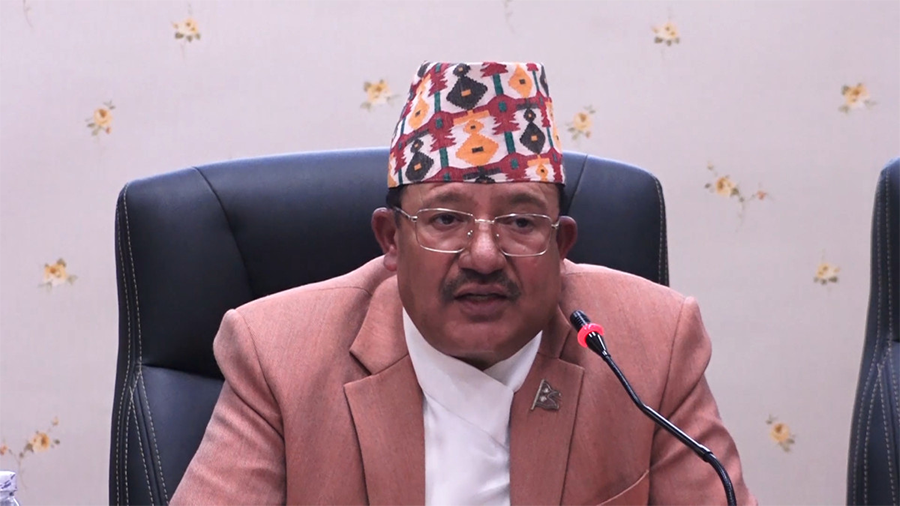
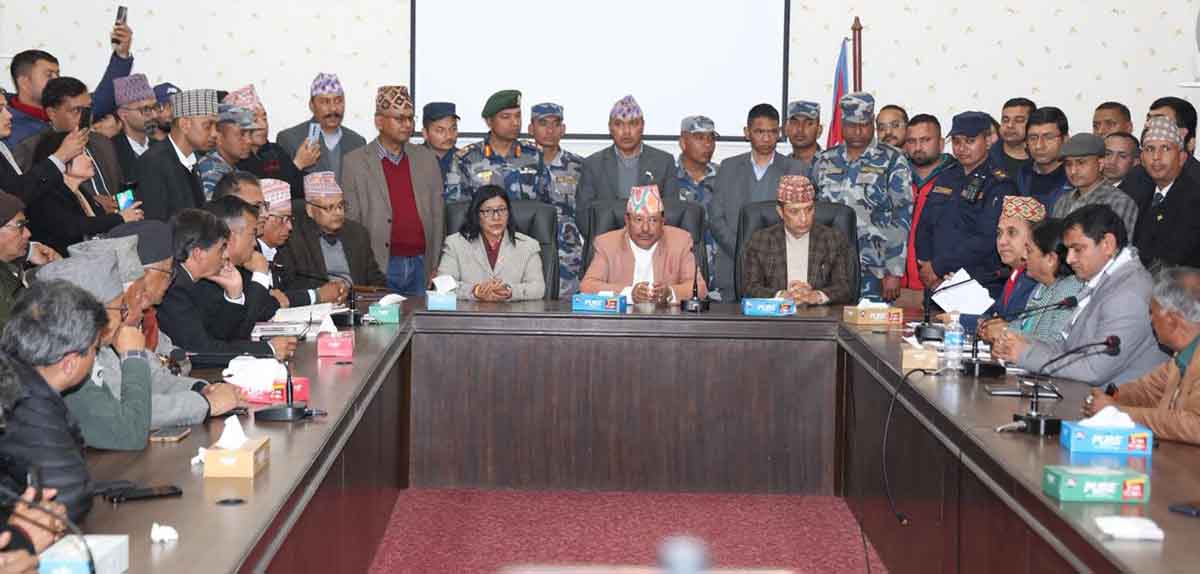
KATHMANDU: Acting Chief Election Commissioner Ram Prasad Bhandari announced that the recently issued Code of Conduct is designed to assist political parties in their electoral endeavors.
During a discussions program held today with various political parties regarding the implementation of the Election Code of Conduct-2082 BS, Bhandari elaborated that the draft was developed months prior to ensure it would support fair competition.
Feedback was solicited from political parties, constitutional bodies, and relevant government offices, and the final version was released after considering this input. He noted that the current code has been updated from the previous version to reflect contemporary needs.
“The provisions within the code are structured to minimize the need for individuals to consult multiple acts. We will seek clarifications from those who breach the code, and if we find the explanations lacking, we will enforce punitive measures. We have also reached out to companies like Meta to help regulate violations of the code that occur on social media platforms. We will take action if we receive reports of any party or candidate distributing money to voters,” he stated.
Addressing the promotion of any party or candidate on social media with slogans such as ‘No, Not, Again’ as a breach of the code, Bhandari warned that those responsible would face penalties.
He also mentioned that some individuals have sent threatening messages regarding consequences if helicopters are not permitted during the election after being removed by the commission, but he assured that commission officials are undeterred by such threats. Election Commissioner Sagun Shamsher JBR added that the bank accounts of candidates and their family members will be closely monitored. He explained that this measure was implemented to ensure transparency and integrity in the electoral process.
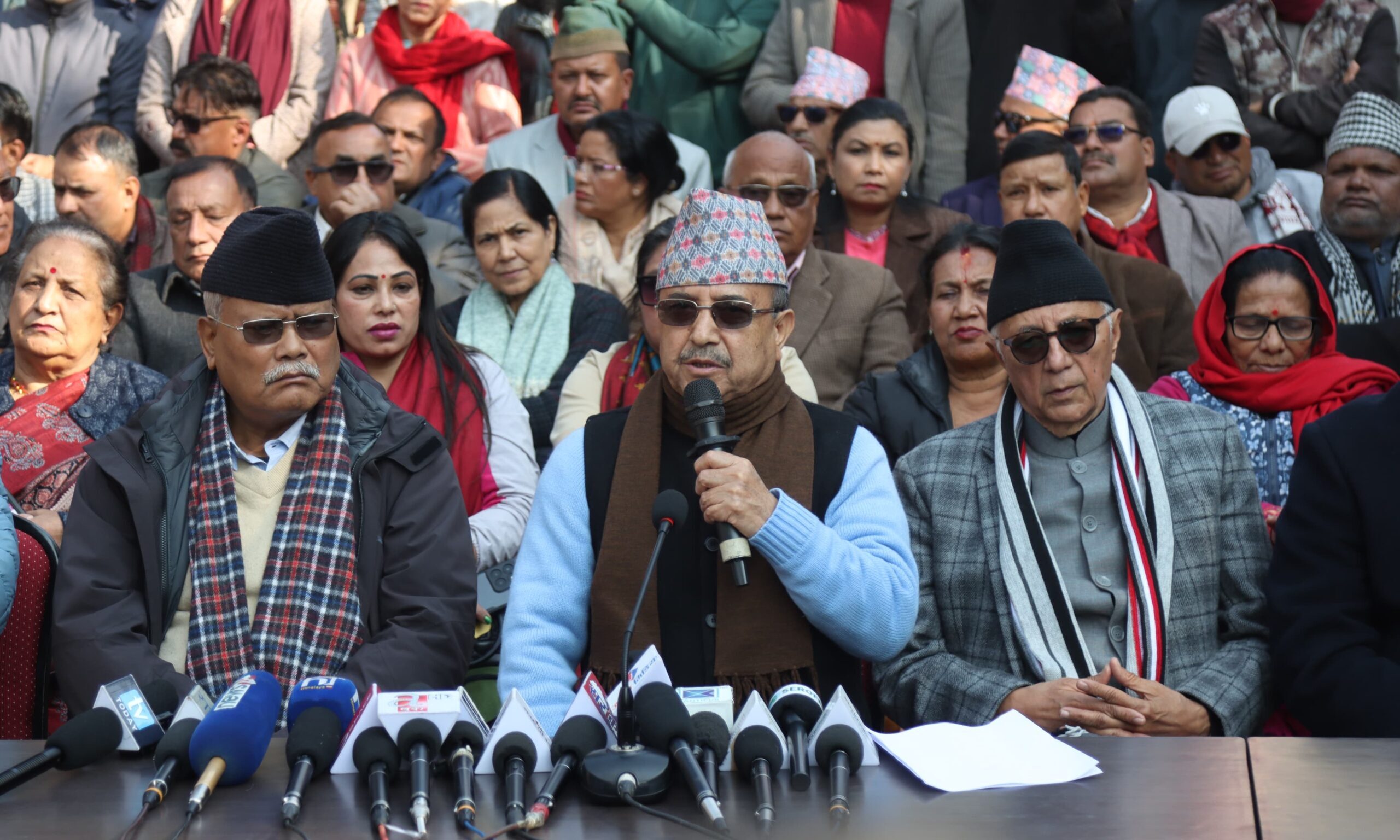
At the programme, Meen Bahadur Bishwakarma, central member of the Nepali Congress and Head of the party’s Information, Communication, and Publicity Department, stated that it would have been effective had such a programme been organized in a way allowing adequate time for the code of conduct to be widely publicised and awareness to spread within the party.
Stating that recently incidents of violating the election code of conduct using information technology have been increasing, he stressed that the Commission needs to pay attention to this.
Leader Bishwakarma suggested that national flags should not be used during the election publicity by the parties as it is a time when political parties compete in elections.
He suggested that since it is impractical to submit the property details of all 110 people when presenting the closed list for election under the proportional representation system, this matter should be reconsidered in the future.
CPN (UML) Secretary Rajan Bhattarai expressed the view that the election code of conduct needs to be implemented to make democracy healthy and institutional. He drew the attention of the Commission’s officials to the fact that, although suggestions were made at that time to correct the impractical aspects of the code of conduct seen in the previous election, they have still not been corrected.
The UML Secretary demanded that the issue of using children in elections should be clarified. He suggested correcting the provision in the code of conduct that does not allow more than 25 people to go when registering nomination papers, as it is not practical. He also stated that the provision prohibiting carrying more than 10 party flags during election campaigning is not appropriate.
Secretary Bhattarai suggested that arrangements be made for ministers or political figures at the government level to conduct election campaigns without using government resources. Emphasizing the need to make the security environment reliable, he stressed that the Commission should create an appropriate mechanism to monitor the code of conduct.
Leader of the Nepali Communist Party, Barsha Man Pun, emphasized that parties and candidates must maintain self-discipline during elections and suggested that while strict provisions should be made in the code of conduct, their implementation should not be lax.
He urged the Commission to create an appropriate mechanism to monitor whether provincial and local governments have implemented the code of conduct or not. Pun asked how the Commission has set up mechanisms to regulate violations of the code of conduct, given that many violations occur digitally through the use of information technology.
Representatives of various political parties suggested to the Commission on the occasion that small parties should not be penalized in the name of strict enforcement of the code of conduct while becoming lax in the case of the big parties. They said that the code of conduct should be applied to the big parties in equal footing and small ones should not be oppressed.