Kathmandu
Monday, July 27, 2026





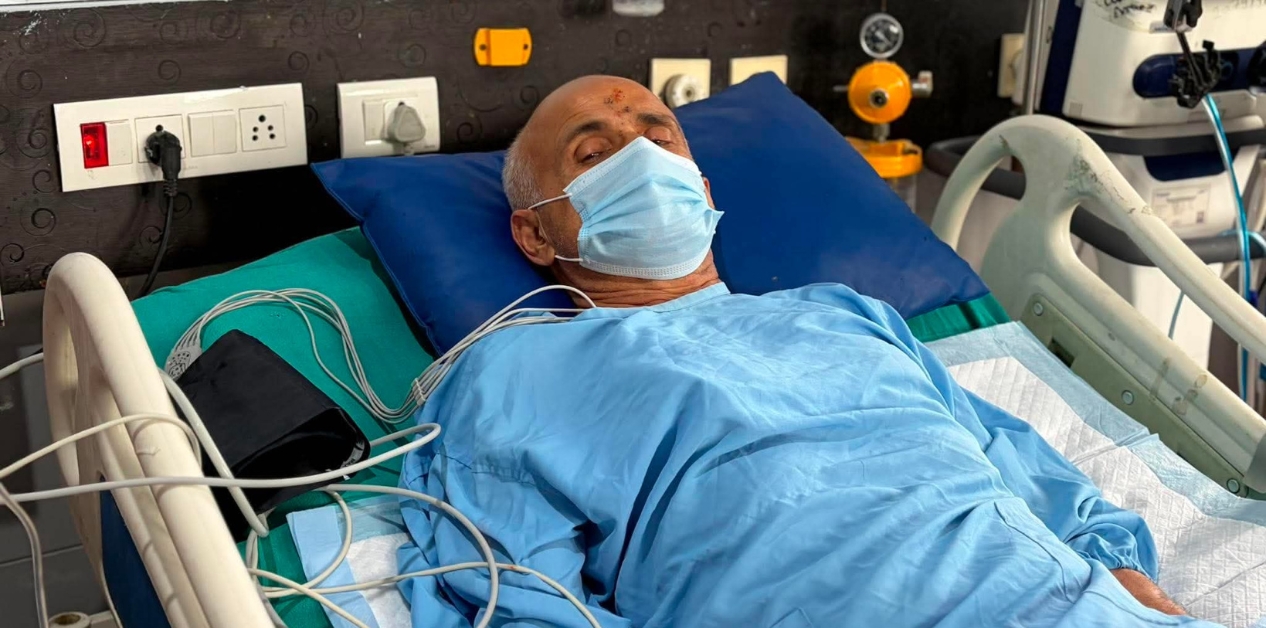
DHANGADHI: Crusading medical activist Dr. Govinda KC officially broke his fast-unto-death in Dhangadhi on Monday after reaching a comprehensive 7-point agreement with the government.
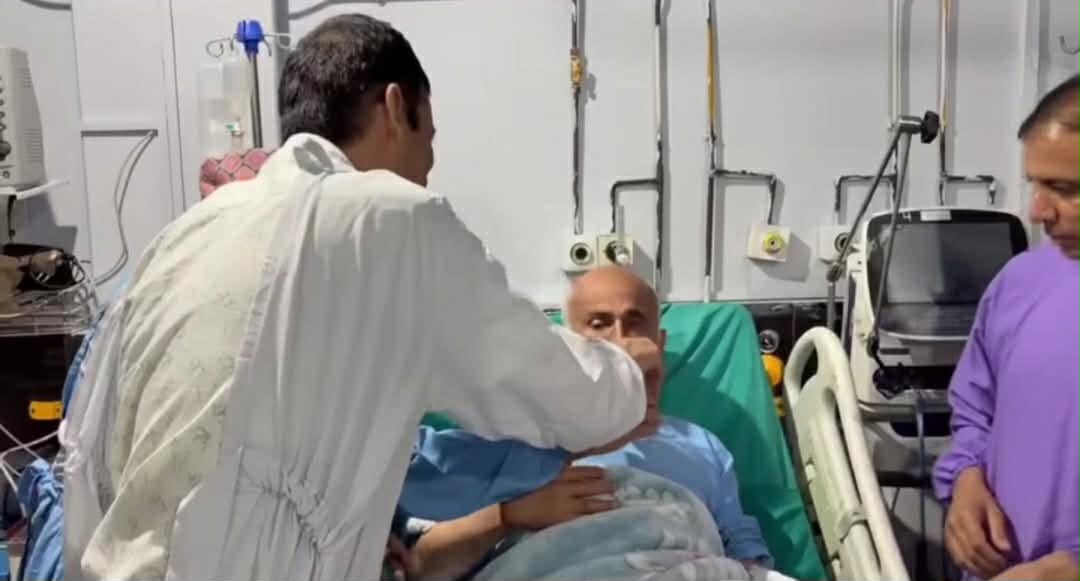
Dr. KC, who had been on a hunger strike since Thursday to demand widespread reforms in Nepal’s medical education sector, ended his protest by sipping juice served by Chakra Bahadur Dhami—a patient attendant from Gaumul Rural Municipality-2—in the presence of Dr. Bikash Devkota, Secretary at the Ministry of Health and Food Hygiene, and Prof. Dr. Jagdish Chandra Agrawal, Health Advisor to the Prime Minister.
The breakthrough agreement focuses heavily on operationalizing the Shahid Dasharath Chand Health Sciences University in Geta, Kailali.
Under the first point, the university will immediately initiate processes to run a teaching hospital with at least 300 beds in line with the National Medical Education Act, supported by coordination from both the Health and Education Ministries to expedite faculty recruitment, equipment procurement, and MBBS program rollouts.
Secondly, the government agreed to present a bill during the ongoing parliamentary session within three months to amend leadership qualification and appointment criteria for the university.
Thirdly, the Medical Education Commission will strictly regulate seat allocations based on statutory criteria; while private institutions will see no seat increases, public medical schools may expand capacity, with existing scholarship frameworks remaining intact.
Addressing long-term structural changes, the fourth point mandates the formation of a high-level task force by the Ministry of Education to submit a report within six months on transitioning all medical institutions across Nepal into non-profit and service-oriented entities.
Fifth, federal and provincial governments pledged to prioritize local infrastructure in healthcare, education, transport, and employment across border regions like Sudurpashchim to eliminate reliance on neighboring countries and protect civic rights.
Sixth, the pact commits to accelerating legal action against those responsible for past acts of violence, arson, and looting, while expediting impartial investigations into high-level political corruption dating back to 1990.
Finally, the seventh point establishes a joint task force to review the implementation status of past agreements within three months, under the direct oversight of a monitoring committee led by the Secretary of the Office of the Prime Minister and Council of Ministers.