Kathmandu
Monday, March 2, 2026





In constituencies of Madhes where Dalit voters are decisive, political parties did not field Dalit candidates
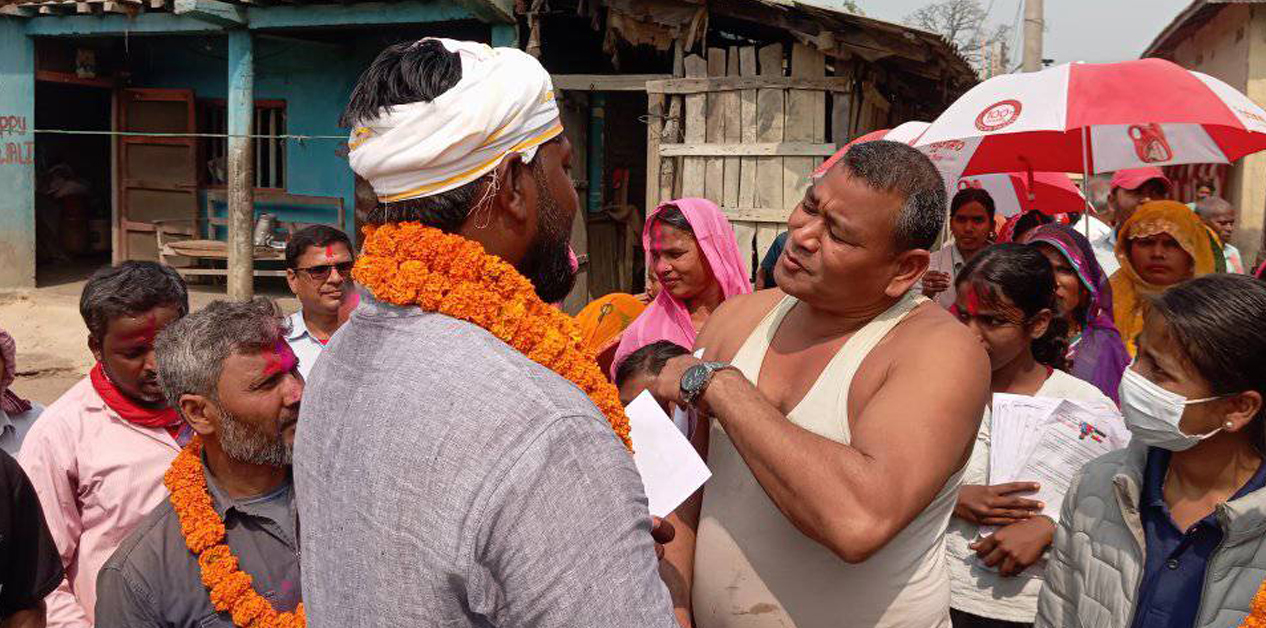
Saptari–3 is the constituency in Madhes Province with the highest population of Tarai Dalits. Out of a total population of 177,606, Dalits make up 25.6 percent. However, in the upcoming House of Representatives election, only 22.73 percent of the candidates in this constituency are Dalits. Candidates from the Madhesi community account for 45.45 percent.
There are 22 direct-election candidates in Saptari–3, including 14 from political parties and eight independents. Among the 22 direct-election candidates, only four are from the Dalit community. Of the political parties, only Bahujan Ekata Party Nepal has fielded a Dalit candidate, Mahadev Ram. The other three Dalit candidates are independent. Other candidates in this constituency include Tarakant Chaudhary from CPN (UML), Dinesh Kumar Yadav from Nepali Congress, Arun Kumar Sah from Nepali Communist Party (NCP), Amarkant Chaudhary from Rastriya Swatantra Party (RSP), Upendra Yadav from Janata Samajbadi Party Nepal (JSP), and Surendra Prasad Yadav from Janamat Party.
Saptari–1 has the second-highest Tarai Dalit population in Madhesh. With a total population of 190,892, Dalits account for 24.9 percent, according to the Constituency-wise Demographic Report 2082 BS published by the National Statistics Office. There are 21 candidates in this constituency (party and independent combined), but only 9.52 percent are from the Dalit community. Madhesis make up 52.3 percent of candidates, Janajatis 19.09 percent, Khas 9.52 percent, and Muslims 9.52 percent. JSP Nepal has fielded Shyamsundar Sardar from the Dalit community, while the other Dalit candidates are independents. Other candidates include Suman Raj Pyakurel from UML, Ramdev Sah Teli from the Nepali Congress, Pushpa Kumari Chaudhary from RSP, and Jayakant Raut from Janamat Party.
In Saptari–4, Dalits constitute 24.8 percent of the total population of 171,930. Among 25 candidates (party and independent), only four percent are Dalits, while 64 percent are Madhesis. Janajati and Muslim candidates each account for four percent. Nepali Janata Dal has fielded Ram Babu Rajak from the Dalit community. Other candidates include Ganga Prasad Chaudhary (UML), Tejulal Chaudhary (Nepali Congress), Rubi Kumari Karn (NCP), Sitaram Sah (RSP), and Rup Kumar Naupane (RPP), among others.
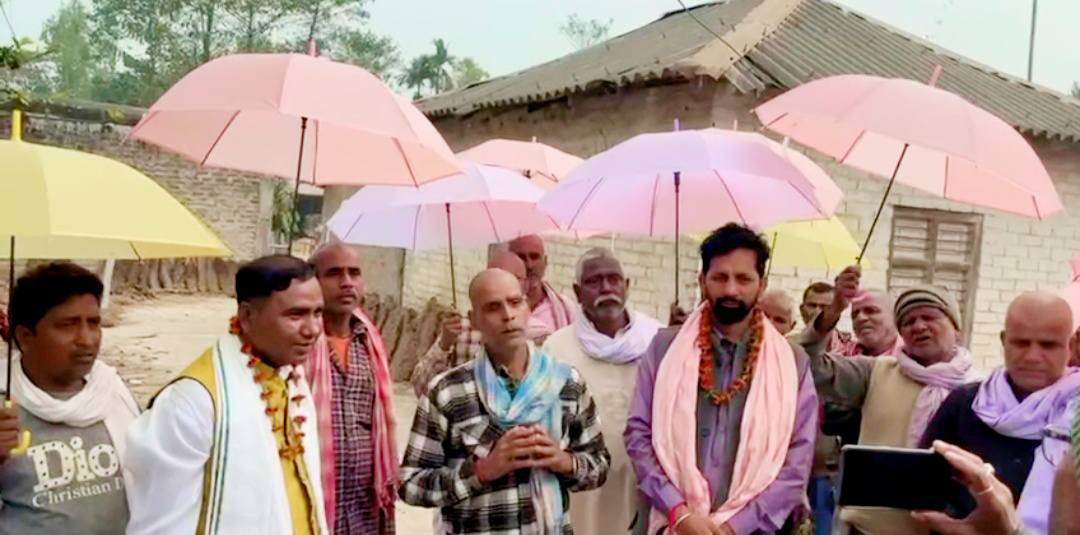
JSP Nepal candidate Shyam Sardar during an election campaign in Saptari-1
In Siraha–1, with a population of 179,016, Dalits make up 23.1 percent. Among 32 candidates, 12.5 percent are Dalits and 87.5 percent are Madhesis. The Nepal Workers and Peasants Party has fielded Siria Paswan from the Dalit community. Other Dalit candidates are independents. Candidates include Ramshankar Yadav (UML), Ramsundar Chaudhary (Nepali Congress), Ramchandra Yadav (NCP), Satyanarayan Yadav (JSP Nepal), and former minister Bablu Gupta (RSP), among others.
Siraha–4 has a population of 104,269, with 22.9 percent Dalits. There are 36 candidates in total. Bishwendra Paswan from the Bahujan Shakti Party is a Dalit candidate. He belongs to the Chamar community within Tarai Dalits and previously served as a Constituent Assembly member and later as a minister after the 2015 Constitution was promulgated. In this constituency, 69.44 percent of candidates are Madhesis and 27.7 percent are Dalits. Dilip Kumar Mahara is a Dalit candidate from Bahujan Ekata Party Nepal; the rest are independents. Four former ministers are competing here: Dharmanath Prasad Sah (UML), Ajay Shankar Nayak (NCP), Raj Kishor Yadav (JSP Nepal), and Birendra Mahato (Janamat). Other candidates include Chandrakala Kumari Yadav (Nepali Congress) and Tapeshwar Yadav (RSP).
In Dhanusha–2, with a population of 214,107, Dalits make up 21.7 percent. Among 34 candidates, 91.1 percent are Madhesis and 8.82 percent are Dalits. Candidates include former minister Umashankar Argaraiya (UML), Dinesh Parsaila (Nepali Congress), Ram Binod Yadav (RSP), Pashupati Yadav (JSP Nepal), and former minister Ramchandra Jha (NCP). All Dalit candidates in this constituency are independents.
Siraha–3 has a population of 192,286, with 21 percent Dalits. Among 41 candidates, 75.61 percent are Madhesis and nine percent are Dalits. The only Dalit candidate from a political party is Shravan Paswan from Ujyalo Nepal Party. Other candidates include former minister Lilanath Shrestha (UML), Subhash Chandra Yadav (Nepali Congress), former minister Bishwanath Sah (NCP), Shambhu Kumar Yadav (RSP), Rohit Mahato (Janamat), and Aseshwar Yadav (JSP).
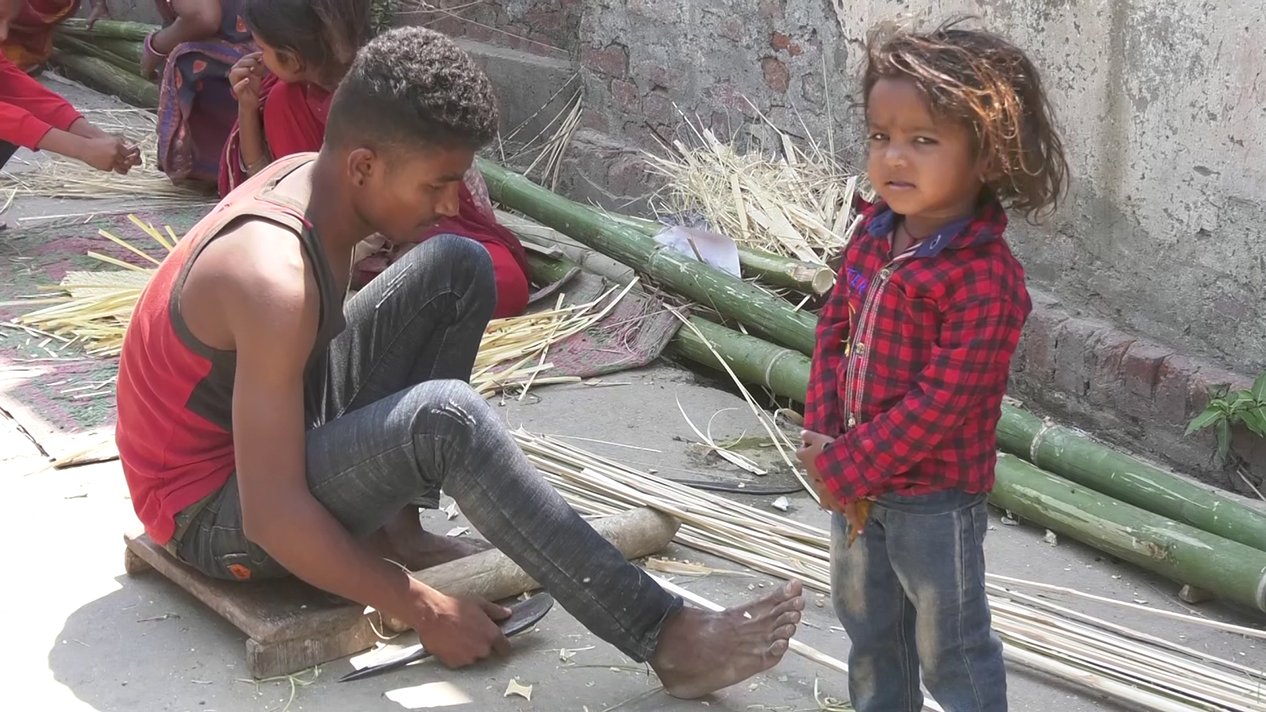
Members of the Dalit community making bamboo products
In Mahottari–2, with a population of 178,919 and 20.4 percent Dalits, there are 37 candidates. No political party has fielded a Dalit candidate; all 16.22 percent Dalit candidates are independents. Madhesis make up 54.05 percent of candidates. Candidates include former minister Sharat Singh Bhandari (JSP Nepal), Kiran Kumari Yadav (Nepali Congress), Kasim Nadaf (UML), Laxman Kumar Yadav (NCP), and Deep Kumar Sah (RSP).
Siraha–2 has a population of 184,582, with 19 percent Dalits. Among 29 candidates, only 6.9 percent are Dalits. The only Dalit party candidate is Rajkumar Paswan from the Nepal Workers and Peasants Party. Other candidates include Nabin Kumar Yadav (UML), Ramchandra Yadav (Nepali Congress), Muktinarayan Singh (NCP), Shiv Shankar Yadav (RSP), and Sanjiv Kumar Yadav (JSP Nepal).
Dalit representation across Madhes Province
Madhesh Province has a total population of 6,126,288, of which 18 percent or 1,058,055 people are Dalits. Although political parties frequently speak about inclusion, they rarely field Dalit candidates in direct elections for the House of Representatives and Provincial Assembly. Major parties are particularly reluctant. Dalits are often confined to quota-based positions.
In the upcoming election, across constituencies in eight districts of Madhes Province, Dalit candidates from political parties remain minimal. Constituencies with zero Dalit candidates include Parsa–3, Parsa–4, Rautahat–2, and Sarlahi–4.
Why are Dalits not fielded as candidates?
In the Tarai–Madhesh region, Dalits are among the most marginalized communities. Socially and culturally discriminated against, they are deprived of state opportunities and are also overlooked by political parties when it comes to candidate selection.
Bishwendra Paswan, a candidate from Bahujan Shakti Party in Siraha–4, says that the mindset of major parties toward Dalits has not changed and Dalits within those parties continue to face structural discrimination. “In parties like the Nepali Congress and UML, higher-caste and economically powerful groups dominate and still prevent Dalits from advancing,” he says. “Dalits are also economically weak and often cannot afford the high cost of elections.”
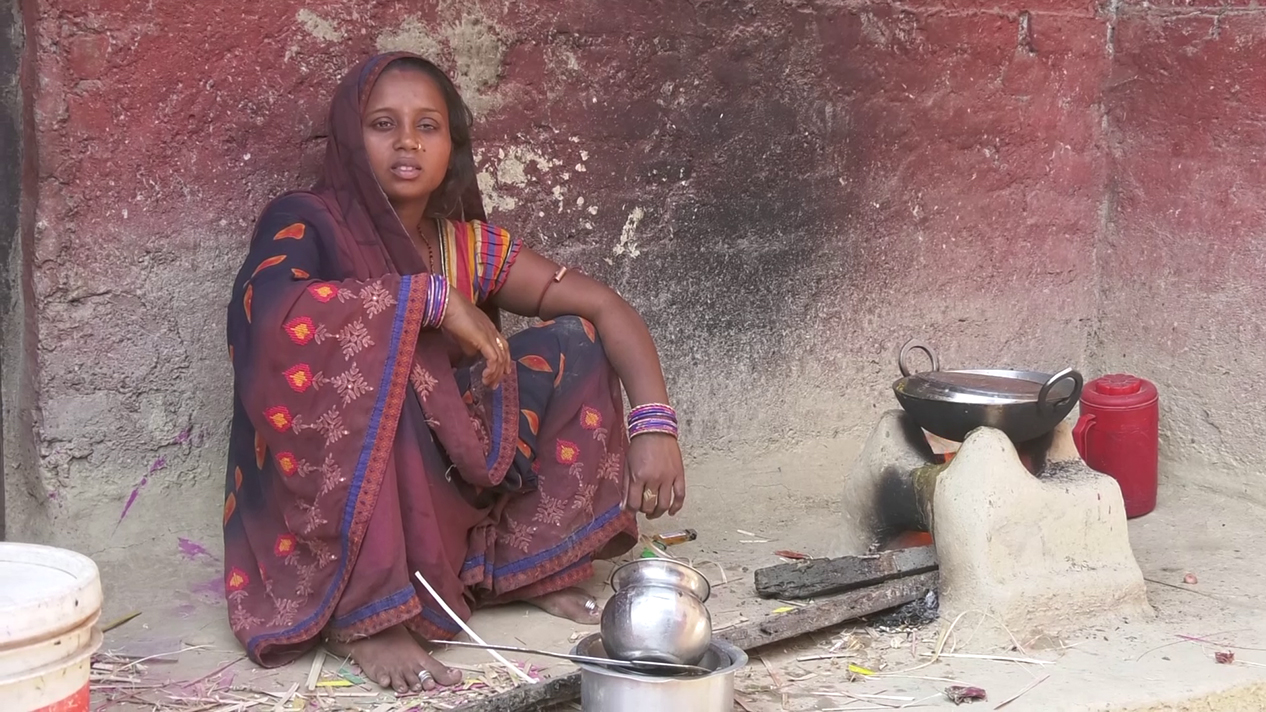
A Dalit woman cooking food
Dalit rights activist Munni Devi Das says that although Dalit rights are discussed in public forums, candidate selection depends on recommendations and factional agreements at the central leadership level, where Dalit voices are absent. “All parties include Dalits in their organizations, but when it comes to giving tickets, arguments like ‘they can’t win directly’ or ‘they lack money’ are prioritized, denying them opportunities,” she says.
Dalit rights activist Rajesh Saxena notes that Dalits in society are fighting collectively for their rights, while those involved in political parties must struggle against discrimination within their own parties. He adds that Dalits lack strong representation in party leadership for effective lobbying, and even those who reach leadership positions often go unheard. “There is still a lack of accountability toward the community, and others exploit this,” he says.
He also adds that the current election system is expensive, and because Dalits are economically weaker, parties hesitate to nominate them as candidates.