Kathmandu
Tuesday, July 14, 2026





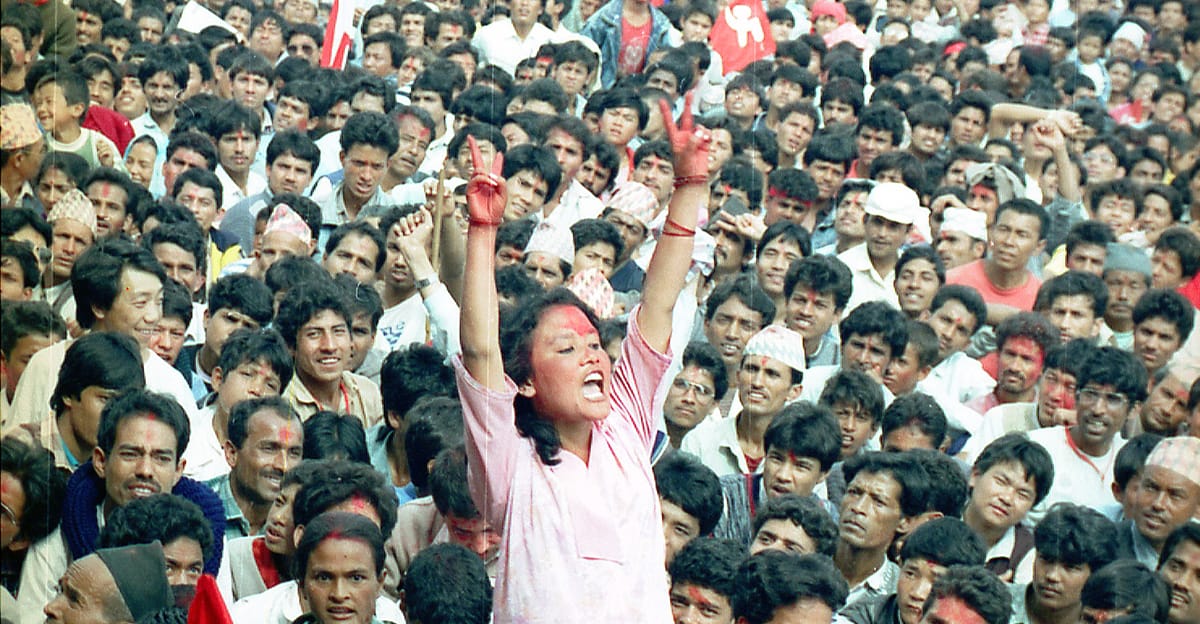
KATHMANDU: In December 1960, King Mahendra overthrew the elected Nepali Congress government of B.P. Koirala, suspended the constitution, banned parties, and imposed the partyless Panchayat system, centralizing absolute monarchical power through a four-tier structure of village, district, zonal, and national councils.
Despite widespread suppression—including targeted killings of Congress and communist cadres (Sukhani, Timburbote, Chhintang), armed revolts, student protests, internal Panchayat factionalism among prime ministers and royal loyalists, B.P. Koirala’s national reconciliation drive after his 1976 return from exile, communist party splits, rigged elections, and economic discontent—the system persisted until the narrowly won (and widely disputed) 1980 referendum.
Escalating 1980s unrest, fueled by India trade disputes and global democratic waves, culminated in the 1990 People’s Movement (Jana Andolan I), which forced King Birendra to restore multiparty democracy.
December 15, 1960: King Mahendra stages coup d’état, dismisses Prime Minister B.P. Koirala’s cabinet, suspends 1959 Constitution and parliament, arrests Congress leaders including B.P. Koirala and Ganesh Man Singh, bans all political parties, declares emergency, and begins direct royal rule.
January 5, 1961: King Mahendra officially proclaims the partyless Panchayat system with four-tier structure (village, town, district, zonal/national); slogan “Ek Bhasha, Ek Bhesh” (One language , one costume) institutionalizes monarchy, Hinduism, and Nepali language as national pillars.
January 22, 1962: Durgananda Jha throws bomb at King Mahendra’s jeep in Janakpur; king escapes unhurt; Jha and associates arrested and later executed or imprisoned.
July 1962: King Mahendra assumes direct chairmanship of Council of Ministers amid ongoing consolidation of Panchayat power.
December 16, 1962: New Constitution of Nepal promulgated, formally establishing partyless Panchayat system with king at apex; Rastriya Panchayat (National Assembly) created but with limited powers; real authority remains with royal secretariat and zone commissioners.
March–April 1963: First indirect elections to Rastriya Panchayat held; parties banned but about one-third of elected members have informal Nepali Congress ties; army and royal officials ensure regime control.
April 2, 1963: End of direct royal rule; Tulsi Giri appointed first Panchayat-era Prime Minister (Chairman of Council of Ministers).
December 23, 1963: Surya Bahadur Thapa replaces Tulsi Giri as Prime Minister amid early factional shifts within Panchayat loyalists.
February 26, 1964: Tulsi Giri reappointed Prime Minister in first major internal Panchayat power shuffle.
1964: Land reform program launched under Panchayat; large estates targeted in western Nepal but largely fails due to elite resistance and poor implementation.
January 26, 1965: Surya Bahadur Thapa reappointed Prime Minister, consolidating influence in royal court.
August 10, 1966: Surya Bahadur Thapa continues as Prime Minister in ongoing factional maneuvering.
January 27, 1967: First Amendment to 1962 Panchayat Constitution; partylessness emphasized as core feature; king gains power to appoint key administrators.
May 29, 1967: Surya Bahadur Thapa reappointed again amid internal Panchayat rivalries.
September 25, 1968: Surya Bahadur Thapa once more appointed Prime Minister.
April 9, 1969: Kirti Nidhi Bista appointed Prime Minister, marking shift from Thapa faction.
April 13, 1970: King Mahendra assumes direct rule again after Bista’s resignation.
April 14, 1971: Kirti Nidhi Bista reappointed Prime Minister.
April 14, 1971: Kirti Nidhi Bista serves as Prime Minister during heightened communist unrest.
1971–1973: Jhapa Rebellion erupts among radical young communists (inspired from Indian Naxalites); targeted assassinations of landlords and Panchayat officials begin, including killings of at least eight class enemies.
1972: Communist Party of Nepal fragments further into pro-Moscow and pro-Beijing factions amid underground resistance.
January 31, 1972: King Mahendra dies; Crown Prince Birendra Bir Bikram Shah Dev ascends throne at age 27.
March 4, 1973: Sukhani Massacre—five arrested communist cadres (Ramnath Dahal, Narayan Shrestha, Krishna Kuinkel, Netra Prasad Ghimire, Biren Rajbansi) shot dead in Sukhani forest (Ilam/Jhapa border) by Panchayat forces while being “transferred.”
1974–1975: Timburbote Massacre (Timburbote/Aarubote Incident)—Nepali Congress revolutionaries (including Capt. Yagya Bahadur Thapa’s group) ambushed in Timburbote cave (Okhaldhunga/Solukhumbu); 13–16 killed or executed extrajudicially while planning anti-Panchayat action.
December 12, 1975: Second Amendment to Panchayat Constitution; establishes five development regions; expands Rastriya Panchayat; institutionalizes “Back to the Village National Campaign” as political control tool.
December 30, 1976: B.P. Koirala returns from 8-year exile in India with Ganesh Man Singh and others under national reconciliation policy; proposes dialogue to end monarchy-opposition confrontation and protect sovereignty.
December 26, 1978: CPN (Marxist–Leninist) formally established, including future leaders Madan Bhandari, K.P. Sharma Oli, and Madhav Kumar Nepal.
April 6, 1979: Students in Kathmandu organize procession to Pakistani embassy protesting execution of Zulfikar Ali Bhutto (hanged April 4 in Pakistan); government bans rally, police clash with demonstrators—sparking nationwide 1979 student protests against Panchayat repression.
April–May 1979: Nationwide student-led protests erupt in Kathmandu and urban centers against Panchayat repression; demands for democracy intensify.
May 23, 1979: Hundreds of students riot in Kathmandu, set fire to government-owned newspaper office, gas station, and vehicles; police fire tear gas as unrest escalates from Bhutto protest ban.
May 24, 1979: King Birendra announces national referendum to choose between reformed Panchayat and multiparty democracy amid student unrest.
November 13, 1979: Chhintang Massacre—16 civilians killed by Panchayat forces in Chhintang (Dhankuta) for demanding democracy.
May 2, 1980: Referendum held; Panchayat system wins narrowly (54.79% vs. 45.21% for multiparty); results widely alleged rigged with ballot tampering claims.
May 21, 1980: King Birendra appoints 11-member Constitution Reforms Commission.
December 15, 1980: Third Amendment to Panchayat Constitution; introduces direct elections to Rastriya Panchayat; Prime Minister made responsible to legislature.
May 9, 1981: First direct general election to Rastriya Panchayat under universal franchise (parties still banned); Nepali Congress and most leftists boycott; pro-Panchayat candidates dominate.
July 21, 1982: B.P. Koirala dies; funeral attended by estimated 50,000 mourners, symbolizing widespread anti-Panchayat sentiment.
1983: CPN–Fourth Congress splits into CPN–Fourth Congress and CPN–Mashal factions amid ongoing communist infighting.
1985: CPN–Mashal further splits into CPN–Mashal and CPN–Masal.
June 20, 1985: Series of bombings in Kathmandu, Jhapa, Pokhara, Biratnagar, Janakpur, Birgunj, and other cities claimed by Janabadi Morcha (Ramraja Prasad Singh group) demanding end to monarchy.
May 12, 1986: Second direct general election to Rastriya Panchayat; more outlawed party sympathizers elected informally despite ban.
1987: CPN (Marxist) formed through merger of CPN (Manmohan) and CPN (Pushpa Lal).
April 1987–March 1989: Nepal imposes work permits on Indian workers and purchases Chinese arms, escalating trade/transit tensions with India.
August 1988: Major earthquake relief scandal erupts; government accused of misappropriating funds; separate stadium stampede deaths lead only to cabinet reshuffle.
March 23, 1989: Trade and transit treaties with India expire without renewal, triggering economic blockade and further anti-Panchayat discontent.
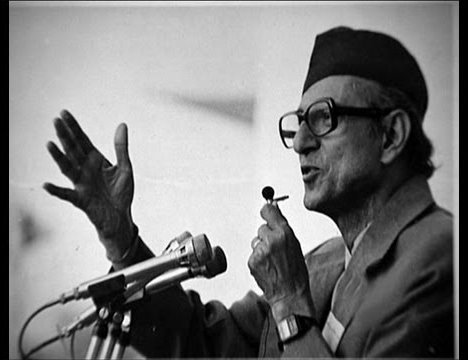
BP Koirala, Nepal’s first democratically elected Prime Minister. File Photo
December 1989: Nepali Congress and United Left Front launch joint “people’s awareness programme” demanding multiparty system; observe anniversary of B.P. Koirala’s imprisonment.
January 18–19, 1990: Nepali Congress conference held with international observers; momentum builds for mass movement.
February 17, 1990: Government arrests national and district-level leaders of Nepali Congress and United Left Front; bans all opposition newspapers ahead of planned protests.
February 18, 1990: People’s Movement I (Jana Andolan I) officially launches; Nepali Congress and United Left Front coalition begins nationwide strikes and demonstrations to end Panchayat and restore multiparty democracy.
February 19, 1990: Successful general strike closes shops and blocks traffic across urban areas as Jana Andolan gains momentum.
Late February 1990: Police fire on demonstration in Bhaktapur, killing 12 protesters amid escalating Jana Andolan clashes.
April 6, 1990: Prime Minister Marich Man Singh Shrestha dismissed amid escalating protests; Lokendra Bahadur Chand appointed.
April 7, 1990: Nepal Army and police open fire on procession of 200,000 pro-democracy demonstrators marching toward royal palace; at least 9–44 killed (reports vary); virtual 24-hour curfew imposed in Kathmandu and neighboring towns.
April 8, 1990: King Birendra lifts ban on political parties and dismantles Panchayat institutions. Democracy restored by royal decree.
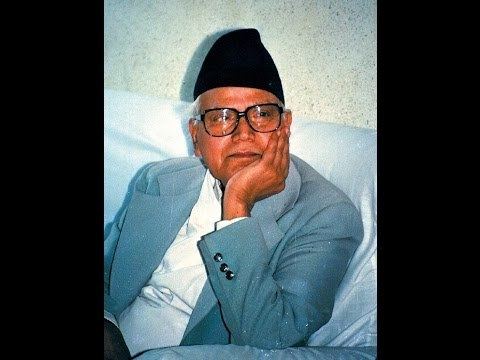
Krishna Prasad Bhattarai was appointed as the interim Prime Minister of Nepal on April 19, 1990.
April 19, 1990: Nepali Congress leader Krishna Prasad Bhattarai appointed as interim PM.
Krishna Prasad Bhattarai was appointed as the interim Prime Minister of Nepal on April 19, 1990.
September 10, 1990: Independent Constitution Recommendation Commission presents draft to King Birendra.
November 9, 1990: Interim cabinet under Krishna Prasad Bhattarai approves draft; King Birendra promulgates new constitution establishing constitutional monarchy and multiparty democracy.