Kathmandu
Thursday, February 19, 2026





Following in the footsteps of federal parliament, Madhesh Province implements direct salary deductions in party support
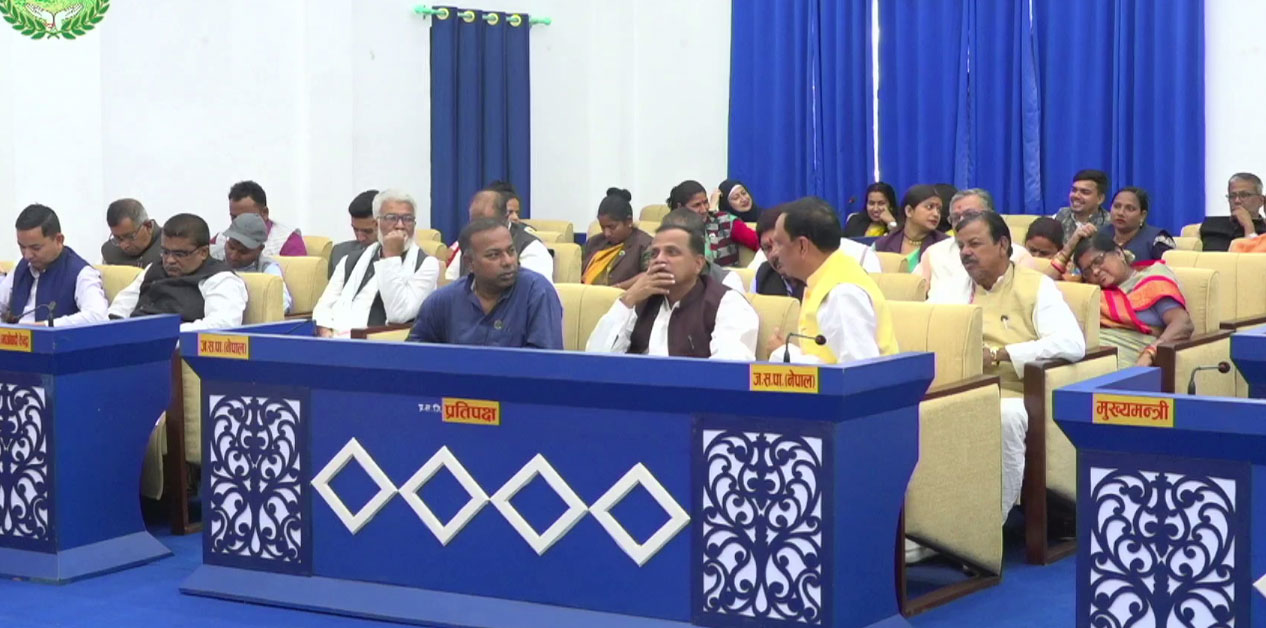
JANAKPUR: Mirroring the practice of the Federal Parliament, party levies collected from members of the Madhesh Province Assembly are deposited directly into the bank accounts of their respective political parties.
Although there is no mention in the law that parties can collect levies from their members, the money is collected by placing such provisions in the statutes of the party’s parliamentary group. Similarly, there is no legal provision to send levies directly from governing bodies to party accounts.
However, mimicking the practice of the Federal Parliament, the Madhesh Province Assembly has been sending the lawmakers’ levies in a lump sum to the parties’ accounts on a monthly basis. All except two members of the Province Assembly pay the levy.
Homnath Pahadi, the Information Officer of the Madhesh Province Assembly, says that just like in the Federal Parliament, based on the decision of the parliamentary party, the levy is deducted from the lawmakers’ remuneration and sent to the party’s account. The Province Assembly sends around Rs 976,045 to the parties’ accounts every month as a levy.
In the 107-member Madhesh Province Assembly, the CPN (UML) is the largest party with 23 lawmakers. CPN (UML) Province Assembly members pay Rs 10,000 monthly as a levy. Members of the second-largest party, the Nepali Congress, pay 20 percent of their remuneration, or Rs 12,604, to the party monthly.
According to Kunwar Kant Jha, the Chief Whip of the Nepali Congress Madhesh Province Assembly parliamentary party, a 20 percent levy is provisioned in the parliamentary party’s statute itself.
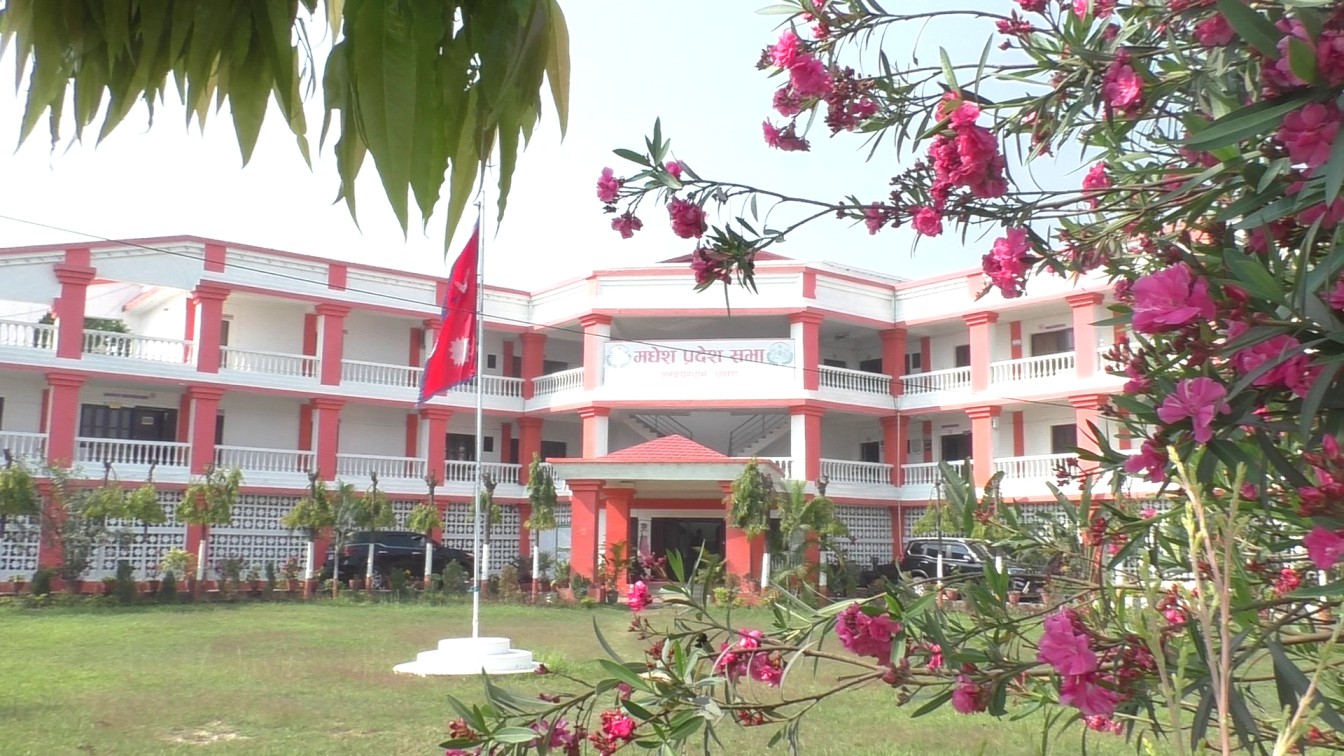
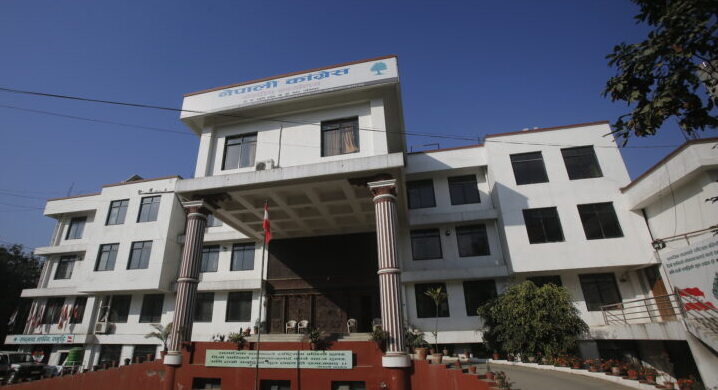
Provincial Assembly Building of Madhesh
Party parliamentary leaders and chief whips pay slightly more than lawmakers, as they receive additional perks. Nepali Congress Chief Whip Jha pays Rs 13,506 monthly, and parliamentary party leader Krishna Prasad Yadav pays Rs 13,805.
Since Yadav is the Chief Minister, his levy is sent from the Office of the Chief Minister and Council of Ministers. Nepali Congress Whip Jibachhi Devi Yadav sends Rs 12,696.
Janata Samajbadi Party Nepal Province Assembly members pay 15 percent, or Rs 9,453. The CPN (Maoist Center) takes Rs 6,500 from its lawmakers.
Similarly, the CPN (Unified Socialist) party takes a levy of Rs 10,000, as mentioned in the Province Assembly records. On November 5, 2025, the CPN (Maoist Center), CPN (Unified Socialist), and other leftists merged to form the Nepali Communist Party.
Although merged at the center, the CPN (Maoist Center) and CPN (Unified Socialist) parliamentary groups remain separate in all province assemblies, including Madhesh, because the letter of unity has not been submitted to the province yet.
Among the members of the Madhesh Province Assembly, lawmakers of the Janamat Party pay the highest levy. Janamat lawmakers contribute Rs 18,000 monthly.
Likewise, the Loktantrik Samajbadi Party and the Rastriya Prajatantra Party (RPP) collect Rs 10,000 each from their lawmakers. Kanchan Bichha is the lone lawmaker from the RPP in the Madhesh Province Assembly. Federal Samajbadi Party Province Assembly member Bimala Ansari Tarannum and Nagarik Unmukti Party’s Urmila Singh do not pay levies to their parties. Rizwan Ansari, the chairman of the Federal Samajbadi Party, is Bimala’s husband.
The monthly remuneration and perks of Madhesh Province Assembly members total Rs 82,020. This includes Rs 63,020 for remuneration, Rs 15,000 for housing expenses, Rs 2,000 for private secretariats, Rs 2,000 for electricity and water, and Rs 3,000 for communication allowances.
Janata Samajbadi Party Nepal Province Assembly members pay 15 percent, or Rs 9,453. The CPN (Maoist Center) takes Rs 6,500 from its lawmakers.
Similarly, there is a provision for the parliamentary party leader to receive a vehicle, some staff, and additional remuneration perks. Information Officer Pahadi states that chief whips and committee chairpersons receive more perks, including vehicles and fuel. From these privileges and services, the Provincial Assembly deducts the levy and deposits the lump sum amount into the respective party’s account.
Province Assembly Spokesperson Bipin Thakur says the levy is sent directly to the party accounts because the Province Assembly members requested it in writing.
“If a Province Assembly member becomes a minister, they receive benefits from the ministry, and after leaving the ministry, they receive them from the Province Assembly. Therefore, the calculation of how much money is sent monthly as a levy may vary,” said Thakur.
Where is the levy spent on?
Parties collect levies from their people’s representatives. Party leaders say the money collected is used for party work.
According to Chandeshwar Mandal, the Chairman of the CPN (UML) in Madhesh Province, the funds collected from these levies are distributed across various party committees based on set percentages to finance essential party operations.
“The collected money is spent on party meetings, public rallies, and organizational gatherings, among other things completely related to party work,” Mandal further added.
Bharat Sah, the leader of the CPN (Maoist Center) parliamentary party, also says the money from the levy is spent on the party’s positive and upliftment activities.
“The money is spent on managing minor to major necessities of party works, providing necessary financial support to party colleagues, among other very important things,” said Sah.
According to Janata Samajbadi Party (JSP)-Nepal Spokesperson and Province Assembly member Manish Suman, the levy money goes to the account of the province committee and is spent on various party works that are essential to run the party as well.
“Instead of seeking outside donations to cover operational costs, the party follows a standard practice of collecting levies from its elected representatives; this ensures that those who won their seats under the party banner remain personally responsible for contributing to and sustaining the party’s financial health,” said Suman.