Kathmandu
Sunday, March 1, 2026





Despite three extensions, the Karki-led commission has yet to submit its report on the September 8–9 Gen Z protests, and with elections only a few days away and ethical concerns flagged by the Supreme Court, critics fear the delay may be shielding those implicated
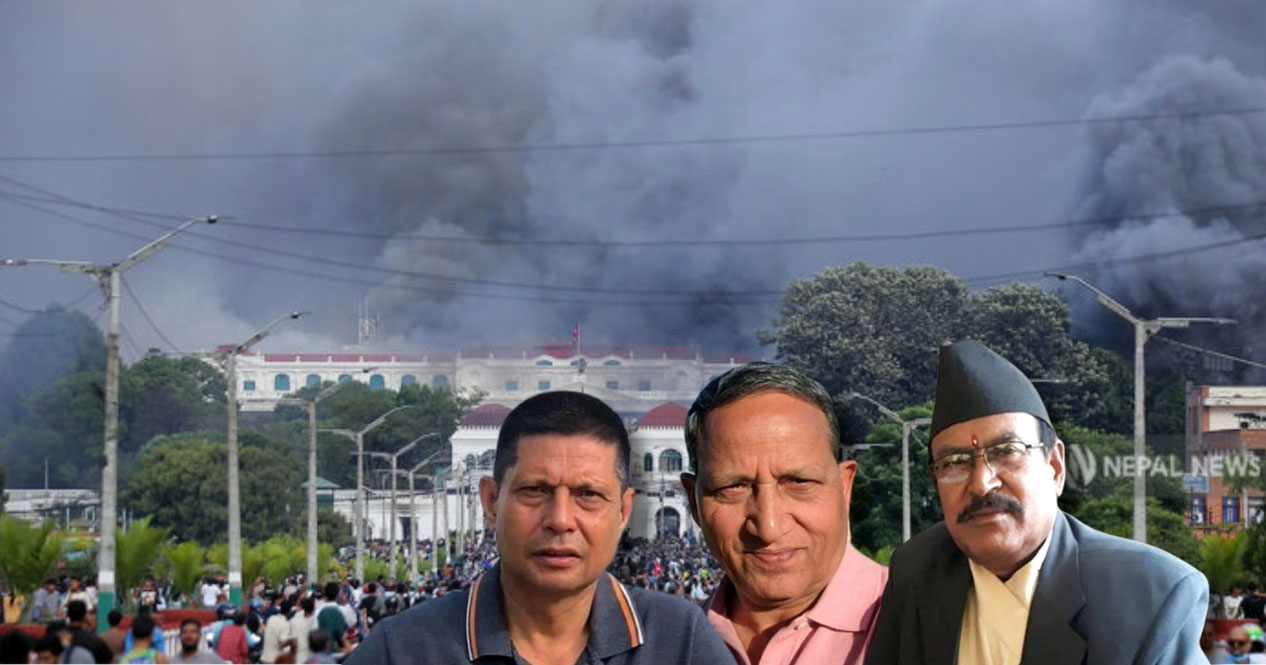
KATHMANDU: The commission formed to conduct a judicial investigation into the human and material damages caused during the Gen -Z protests of September 8 and 9 last year has still not been able to submit its report even after 161 days. The probe commission, whose credibility has been questioned since its formation, has been publicly criticized for failing to deliver the report before the House of Representatives elections scheduled for March 5.
The commission, formed on 21 September 2025 under the chairmanship of former judge Gauri Bahadur Karki, was initially given a three-month mandate. After the commission failed to complete its work, the government has already extended its deadline three times. The first extension, granted on 23 December 2025, added one month to the commission’s term while the second extension on 22 January 2026 added 20 days. When the commission still could not submit its report within that period, the Cabinet meeting held on 9 February 2026 granted a third extension of 25 days.
As the commission still shows no sign of submitting its report within the extended timeframe, and amid suspicions that it is again attempting to foster impunity as in the past, questions continue to be raised about the commission. In particular, there are allegations that, under the pretext of preventing disruption to the elections, the government itself does not want the commission’s report to be released before the polls, in order to protect those involved in the Gen Z protest incidents.
The commission chaired by former judge Karki had been controversial from the time of its formation, as questions were raised about its impartiality. Because Karki had already expressed his views about the Gen Z movement on social media, not only was distrust voiced toward the commission under his leadership, but a writ petition was also filed in the Supreme Court.
Questioning the credibility of the commission’s Chair Karki and Member Bigyan Raj Sharma, one Bipin Dhakal had filed a writ petition. The Supreme Court delivered its verdict on the petition on 26 December 2025 and dismissed it. In the full text of the decision made public on February 27, the Supreme Court raised ethical questions regarding Chair Karki. The apex court interpreted that whether a person who has already expressed their views on the incident should accept appointment as chair of an inquiry commission is a matter that falls within that individual’s own moral values and conscience.
The Supreme Court stated in its verdict: “A person holding a public responsibility such as the chair of an inquiry commission, having already formed and publicly expressed an opinion on the same subject, should themselves determine whether it is appropriate to accept responsibility for investigating that matter.” A full bench of Justices Manoj Kumar Sharma, Nahakul Subedi, and Shrikant Paudel issued a directive order that, in future, officials appointed to commissions investigating matters of public importance must be chosen in a manner that does not raise questions about impartiality or neutrality and that can maintain public trust and institutional credibility in the commission’s work.
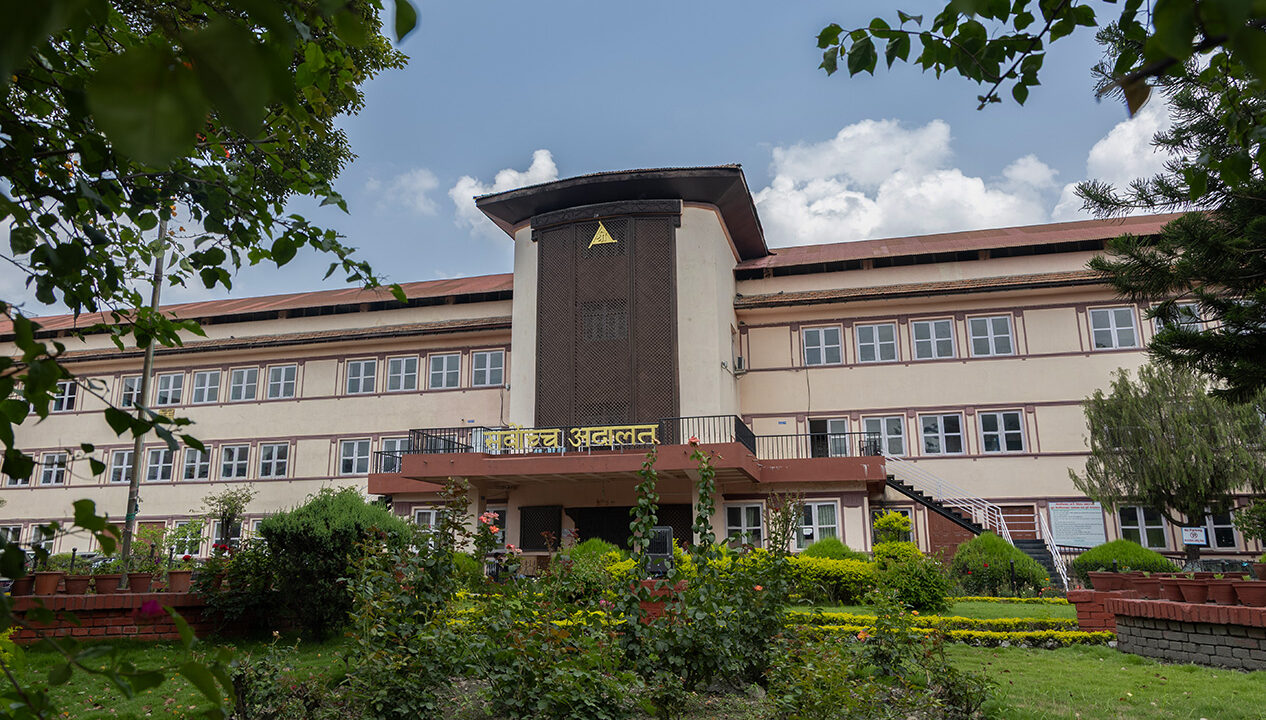
Supreme Court. Photo: Bikram Rai
Even before becoming chair of the commission, Karki had written on social media about the events of September 8 and 9: “…KP Oli, Sher Bahadur Deuba, Pushpa Kamal Dahal, and other former ministers, lawmakers, and officials should not be allowed to leave the country. The airport should be shut down. Private helicopters should not be allowed to operate.” He had also publicly expressed the view that specific leaders should be detained and investigated.
The Supreme Court noted in its decision that although Karki’s statements raised questions about the commission’s impartiality and neutrality, they alone could not be considered proof of actual bias, conflict of interest, or direct impact on performance. However, the court stated that since ethical concerns arose upon his appointment as chair, whether impartial performance could be ensured was also something the individual concerned must consider. “Karki’s becoming chair appears ethically questionable, and the individual must themselves determine whether even work done impartially by them might not appear impartial,” the court said. The court also warned that publicly expressing conclusive opinions on a subject before a decision or investigation begins can weaken confidence that the process will later be conducted with an open mind.
Meanwhile, commission chair Karki has claimed that after the massacre in the Gen Z movement and as leaders began to flee, he had the right to express his views on social media as a conscious and responsible citizen. In his written response to the court, he stated: “The opinions and statements made before my appointment to the commission were in the capacity of a conscious citizen, so those statements cannot be linked to the commission’s actions.”
In his written response, commission member Sharma also stated that he was serving in the role of spokesperson and that his actions were not of a nature that would obstruct the commission’s work, neutrality, or credibility.
The government, however, submitted a written response to the Supreme Court stating that the formation of the commission falls within its jurisdiction and that Karki’s social media statements were made before his appointment; therefore, raising questions about the commission’s impartiality on that basis was incorrect.
Amid continuing public doubts about the commission’s work, spokesperson Sharma says the work is ongoing and that the report will be submitted within the stipulated time. He said, “It will be completed soon within the given timeframe. We are working.” However, he did not specify the exact deadline. After a third extension of 25 days on 9 February 2026, the commission’s term now runs until March 9.
Scope of the commission’s report
The inquiry commission is preparing a report detailing what events occurred during the Gen Z demonstrations on September 8 and 9 last year and who bears responsibility for them. The inquiry commission is not a body that delivers judicial verdicts; it is only a body that collects facts and submits a report to the government.
In his written response, commission member Sharma also stated that he was serving in the role of spokesperson and that his actions were not of a nature that would obstruct the commission’s work, neutrality, or credibility.
The very nature of an inquiry commission is to make recommendations or suggestions. It does not determine guilt or deliver verdicts. The government is not legally bound to follow or implement the report submitted by such a commission. “However, a commission is formed to investigate and identify the truth in relation to a particular incident, situation, or context, and its report can be taken as evidence under Section 20 of the Evidence Act 2031 BS,” the Supreme Court has previously interpreted.
In the writ petition titled Kamalesh Dwivedi vs. Office of the Prime Minister and Council of Ministers, the Supreme Court stated that “the role of a commission cannot be like that of an investigating officer or a prosecutor.”
Gen Z’s warning
Gen Z representatives have been demanding that the inquiry commission make its report public before the March 5 elections. They had formally submitted a memorandum to Prime Minister Sushila Karki demanding that the commission’s report be released before the polls. Gen-Z representatives submitted the memorandum to Prime Minister Karki on February 27.
Gen Z representatives have also demanded that if the Karki inquiry commission’s report cannot be made public before the elections, it should be released immediately after the elections are completed. “Is there an attempt to shelve this report in a drawer like many past commission reports and continue the chain of impunity?” the Gen Z representatives questioned.