Kathmandu
Saturday, January 17, 2026





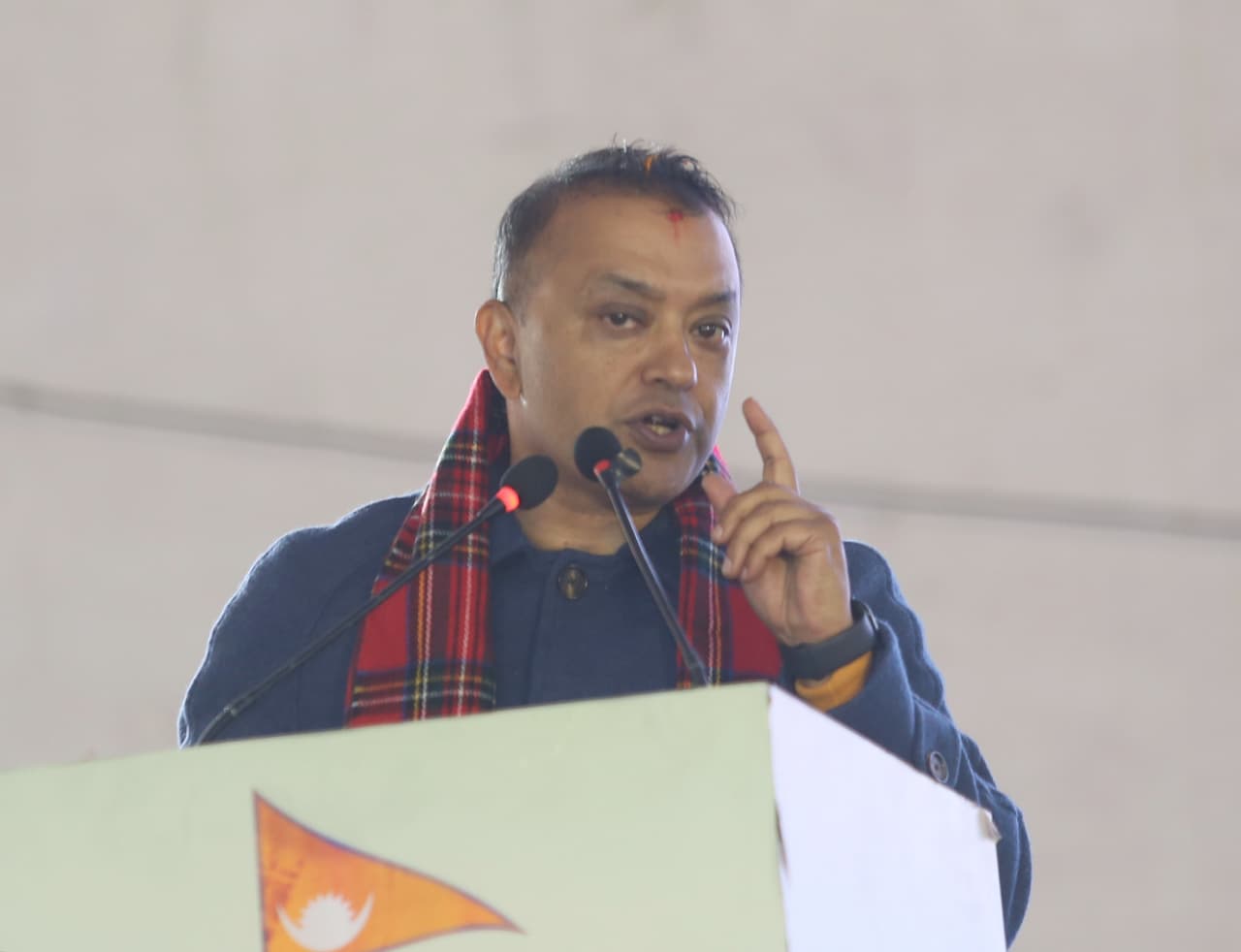
KATHMANDU: One day after Nepal’s Election Commission formally recognized the Nepali Congress elected under the leadership of Gagan Thapa at a special general convention, the country’s oldest democratic party appeared publicly fractured, with its senior leaders splitting into three parallel camps on Saturday.
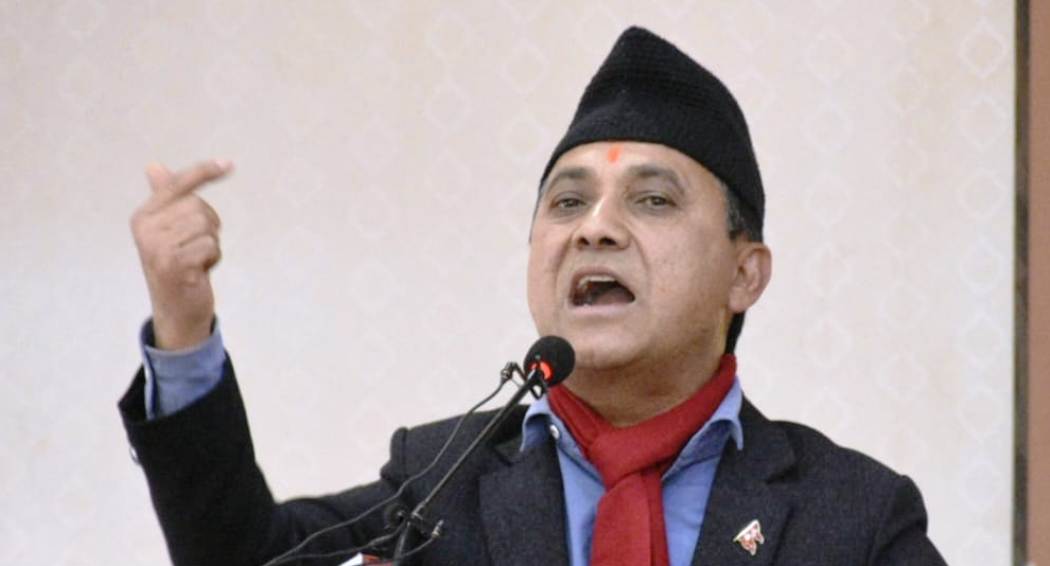
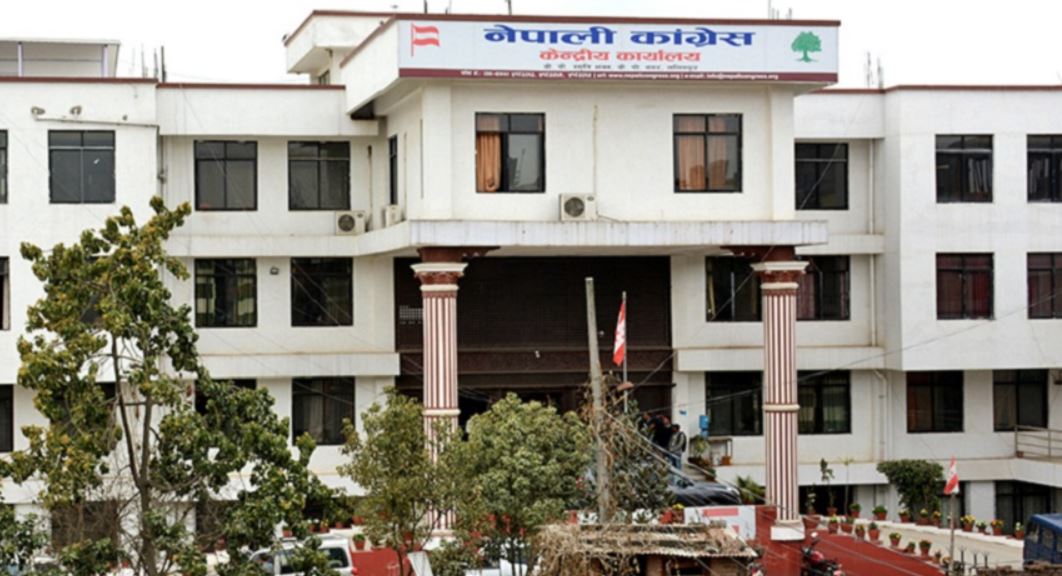
As the officially recognized Thapa-led Congress prepared for a Central Working Committee meeting, the rival faction led by former prime minister Sher Bahadur Deuba convened a separate gathering at the party’s central office in Sanepa, Lalitpur. Leaders loyal to Deuba were seen assembling there early Saturday, signaling open defiance of the commission’s decision.
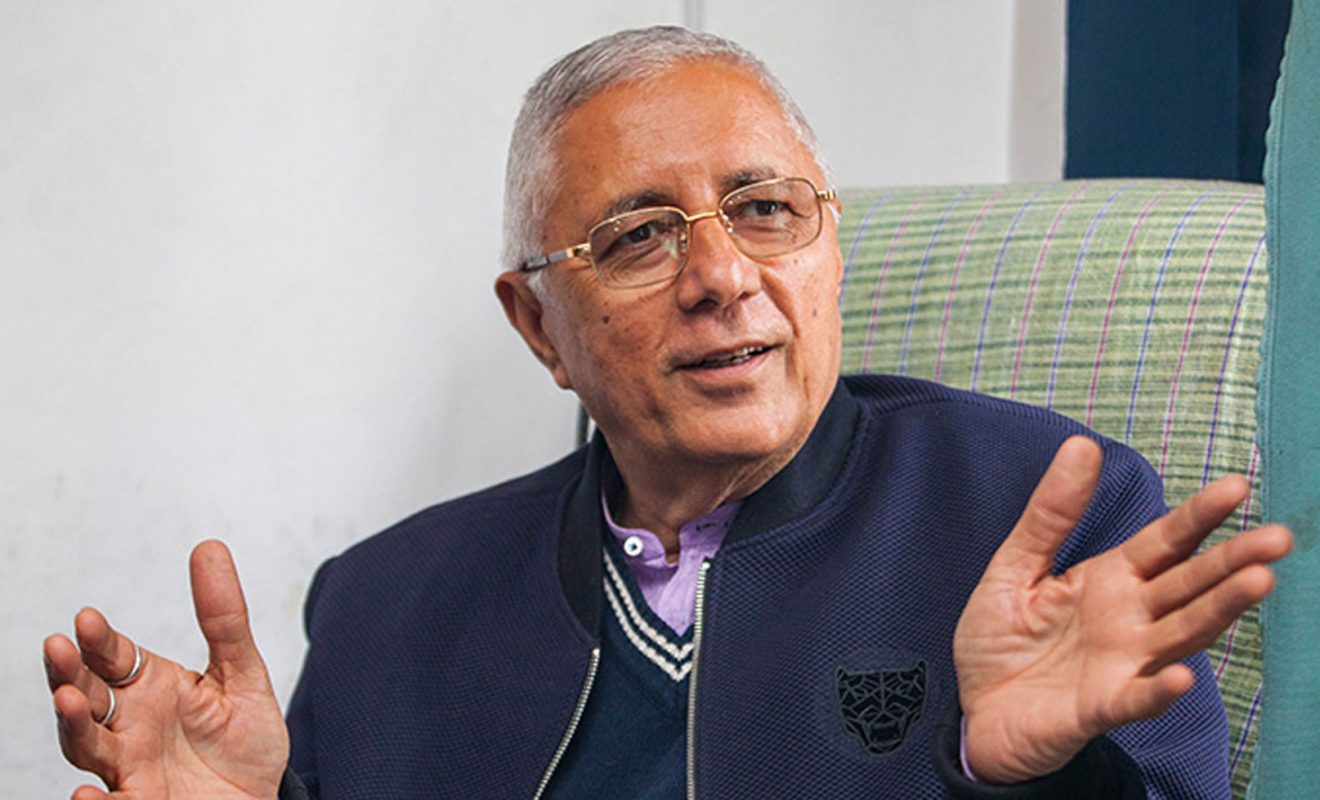
At the same time, a third group aligned with leader Shekhar Koirala — a faction that has largely backed Deuba in recent disputes — was engaged in its own internal discussions at an undisclosed location. Bal Bahadur KC, a leader from the Koirala camp, confirmed that talks were underway but declined to reveal further details.
The visible split underscores the deepening crisis within the Nepali Congress following the Election Commission’s decision on Friday to grant official party status to the organization elected under Thapa’s leadership at the special convention.
According to party sources, the Deuba faction is preparing a dual strategy of street protests and legal action to challenge the commission’s ruling. As part of that response, the Sanepa meeting was called at the initiative of acting party president Purna Bahadur Khadka.
Meanwhile, the Thapa-led Congress, now recognized as the legitimate party by the Election Commission, is moving ahead with institutional processes. It has scheduled a Central Working Committee meeting for 11:30 a.m. Saturday in New Baneshwor, Kathmandu.
The developments point to an intensifying power struggle within the Nepali Congress, raising questions about party unity, organizational control and the broader political fallout as rival leaders pursue parallel paths of protest, litigation and governance.