Kathmandu
Friday, February 27, 2026





Those living abroad do not have the right to vote, ‘no vote’ limited to mere talk
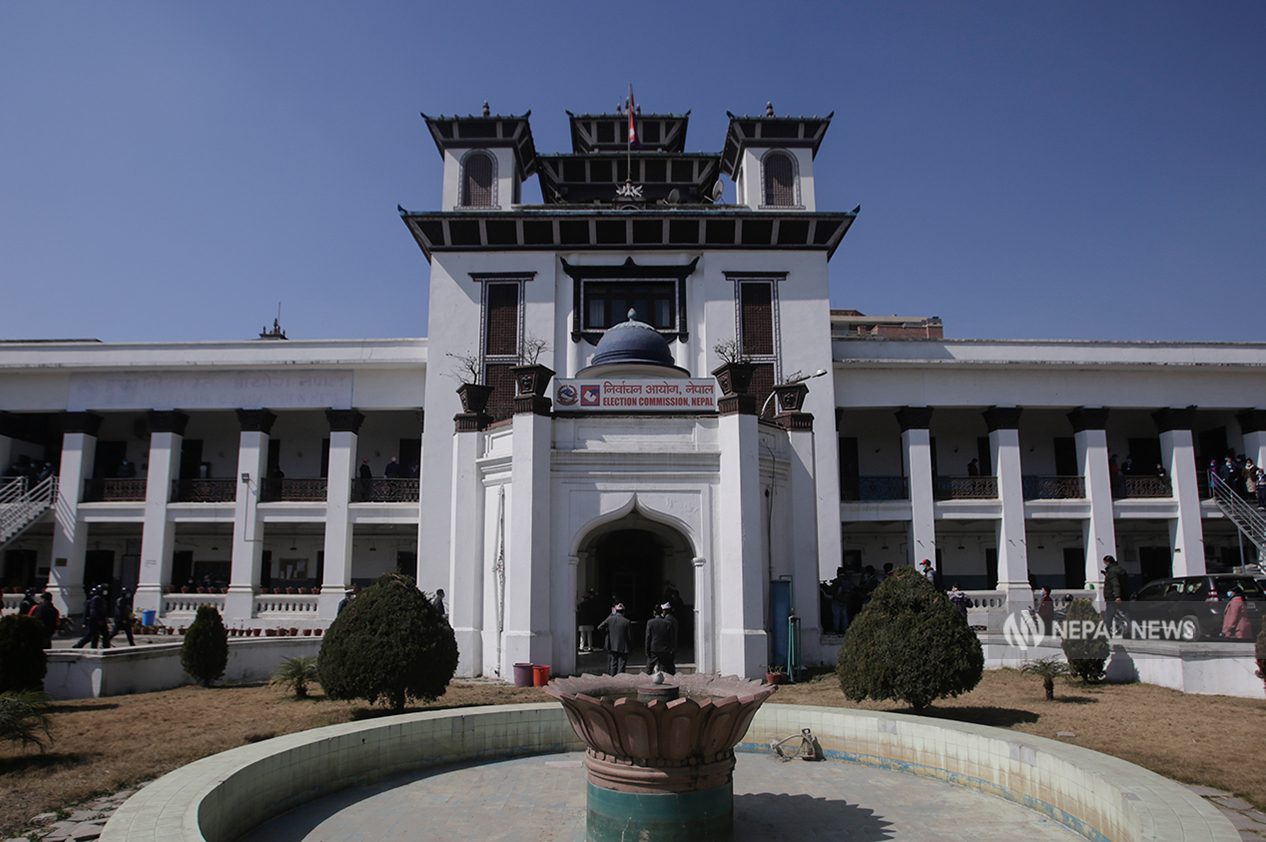
KATHMANDU: The government has moved ahead with preparations to conduct the upcoming general elections without changing any legal provisions under which the general election of November 20, 2022 were held. In the House of Representatives elections slated for March 5, 2026, neither a voter of one district can cast his votee in another district, nor will those living abroad be allowed to vote. Besides this, the popular demand for ‘no vote’ that has been in the news since the previous elections has also been limited to mere talk due to the failure to enact a law.
Compared to the 2022 polls, the March 5 elections will be different only in the sense that 915,119 new voters have been added and the proportional electoral system this time is based on population according to the 2021 Census. According to the new system, political parties have been asked to submit their lists of proportional candidates on Sunday and Monday.
According to the final list published by the Election Commission, there are a total of 18.93 million voters, including 96.63 million men, 92.40 million women and 200 others. The details of citizens who will turn 18 by March 4 have been updated and the final voter list has already been published.
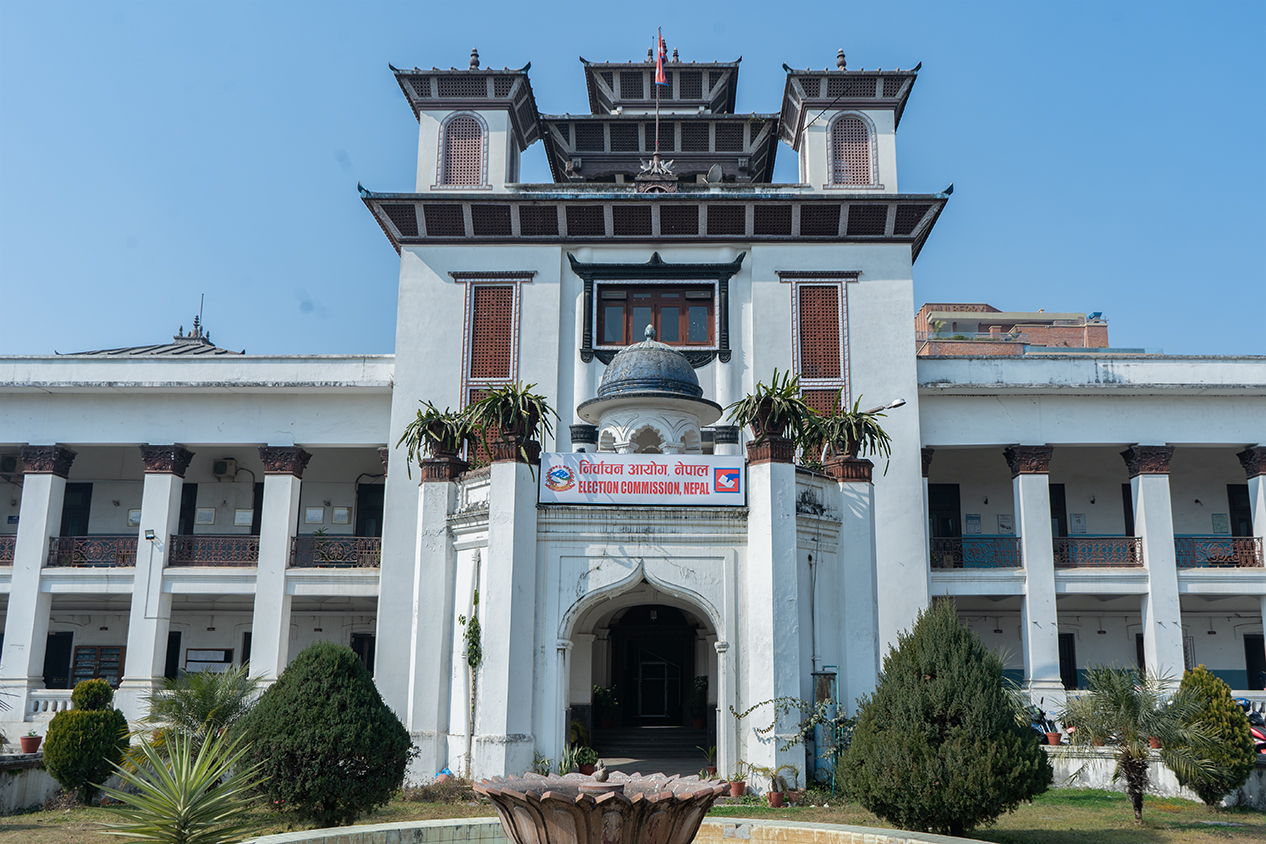
The Acting Chief Commissioner of the Election Commission (EC), Ram Prasad Bhandari, informed Nepal News that the election process has been moved forward as per the same old legal provisions since the laws the C had demanded have not been enacted.
According to Bhandari, he had raised the issue of new laws during a discussion between the government, the EC and the political parties at Singha Durbar, saying, “Give us the law quickly regarding the method by which the election will be held.” He says that no response has been received to that. “The Election Commission is not a body that formulates laws. We will work according to the existing laws,” says Bhandari, “We are conducting the election according to the method and system that we have in place.”
Votes of those living abroad will go to waste, again
When the election date was set after the Gen Z revolt, there was a widespread demand that Nepalis living abroad should also be allowed to vote. Home Minister of the interim government, Om Prakash Aryal, had even assured that necessary preparations were being made to arrange voting for Nepalis living abroad. However, the EC has not received any law on the matter so far. Acting Chief Commissioner Bhandari says that there is no possibility of addressing this issue without amending the law.
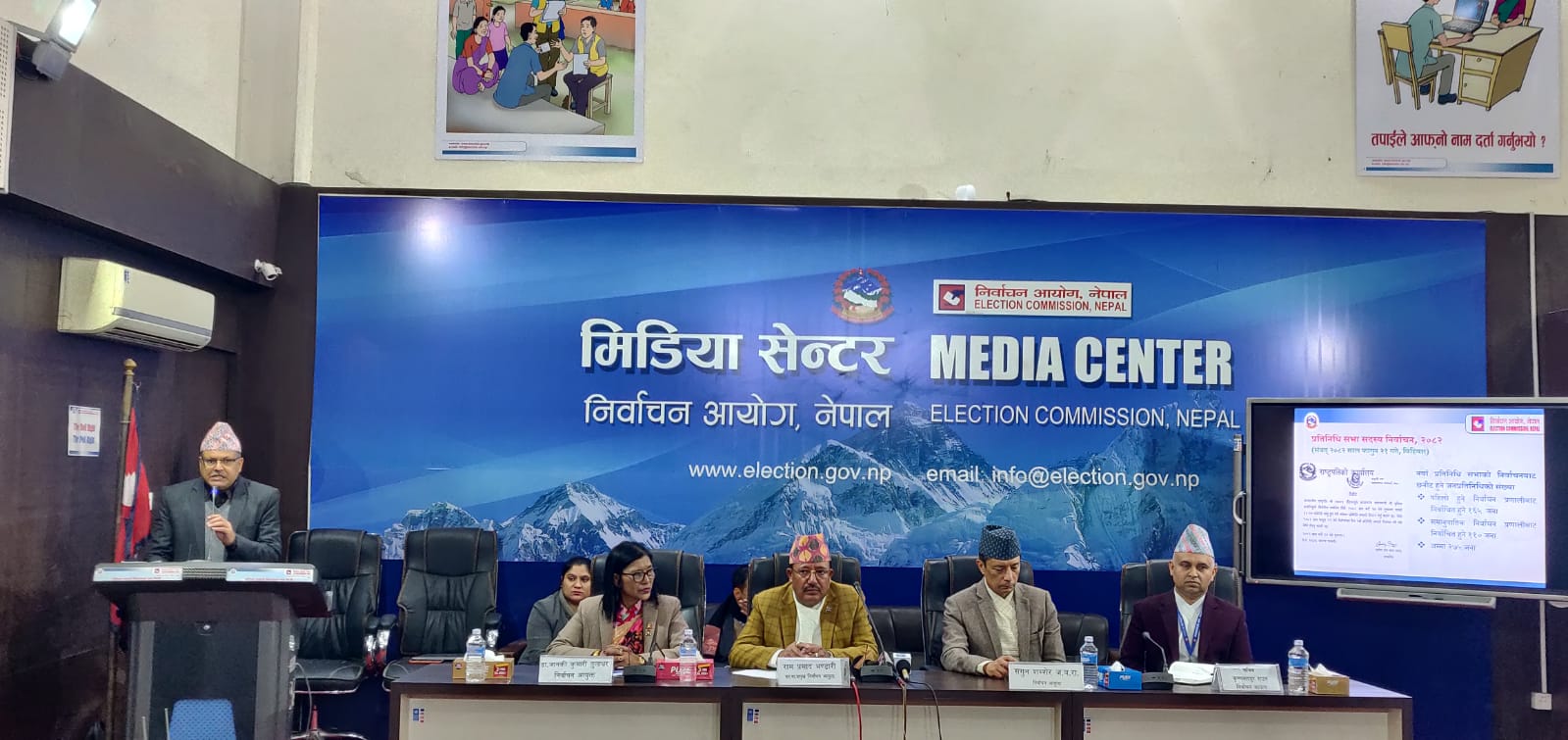
Acting Chief Commissioner Ramprasad Bhandari and others at a press conference organized to provide information about the elections. Photo: Bhasha Sharma
Along with this, the government has also failed to implement the directive order issued by the Supreme Court eight years ago. The Supreme Court had issued another directive order to the government on March 21, 2018 to make arrangements for Nepali citizens living abroad to vote. A joint bench of Justices Sapana Pradhan Malla and Purushottam Bhandari had also given options for discussion on the method to be used to give voting opportunities to citizens living abroad.
“Identifying the challenges that may be faced during the election, and considering the ways to solve the problems, including the cost, technology, time period, access of citizens, necessary preparations of political parties, etc.,” the Supreme Court order said, “Which option, whether directly through diplomatic missions abroad, through representatives, by post or electronic voting, can provide the opportunity to vote to many citizens in a fair, impartial, unbiased and confidential manner in a way that can bear the financial burden, can be used.”
‘No vote’ too limited to just talk
The directive order issued by the Supreme Court about ‘no vote’ 12 years ago will not be implemented this time either. No vote, or the option of ‘none of the above’ on the ballot paper, is the right to express one’s opinion that one does not support any of the candidates.
On January 5, 2014, the Supreme Court had issued a directive order in the name of the then government and the Election Commission to make provision for ‘no vote’ in the ballot paper. A joint bench of the then Justices Kalyan Shrestha and Prakash Wasti had ordered the government and the EC to make arrangements for ‘no vote’ from the next elections. However, the order, which was not implemented in the two elections of 2017 and 2022, will not be implemented this time either.
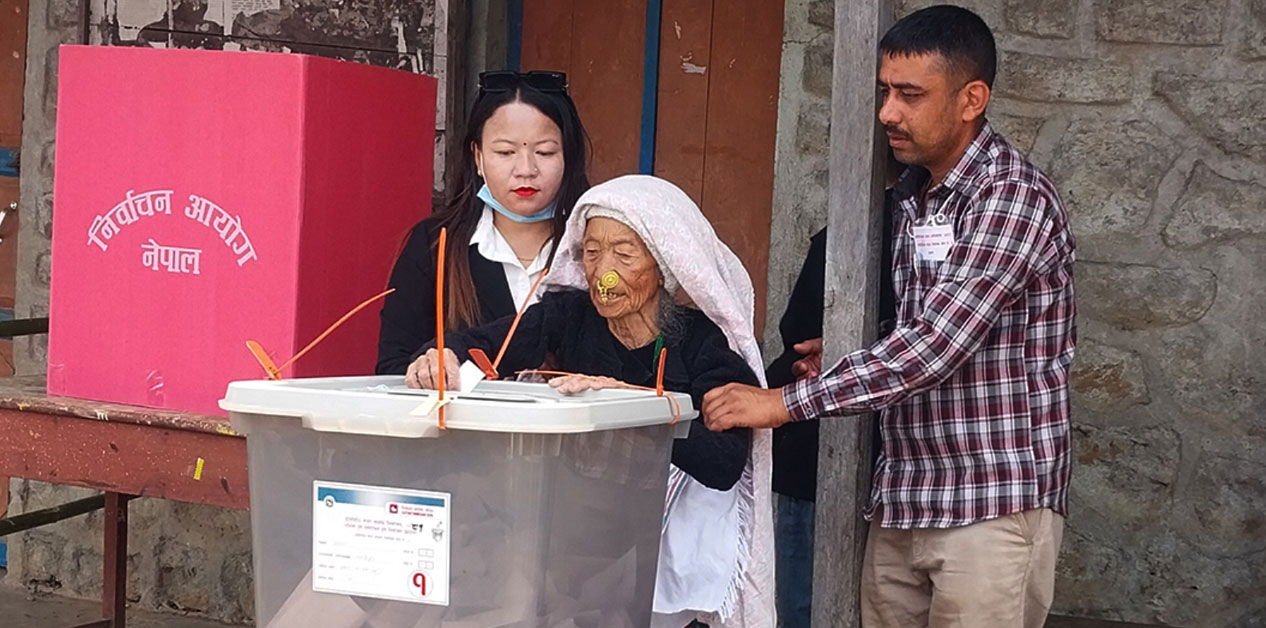
An elderly woman voting in the by-election held in House of Representatives Constituency No. 2. Photo: RSS
The order said at that time that “in the upcoming parliamentary or local elections, the option of ‘none of the above’ should be given to the voters if they do not support any of the candidates in the election process and legal and appropriate arrangements should be made to include it in the ballot paper format.”
Similarly, a voter from one district will not be allowed to vote in another district in the upcoming elections as well. Different-district-voting is a system where anyone can vote from wherever they are within Nepal. Many people are deprived of voting even while staying within Nepal. Although there were discussions on the issue of allowing Nepalis who have left their place of residence for work or live in a place different from the voter list to vote in the election, the government could not make any arrangements for such voters to cast their vote – neither in the direct nor in the proportional election.
Leaders say, ‘The environment is not right’
The leadership of the country’s two largest parties, the Nepali Congress and the CPN (UML), has been saying that the environment for the election is not right. The inquiry commission formed to investigate the incidents of the Gen Z revolt has restricted UML Chairman KP Sharma Oli and Nepali Congress leader and former Home Minister Ramesh Lekhak from leaving the Kathmandu Valley. This issue is being linked to the argument that “there is no environment for elections.”
Similarly, Nepali Congress President Sher Bahadur Deuba, too, is saying that the environment has not been created for the elections. After meeting Prime Minister Sushila Karki on Saturday, Deuba had said that the right environment for elections had not been created. However, he did not clarify which and what kind of environment was needed.
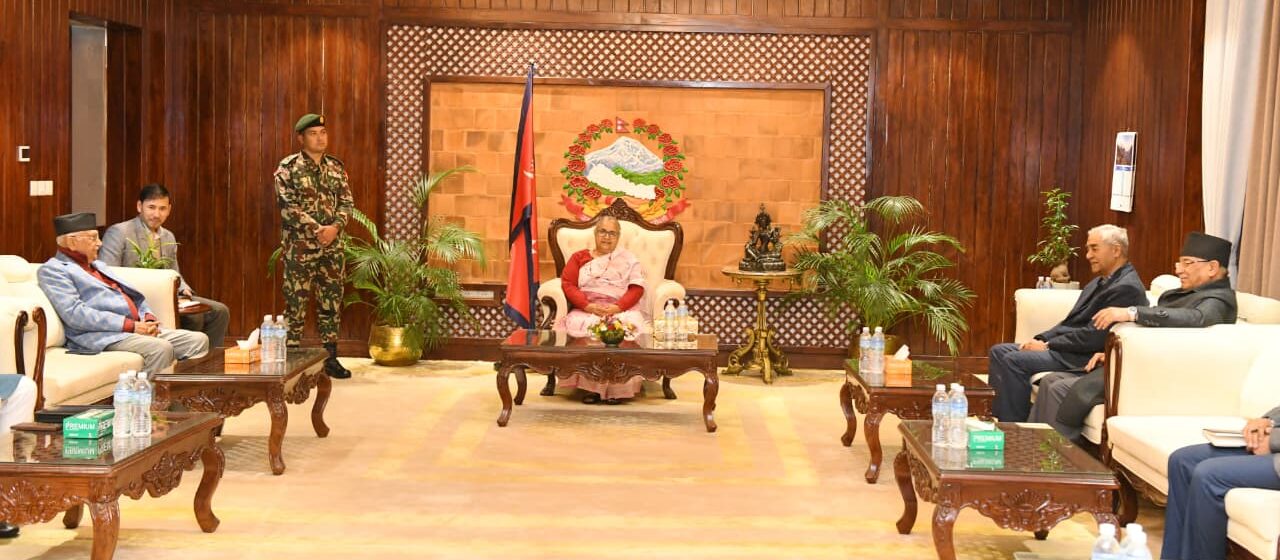
Prime Minister Sushila Karki with the leaders of the CPN-UML, Nepali Congress, and the Nepal Communist Party.
Acting Chief Election Commissioner Bhandari, however, claims that the environment has been created and that they have made a lot of progress. “The commission is confident that the elections will be held. Commitments have already been received from political parties,” he says.
Bhandari also says that the parties should help in implementing the election code of conduct this time. “The commission is an institution. Individuals are not important. We are capable of holding elections,” says Bhandari.