Kathmandu
Friday, February 27, 2026





Nepal’s political parties remain careless despite receiving training on submitting closed PR lists only after segregating clusters
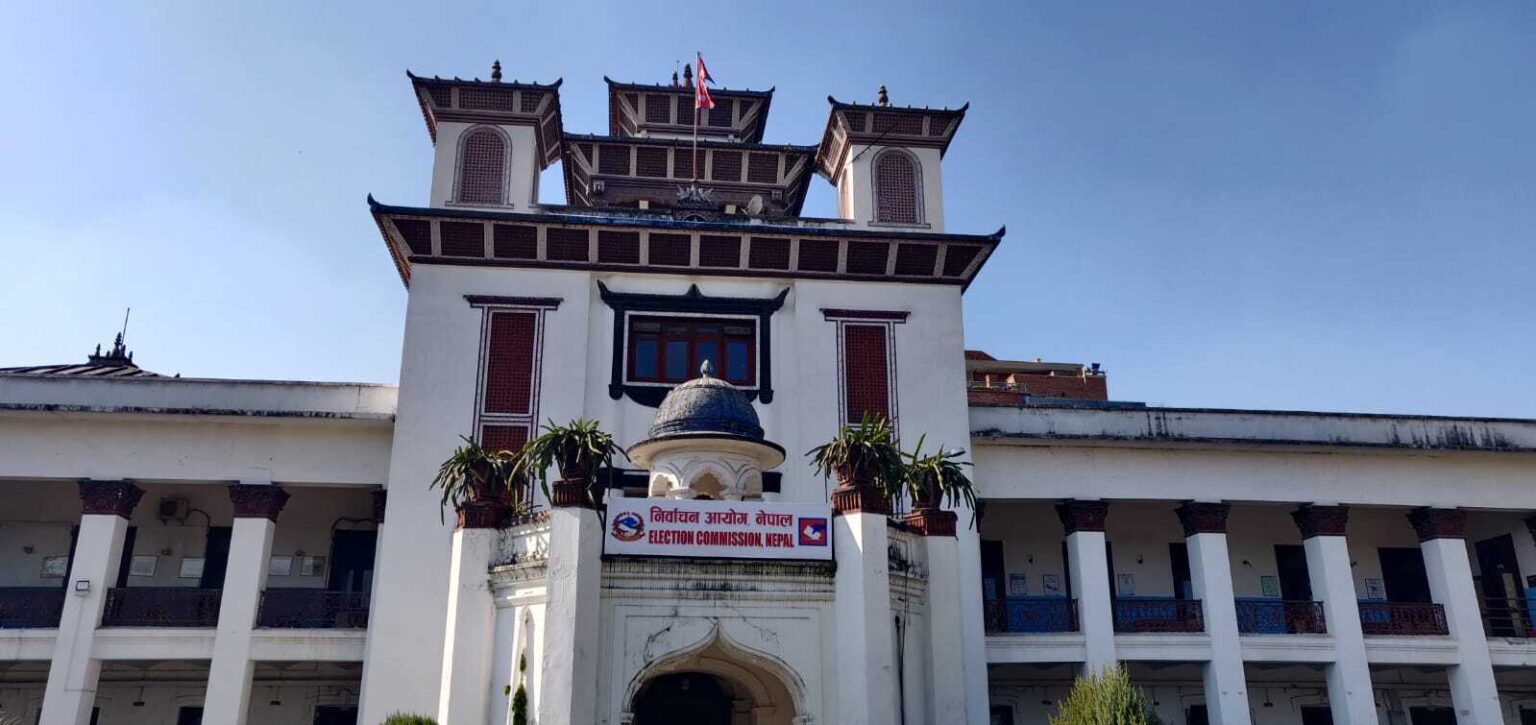
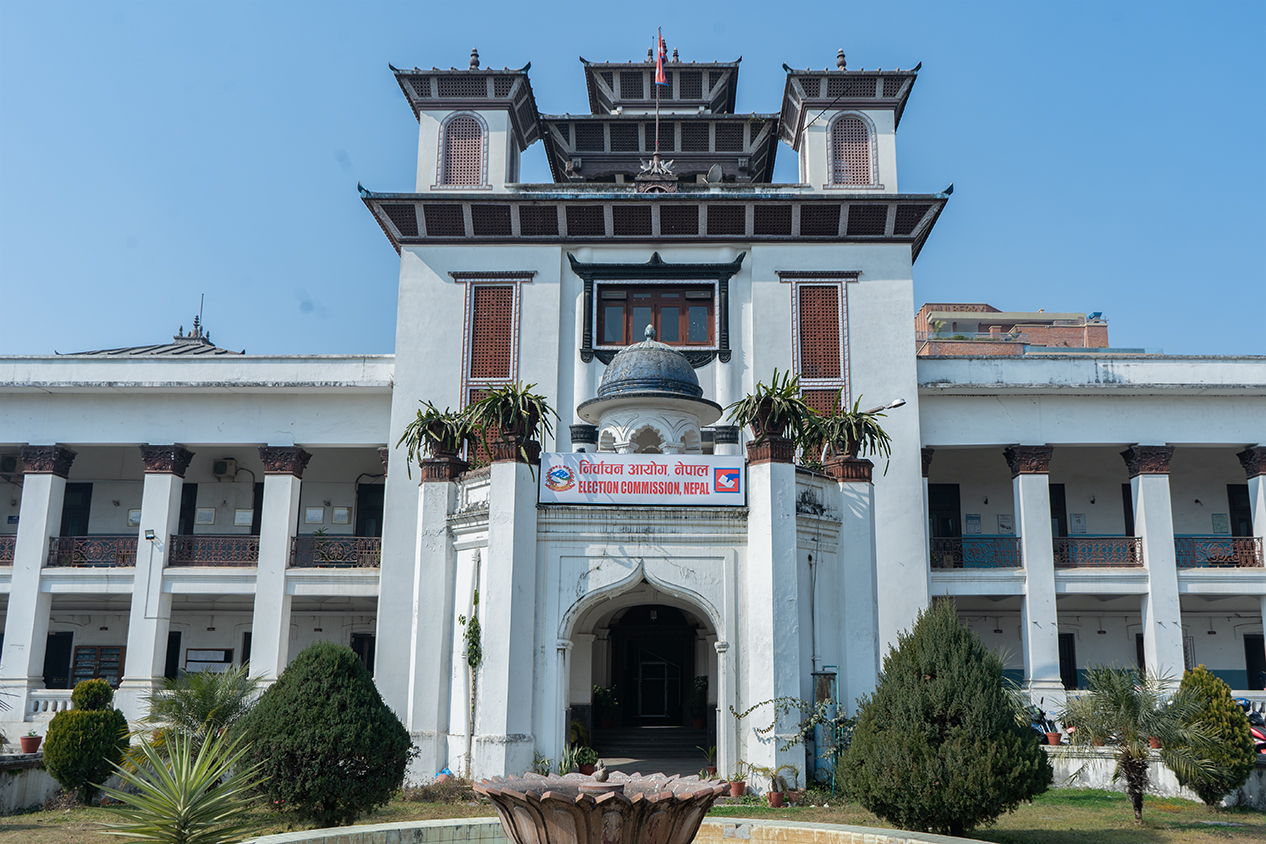
KATHMANDU: Confusion has been seen in the closed lists of proportional representation (PR) candidates submitted by political parties to the Election Commission (EC) for the House of Representatives election slated for March 5 this year.
The EC had even provided one-day orientation/training to representatives of political parties on the constitutional meaning of proportional representation (PR) and the correct method of submitting the closed PR lists.
However, the parties did not appear to have followed the rules while submitting cluster-wise PR closed lists to the EC. Not only the newly registered parties, but also the Nepali Congress (NC), CPN (UML), Nepali Communist Party, Rastriya Swatantra Party and others have shown ample irregularities in the PR candidate lists they submitted.
Out of the total 275 seats in the House of Representatives, 110 seats are to be filled through the PR system. Sixty-four parties have submitted PR closed lists of a total of 3,424 individuals to the Election Commission.
Assistant Returning Officer for the PR election system, Yagya Prasad Bhattarai, says there are problems in the closed lists submitted by all parties.
“Some parties have not submitted copies of citizenship certificates. Some have not matched inclusive clusters. Madhesi listed under the Tharu cluster , Tharus under the Madhesi cluster. Men listed under women’s category. Some have submitted lists without representation of persons with disabilities or people from backward regions,” he says. “Some candidates have not even signed the self-declaration in the consent form.”
Another problem has been seen in the number of clusters due to the failure to meet the prescribed percentages. Instead of the required 50 percent women, the number is lower. The required number of candidates from Muslim, backward regions and persons with disabilities has not been met.
Some parties have submitted their lists without verifying citizenship numbers and voter registration slips. Some party candidates have been found to be underage. The provision requires the candidates to be at least 25 years old. The EC is scrutinizing all these issues. Since one or another error has been found in the closed lists, the EC has already sent letters to all political parties asking them to make corrections, according to Assistant Returning Officer Bhattarai.
This is not the first time parties have been careless in PR closed lists. The EC itself appears to be struggling to manage the proportional system in accordance with the law since it was introduced in 2074 BS. The upcoming election is the third one since the PR system was implemented.
Assistant spokesperson of the EC, Kul Bahadur GC, says some have written only first names without surnames. Since writing surnames would reveal clusters, this may have been done intentionally to mislead, he suspects. “If the political parties did not understand the process of preparing the list, they could have consulted the Commission to fix it, but they chose not to,” says GC, adding such errors could also occur because the lists were submitted overnight.
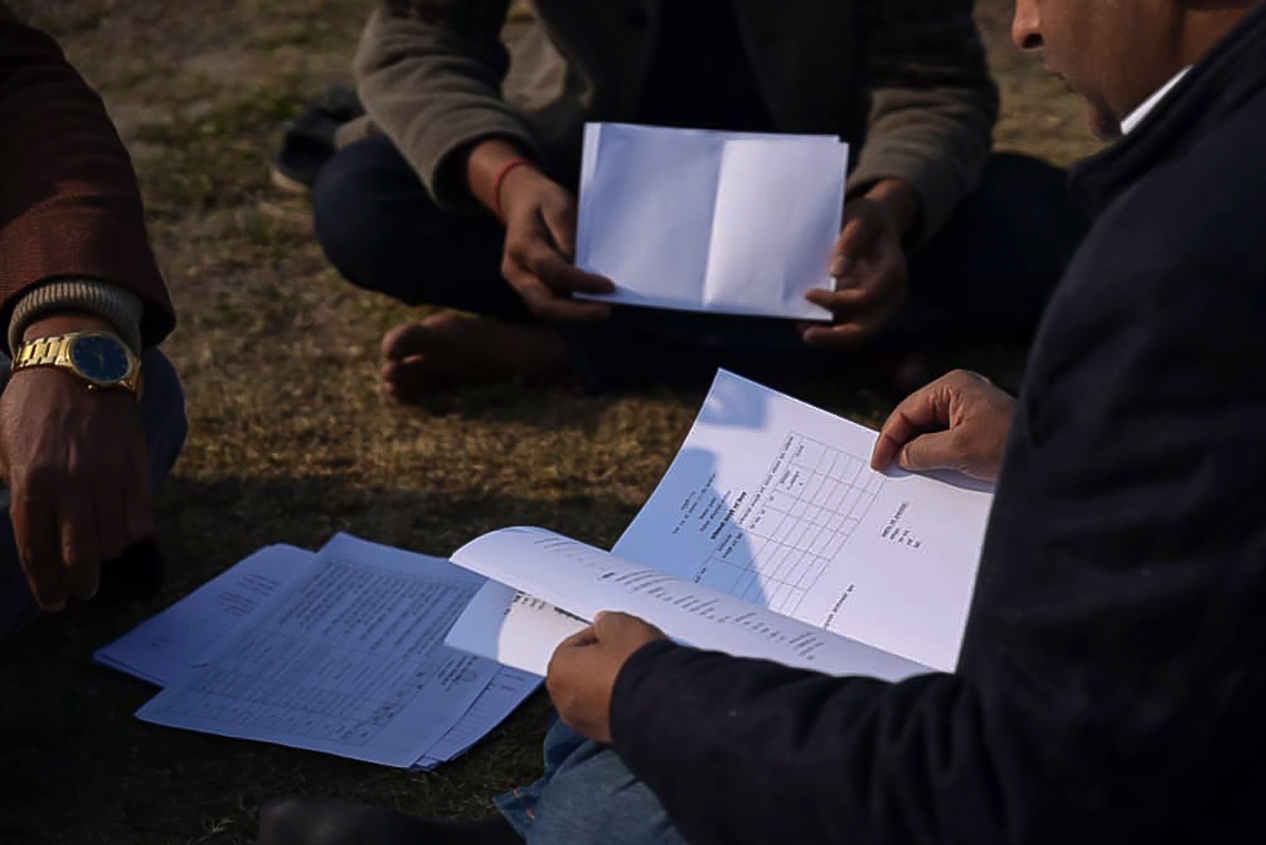
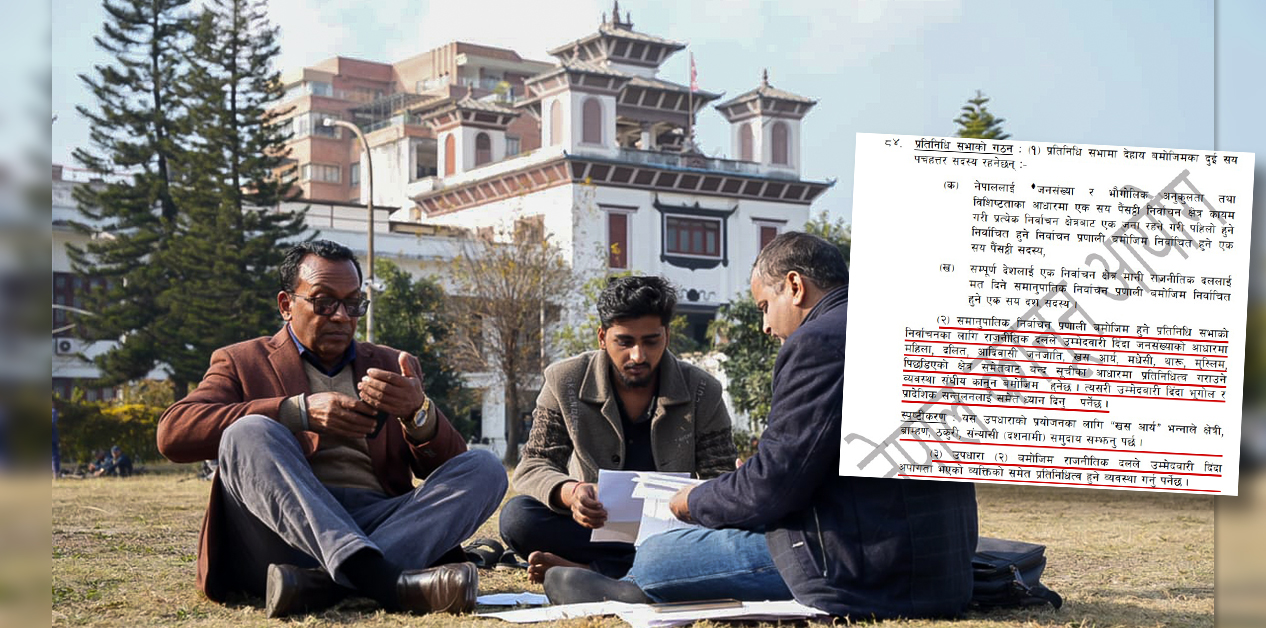
Representatives of parties at the Election Commission matching the closed list for proportional representation. Photo: Nepal Photo Library
“We had even provided orientation/training to party representatives, reminding them of the problems seen in previous elections,” GC says. “Each party had two participants—either the chief office-bearer or a representative sent by the party chief, and one technical person.”
Earlier, parties had asked the EC to extend the deadline to submit PR lists set for December 28-29, last year. Acting Chief Election Commissioner Ram Prasad Bhandari had announced that the deadline could not be extended.
After the EC refused to extend the deadline, party representatives stayed at the Commission until the night of December 29 to submit their closed lists.
The Nepali Congress submitted its candidate closed list only on December 30, after depositing the security amount and receiving the receipt the previous day. Assistant Spokesperson GC says such errors could also have occurred because the lists were submitted overnight.
There is a legal provision that the number of PR seats for a party is determined by dividing the total valid votes it receives nationwide through a prescribed formula. To qualify for PR seats, a political party must secure at least three percent of the total votes.
Central Committee member of the UML, Niraj Acharya, whose party received the highest number of PR votes in the 2022, claims there is no cluster-related problem in his party.
“We have included names from persons with disabilities and backward communities as well,” he says. “There may, however, have been some minor errors in names, citizenship details or dates of birth.”
The Supreme Court on Friday issued an interim order stating that political parties must not violate the rights of persons with disabilities while submitting their PR candidate closed lists.
Article 84, Clauses 2 and 3 of the Constitution require political parties to ensure representation of persons with disabilities when nominating candidates. Similarly, Section 28, Sub-section 6 of the House of Representatives Act, 2017 BS, legally mandates that PR closed lists must include representation from backward regions and persons with disabilities.
According to EC Under-Secretary Bhattarai, the poll body had already corresponded with the parties to fully implement inclusive provisions even before the court order. There is a provision that each party’s PR closed list must include at least one person with disability. If persons with disabilities are not prioritized, the closed list itself will not be accepted, the EC claims.
Madhav Prasad Chamlagain had filed a writ petition at the Supreme Court, raising the question that persons with disabilities had not been included in the partiees’ PR lists in accordance with the spirit and intent of the Constitution, Acts, international conventions and the orders issued by the Supreme Court. The Supreme Court has already issued an interim order directing the EC to correct the closed lists and ensure inclusion of persons with disabilities as well.