Kathmandu
Tuesday, February 24, 2026





New parties active, old ones slothful
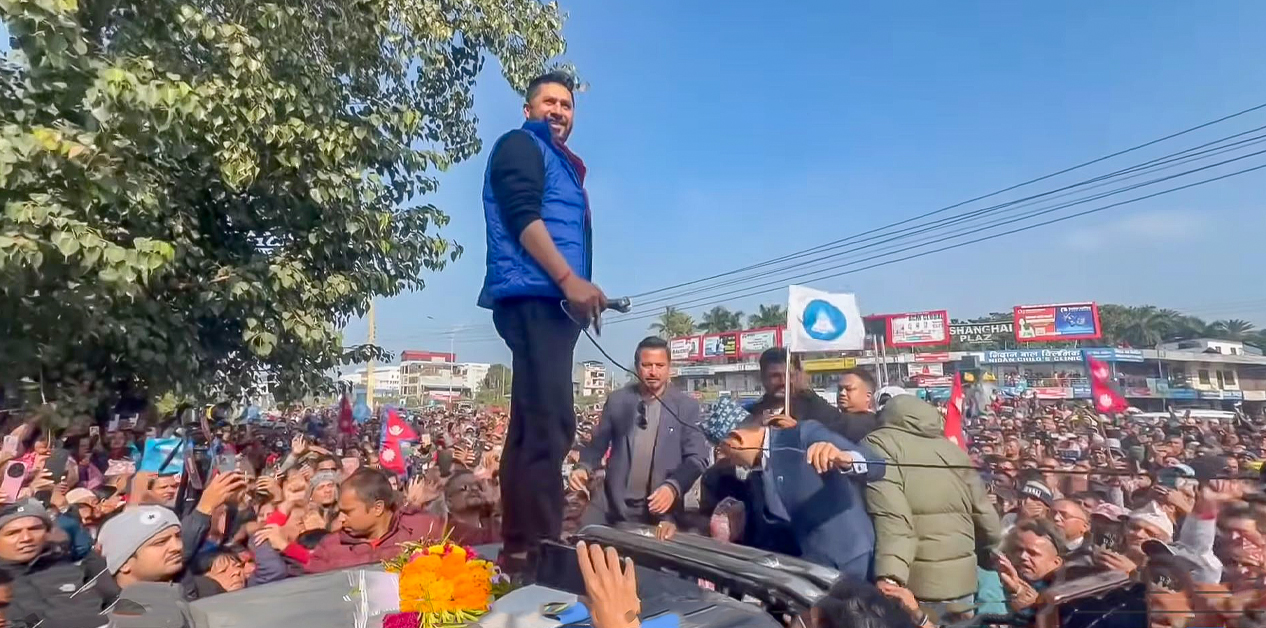
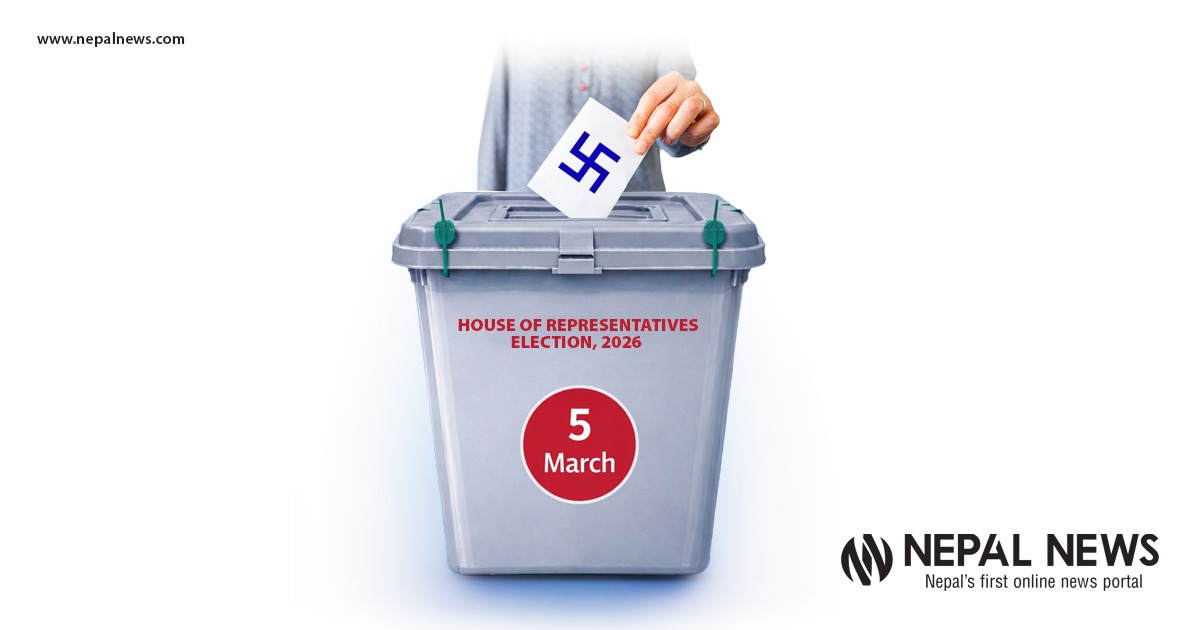
KATHMANDU: The government led by Sushila Karki that was formed on the strength of the Gen Z revolt, has set the elections for 5 March 2026. Although there is still uncertainty about whether the House of Representatives elections will be held, political parties have already started preparations for the elections.
Rabi Lamichhane, the president of the Rastriya Swatantra Party (RSP), who was released on bail from the Rupandehi District Prison on 19 December on the order of the Butwal High Court, did not immediately come to Kathmandu. He became busy with meeting after meeting in Chitwan, targeting the upcoming elections. Speaking at a meeting organized in Chaubiskoti, Chitwan, on 21 December, Lamichhane said, “I did not enter politics just to win an election, but for the future of an entire generation.”
After meeting with the Gen Z groups in Chitwan and discussing the upcoming elections, he immediately became active in meeting the families of the injured and martyrs of the Gen Z revolt. Not only President Lamichhane, but the central leadership of the RSP has started preparations for the elections. RSP Vice President Swarnim Wagle has addressed election-targeted rallies by reaching various places in Baglung and Myagdi following the announcement of the election.
However, the RSP has been the most activity party following the announcement of the election date. The RSP, which opened the candidacy application on December 7, had set a fee of Rs 25,000 for those who want to become proportional candidates. The leaders of the RSP’s provincial committees have already discussed with the proportional aspirants who have applied. RSP’s Joint Spokesperson Pratibha Rawal says, “We have immersed ourselves into the upcoming elections. The election atmosphere has intensified after the release of our party president.”
New parties formed in the new political environment following the Gen Z revolt, including Ujyalo Nepal and Shram Sanskriti Party, are also actively preparing for the election. Among the old parties, the Nepali Congress, too, has started preparing for the election.
The Shram Sanskriti Party, chaired by Dharan Mayor Harkaraj Rai (Harka Sampang), has started expanding its organization in the district as soon as it was registered with the Election Commission. Sampang is making speeches in district assemblies seeking votes for the upcoming elections. While Haraka’s party is preparing for the elections, his party’s vice-chairman Rajkumar Tamang, also known as Bishwakranti, has been arrested. He is a fugitive accused in the Panchthar bomb blast incident. Similarly, Sampang himself has suspended another vice-chairman, Mitra Pariyar, regarding a speech he delivered at a public program. This has affected his party, which is actively preparing for the elections.
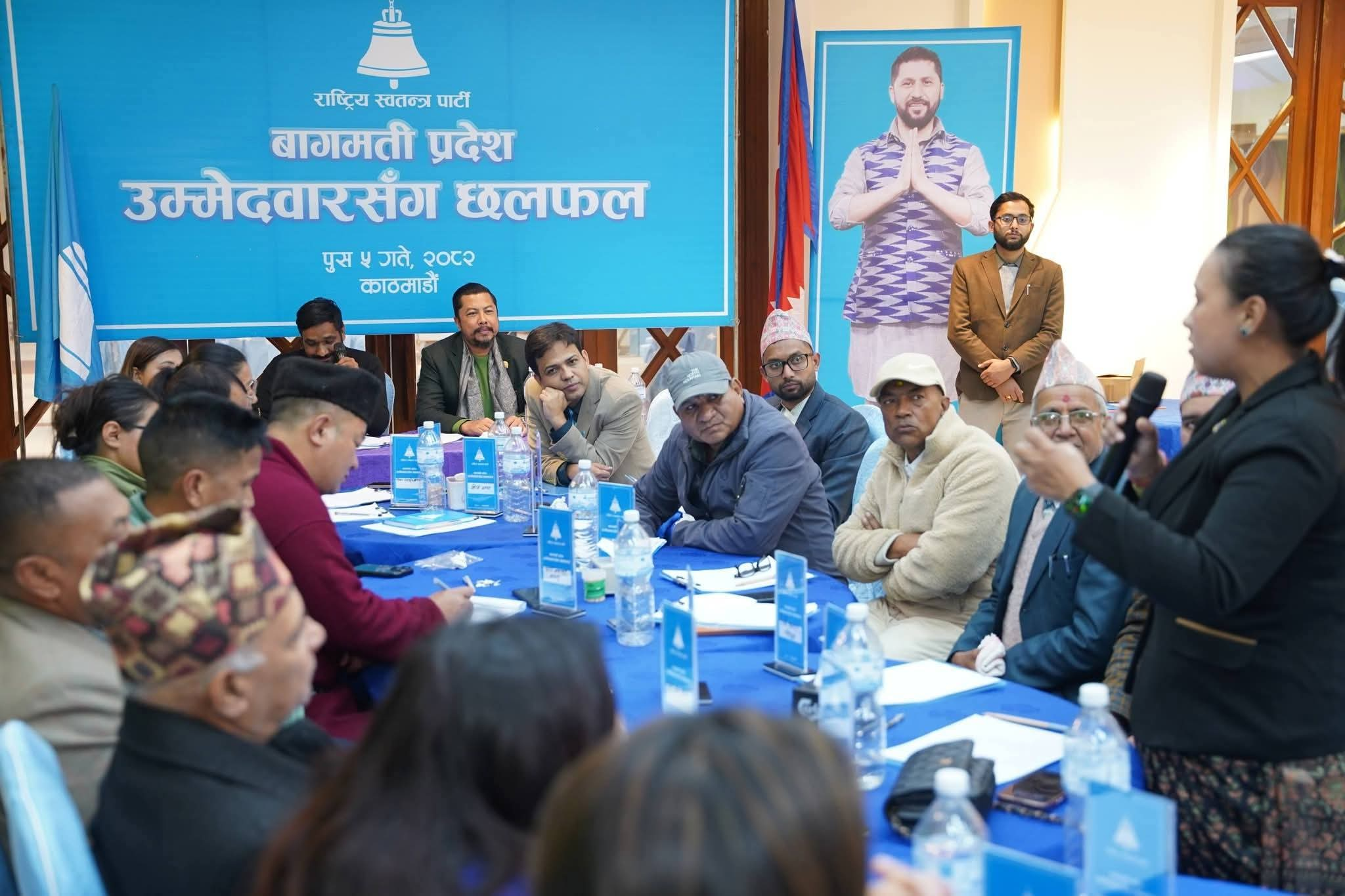
RSP’s discussion with candidates running for proportional representation
Another new party that is actively preparing for the elections is Ujyalo Nepal. This party, registered under the initiative of Energy Minister Kulman Ghising, is also organizing meetings and gatherings from east to west.
Although Ghising does not hold any official responsibilities of Ujyalo Nepal, he has been speaking as the chief guest at various programs of the party. This party has included groups active in the identity movement in the east. The group of Mahendra Sundar Lawati, the coordinator of the identity front, has been merged with Ujyalo Nepal. After the death of Subash Nembang, Dakendra Singh Thegim, who ran for the by-election in Ilam, was supported by the Lawati-led identity front and Sampang’s group.
Both Lawati and Thegim are now central members of Ujyalo Nepal. Many people who supported Thegim at that time have joined Ghising’s party. In the past, people and supporters who were considered close to Hark Sampang have also joined Ujyalo Nepal. In eastern Nepal, these two parties have been competing in expanding their organizations and election-oriented programs. After Ujyalo Nepal started affecting the Shram Sanskriti Party, Sampang started accusing Ghising of being a ‘foreign broker who got the MCC passed’ in almost every speech.
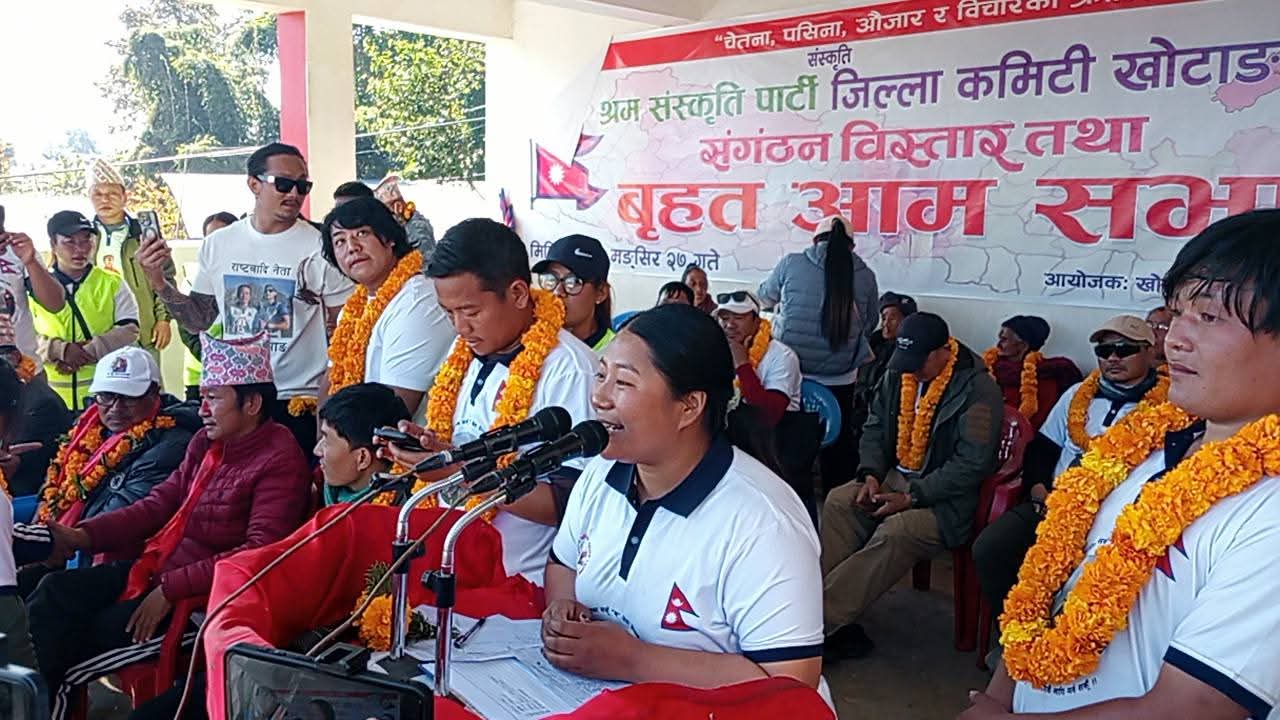
Shram Sanskriti Party general assembly held in Khotang
Ujyalo Nepal, on the other hand, has formed party committees from Dharan, where Harka is the mayor, up to Panchthar. According to Lawati, a central member of the party, Ujyalo Nepal is simultaneously expanding its organization and advancing its election campaign. So far, the Ujyalo Nepal Party, which has built organizations in three provinces and more than a dozen districts, has called for candidacies in the elections. Central member Lawati says, “Party leaders have been deployed from the east to the far west. We are engaged in internal and external preparations for the elections.”
The Gatisheel Loktantrik Party (Dynamic Democratic Party), which was registered after the Gen Z revolt, has also invited applications for candidacy through its website. Founded by Buddha Air owner Birendra Bahadur Basnet, this party is also conducting open election-oriented activities after registering with the Election Commission. Party Chairman Dinesh Prasai issued a press release on 11 November 2025, calling for membership and work in various committees. The party also organized interaction programs on sustainable employment in nine different places in the country. Other new parties have not been seen much active.
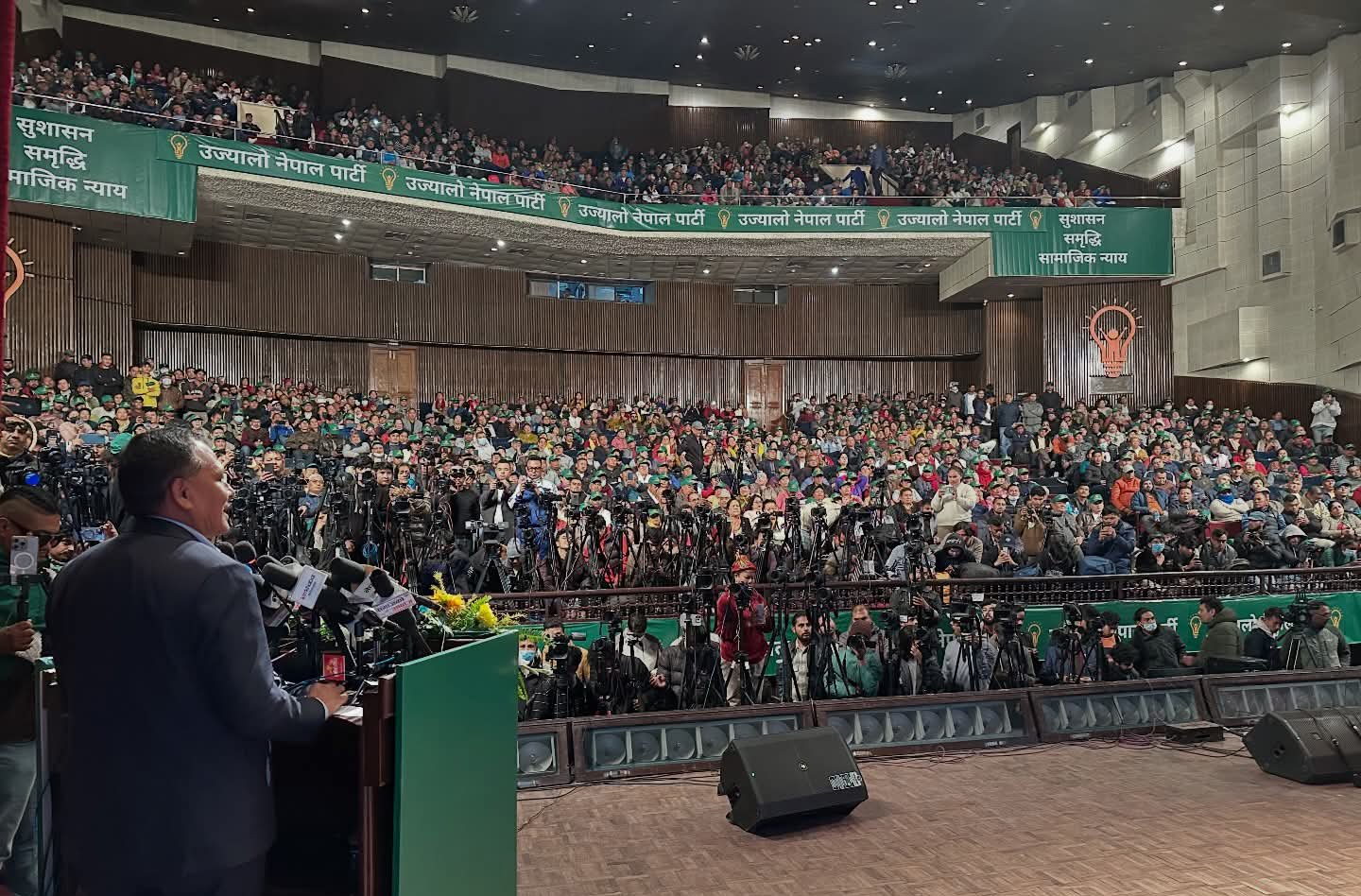
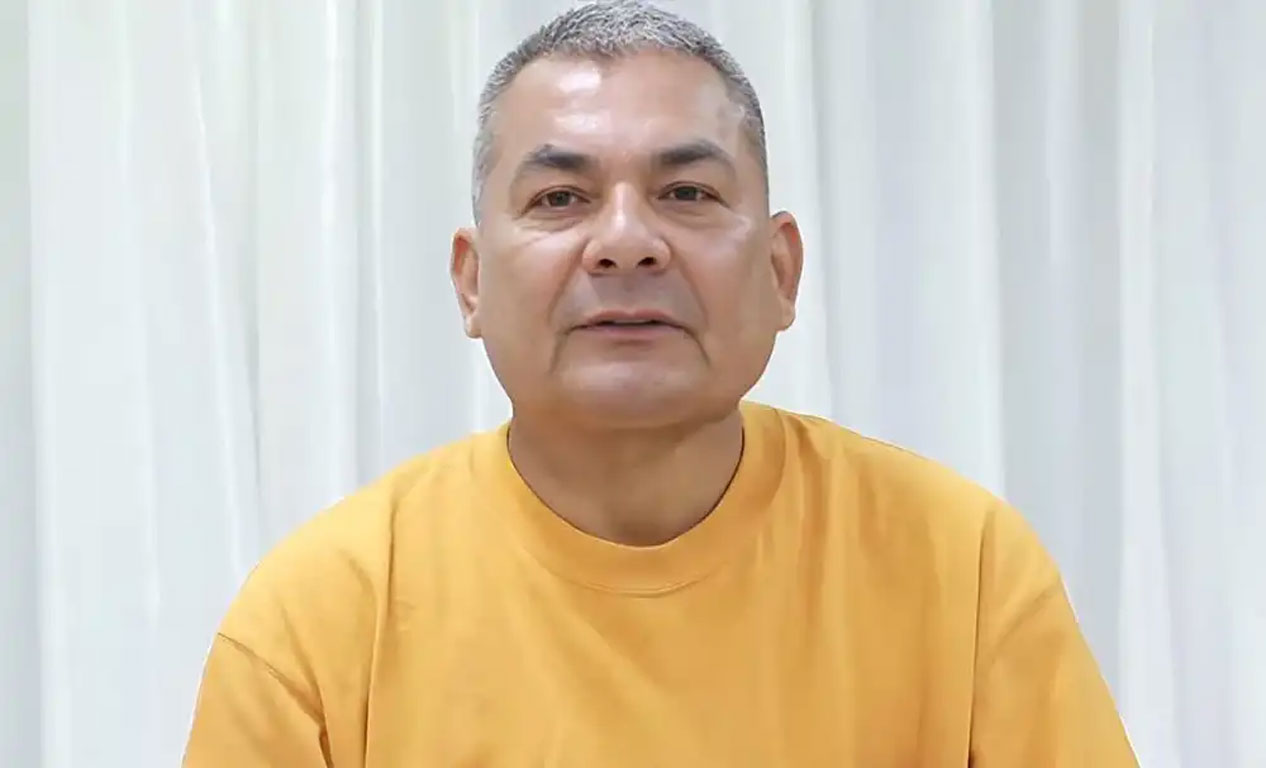
Kulman Ghising addressing the Ujyalo Nepal Party’s announcement
The old parties are also preparing for the elections. However, their activity is slower compared to the new parties. After the Gen Z rebellion, the Nepali Communist Party, which is made up of 16 parties including the CPN (Maoist Center), the CPN (Unified Socialist), has also organized unity meetings at different places in the country. Speaking at one of such meetings organized in Kathmandu on 19 December, party coordinator Pushpa Kamal Dahal ‘Prachanda’ said that the country will face a political disaster if the election is not held on March 5. He said, “We will not remain silent if the election is postponed. This should not be taken as a threat.”
It is not difficult to understand from Prachanda’s statement that his party is preparing for the election. The rallies held by the Nepali Communist Party across the country also give a glimpse of election rallies.
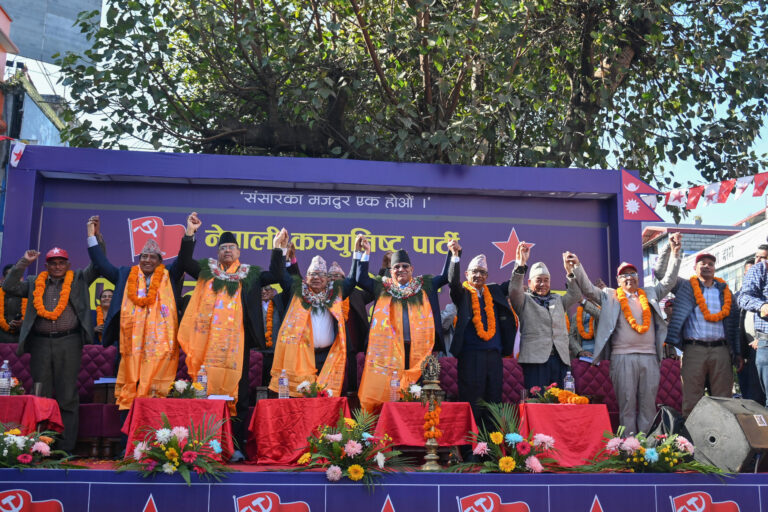
Nepali Communist Party event in Pokhara
The Rastriya Prajatantra Party (RPP), too, is recommending candidates for the elections. The party on Saturday recommended the names of its president Rajendra Lingden from Jhapa constituency no. 3, along with other leaders.
Despite registering the party with the Election Commission for election purposes, the CPN (UML) has not yet officially launched an election campaign. The UML is currently in favor of restoring the dissolved parliament. On the one hand, Nepali Congress leaders are raising the voice for the restoration of parliament along with the UML, while on the other hand, they are also preparing for the elections.
The Nepali Congress, too, is recommending candidates for the elections. Speaking at an all-party discussion held at the Office of the Prime Minister and Council of Ministers, Singha Durbar, on 22 December, Nepali Congress Joint General Secretary Mahendra Yadav said that his party has moved forward to participate in the elections. He said, “The Nepali Congress will officially decide to participate in the elections scheduled for March 5 by taking a decision from the central committee.”
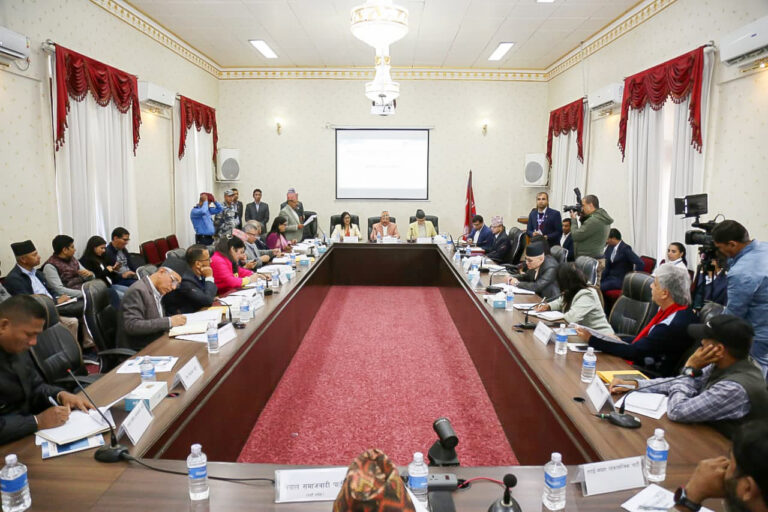
Government’s discussions with political parties on the election. Photo: Nepal Photo Library
Yadav’s statement makes it clear that the Nepali Congress is moving forward with preparations for the declared elections. Although the Nepali Congress failed to ensure the 15th General Convention as per the schedule due to active membership disputes, the party is active in recommending candidates. Nepali Congress central member and head of the Information, Communication and Publicity Department, Min Bahadur Bishwakarma, says that preparations for the General Convention and the election are moving forward simultaneously. He says, “The work of recommending candidates is currently underway. The preparations will further expedite after the parliamentary board is formed.”
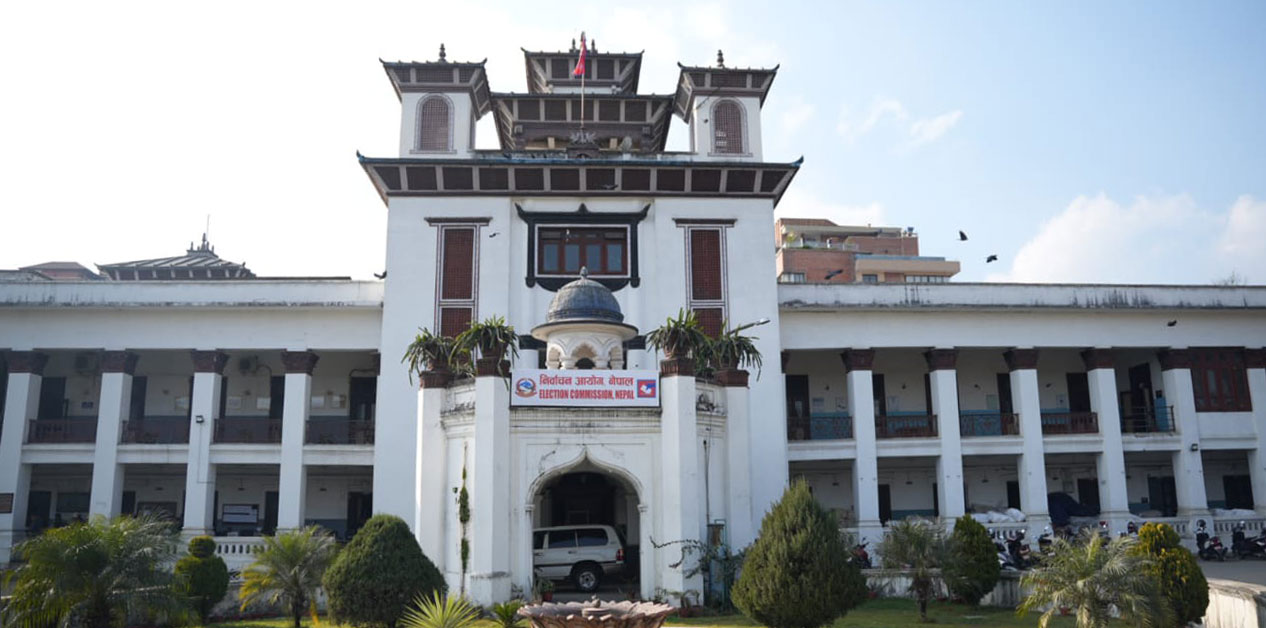
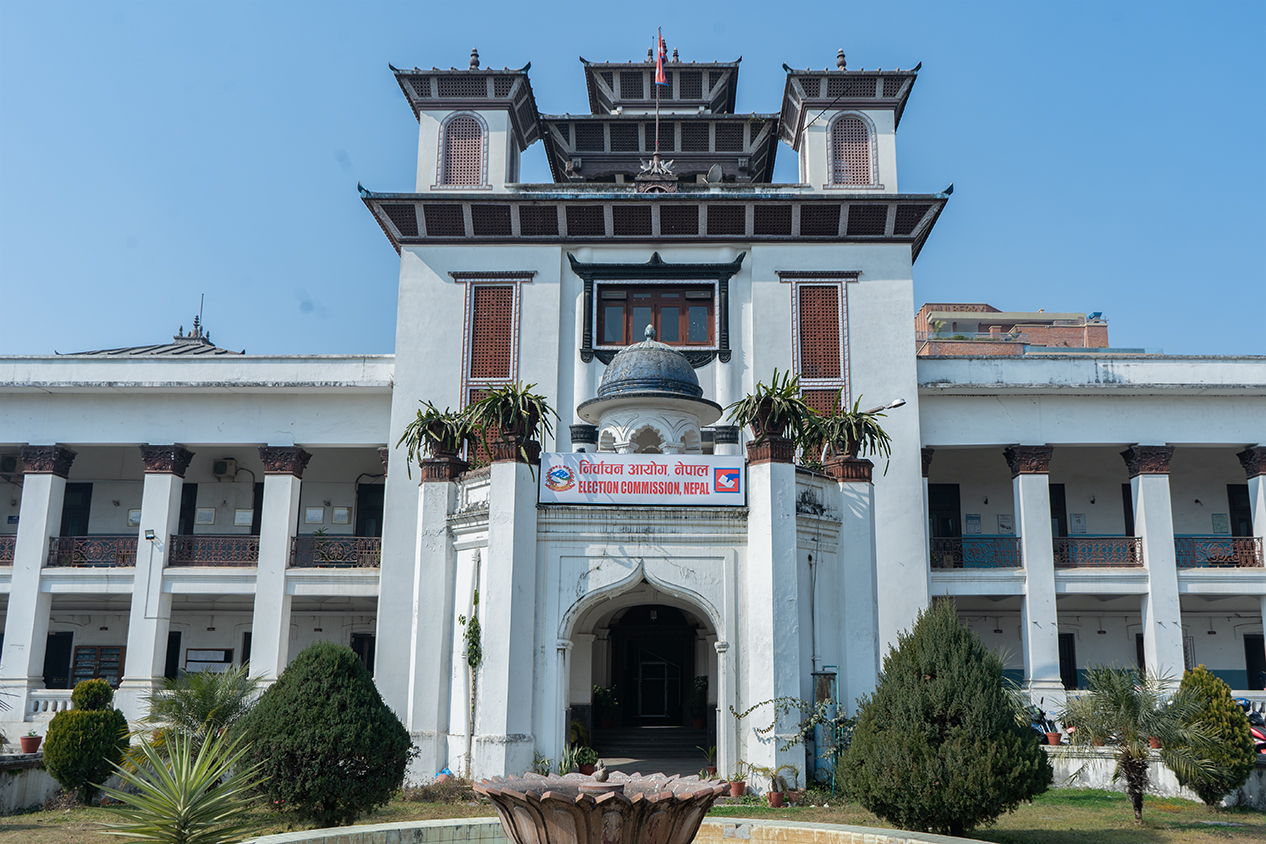
The number of political parties registered with the Election Commission as of December 2 is 143. Although many of these parties are in the ‘wait and see’ mode, most of them are preparing to participate in the elections. Political analyst Prof. Krishna Prasad Pokharel says, “New parties seem very excited about the elections. Although the old parties are in a state of confusion and have started technical preparations for the elections, they do not seem that excited about the elections.”