Kathmandu
Thursday, February 5, 2026





Neither there is state support nor private-sector initiative to encourage women in the country’s information technology sector
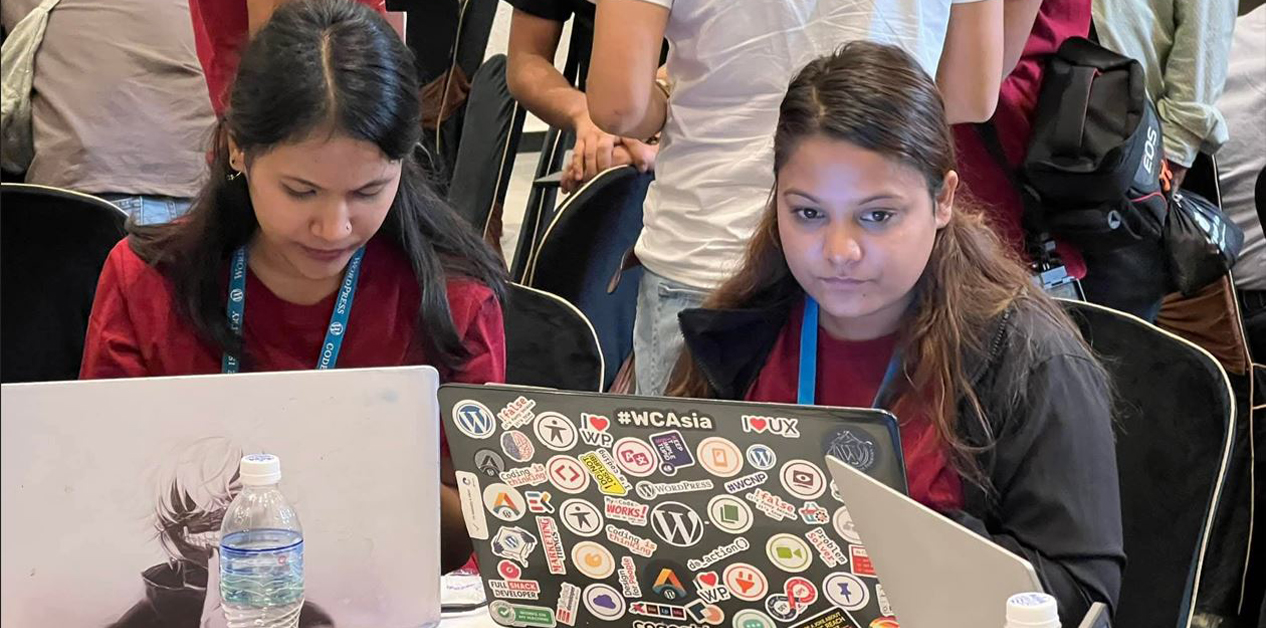
KATHMANDU: Alina Kakshapati of Bhaisepati, Lalitpur, has been working in the information technology (IT) sector for 16 years. After completing a bachelor’s degree in IT she joined Software Admin Nepal as a junior employee, where she worked for six years, and later worked for more than 10 years at Code Pixelz Media Company as a project and product manager.
Despite accumulating such long experience, three months ago she went to Ward Office No. 10 of Kathmandu Metropolitan City to register a startup company in her own name. What she experienced there was completely unexpected.
Ward office staff, surprised, asked her, “Don’t you have any men in your company?”
Even after Kakshapati explained that it was her own company and that she herself was present, the staff did not stop. They even went so far as to say, “Oh, it’s your own company? Then show us by fixing my computer—it’s broken.”
Kakshapati sees this incident as a continuation of a deeply rooted patriarchal culture that questions women’s skills, competence, and expertise. “On top of that, there is a biased belief—even among the so-called educated people—that IT is something only men understand,” she says.
Since the beginning of her IT career, Kakshapati has witnessed and experienced gender discrimination against women. Her experience shows that women are given opportunities to lead projects only after many years, while men receive such opportunities easily and quickly. “Even after becoming a project lead, my own colleagues doubted me. When problems arose that I could solve myself, they would still go and ask a male leader junior to me,” she says. “Only when they were forced to come to me did they express surprise, saying, ‘Ma’am, how do you know such things?’”
Sanchita Kunwar, who runs a startup company called Insource Inc. Pvt. Ltd., shares a similar experience. Her office nameplate clearly reads, ‘Sanchita Kunwar, Managing Director.’ Yet people who visit the office look for a man as the company head. “Many ask, ‘Where is the sir?’” she says, “When I attend public programs, I am often seen as a receptionist rather than a company representative.”
Not only do the experiences of women working in information technology reflect this reality, but studies also show that the IT sector remains unwelcoming to women, which has resulted in inadequate representation. Despite rapid technological development increasing income and opportunities in the IT sector, it has still not become a favorable profession for women.
According to the Labor Survey 2017/18 published by the National Statistics Office, women’s participation in Nepal’s information and communication industry stands at only 0.5 percent. Among them, only 7.88 percent are in leadership positions, according to the 2025 report “Barriers to Breakthroughs: Women in Nepal’s Information and Communication Technology Landscape” published by Women in Information Technology (WIIT).
The study concludes that women’s participation remains low due to the lack of clear gender-friendly policies, laws, and opportunities for recruitment and promotion in IT companies. Amrita Sharma, who holds a PhD in information and communication technology employment and was involved in the study, says, “At the college level itself, the number of female students studying IT/engineering is low, which naturally limits the number of women entering the IT sector. Moreover, reaching leadership roles requires at least five to six years of experience, and due to marriage, childbirth, and family responsibilities, many women are forced to leave the profession.”
In a survey conducted by WIIT two years ago, 77.4 percent of participating IT companies were found to have no specific provisions for recruiting women employees. Among them, 65.7 percent had no programs at all to encourage women’s participation.
Among the women who have built careers in IT so far, most have reached their positions through self-motivation alone. “I, too, came here purely through self-motivation,” says Shweta Sherchan, originally from Damauli and currently running Kathmandu Digital Marketing Institute in Jamal. After completing a bachelor’s degree in Computer Applications in Bengaluru, India, she has been working in IT for a decade.
According to WIIT, although the IT sector is expanding, equal opportunities are not available to everyone. Entry into the field is even more difficult for women from rural and marginalized communities. The National Census 2021 also shows that only 11,078 women nationwide—just 24.14 percent—have studied computer and information technology at Grade 11 or above.
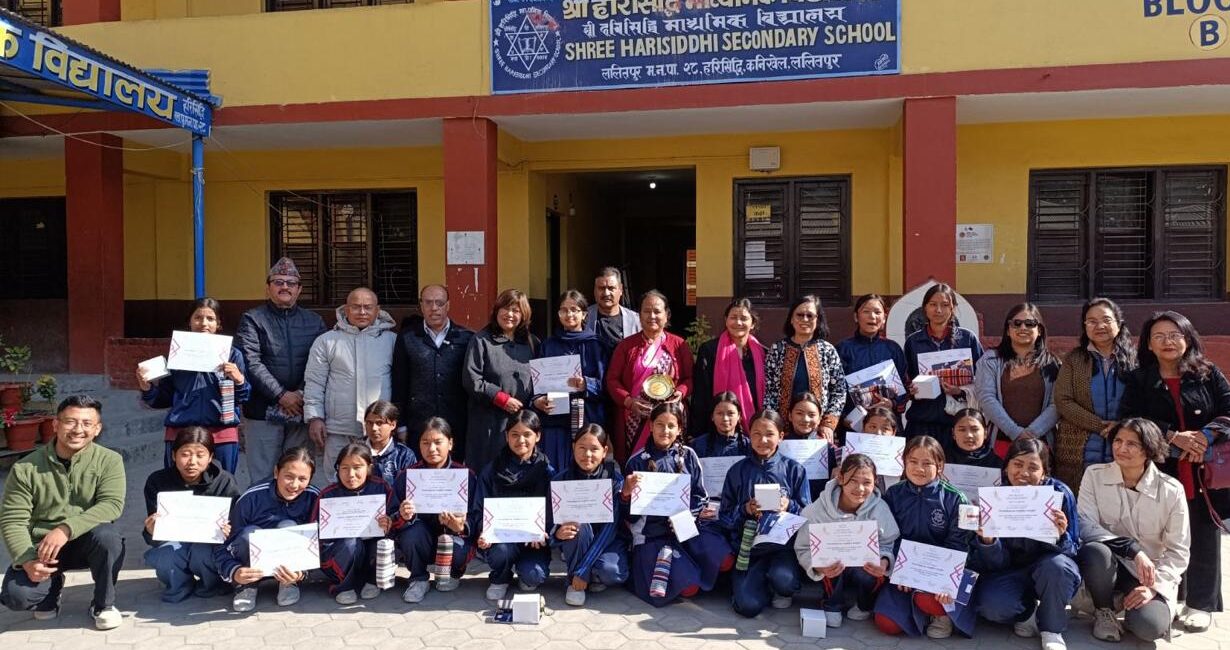
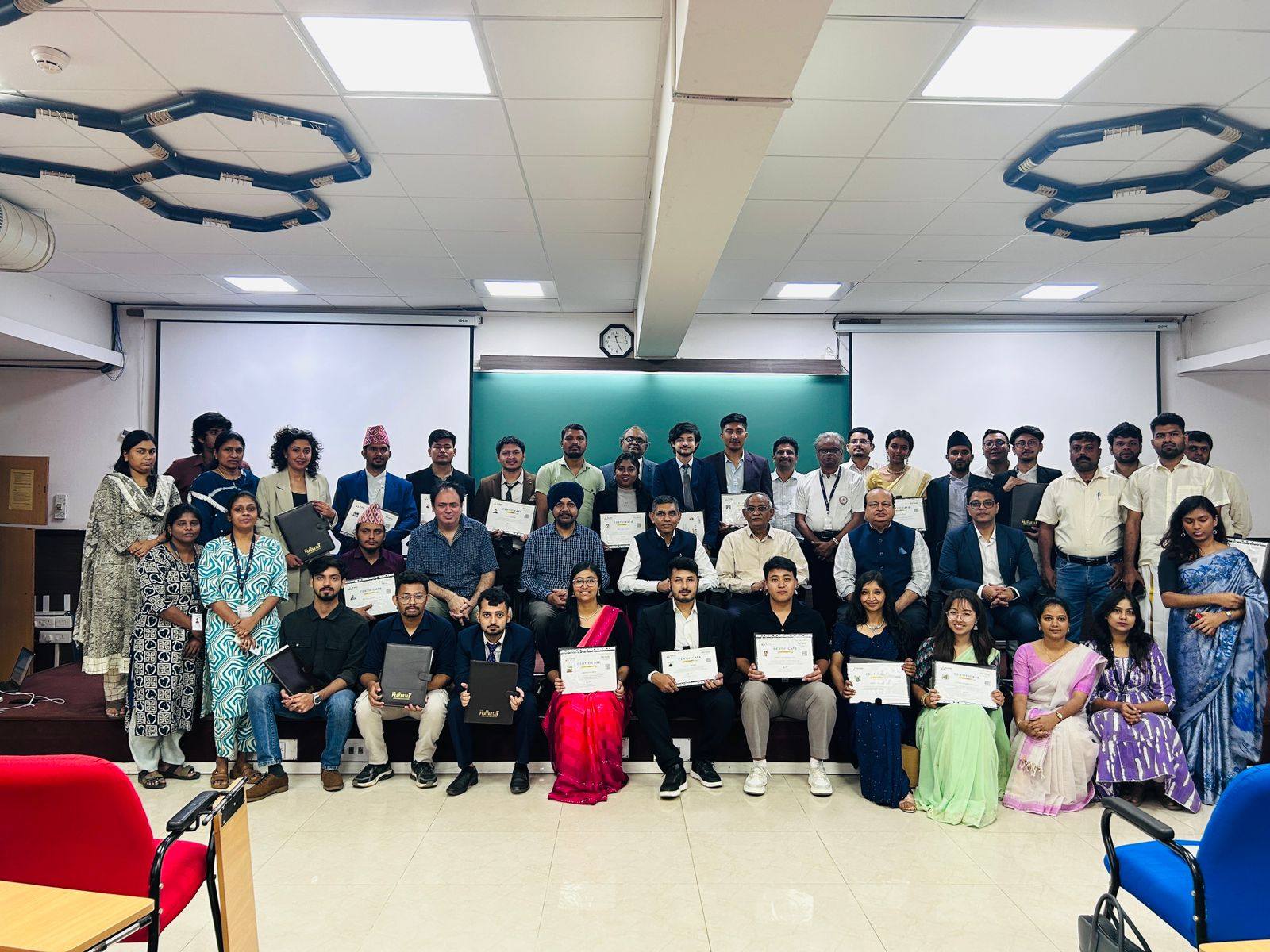
WIIT organizes IT-related programs for students. Photo: WIIT’s website
WIIT’s report recommends that the government provide scholarships and vocational training and implement IT-focused curricula to encourage women and female students to enter the sector. Jyotsna Shrestha, vice president of the Federation of Nepalese Chambers of Commerce and Industry (FNCCI), says that like other sectors, the IT sector must also be inclusive and ensure women’s representation. “Women are more focused at work and more honest. Their representation increases productivity and quality,” she says, “Unfortunately, neither the state nor the private sector has taken the necessary initiative to provide women with opportunities.”
IT expert Sharma also emphasizes that along with the state and private sector, families and schools must encourage girls to believe that they can work in IT. “Girls themselves must also have the confidence that they can excel in any field,” she says.
Sherchan, director of Kathmandu Digital Marketing Institute, believes that seeing exemplary women who continue their IT careers while managing family responsibilities can inspire many others.
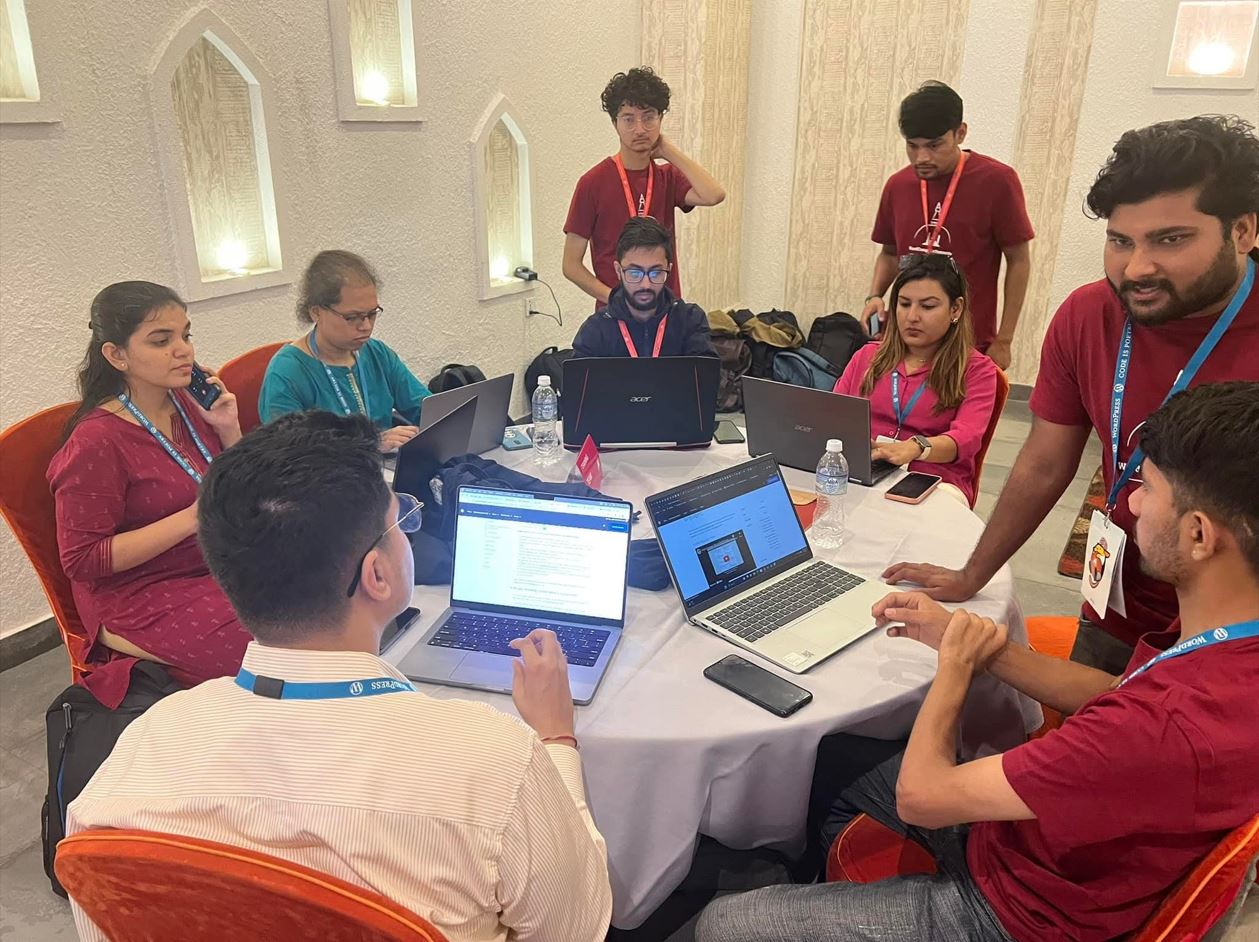
IT employees. Photo: Elina Kakshapati
In recent years, some companies founded by women have begun running IT programs targeted at female students. For the past five years, Kathmandu-based Smart Cheli IT Company has been running programs to encourage girls from community schools to study science, technology, engineering, and mathematics. Smart Cheli’s Chief Executive Officer Pratiksha Pandey says the organization teaches skills such as coding and designing to spark interest in IT among girls while they are still students.
The concept of Smart Cheli is rooted in Pandey’s own experience. When she studied engineering in 2012, only three out of 40 students were female. After investigating the reasons behind this, she realized there was a lack of encouragement at the school level to spark interest in IT. This realization led her to establish the company and run programs targeted at female students.