Kathmandu
Saturday, February 28, 2026






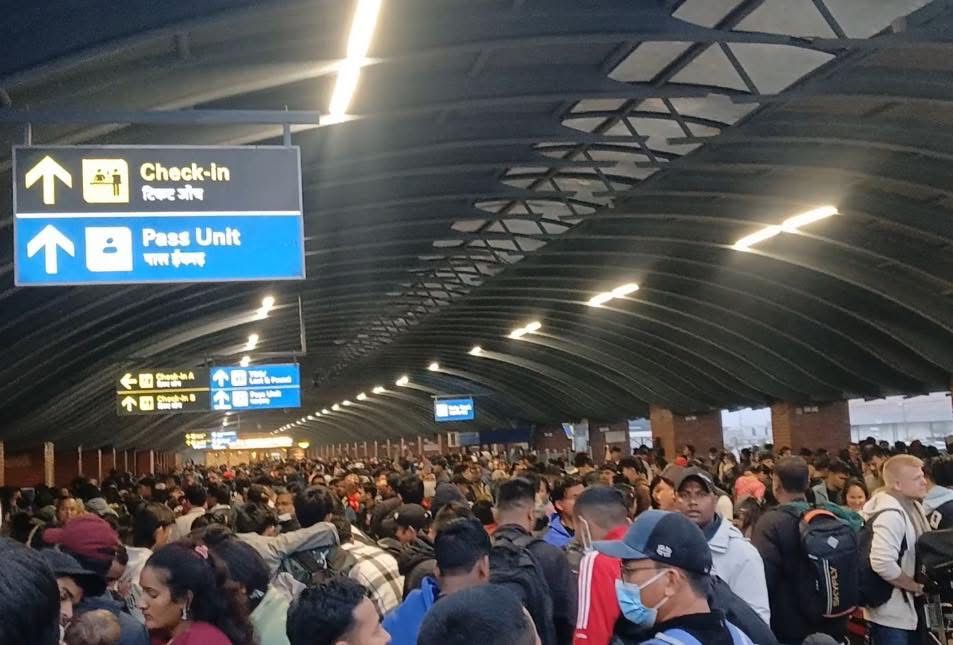
KATHMANDU: Rising tensions in the Gulf have put millions of foreign workers, including nearly two million Nepalis, on high alert as Israel and the United States launched strikes on Iran, prompting retaliatory attacks on US military facilities across the region.
The coordinated strikes, which took place on Saturday, targeted sites in Iran, while Tehran responded by firing missiles at US bases in Qatar, Saudi Arabia, Bahrain, Kuwait, the United Arab Emirates (UAE), and Oman. The scale of the attacks has heightened concerns about regional stability, particularly for expatriate communities who form the backbone of Gulf economies.
Among the Nepali workforce, the largest concentration is in the UAE, with more than 450,000 employed, followed by 384,000 in Saudi Arabia, 360,000 in Qatar, 175,000 in Kuwait, 30,000 in Bahrain, and 25,000 in Oman. Smaller communities are present in Iraq (25,000), Israel (5,000), and Lebanon (1,000).
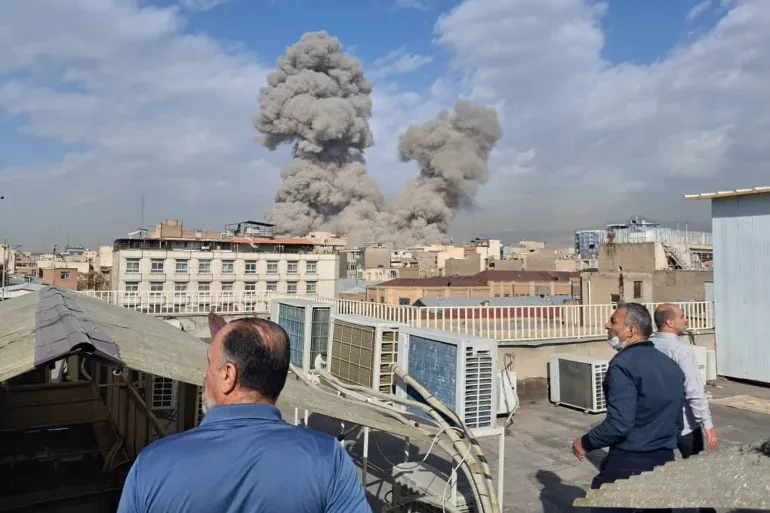
The UAE reported missile strikes in Abu Dhabi and Dubai, resulting in one death-a civilian of Asian nationality whose identity has not been disclosed. Condemning the attacks as a “serious violation of national sovereignty and international law,” the UAE emphasized its commitment to protecting residents and citizens. The Nepali Embassy in the UAE advised the community to avoid unnecessary travel, remain vigilant, and adhere to local security guidance.
In Qatar, an explosion struck a building housing migrant workers in Varwa City, though no casualties have been confirmed. Qatari authorities warned that attacks on its territory constitute a “direct assault on national security” and stressed that Tehran’s actions could threaten the stability of the entire Gulf region.
As Iran-US tensions intensify, the situation underscores the vulnerability of millions of migrant workers caught in geopolitical conflict and raises urgent questions about the Gulf’s security and the safety of its expatriate communities.