Kathmandu
Thursday, January 8, 2026





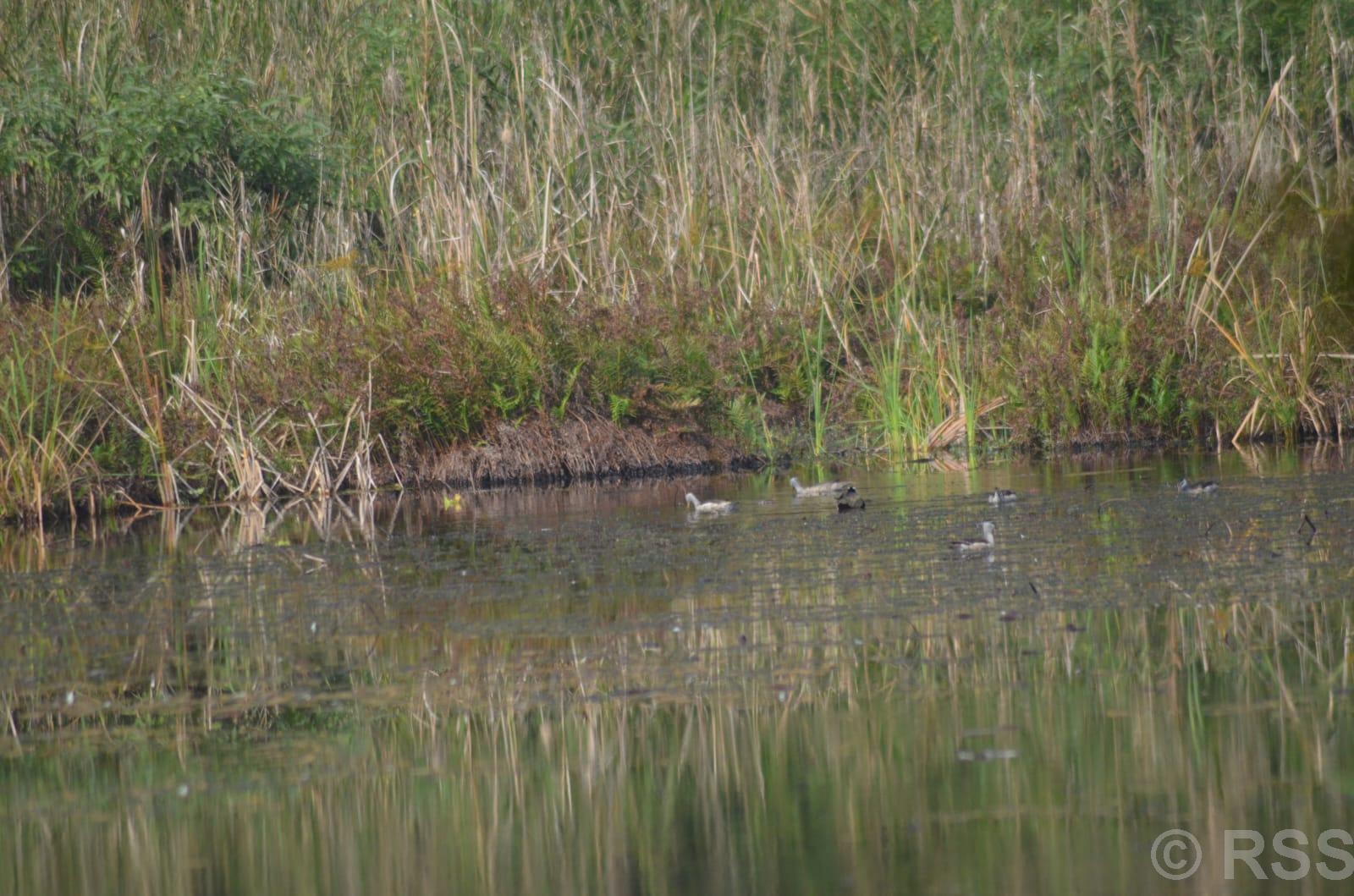
KAILALI: The number of Hari Hans (cotton pygmy – goose) has increased in the Ghodaghodi wetlands which is the first bird sanctuary of Nepal.
A team from the Bird Conservation Network Kailali had conducted a bird census in Ghodaghodi from January 3 to 5. The Network Kailali’s Secretary Ram Kumar Chaudhary said that the population of cotton pygmy – goose has gone up in Ghodaghodi this time. cotton pygmy – goose is considered the indicative species of this wetland.
Bird census is conducted in Ghodaghodi wetlands twice a year – in winter and summer, and according to this schedule, the bird counting was carried out this year as well.
Three hundred and ninety-four cotton pygmy – goose were counted in this bird sanctuary in 2022. Their number decreased to 316 in 2023 while it went up to 411 in 2024. It again dropped to 372 in 2025.
According to Chaudhary, the number of cotton pygmy – goose has increased to 429 this year.
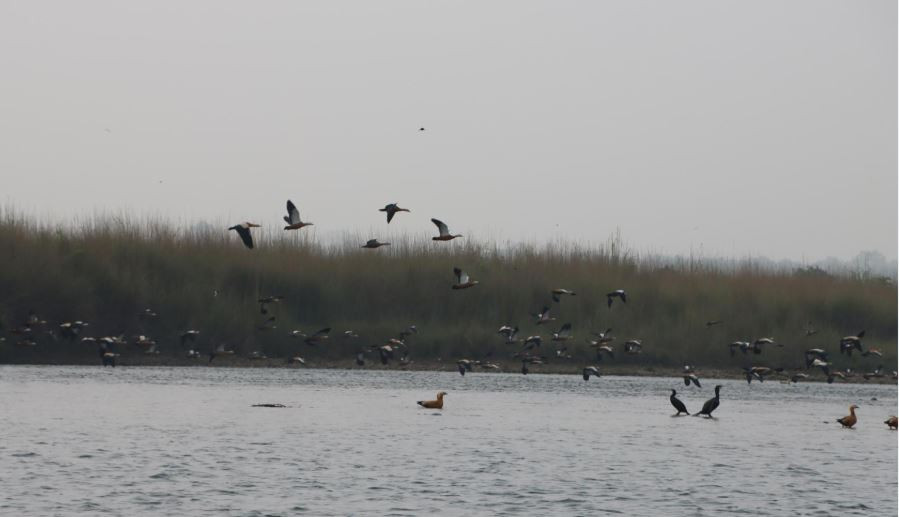
Although the number of the cotton pygmy – goose has increased, the number of other water birds has decreased in Ghodaghodi.
The bird census conducted in 2022 counted 1,685 birds while this number decreased to 1,221 in 2023. It increased to 1,437 in 2024. The number of aquatic birds in Ghodaghodi wetlands was 1,316 in 2025 and it has gone down to 1,168 this year, Bird Conservation Network Kailali’s President Dayaram Chaudhary said.
There are 24 small and big lakes in Ghodaghodi wetland region. The Ghodaghodi Lake is the largest natural water lake in the Tarai region of the country. Ghodaghodi and Nakarod lakes are considered the most suitable habitat of water birds.
Network Kailali President Chaudhary stated that previously the population of aquatic birds in Ghodaghodi was around 2,022 and it has decreased to about 1,100 in recent days.
According to him, the number of aquatic birds is decreasing in Ghodaghodi due to the depletion in their habitat, it becoming unsafe and the decrease in bird food.
The Sudurpaschim provincial government declared Ghodaghodi as the country’s first bird sanctuary on March 11, 2022, recognizing that this wetland was an important habitat for native and migratory birds.
Birds of 381 species are found in and around Ghodaghodi wetlands.