Kathmandu
Saturday, June 6, 2026






KATHMANDU: Nepal News presents today’s snapshot of Nepal’s economic activities. Get quick updates on major market movements, policy shifts, and financial developments shaping the economy of Nepal. Here are the key economic highlights for today:
Funding Gap Looms as Gen Z Protest Damage Tops Rs 84 Billion
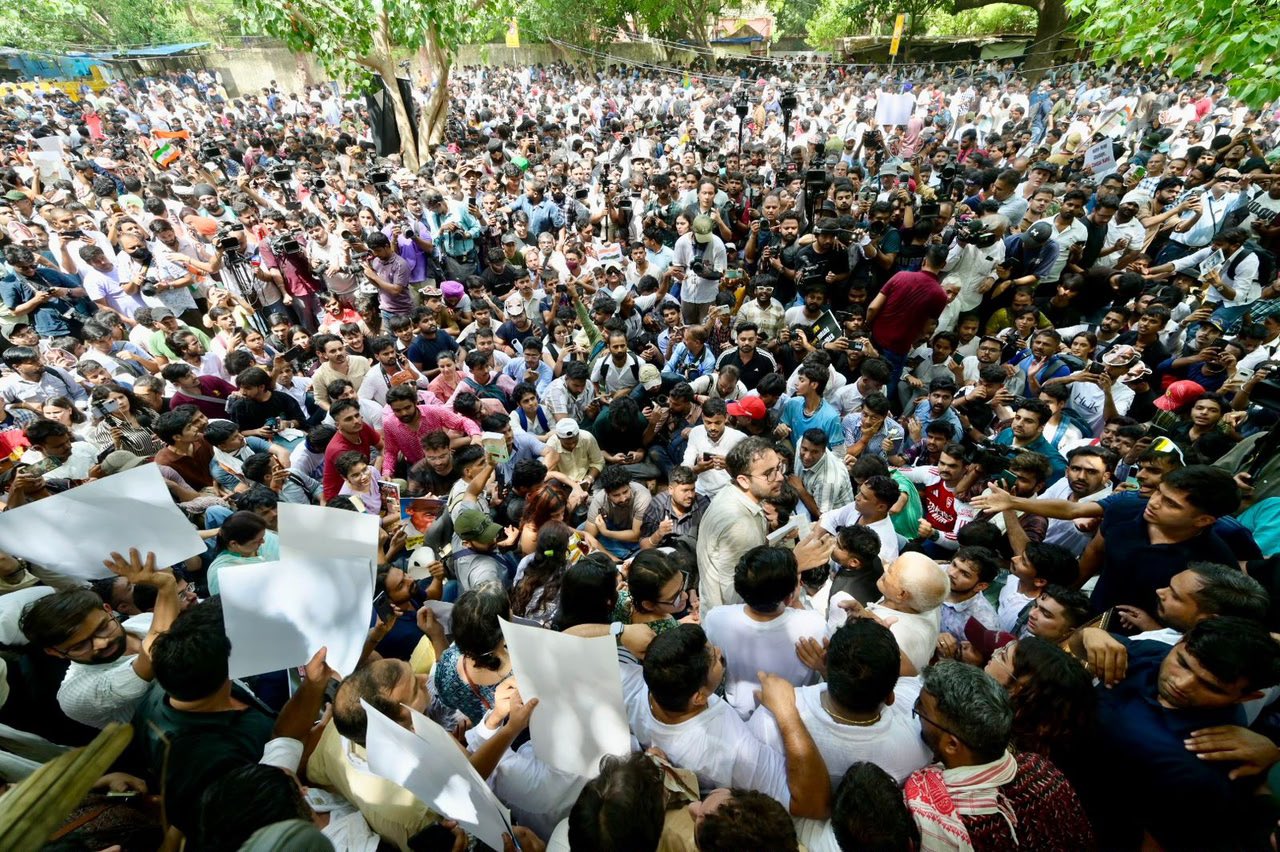
The Ministry of Finance plans to spend Rs 4.34 billion this fiscal year to repair infrastructure damaged during the Gen Z protest. A report by the National Planning Commission estimates total physical property damage at Rs 84.457 billion, with public sector losses reaching Rs 44.937 billion. Over the next two years, the federal government anticipates spending Rs 10.18 billion annually on reconstruction. To bridge the funding gap, the ministry is seeking contributions from development partners and the Non-Resident Nepali (NRN) community while cutting costs on smaller projects.
Election Spending to Cross Rs 150 Billion
As the House of Representatives election approaches on March 5, economic activity is expected to reach Rs 150 billion. The government has managed Rs 30 billion for the polls, with Rs 10.39 billion for the Ministry of Home Affairs, Rs 6.72 billion for the Election Commission, and Rs 1.99 billion for the Ministry of Defense. Studies suggest candidates will spend over Rs 10 billion within official limits, though total informal spending could be much higher. While this provides a short-term boost to hotels, transport, and local businesses, experts warn of potential inflation and a temporary halt in long-term capital development.
Political Parties Pledge Energy Growth in Election Manifestos
Major political parties have identified energy as the backbone of national prosperity in their commitments for the March 5 election. The Rastriya Prajatantra Party proposed declaring the next decade as the Energy Production Decade, aiming for 28,500 megawatts by 2035. Similarly, the Ujyalo Nepal Party, led by Kulman Ghising, targets 12,000 megawatts by 2030 and 40,000 megawatts by 2045. They pledged to provide 1,000 shares of hydropower projects to every household and establish a People’s Hydropower Fund using 20% of project revenues to fund education, health, and employment initiatives, moving Nepal toward a carbon-neutral status.
Aviation Fuel Services Launch at Bharatpur Airport
The Nepal Oil Corporation Limited (NOC) officially launched aircraft refueling services at Bharatpur Airport on Wednesday. Executive Director Chandika Prasad Bhatta stated that the facility addresses the increasing flight frequency and passenger demand. The NOC established two refueling counters capable of providing 22,000 liters of fuel daily. Previously, aircraft had to carry extra fuel from Kathmandu, limiting passenger capacity. With six staff members deployed from the Sinamangal office, the new service allows airlines like Buddha Air to carry more passengers on flights between Bharatpur, Kathmandu, and Pokhara, enhancing regional air travel efficiency.
TIA Records Over 750K Monthly Passengers
Tribhuvan International Airport (TIA) served 750,183 passengers in January, marking a significant increase from previous years. The TIA office reported 2,949 international and 6,809 domestic flights during the month. Specifically, 431,635 travelers used international services, while 318,548 flew on domestic routes. Currently, 29 international and 20 domestic airlines, including helicopters, operate at the airport. Among domestic carriers, the Nepal Airlines Corporation (NAC) carried 54,358 passengers, followed by Himalaya Airlines with 35,054 and Buddha Air with 2,834 on its international routes to India. The data reflects a steady recovery and growth in Nepal’s aviation sector compared to 2024 and 2025.
21 Depositors Claim Rs 11.21 Billion Embezzled by Cooperative
The Golden Times Saving and Credit Cooperative in Kamalpokhari allegedly defrauded 21 depositors of Rs 11.215 billion. Victims filed eight police complaints against the board of directors and management. Authorities arrested Chairman Rajendra Singh and Treasurer Amrita Bhattarai, while warrants are out for five others, including Executive Director Mamta Kumari Shivhare. The accused reportedly embezzled funds before closing the office and fleeing. Prosecutors are seeking up to 7 years in prison and fines of Rs 70,000 for those involved in the misappropriation of public savings.
Electricity Commission Researches Realistic Hydropower Costs
The Electricity Regulatory Commission is conducting a study to determine realistic construction and operational costs for hydropower projects. Led by Chairman Ram Prasad Dhital, the study covers run-of-river, peaking, and reservoir-type projects across the Koshi, Gandaki, and Karnali basins. The commission requested data from 484 private companies to establish a reference cost. This initiative aims to standardize Power Purchase Agreement (PPA) rates and prevent cost manipulation, where some projects claim costs as high as Rs 450 million per megawatt. The findings will help investors and banks identify profitable projects and ensure transparent ownership transfers to the government after contract periods end.
Department Seizes 400 KG of Low-Quality Glucose
The Department of Food Technology and Quality Control halted operations at LG Glucose Packaging Industry in Chandragiri after finding 400 kilograms of low-quality glucose. The industry had been operating without government permission. Additionally, inspections at Darbar Cafe and Restaurant and Shiva Shankar Sweet and Chaat revealed severe hygiene violations, including the use of inedible artificial colors and ink-laden paper for food wrapping. Spokesperson Dr Balkumari Sharma warned that violating the Food Safety and Quality Act, 2024, carries fines up to Rs 500,000 and five years in prison. Authorities destroyed contaminated food and issued warnings to improve sanitation.
Nepal Simplifies Foreign Investment Via Automatic Route
The Ministry of Industry, Commerce, and Supplies updated the Foreign Investment and Technology Transfer Act, 2019, to introduce an automatic route for approvals. Under the new regulations, there is no maximum limit for foreign investment in specified industries. Notably, for information technology-based industries, the government removed the minimum investment threshold entirely. This policy aims to reduce administrative hurdles and attract small- to medium-sized global investors into sectors like innovation, startups, and service industries. Officials believe the streamlined process will significantly decrease the time required for foreign companies to begin operations within the country.
Karnali Province Spends Only 16.14% of Total Budget
The Karnali Province government spent only 16.14% of its Rs 32.996 billion budget by mid-February. Provincial Accounts Controller Ratna Subedi reported that only Rs 5.324 billion was utilized, leaving Rs 27.67 billion unspent. Capital expenditure for development projects is particularly low at 9.44%, totaling Rs 1.88 billion. Despite instructions from Chief Minister Yamlal Kandel, procedural delays and the Gen Z protest have slowed progress. While administrative spending rose to 27.24%, the opposition Nepali Communist Party criticized the government for failing to implement development policies effectively.
Mechi Customs Office Collects Nearly Rs 10 Billion
The Mechi Customs Office in Jhapa collected Rs 9.922 billion in revenue during the first seven months of the current fiscal year. Information Officer Ishwar Kumar Humagain noted that while the overall target was Rs 10.552 billion, performance spiked in mid-January/mid-February. During that single month, the office collected Rs 1.513 billion, exceeding its monthly goal by 102.34%. The government aims to collect a total of Rs 18.877 billion from this office by the end of the fiscal year.
Suryabinayak-Dhulikhel Road Expansion Faces Rs 2 Billion Deficit
The Suryabinayak-Dhulikhel Road Project is facing a budget shortage, threatening the completion of the 15.8-kilometer expansion. Project Engineer Bishnu Prasad Khanal stated that while Rs 700 million was allocated this year, an additional Rs 2 billion is needed to pay contractors and finish blacktopping by July 16, 2025. The Suryabinayak-Sanga section is 48% complete under a Rs 3.889 billion contract, while the Sanga-Dhulikhel segment has reached 65% progress. Although the Ministry of Finance promised that work would not stop due to funds, delays in bridge construction remain a concern as designs for two major bridges are still being revised.
Gold Price Increases by Rs 4,300 Per Tola Today
The price of gold increased in the market on Thursday. According to the Federation of Nepal Gold and Silver Dealers’ Association, the price of gold has increased by Rs 4,300 per tola (11.66 grams) today and is being traded at Rs 304,700. Previously, on Wednesday, the price of gold had decreased by Rs 1,500 per tola and was traded at Rs 300,400. Similarly, the price of silver has also increased today. According to the Federation, the price of silver has increased by Rs 180 per tola and is being traded at Rs 5,060 per tola today. Previously, on Wednesday, silver was traded at Rs 4,880 per tola.