Kathmandu
Sunday, July 26, 2026





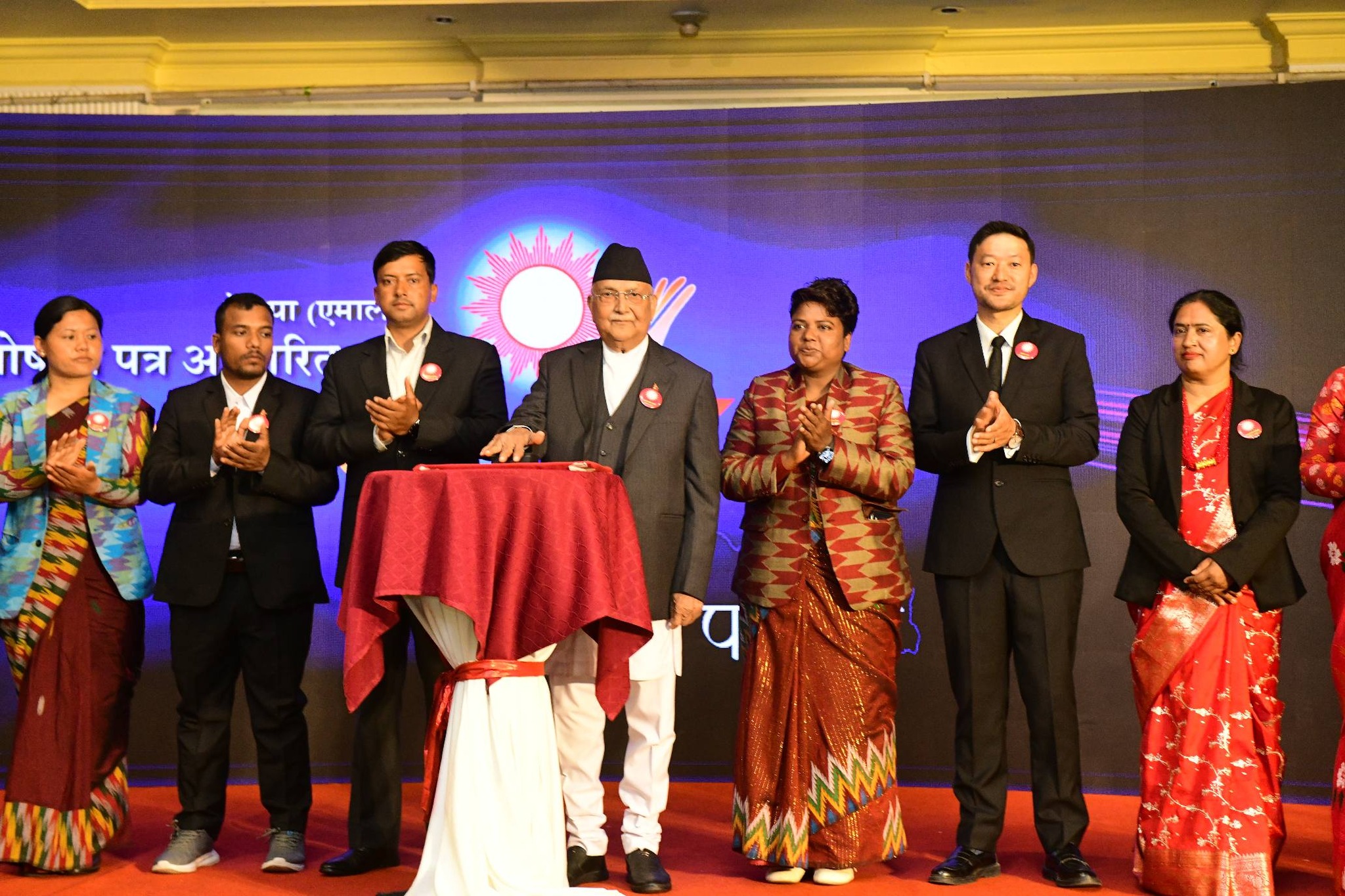
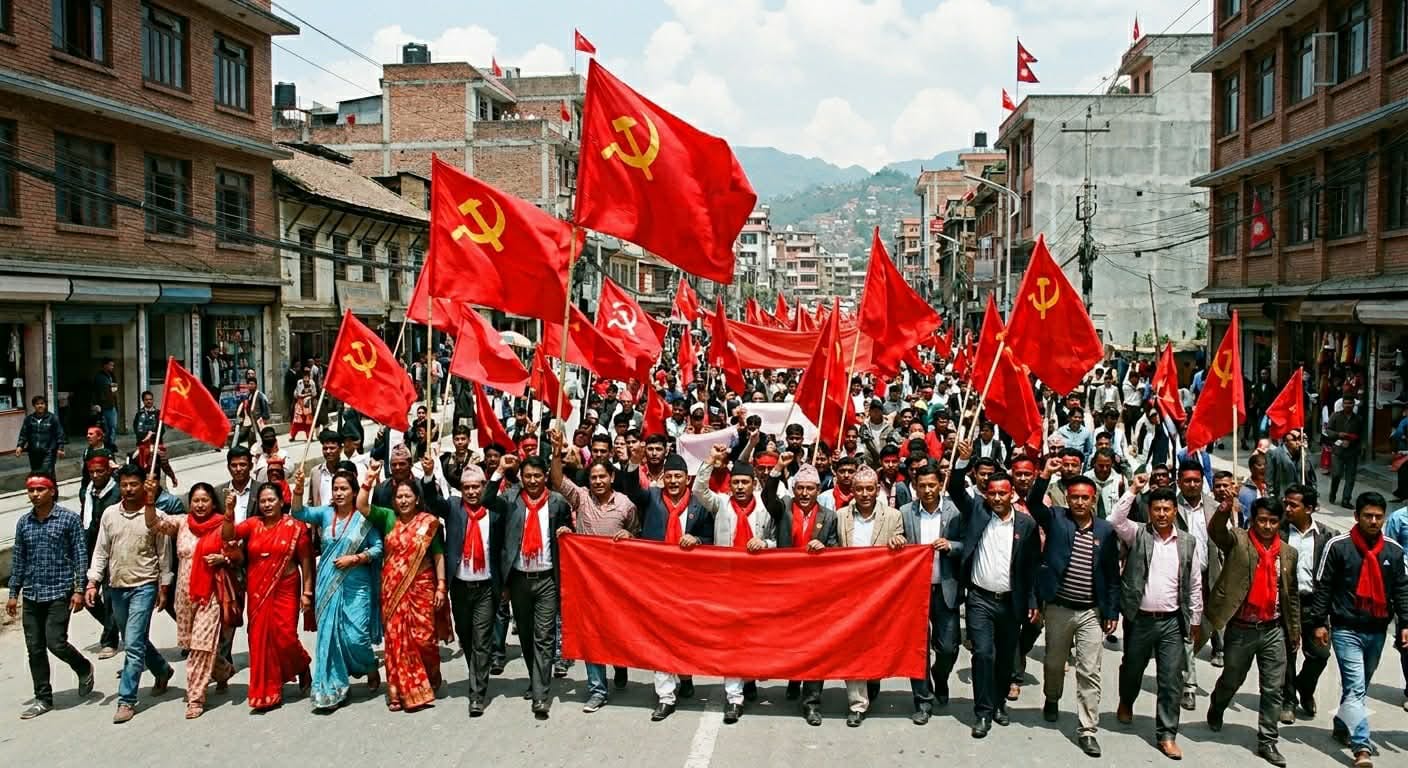
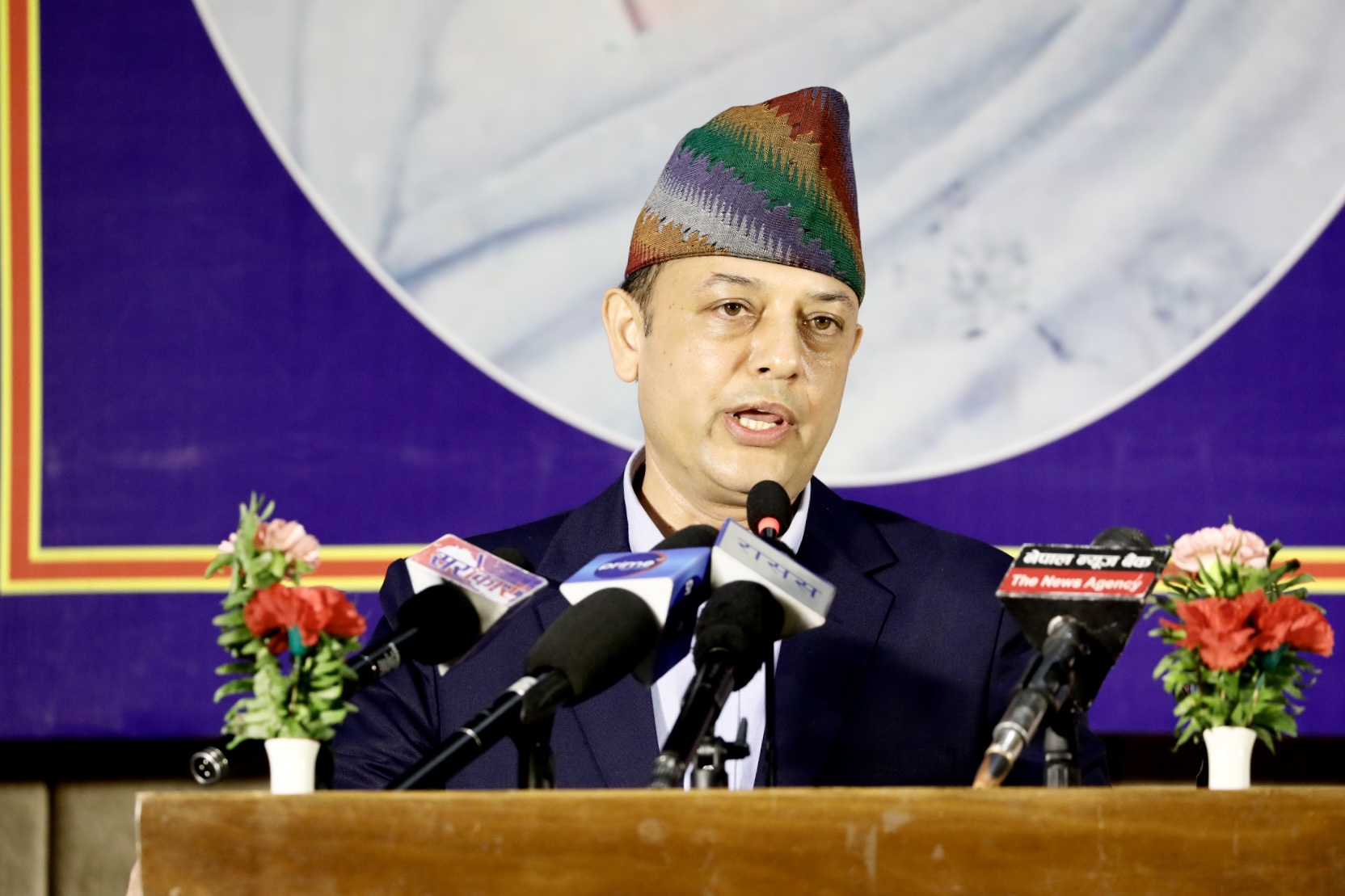
KATHMANDU: As Nepal’s House of Representatives elections on 5 March approach, political parties are rolling out their manifestos. The Communist Party of Nepal (Unified Marxist–Leninist) unveiled its 80-page manifesto with fanfare at a five-star hotel in Kathmandu, presenting ambitious pledges for economic growth, social welfare, and generational reconciliation, even as questions linger over the feasibility of its promises.
Nepal News delves into CPN (UML)’s 80-page manifesto, where the first 38 pages reflect on civil discontent. While the party criticized the Gen-Z revolution, it criticizes the arson, vandalism, and attacks during the September 08–09 protests, mocks newer parties, praises post-1991 developments, and positions itself as a driver of national progress.
The manifesto claims that after September 09, uncertainty has clouded the nation, independence has been challenged, and morale has dipped—yet it sidesteps voter questions, responding instead with rhetorical “Whataboutery.” Despite this, UML accepts responsibility for rebuilding key state institutions, including the Supreme Court, and restoring business confidence. It frames this election as a referendum between generations, promising inclusive politics for both young and old.
The manifesto lays out 5 fundamental development goals, 11 immediate tasks for the Council of Ministers, and 25 “pillars of prosperity.” Populist measures, such as waiving Rs25,000 loans for low-income families and providing Rs5,000 annual bonuses to migrant workers, aim for quick voter appeal but may have long-term economic risks. Ambitious targets include doubling Nepal’s economy-from Rs50 trillion to Rs100 trillion in five years, then Rs200 trillion in a decade-and creating 500,000 jobs annually, echoing promises from the 2022 manifesto that remain largely unmet.
Distinct from leftist skepticism toward foreign investment, UML plans to attract global capital and position Nepal as a logistics hub. Other initiatives include $10,000 “youth entrepreneur cards,” free sanitary pads for schoolgirls, interest-free loans for technical education, agricultural modernization, export promotion, labor diplomacy expansion, sports development, and anti-corruption reforms. Minimum wages would rise to Rs25,000, while social welfare would expand through child nutrition allowances, free maternal insurance, and doubled health subsidies.
In essence, the UML manifesto blends old promises, populist schemes, and bold economic ambitions. How voters-especially a politically awakened Gen-Z-respond will become clear on March 05,2026 House of Representative elections. Here is everything you need to know about the UML’s election manifesto:
What does the UML manifesto propose for Nepal’s economic growth and development ?
The UML manifesto presents a highly ambitious economic roadmap for Nepal, aiming to fundamentally transform the country’s economy over the next decade. Central to this vision is the plan to expand Nepal’s GDP from around Rs. 61.7 trillion today to Rs. 100 trillion within five years, and to Rs. 200 trillion within ten years, targeting an average annual growth rate of 7–9%. For comparison, Nepal’s economy has historically grown at just over 4% per year, making these goals extremely challenging. Achieving them would require substantial expansion in productive sectors, industrial output, infrastructure investment, and private-sector engagement.
The manifesto also sets a target to increase per capita income from approximately USD 1,456 to USD 3,000 within five years, which would more than double current levels. This would necessitate not only rapid GDP growth but also broad-based gains across agriculture, industry, energy, tourism, and services.
To drive these results, UML identifies ten priority sectors as the main engines of growth: agriculture, energy, industry, tourism, physical and urban infrastructure, housing, information technology and artificial intelligence, irrigation, and forestry/environmental management. The party emphasizes modernizing agriculture, expanding electricity generation, increasing industrial and mineral output, and developing infrastructure and digital services to stimulate domestic production and reduce import dependence.
Investment and capital mobilization are central to UML’s plan. The manifesto promises to channel financial-sector capital into productive sectors, strengthen capital markets, attract domestic and foreign investment, and limit public borrowing strictly to national priority projects, maintaining debt at sustainable levels. The private sector is framed as the primary driver of growth, with targeted interventions across the ten core sectors to accelerate production, create jobs, and support sustained economic expansion.
Infrastructure development is another key component. UML commits to completing east–west electric railways within ten years, major highways such as Pushpalal, Madan Bhandari, and Hulaki within five years, and ensuring timely delivery of the Kathmandu–Terai fast-track road. These projects are intended to improve connectivity, reduce logistical costs, and facilitate industrial and commercial activity.
Overall, the UML manifesto offers a visionary and aggressive economic blueprint, combining structural reforms, sectoral modernization, investment mobilization, and infrastructure expansion. Its success would depend on achieving unprecedented growth rates, mobilizing investment, boosting domestic production, and effectively managing public resources. While the targets could significantly improve Nepal’s economic position, current slow growth and limited productive capacity make these goals extremely ambitious and challenging to realize.
How does the CPN (UML) manifesto plan to boost the industrial sector?
The CPN-UML manifesto lays out an ambitious vision to expand Nepal’s industrial sector and strengthen its contribution to the national economy, targeting an industrial share of nearly 20% of total GDP. Recognizing the transformative potential of production-oriented industries, the party aims to accelerate growth in manufacturing, mining, electricity, water supply, construction, and services, creating a comprehensive ecosystem for economic development.
The party plans to commercialize the Dailekh gas field and Dhauwadi iron mine, marking a step toward productive resource utilization. UML aims to double the contribution of the industrial sector to Nepal’s GDP by expanding productive industries, mining, hydropower, water supply, and construction. To create a stable investment climate, the manifesto promises policy continuity for industry establishment, operation, profits, taxation, customs, and financial services, alongside online “single-window service centers” for all industry-related processes. Each province is expected to have at least one “special economic zone” to encourage industrial activity.
The manifesto emphasizes supporting entrepreneurs, investors, and startups by ensuring confidence, security, and high morale. To enhance industrial competitiveness, the UML plans to establish a dynamic industrial ecosystem, which will integrate innovation, skilled labor, and advanced technologies. At least one Special Economic Zone (SEZ) will be operational in each province, while key SEZs such as Bhairahawa and Simara will operate at full capacity, linked to express highways, uninterrupted 24/7 electricity, and modern digital infrastructure.
The party pledges to maintain policy stability in areas critical to industrial operations, including establishment, operations, profit regulation, taxation, customs, banking, financial services, and industrial incentives. Entrepreneurs will have access to all essential services through a centralized single-window online platform, enabling timely decision-making and reducing bureaucratic delays. The manifesto also highlights the promotion of research, testing, certification, packaging, and branding to enhance the competitiveness and global appeal of industrial outputs.
Special attention is given to attracting domestic small and medium enterprises, traditional industries, IT-based ventures, and startups. Innovation centers, venture capital access, monitoring networks, and digital service platforms are proposed to foster entrepreneurship and support the growth of new businesses.
To strengthen value chains and national production systems, the manifesto commits to enhancing regional and global competitiveness while legally prioritizing domestic products in government procurement. Export-oriented growth will focus on processed agricultural goods, electricity, industrial products, minerals, IT services, and financial services, leveraging strategic trade access to India and China and modernizing ports and customs to expedite logistics.
Through these integrated policies and initiatives, the UML aims not only to raise the industrial contribution to 20% of GDP but also to build a self-reliant, technology-driven, and innovation-oriented economy. By combining infrastructure development, policy stability, and investor-friendly reforms, the party envisions transforming Nepal’s industrial sector into the engine of sustainable economic growth and long-term national prosperity.
How does the CPN (UML) manifesto aim to modernize agriculture and increase income for farmers?
The CPN-UML manifesto envisions transforming traditional agricultural practices into a modern, enterprise-driven system that not only increases production but also creates jobs and ensures adequate income for farmers. The party’s strategy is rooted in the principle of modern, profit-oriented agricultural entrepreneurship, with a strong emphasis on policy and legal reforms to reshape the foundational agricultural framework.
By introducing advanced machinery, modern technology, and improved equipment, the UML aims to enable youth-led agricultural enterprises to operate profitably while contributing to the national economy. Medium- and large-scale farms, livestock, poultry, fishery, and beekeeping operations will benefit from concessional loans, insurance services, and access to public land at favorable lease rates. In addition, forward purchase agreements and support for farm inputs will create a commercial agricultural ecosystem, integrating land, financial resources, and production support.
The manifesto highlights promoting organic fertilizers, pest control, and preservation of local seeds, transforming these into community-managed seed banks. Breeding improvement programs, research initiatives, and training for skilled agricultural technicians will strengthen the human resource base. To support this, UML proposes a systematic framework for agricultural education from foundational schooling to vocational and higher education, ensuring that each ward has at least one trained agricultural technician or lead farmer volunteer to guide local production.
Infrastructure is a central focus: the party promises irrigation, reliable electricity, road connectivity, and timely supply of quality inputs to all farms. Value addition will be prioritized by establishing local agro-processing zones and logistics nodes, enabling farmers to collect, grade, process, and market their produce at fair prices, increasing profitability. Public land will be made available at concessionary rates for large-scale production aimed at domestic and export markets. Free soil testing, certification, branding, and technical assistance will further facilitate export-oriented farming.
Specific attention will be given to high-value crops, including vegetables, fruits, spices, medicinal plants, tea, coffee, and seeds. Export-based incentives will be provided to farmers and agripreneurs producing in large quantities, while staple crops such as rice, wheat, maize, millet, and pulses will receive targeted subsidies to ensure food security. Livestock products—milk, eggs, fish, and meat-will be continuously monitored to maintain quality and consistency. Support for modern livestock, poultry, fishery, and beekeeping enterprises will include both infrastructural grants and production-based incentives.
The manifesto also aims to replace imported food products with domestic production, reinforcing Nepal’s self-reliance in food supply. Furthermore, long-standing issues related to land ownership, landless communities, and marginalized Dalit and underprivileged populations will be addressed to ensure sustainable and equitable access to agricultural resources.
Overall, the UML’s agricultural vision is a holistic approach combining technology, enterprise development, infrastructure, education, research, and policy reforms. By doing so, it aims to make agriculture a profitable and modern sector capable of generating employment, increasing farmer incomes, and contributing significantly to Nepal’s broader economic growth.
What does the UML manifesto propose for healthcare in Nepal?
The UML manifesto places healthcare reform and accessibility at the forefront of its agenda, envisioning a system where all citizens can access free, reliable, and high-quality health services. The party’s plan focuses on strengthening hospital infrastructure at all levels, equipping facilities with modern medical equipment, ensuring service quality, and managing human resources effectively.
A central aspect of the manifesto is addressing the financial and operational challenges of health insurance. UML proposes to integrate health insurance with social health security programs, eliminating duplication, reducing overlapping costs, and streamlining service delivery. By aligning policies, governance, and financial coordination, the party aims to maximize the use of existing resources and ensure that universal healthcare is both sustainable and effective. Structural and operational reforms are planned to expand the insurance portfolio through stable national funding, with clear legal definitions of service responsibilities, packages, and financial arrangements for basic, primary, and comprehensive primary healthcare.
The manifesto also emphasizes integration of traditional and alternative medical systems—including Ayurveda, yoga, meditation, naturopathy, Aamchi, and homeopathy—with modern medicine. UML plans to modernize the health system using technology and artificial intelligence, enhance medical education, and attract international students to Nepal’s health programs. Additionally, the party seeks to promote health tourism and expand government, private, and community partnerships to strengthen the sector.
Institutional reform is another key element. UML intends to transform health institutions into service-oriented, accountable, and well-governed centers, reviewing and abolishing ineffective programs while increasing investment from public, private, and cooperative sources. All investment will be managed with transparency, efficiency, and accountability.
In essence, the UML’s health strategy combines universal access, financial sustainability, technological modernization, integration of traditional medicine, institutional governance, and increased investment. The goal is to create a comprehensive, resilient, and citizen-focused healthcare system that can meet the growing demands of Nepal’s population while improving the overall quality and accessibility of services.
What are the UML manifesto’s key proposals regarding jobs and housing support?
The UML manifesto presents ambitious targets for employment, housing, and financial assistance, aiming to combine economic growth with social infrastructure development.
Employment: The party has pledged to create 500,000 jobs annually, repeating the same target it announced in its 2022 manifesto. However, during its previous 17-month stint in government, only around 30,000 jobs were actually generated each year, including 5,000 in the public sector and 25,000 in the private sector. This historical performance highlights the challenges of achieving the ambitious job creation goal, particularly in the context of Nepal’s current economic capacity.
Housing and Urban Development: UML emphasizes safe and dignified housing for all citizens, with a particular focus on landless individuals, squatters, vulnerable populations, and low-income families. The manifesto proposes providing assistance through concessional loans and establishing a ‘Citizen Housing Fund’ in public-private partnerships to ensure that no citizen is left homeless.
The party envisions integrated settlement development, relocating residents from risk-prone areas to safer locations, and constructing infrastructure-equipped housing. It also outlines a multi-tiered urban-rural development model: villages as centers of production and labor, cities as hubs of capital, technology, and services, and sub-metropolitan and metropolitan areas as financial, industrial, commercial, educational, health, and innovation centers, ultimately evolving into “mega cities.”
In terms of infrastructure, UML plans to develop economic corridors like the Mid-Hill Highway, Koshi-Gandaki-Karnali Corridor, and Postal Highway, expand health, education, skill development, and digital access in villages, implement waste management and green spaces in cities, and construct coordinated utility tunnels for drinking water, sewage, drainage, electricity, and fiber optics. The manifesto also promotes zero-waste zones, tree planting campaigns, riverbank conservation, and the creation of satellite cities for sub-metropolitan areas.
Drinking Water and Sanitation: UML aims to ensure basic drinking water access for all homes within two years, and clean, safe, and reliable water for all citizens within five years. This includes upgrading water supply quality from source to tap, ensuring 24/7 availability, and implementing a GIS mapping system for water management.
How does the CPN (UML) manifesto plan to distribute benefits to citizens?
The CPN-UML manifesto outlines extensive distribution-focused measures to directly benefit citizens across age groups, professions, and regions.
The manifesto proposes waiving loans up to Rs. 25,000 for borrowers identified as poor families by the state, including loans taken up to Bhadra 2082 BS. Additionally, it includes plans to credit Rs. 5,000 annually to Nepalis working abroad. While intended to support migrant workers, critics argue that such measures could inadvertently undermine the dignity of roughly 2.2 million migrant Nepali workers by framing financial assistance as symbolic rather than empowering.
Youth and entrepreneurs aged 18-28 will receive $10,000 bank cards and 10GB of free monthly internet data, while women entrepreneurs can access interest-free loans up to Rs. 2 million. Students pursuing higher or technical education abroad can obtain interest-free loans up to Rs. 2 million along with paid internships, and schoolgirls will receive free sanitary pads while all students up to grade 10 get free meals. New mothers will receive a child nutrition allowance of NPR 25,000, and pregnant women will have free life insurance coverage up to Rs. 500,000. Health volunteers’ annual allowances will be raised to R.s 20,000, and all such personnel will be included in social security programs.
Workers will see their minimum wage rise to Rs. 25,000, with formal social security coverage extended. Migrant workers remitting money officially will receive an annual NPR 5,000 bonus, and low-income families will benefit from loan waivers of up to NPR 25,000 alongside social security enrollment. Victims of troubled cooperatives will have their savings returned through a guarantee fund, while cooperative systems will be fully digitized, professionalized, and connected to national and international markets.
Infrastructure and public services are a key part of the distribution plan: all municipalities will have at least one all-weather road, drinking water will be accessible 24/7 in all households within two years, and irrigation will expand to cover 75% of farmland in five years. Damaged public buildings will be rebuilt within a year. Health insurance systems will be restructured and expanded, ensuring comprehensive coverage for citizens.
What is CPN (UML) ’s vision for Nepal’s foreign relations?
The CPN (UML) manifesto emphasizes that Nepal is a sovereign, independent nation and will maintain foreign relations based on friendship, honesty, and mutual respect. The party commits to preserving cordial and trustworthy relationships with neighboring countries and the wider international community.
The manifesto underscores Nepal’s desire to see a world where justice and peace prevail both domestically and globally. To achieve this, the party pledges to remain proactive in international diplomacy, consistently acting in ways that promote fairness and security.
CPN (UML) clearly states that it does not support military alliances, arms races, or war as tools for peace. The party rejects any notion that conflict or military escalation contributes to the security of humanity or the planet. Instead, it aligns itself firmly with the principles of world justice and global peace, standing on the side of international law and cooperation.
The manifesto declares that Nepal will pursue a foreign policy grounded in independence, neutrality, and commitment to global justice and peace. All diplomatic relations will be conducted with transparency, non-alignment, and respect for the sovereignty of other nations, ensuring that Nepal continues to advance its national interests while contributing constructively to international stability.
What are the 11 tasks that the CPN (UML) manifesto promises to initiate immediately after forming the government?
The UML manifesto lays out 11 priority tasks to be implemented from the first Council of Ministers meeting, combining youth empowerment, education, social welfare, gender equity, labor rights, and support for security personnel. Here’s a detailed breakdown:
What are the 25 pillars outlined in CPN (UML) ’s manifesto?
The CPN (UML) manifesto sets out 25 pillars aimed at comprehensive national transformation, combining economic growth, social welfare, and modern infrastructure. Key pillars include: