Kathmandu
Sunday, June 14, 2026





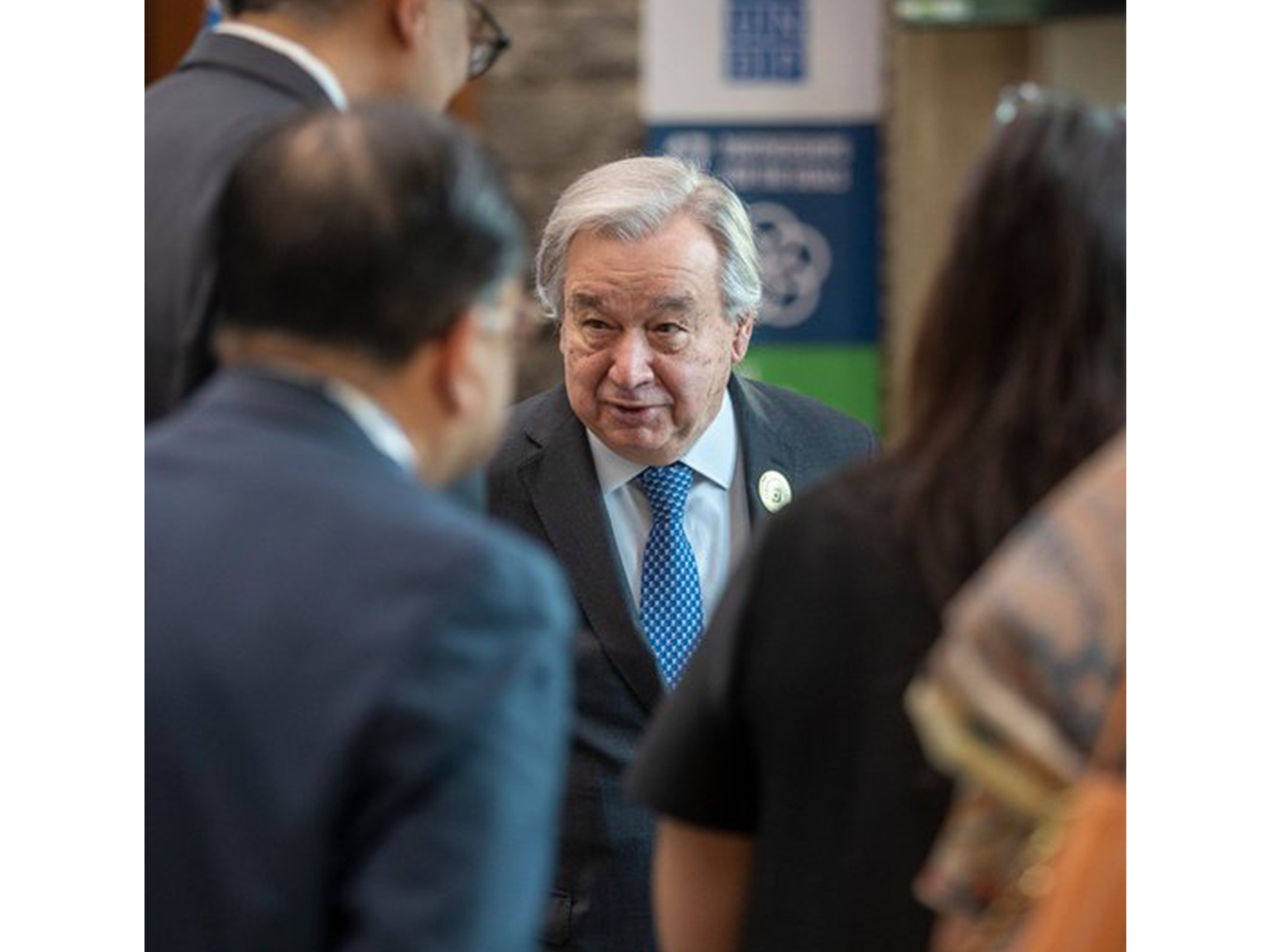
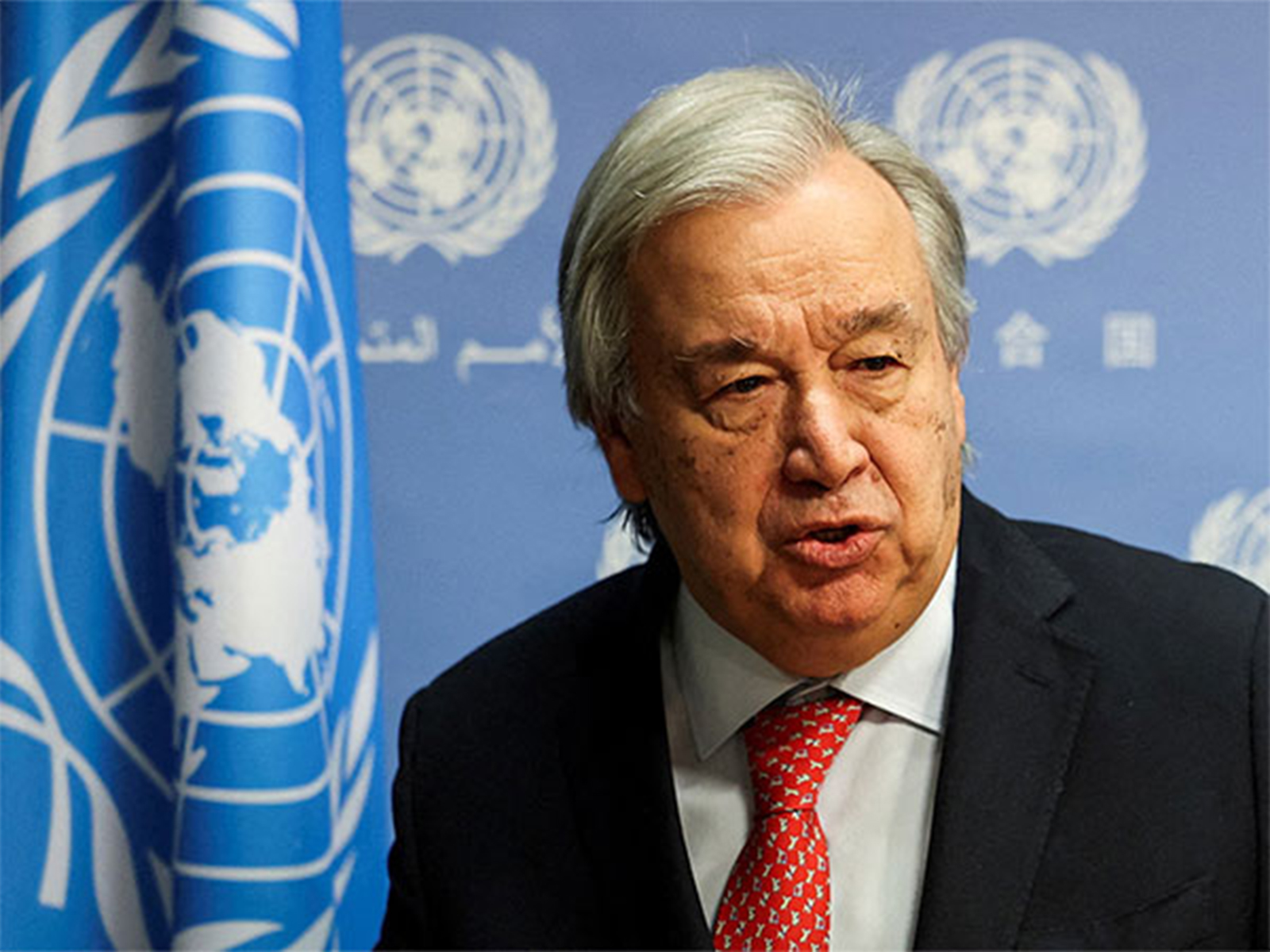
NEW DELHI: United Nations General Secretary Antonio Guterres met with Indian leaders from the renewable energy ecosystem in the national capital while on a visit to India for the AI Impact Summit.
In a post on X, he wrote, “I recently met with leaders from across India’s renewable energy ecosystem, listening to different perspectives from industry, finance, policy & civil society. The message was clear: The clean energy future is within reach – but we need a system-wide transformation to accelerate the transition from fossil fuels.”
During his visit to India, Guterres also held bilateral talks with Prime Narendra Modi in the national capital and also met President Murmu.
Guterres called for utilising Artificial Intelligence for global good and mitigate challenges being faced by humanity. He urged countries to come together and prepare, protect, and invest in people. Today international cooperation is difficult. Trust is strained, and technological rivalry is growing.
He made the remarks while speaking at the Global AI Impact Summit 2026 here in the national capital on the role of science in international AI governance.
“We are barrelling into the unknown. AI innovation is moving at the speed of light, outpacing our collective ability to fully understand it. If we want AI to serve humanity, policy cannot be built on guesswork. It cannot be built on hype or disinformation. We need facts we can trust and share across countries and across sectors. Less noise, more knowledge”, he said.
Guterres highlighted the steps taken by the United Nations around AI noting the recently formed AI Panel.
He said, “The United Nations is building a practical architecture that puts science at the centre of international cooperation on AI. And it starts with the Independent International Scientific Panel on Artificial Intelligence. This panel is designed to help close the AI knowledge gap and assess the real impacts of AI across economies and societies so countries at every level of AI capacity can act with the same clarity. It is fully independent, it is globally diverse, and it is multidisciplinary because AI touches every area of every society. And I’m delighted that the General Assembly of the United Nations confirmed the 40 experts I proposed to Member States. Now the real work begins on a fast track to deliver a first report ahead of the global dialogue on AI governance in July. The panel will provide a shared baseline of analysis, helping member states move from philosophical debates to technical coordination, and anchor choices in evidence.”
He called science-led governance an accelerator for solutions and a way to make progress safer, fairer, and more widely shared.
The India AI Impact Summit had brought together government policymakers, industry AI experts, academicians, technology innovators and civil society from across the world at New Delhi to advance global discussions on artificial intelligence.