Kathmandu
Thursday, June 25, 2026





Oil supply disruptions after US-Israel strikes on Iran trigger fuel price hikes and LPG shortages in Nepal, raising inflation risks and putting pressure on transport, remittance, tourism, and government revenue
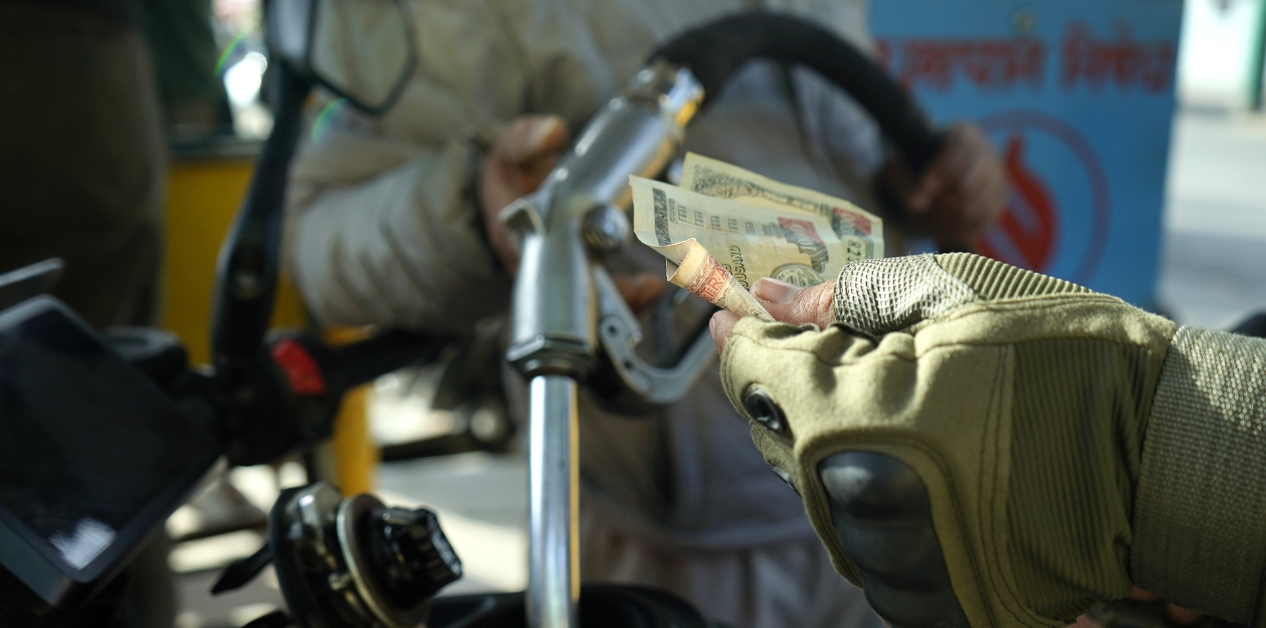
KATHMANDU: The rising price of petroleum products in the global market has begun to directly affect the lives of people in Nepal. Following military actions by the United States and Israel in Iran, disruptions in the fuel supply chain have led to an increase in crude oil prices. Citing higher international fuel prices, Nepal Oil Corporation has increased fuel prices effective Sunday night – petrol by Rs 15 per liter and diesel/kerosene by Rs 10 per liter.
Although Nepal has not yet faced shortages of petrol and diesel after the Iran tensions, there is a severe shortage of cooking gas (LPG). As the government has been unable to supply LPG according to demand, it has instructed distributors to provide half-filled cylinders and maintain records of distribution. Long queues of consumers are seen at depots to purchase LPG.
The rising fuel prices and the struggle to obtain LPG clearly show that the effects of tensions in West Asia (the Gulf region) have already reached Nepal.
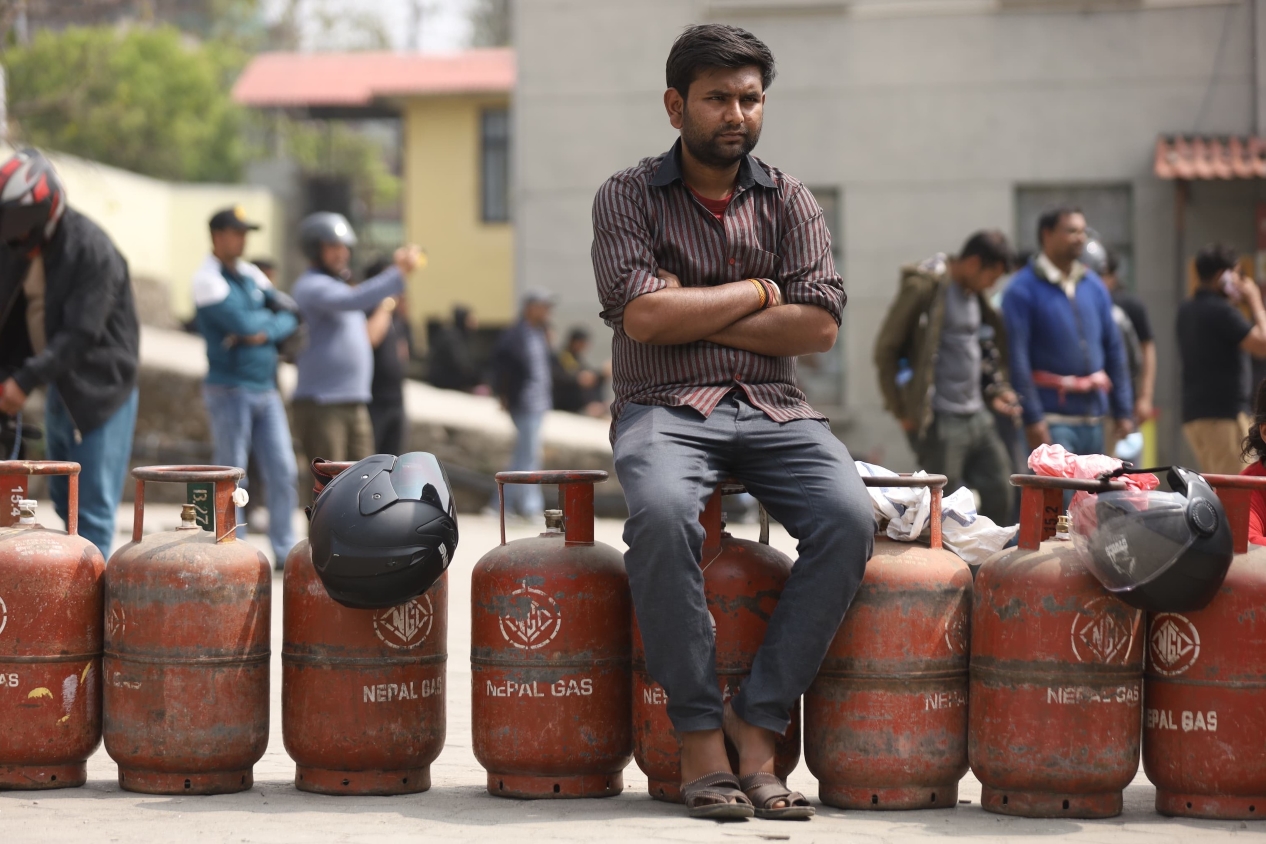
Consumers queue in Teku on March 13 to buy LPG after the Nepal Oil Corporation began selling half-filled LPG cylinders. Photo: Nepal Photo Library.
Nepal imports all its fuel from India. After the US and Israeli attacks, Iran has blocked the Strait of Hormuz, a crucial maritime route through which 20 to 30 percent of the world’s fuel supply is transported. India also imports fuel via this route. As imports have been affected, the Indian government itself has been unable to meet domestic LPG demand. Since household consumers are being prioritized, industries, hotels, and restaurants may face shortages. If the Iran conflict drags on and the fuel supply route remains blocked, Nepal’s economy could face even more severe consequences.
If the Iran conflict drags on and the fuel supply route remains blocked, Nepal’s economy could face even more severe consequences.
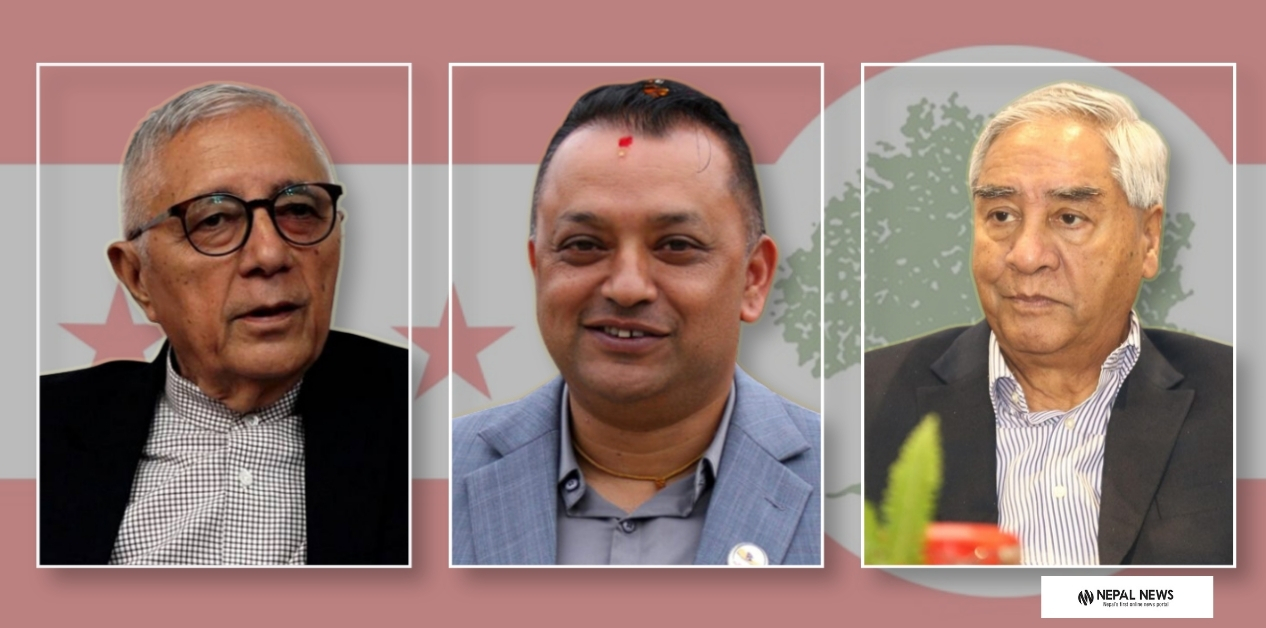
Former vice chairman of the National Planning Commission, Min Bahadur Shrestha, says that if West Asian countries remain affected for a long time, Nepal’s economy could face a major crisis. “The increase in fuel prices raises inflation. To avoid such a crisis, the government must prepare effectively immediately,” he says. “The government should provide relief to low-income groups to protect them from the impact of price hikes.”
Multi-dimensional impact
Petroleum products make up the largest share of Nepal’s total foreign trade. According to the Department of Customs, in the first seven months (mid-July 2025 to mid-February 2026) of the current fiscal year 2025/26, Nepal spent Rs 139.10 billion on imports of petrol, diesel, and LPG. Of this, Rs 69.91 billion was spent on diesel, Rs 38.13 billion on petrol, and Rs 31.85 billion on LPG. As fuel prices rise, Nepal must pay more, further widening the trade deficit.
Spending large amounts on fuel imports also directly impacts the country’s balance of payments (the difference between money flowing into and out of the country) and foreign exchange reserves, since fuel imports must be paid in foreign currency.
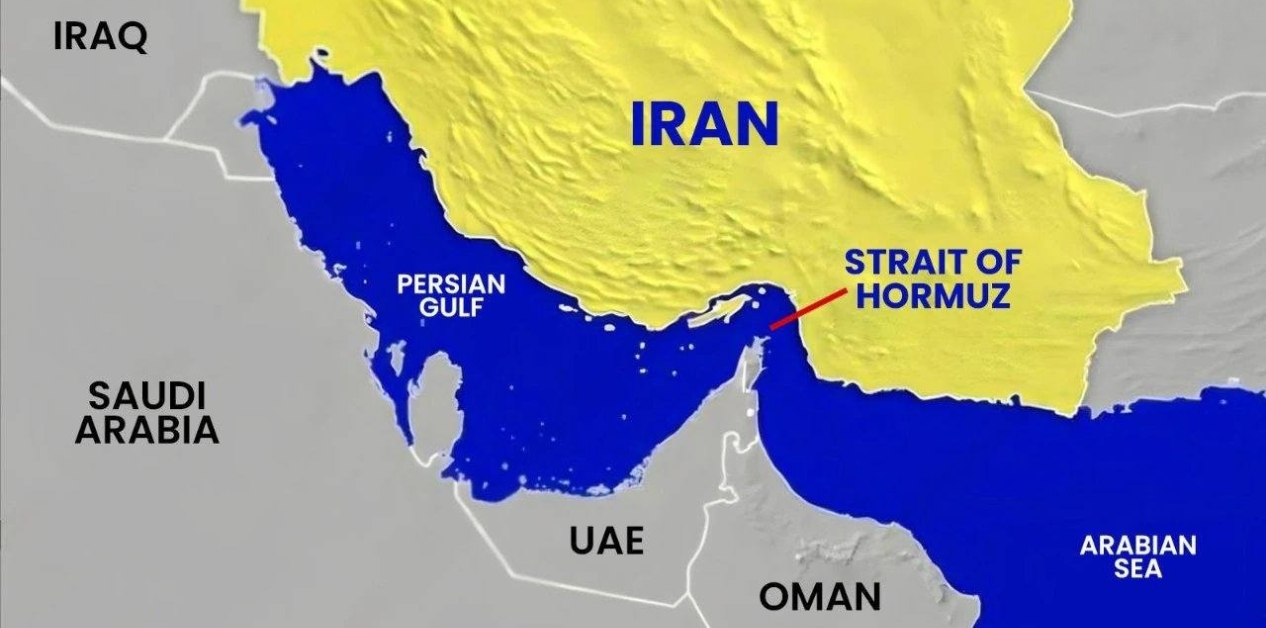
The Strait of Hormuz, a maritime route through which 20 to 30 percent of the world’s fuel supply is transported.
In recent months, the Nepali rupee has weakened against the US dollar. According to the exchange rate published by Nepal Rastra Bank on Monday (March 16), one US dollar equals Rs 147.94. With such an unfavorable exchange rate, Nepal must spend even more to import expensive fuel.
On the other hand, the increase in fuel prices by Nepal Oil Corporation has an immediate impact on the transport sector. Following the price hike on Sunday night, the Federation of Nepalese National Transport Entrepreneurs (FNNTE) has already issued a statement demanding fare adjustments. When public transport fares rise and freight costs increase, the prices of daily consumer goods in the market also surge, directly affecting household kitchens.
The obstruction of the Strait of Hormuz, which is considered one of the most critical global fuel supply routes, has caused fuel prices to rise worldwide. In the international market, crude oil prices have reached USD 105.87 per barrel as of March 16.
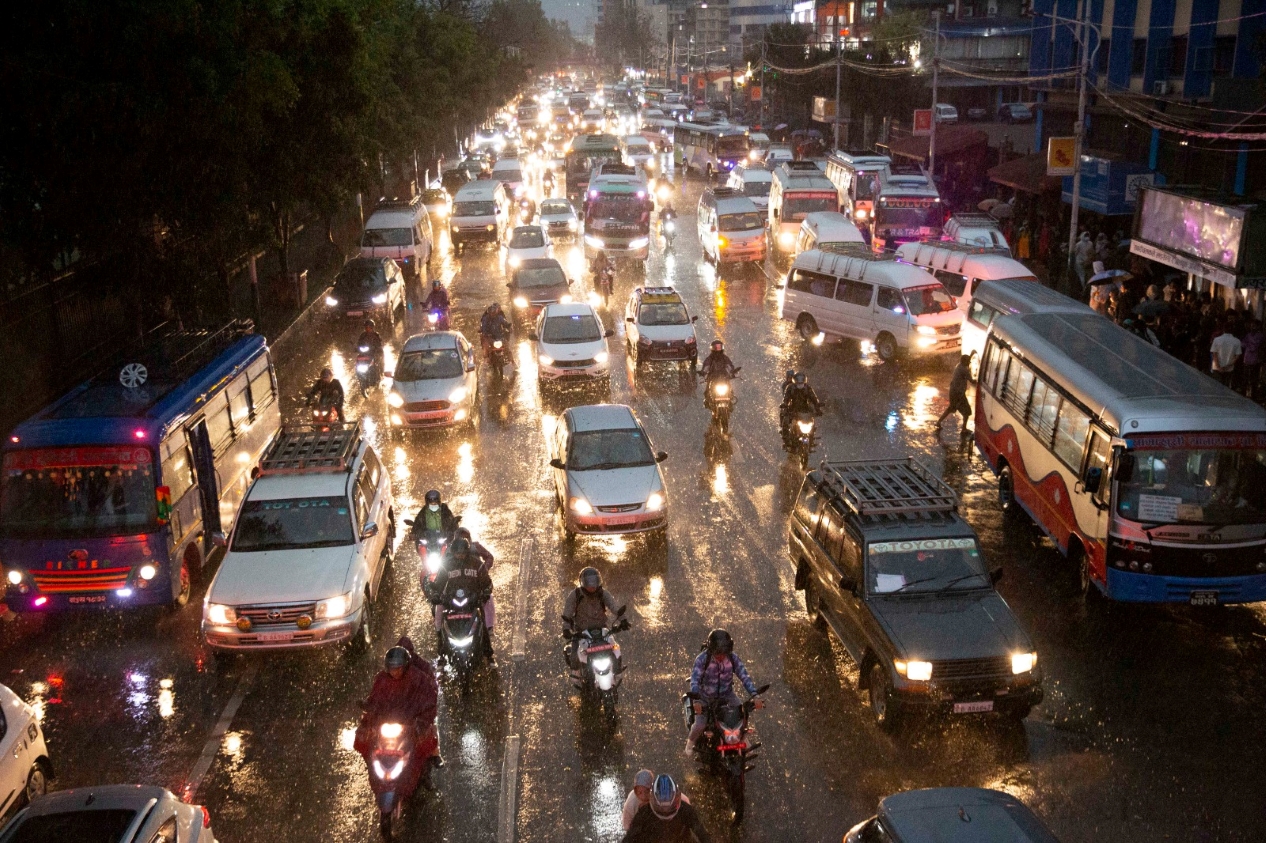
Vehicles moving on the road in front of Kathmandu Mall. Photo: Nepal Photo Library.
Economist and former executive director of Nepal Rastra Bank, Gunakar Bhatta, says that a sharp rise in fuel prices increases inflation. Inflation means a decrease in the purchasing power of money while the prices of goods rise disproportionately. He says, “A 25 percent increase in fuel prices leads to a 1 percent rise in inflation. If tensions between the US and Iran persist, it will further fuel inflation.”
As prices of goods rise and the value of money declines, low-income groups are the most affected. Nepal’s market and economy are already heavily import-dependent. Accordingly, the country spends a significant portion of its income on imported goods. According to the Nepal Living Standards Survey 2022/23, citizens spend 52 percent of their total income on consumption. Rising inflation increases the cost of living.
Former vice chairman of the National Planning Commission (NPC), Dipendra Bahadur Kshetri, says that if military actions targeting Iran continue for a long time, Nepali workers in Gulf countries could lose their jobs, leading to severe economic consequences.
Continuous increases in fuel prices create a “chain effect” in the economy, impacting multiple sectors simultaneously. Economist Keshav Acharya says, “The crisis in Gulf countries can affect everything, from the national economy to household stoves. Limited fuel supply, higher prices, and the resulting inflation impose an additional financial burden on citizens.”
President of the Nepal Truck Transport Entrepreneurs Federation, Rajendra Bikram Baniya, says that the increase in fuel prices will negatively affect not only the transport sector but overall daily life. “Previously, a written agreement was reached between the Department of Transport Management and the Federation stating that transport fares should be adjusted when petroleum prices fluctuate by five rupees per liter. Accordingly, fares must now be adjusted,” he says. He adds that if transport fares are not adjusted in line with rising fuel prices, truck operators will not be able to continue their business under the old rates.
Impact on remittance and tourism
Remittance is the backbone of Nepal’s economy. Each year, remittance contributes about 25 percent of Nepal’s GDP. According to Nepal Rastra Bank data, around 42 percent of total remittance comes from Gulf countries alone.
After the US and Israel attacks, Iran has been carrying out retaliatory strikes on military bases of the US and other countries in the Gulf region. This could affect employment opportunities for Nepali workers in countries like the UAE, Qatar, Saudi Arabia, Kuwait, and Bahrain. Such impacts could weaken foreign employment – the main pillar of Nepal’s economy – and reduce remittance inflows.
According to central bank data, Rs 1.261 trillion in remittance entered Nepal in the first seven months (mid-July 2025 to mid-February 2026) of the current fiscal year 2025/26. In the Nepali month of Magh (mid-January to mid-February 2026) alone, Rs 198.08 billion was received.
Former vice chairman of the National Planning Commission (NPC), Dipendra Bahadur Kshetri, says that if military actions targeting Iran continue for a long time, Nepali workers in Gulf countries could lose their jobs, leading to severe economic consequences.
If Gulf countries are affected by the ongoing war, the number of tourists visiting Nepal is also likely to decline. The United States is the third-largest source of tourists to Nepal. According to Nepal Tourism Board data, 7,515 tourists arrived from the US in February 2026 alone.
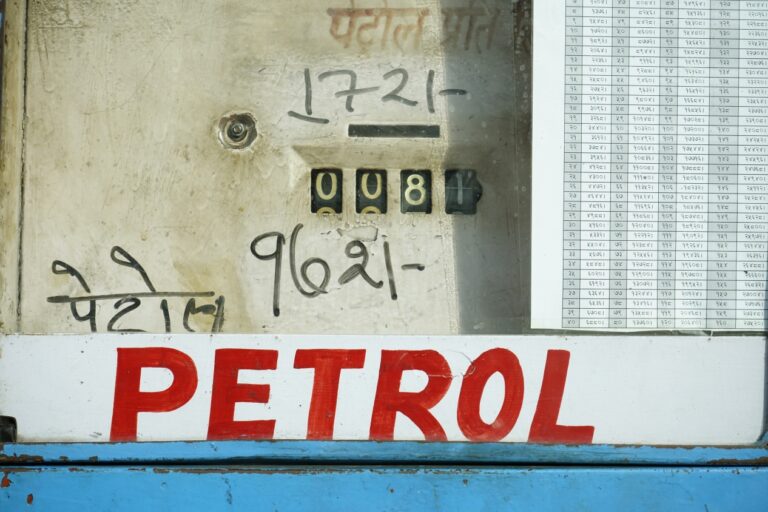
Petrol prices in Kathmandu have reached Rs 172 per liter. Photo: Bikram Rai.
Most of these tourists travel to Nepal via transit airports in the UAE and Qatar. However, major airports in these countries have been affected after Iran’s attacks on military bases in the region. Additionally, about two percent of tourists visiting Nepal come from Gulf countries.
Rising fuel prices also increase airfare and hotel costs. This raises overall travel expenses, leading tourists to reduce or cancel trips. This directly impacts Nepal’s tourism industry.
Economist Acharya says, “The current crisis can directly affect tourist arrivals, which in turn impacts Nepal’s tourism sector and the people dependent on it.”
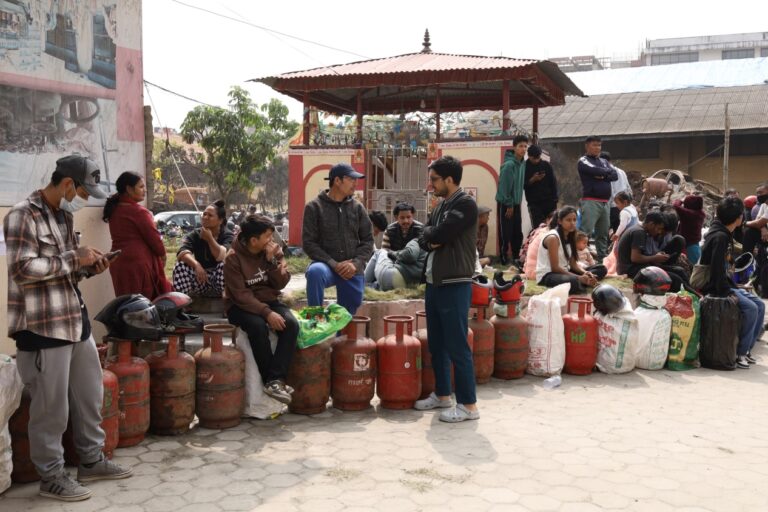
Crowds of consumers in Teku, Kathmandu, after the Nepal Oil Corporation began selling half-filled LPG cylinders. Photo: Nepal Photo Library.
Economist Bhatta explains that rising fuel prices also affect construction materials. “The cost of construction materials increases, and transportation becomes more expensive. As a result, materials do not arrive on time, which delays development projects. Overall, this directly affects the country’s economic growth,” he says.
Pressure on government revenue
The government’s primary source of income is tax collected from imported goods. When production and transportation costs rise, goods become more expensive, reducing consumption. Lower consumption leads to reduced imports, which directly affects government revenue.
Even under normal conditions, the government has struggled to meet its revenue targets. According to the Ministry of Finance, in the first eight months (mid-July 2025 to mid-March 2026) of the current fiscal year, Rs 751.86 billion in revenue has been collected – only 82.60 percent of the target for that period.
If Gulf countries are affected by the ongoing war, the number of tourists visiting Nepal is also likely to decline. The United States is the third-largest source of tourists to Nepal.
The government had aimed to collect Rs 910.20 billion by mid-March 2026. In the Nepali month of Fagun (mid-February to mid-March 2026) alone, Rs 82.53 billion was collected, against a target of Rs 96.57 billion.
For the current fiscal year, the government has set a total revenue target of Rs 1.419 trillion. However, even after eight months, only about half of the target has been achieved.
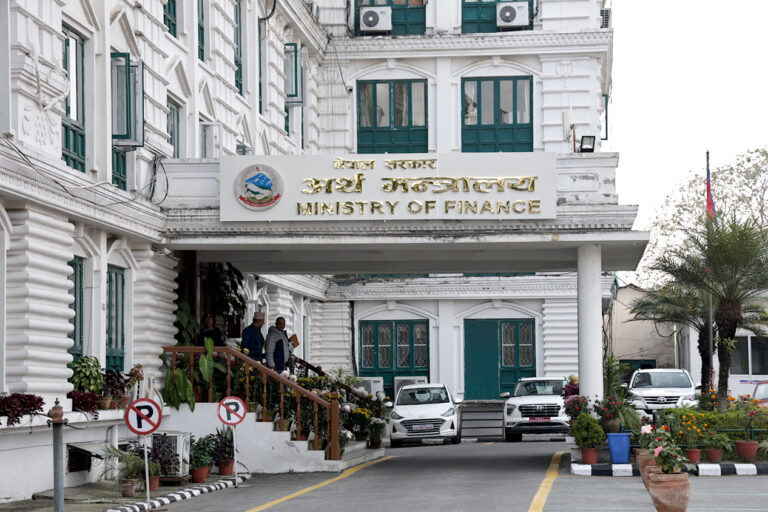
The Ministry of Finance inside Singha Durbar. Photo: Bikram Rai/Nepal News.
If the West Asian crisis continues, it will directly impact government income. Failure to meet revenue targets means insufficient funds in the treasury, making it difficult to run daily government operations and delaying payments for development projects.
Rising fuel prices also affect farmers. Increased costs of agricultural inputs and shortages of chemical fertilizers create difficulties.
Petroleum prices significantly influence fertilizer production costs. Nitrogen-based fertilizers like urea require ammonia derived from natural gas, which depends on petroleum extraction. Higher fuel prices also increase the cost of extracting, processing, and transporting phosphate and potash.
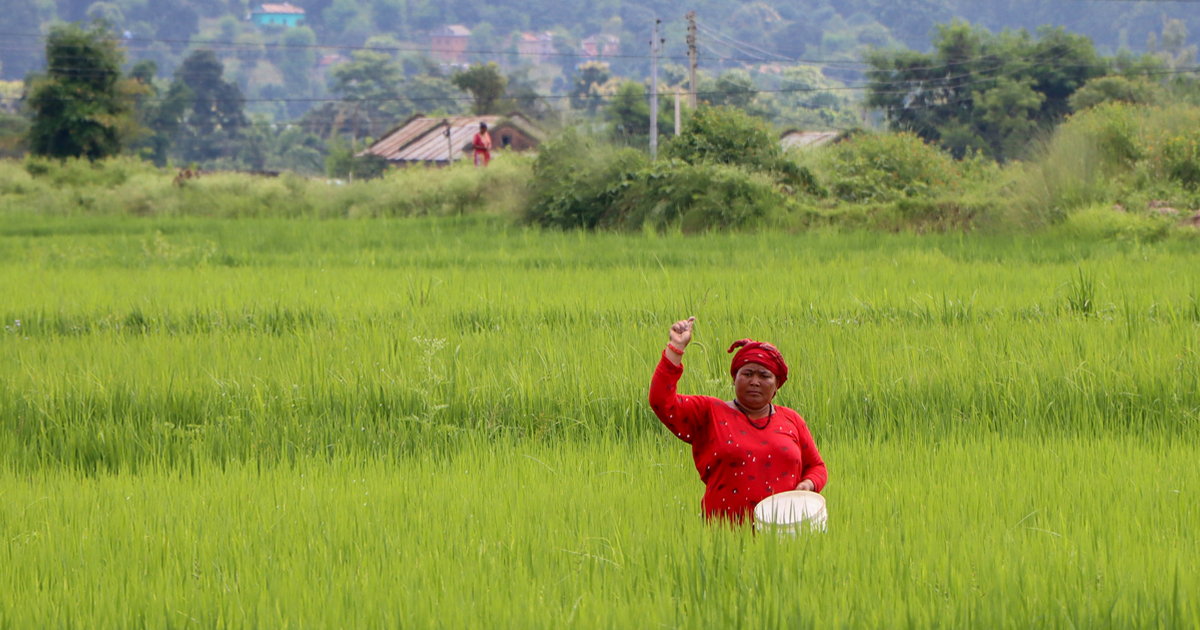
A woman spreading fertilizer in a paddy field in Bijauri, Tulsipur Sub-Metropolitan City–18, Dang. Photo: Deepak Bohara/RSS.
As production costs rise, manufacturers reduce fertilizer output, leading to shortages and price hikes. This creates a situation where farmers either cannot access fertilizers or must pay very high prices, ultimately reducing agricultural production.
Former NPC vice chairman Shrestha says that Nepal must strengthen its internal capacity to avoid these multi-dimensional impacts.
“To reduce dependence on fuel imports, electricity usage should be increased. The government must focus on boosting domestic production and creating employment opportunities to protect the economy from such risks,” he says.