Kathmandu
Tuesday, July 28, 2026





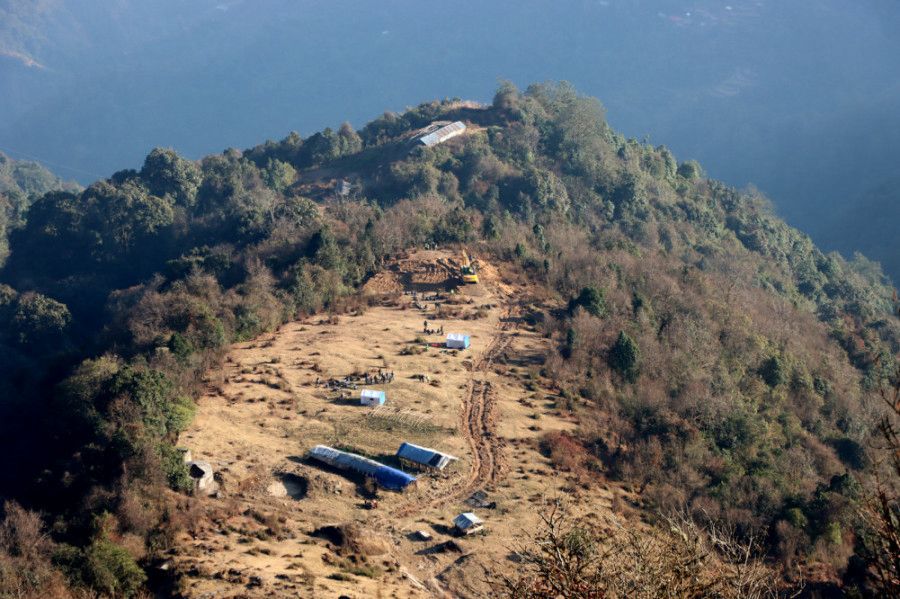
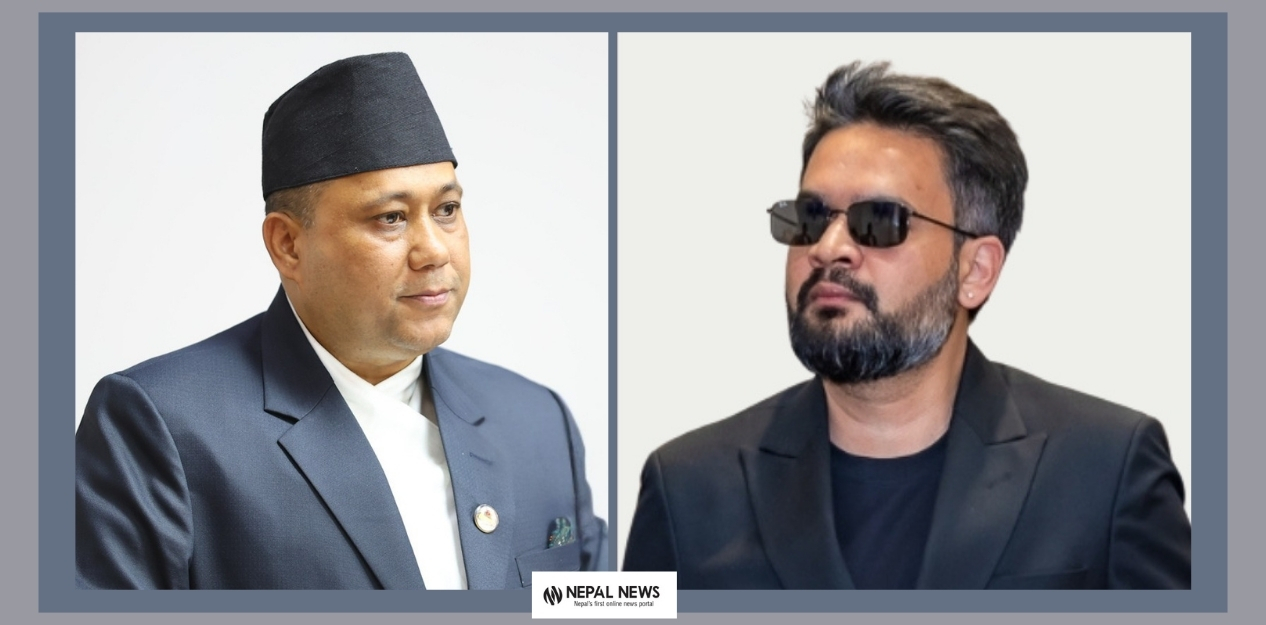
KATHMANDU: Prime Minister and Home Minister Balendra Shah (Balen) has ordered an immediate halt to the controversial cable car construction project in the Pathibhara (Mukkumlung) area of Taplejung, escalating a long-running dispute over Indigenous heritage, environmental concerns and alleged irregularities linked to the project.
Following the directive, Home Secretary Rajkumar Shrestha instructed Nepal Police Inspector General Dan Bahadur Karki, Armed Police Force (APF) Inspector General Raju Aryal and local authorities to immediately suspend construction activities and withdraw security personnel deployed at the project site.
Sources familiar with the development told Nepal News that construction activities at the site were stopped from Friday evening following the prime minister’s order. However, despite the directive, APF personnel stationed to protect the construction project area remained deployed as of now.
According to sources, former Home Minister Sudan Gurung had earlier instructed APF Inspector General Raju Aryal to remove security personnel from the construction site, but the order was not implemented.
The “No Cable Car” movement, which has intensified for several years, has repeatedly accused the government of ignoring concerns raised by Indigenous Yakthung/Limbu communities. Protest groups have warned they could internationalize the issue if construction continued at what they describe as a sacred Indigenous heritage site.
High-level sources at the Prime Minister’s Office told Nepal News that the new government under Shah is considering broader reviews of the project, including alleged irregularities in land transactions, environmental assessments, financial management linked to previous political leadership, and potential banking-related fraud connected to the project.
The cable car project is being developed by Pathibhara Darshan Cable Car Pvt. Ltd., a company directly linked to businessman Chandra Prasad Dhakal and the IME Group. Approved by the government in 2018, the project aims to construct a 2.7-kilometer cable car route from Kaflepati in Phungling Municipality-10 to the Pathibhara temple area.
The project, promoted as a major religious tourism initiative, has faced fierce resistance from the Limbu community, which regards Mukkumlung as a sacred spiritual landscape central to the Mundhum tradition and Indigenous identity.
Protests against the project have repeatedly turned violent. During clashes earlier last year, several demonstrators were injured after police intervention, with reports that live ammunition was fired to disperse protesters. Dozens were detained following confrontations between security forces and demonstrators.
Environmental and Indigenous rights activists have also raised serious concerns over the project’s environmental review process. Critics allege that the project’s Initial Environmental Examination (IEE) contained major discrepancies, including underreporting tree species and forest clearance estimates, despite the project requiring significant deforestation in ecologically sensitive areas.
Activists and experts argue that the project should have undergone a full Environmental Impact Assessment (EIA) instead of a limited IEE because of the scale of forest land involved.
Indigenous groups maintain that the cable car project threatens both the ecological integrity and spiritual sanctity of Mukkumlung, deepening tensions between state-backed infrastructure development and the protection of Indigenous cultural heritage in eastern Nepal.