Kathmandu
Friday, June 26, 2026






KATHMANDU: Nepal News presents today’s snapshot of Nepal’s economic activities. Get quick updates on major market movements, policy shifts, and financial developments shaping the economy of Nepal. Here are the key economic highlights for today:
Cooking Gas Prices Hiked by Nepal Oil Corporation
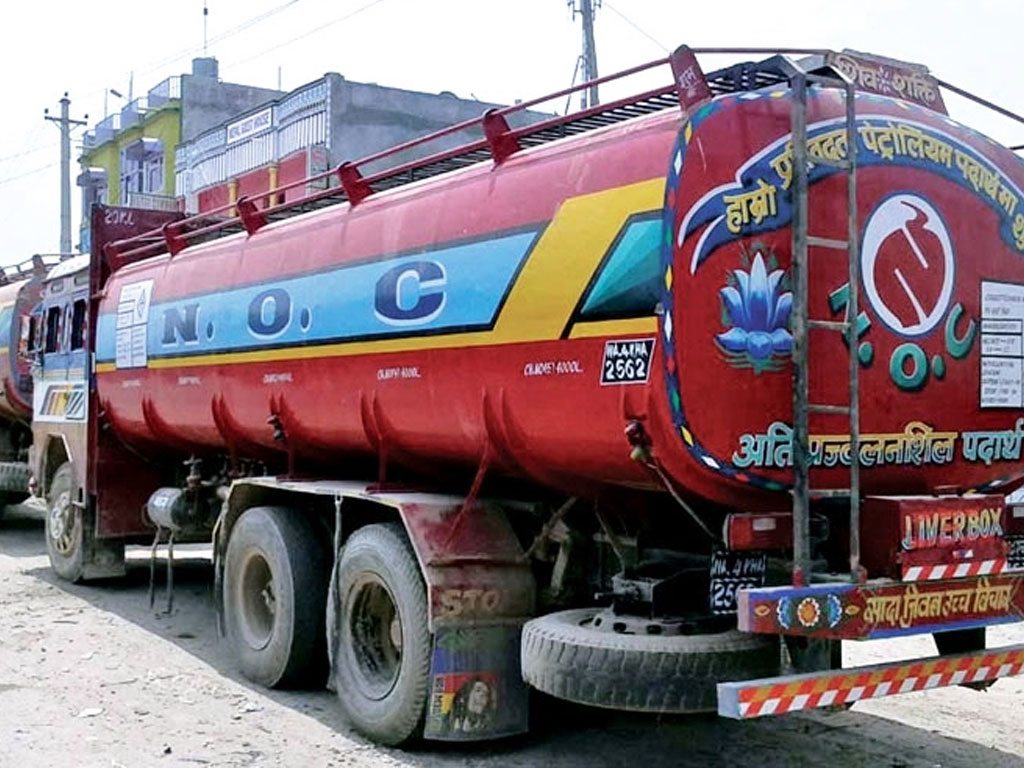
The Nepal Oil Corporation (NOC) has increased the price of liquefied petroleum gas (LPG) effective from midnight on April 30 (yesterday). According to the new price list, the cost of a full cooking gas cylinder has been set at Rs 2,160, up from the previous price of Rs 2,010. Similarly, the price for a half-filled cylinder has risen to Rs 1,080 from the earlier rate of Rs 1,005. This hike reflects the updated procurement costs from the Indian Oil Corporation. The increase in essential fuel prices is expected to impact household budgets across the country as the new rates take immediate effect.
Finance Minister Wagle, US envoy Gor Discuss Boosting Economic Ties
Finance Minister Swarnim Wagle held talks with the US President’s Special Envoy for South and Central Asia, Sergio Gor, on Friday. The meeting, held at the Ministry of Finance at 3:30 pm, focused on various dimensions of bilateral relations between Nepal and the United States, according to the minister’s secretariat. During the 20-minute courtesy meeting, discussions centered on economic partnership, development assistance, and areas of mutual interest between the two countries. The two sides also briefly reviewed ongoing US support for Nepal’s economic development and explored potential areas for further investment and cooperation. Envoy Gor, representing US President Donald Trump, is currently on a visit to Nepal. He arrived in Kathmandu on Thursday night.
New Guidelines Set Early Minimum Support Price for Major Crops
The Ministry of Agriculture and Livestock Development has issued the Minimum Support Price and Purchase Price Determination Guidelines, 2026. Under these new regulations, farmers will be informed of the Minimum Support Price (MSP) for major crops like paddy, maize, wheat, and millet before the sowing season begins. For sugarcane, field surveys will conclude by September 15 with final price recommendations due by November 16. This proactive scheduling aims to reduce market risks, encourage investment, and ensure minimum profit margins. The guidelines were formulated under the Right to Food and Food Sovereignty Act, 2018, to stabilize agricultural market fluctuations.
Mandatory E-Billing Implemented for Large Businesses
The Inland Revenue Department (IRD) has decided to make E-billing mandatory for large businesses as part of the government’s 100-point governance reform plan. Specifically addressing point number 79 of the reform agenda, this move aims to make the revenue system transparent, digital, and effective. The department has initiated the implementation process, requiring large-scale taxpayers to adopt electronic billing systems within a one-month timeframe. This digital transition is expected to reduce tax evasion, streamline financial reporting, and ensure real-time monitoring of high-value transactions. The IRD emphasized that the transition is a critical step toward modernizing Nepal’s tax administration and improving the ease of doing business for compliant taxpayers.
New Procedures Approved for Subsidized Fertilizer Distribution
The Ministry of Agriculture and Livestock Development approved the second amendment to the Subsidized Fertilizer Distribution Management Procedure, 2026, on April 29. This new procedure is designed to ensure that farmers have easier and more reliable access to chemical fertilizers. By refining the supply and distribution chain, the ministry aims to make the process more transparent and effective, preventing shortages during peak agricultural seasons. The amendment simplifies the procurement and local distribution of subsidized fertilizers, ensuring that the benefits reach actual farmers efficiently. This move is part of a broader effort to stabilize agricultural inputs and support national crop production targets.
Finance Ministry Finalizes Budget Writing Committee
The Ministry of Finance has finalized the committee for drafting the budget for the upcoming fiscal year 2026/27. Two new members were appointed on April 23, following the transfer of previous officials. The committee is now focused on intensive drafting following the completion of ministerial discussions. Due to the constitutional requirement, the budget must be presented in Parliament on May 29. Although election-related delays initially affected the schedule, the team is working rapidly to meet the deadline. The budget will prioritize economic stability and resource allocation for national development projects as the government prepares its annual financial plan.
3 Major Initiatives Announced on International Labor Day
On the occasion of the 137th International Labor Day today, the Ministry of Labor, Employment, and Social Security announced three significant programs. First, a five-year National Occupational Safety and Health Program was launched to ensure safe working environments. Second, labor attachés at Nepali embassies will conduct weekly Facebook Live sessions to address the concerns of migrant workers. Finally, workers enrolled in the Social Security Fund can now access land purchase loans at a 6 percent interest rate, with borrowing limits up to Rs 15 million. These measures aim to institutionalize labor rights and enhance the welfare of both domestic and overseas workers.
Money Laundering Investigation Targets Micro-Insurance Founders
The Department of Money Laundering Investigation has demanded detailed financial transaction records from the founders of Himalayan Reinsurance and seven other microinsurance companies. The probe focuses on individuals who purchased founder shares during the establishment and licensing phases, including high-profile businessmen and former officials. The department is specifically investigating whether shares were bought at a premium through various bank accounts in violation of the Securities Act. Following the resignation of a former minister linked to these transactions, the investigation has expanded to include major institutional investors. All requested details must be submitted to the department by May 16 as part of a broader crackdown on financial non-transparency.
Public Procurement Act Amended to Streamline Contracts
The government has introduced significant reforms to the Public Procurement Act, 2006, through a second amendment ordinance authenticated on April 30. The changes aim to eliminate delays and corruption in construction projects by simplifying the bidding process. A new government e-marketplace will allow direct purchases from listed suppliers within 24 hours. The amendment also shortens the bidding period for international tenders from 45 to 30 days and national tenders from 30 to 21 days. Furthermore, contractors bidding at low rates must now provide an 8 percent additional performance guarantee, and those who abandon projects will face strict penalties, including the forfeiture of guarantees.
Online System Mandatory for Land Mortgage Procedures
The Department of Land Management and Archive has announced that all land mortgage and release procedures through banks and financial institutions must be conducted exclusively online. This new system will be mandatory for designated financial institutions starting May 4, and for all other institutions by May 15. The government aims to make land administration faster, more transparent, and free from middleman interference. By digitizing these services, the department expects to reduce unnecessary delays, allow users to predict service timelines accurately, and enhance overall efficiency in property-related financial transactions. This move aligns with broader digital governance goals to simplify public service delivery.
Nepal Telecom’s Rs 5 Billion Billing System Tender Faces Delays
The tender process for Nepal Telecom’s ambitious Real-Time Billing System, estimated to cost Rs 5 billion, remains uncertain after the previous process was canceled in January 2026. The cancellation followed allegations of restrictive conditions designed to favor specific suppliers, raising concerns about a “conflict of interest” regarding existing network providers. Employees have warned that further delays will increase costs and lead to recurring technical failures. The current system, managed by Asia Info since 2011, is considered outdated and has failed twice in early 2026 alone. While management claims a review is underway, the delay threatens the company’s technological modernization and competitiveness in the rapidly evolving telecommunications market.
Lumbini Province Sees Surge in New Industry Registrations
In the first nine months of the current fiscal year, Lumbini Province added 5,406 new industries, consisting of 2,506 industrial units and 2,900 commercial firms. According to the Ministry of Industry, Tourism, and Transport, these new ventures brought an investment of Rs 17.307 billion to the province. Rupandehi and Banke districts led the registration numbers. During the same period, 2,069 firms were closed, while over 13,000 renewed their licenses. The surge in registrations, despite some closures, indicates a growing attraction toward entrepreneurship in the region. The ministry noted that thousands of firms also underwent modifications, such as location changes or capital increases, during this period.
Funding Crisis Halts Jomsom Multi-Purpose Covered Hall Project
The construction of a multi-purpose covered hall in Jomsom, Mustang, has been stalled for two years due to a lack of budget allocation. Initiated in fiscal year 2019/20 under the “One Local Unit, One Sports Ground” project, the hall has a total estimated cost of Rs 6.5 million. Despite Rs 2 million already being spent, physical progress stands at only 40 percent. The project relies on cost-sharing between federal, provincial, and local governments, but inconsistent funding has delayed completion. Located at 2,700 meters altitude, the facility is vital for indoor sports like volleyball, as high winds make outdoor activities difficult in the afternoons.
Road Division Jumla Reports Low Capital Expenditure of 26%
The Road Division Office, Jumla, recorded a low capital expenditure of only 26 percent during the first nine months (July 17, 2025, to April 13, 2026) of the current fiscal year 2025/26. Out of the Rs 743.6 million allocated by the federal government, spending remained sluggish through April 13. Currently, 22 road projects are under implementation across Jumla, Kalikot, and Mugu. While a contract has been invited for a 15-kilometer asphalt concrete section of the Nagma-Gamgadhi road, rising petroleum prices are threatening progress. Construction remains hampered as international fuel price volatility affects the availability and cost of essential road-building materials.
Road Division Hetauda Begins Measurement for Tribhuvan Highway DPR
The Road Division Hetauda has commenced measurement and center-point determination for the road section from Gandak Chowk to Miteri Bridge under the Tribhuvan Highway. A joint technical team involving the Land Revenue Office and Birgunj Metropolitan City began the survey near Ghantaghar on April 28. This follows an earlier demolition drive on April 19, aimed at removing illegal structures within the 25-meter right-of-way on both sides. Additionally, the Birgunj Metropolis has mandated an extra five-foot setback beyond the 25-meter boundary. Preparations for a Detailed Project Report (DPR) are currently underway to facilitate systematic road expansion and site clearance.
Local Unit Distributes Mechanical Plows to Farmers
Dhorpatan Municipality, Baglung, has distributed mechanical plows to 48 farmers under a 50 percent subsidy program to promote modern agricultural practices. The initiative, aimed at increasing production and commercializing farming, involved a total expenditure of Rs 2.4 million. Professional farmers across all nine wards of the municipality, primarily those involved in growing potatoes, beans, and vegetables, received the machinery. By integrating technology into traditional farming, the local government expects to enhance efficiency and yields. Farmers expressed satisfaction with the support, noting that the mechanical plows would significantly reduce the manual labor required for cultivating the hilly terrain of the region.
Subsidies Boost Early Spring Paddy Production in Tanahun
The Agriculture Development Office has provided up to an 85 percent subsidy to farmers under the Early Spring Paddy Production Promotion Program. This initiative aims to conserve and commercialize spring paddy cultivation, which many farmers had previously abandoned. The subsidies cover seeds and the construction of irrigation channels in areas lacking water access. This year, commercial cultivation has expanded to 193.318 hectares, primarily within Vyas Municipality and Myagde Rural Municipality. The high subsidy rate has successfully encouraged local farmers to return to spring paddy, ensuring better land utilization and contributing to food security goals within the district through increased annual grain output.
Army Announces Vacancies for Over 4,200 Personnel
The Army has issued a vacancy announcement to recruit 4,225 new personnel for various military and technical positions. The Army Headquarters is seeking applications for soldiers and specialized roles, including tailors, cleaners, leather workers, blacksmiths, barbers, and carpenters, across different divisions and battalions. The highest number of vacancies, 400 positions, was announced for the North-West Division Headquarters in Nimare, Surkhet. Other significant openings include 300 roles for the Kathmandu Valley Division and 250 for the Eastern Division in Itahari. This large-scale recruitment drive aims to bolster the army’s operational capacity and fill essential service roles within its various units across the country.
Gold, Silver Prices Rise Today
The price of gold and silver has increased in the domestic market today. According to the Federation of Nepal Gold and Silver Dealers’ Association, the price of gold has been fixed at Rs 296,100 per tola (11.66 grams) today. It has increased by Rs 3,400 per tola compared to the previous day. Similarly, silver is being traded at Rs 4,945 per tola. It has gone up by Rs 135 per tola. The price of gold was Rs 292,700 per tola, and silver was traded at Rs 4,810 per tola on Thursday.