Kathmandu
Friday, June 26, 2026





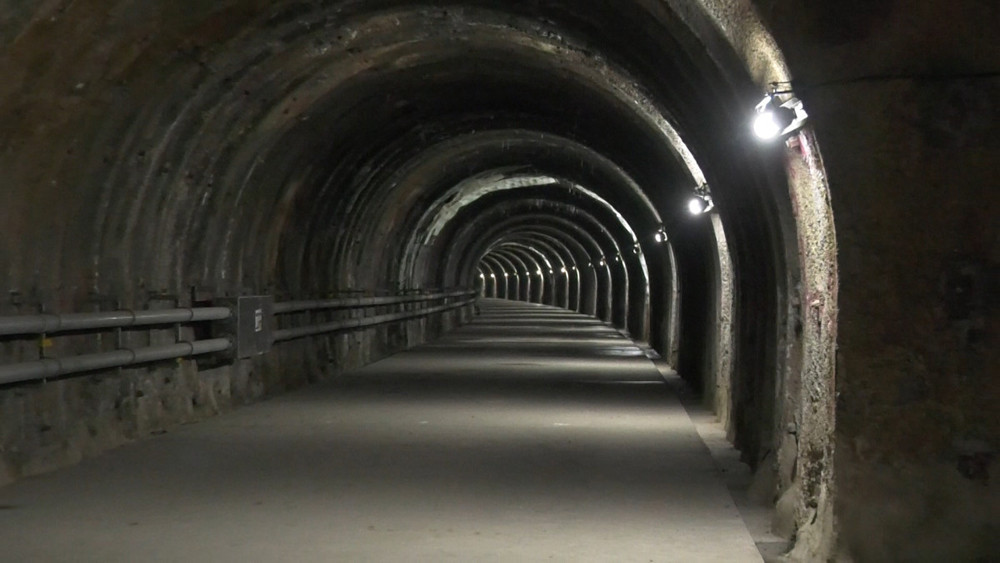
KATHMANDU: The long-anticipated Nagdhunga Tunnel, located at the western entrance of the Kathmandu Valley, has reached its final stage of construction with about 99 percent physical progress completed.
Project officials informed that only minor remaining works are left before the project is formally handed over for operation. The tunnel will be operated for five years by Chinese company Yuxin–ART JV.
The project, initially targeted for completion in 42 months, faced multiple delays and required four extensions, ultimately taking an additional 36 months.
It began on September 23, 2019, and the deadline was extended until April 25, 2026. The total cost is estimated at around Rs 22 billion, including Rs 16 billion for construction and Rs 6 billion for land acquisition. Financial progress has reached 96 percent.
Officials said the tunnel has been built according to international standards and includes advanced systems such as power supply, smart lighting, CCTV surveillance, remote monitoring and control, automatic ventilation, and modern fire-fighting systems. Emergency message boards, traffic signals, and a central control room have also been installed.
The tunnel consists of two separate tubes with a total length of 2.688 km. The main tunnel is 11 meters wide for two-way traffic, while a separate emergency tunnel of about 2.5 km is reserved for rescue and safety operations. The two tunnels are connected every 375 meters for emergency evacuation.
About 150 staff will be deployed for 24-hour operation once the tunnel becomes operational. They will be divided into five units covering traffic monitoring, maintenance, safety and rescue, civil works, and toll collection. A separate 64-member safety team will handle emergencies such as accidents and fire incidents.
Officials said travel time between Sisnekhola and Balambu will be reduced to around seven minutes once the tunnel opens, compared to long traffic jams in the current Nagdhunga–Balambu route.
The project is expected to generate around Rs 3.5 billion annually in revenue, assuming 60 percent of the estimated 8,800 daily vehicles use the tunnel.
An RFID-based automatic toll collection system will be used, with charges varying by vehicle type and subject to revision every two years.
Authorities also confirmed that compensation has been fully distributed to affected families, including full compensation for 18 households and partial compensation for 75 families.