Kathmandu
Tuesday, July 14, 2026





Driven by curiosity during a first read, the act of returning to a book later reveals a wider, more expansive context that can completely redefine the original narrative.
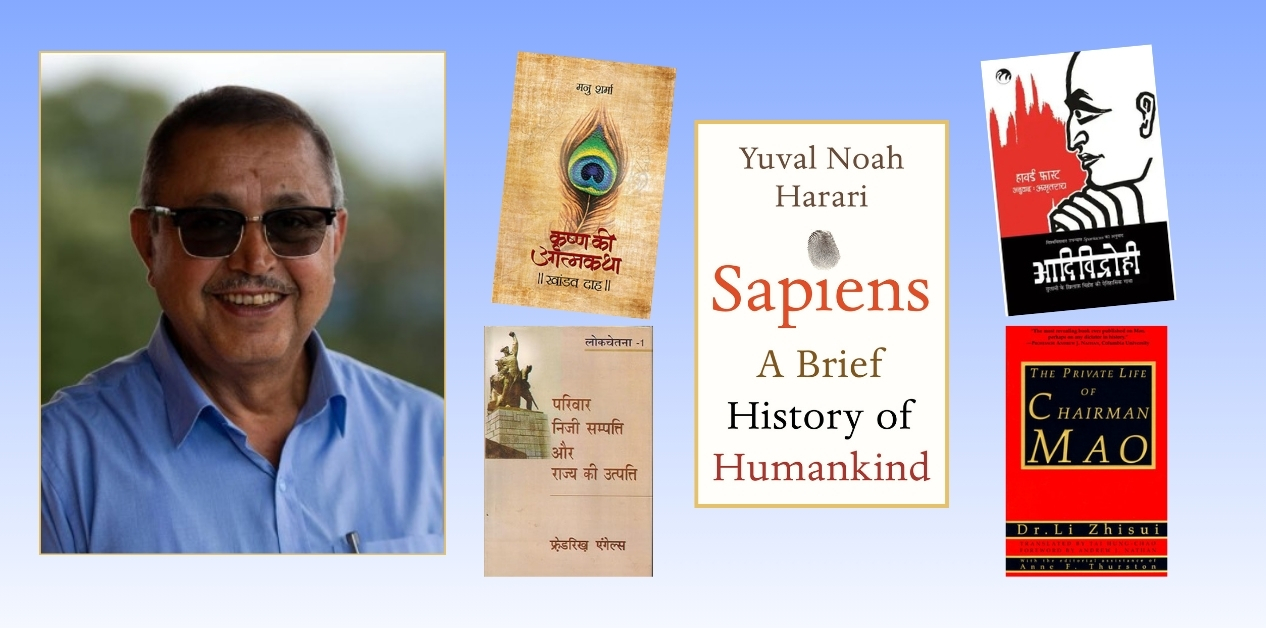
KATHMANDU: Books connect individuals to both the past and the present while also offering a space to understand themselves, their surroundings, and the wider world. My relationship with books beyond the classroom began around 1975, when I was a grade 8 student at Janata Secondary School in Itahari. The school library became an early refuge of curiosity and imagination. Once I obtained a membership card, I was allowed to borrow books and take them home. I spent mornings and evenings immersed in stories, novels, essays, and poetry, gradually discovering through literature not only the world around me but also the contours of my own inner life.
After working as a schoolteacher in Ilam and Bhojpur for a couple of years, I reached Biratnagar in the academic year 1981-82 to study in college. I enrolled in a night college. During the day, I used to work at Koshi Bookshop. Customers used to come towards the evening; the shop would be empty during the day. When there were no customers, I spent hours studying. I also read the book I started in my room at night. In this way, while reading new books in the school and the shop, I developed a habit of reading.
Friends suggest many books to read. I also make selections after reading book reviews and commentaries. Bookshop operators recommend books as well. My daughter also recommends books to read. I select books based on the author and the title of the book, the book cover, and flipping through one or two pages as well.
I feel that the context of rereading favorite books comes into everyone’s life. When reading a book for the first time, I have high curiosity. When reading it the second time, the context becomes broad and wide. Occasionally, the context narrows down too.
Another benefit of a book that has influenced one is that it helps the writer both directly and indirectly. It certainly influences the language and style and makes everything easier, from building the structure of a book to editing.
1. Spartacus, or ‘Aadividrohi’
Spartacus, written by American author Howard Fast and translated into Hindi by Amrit Rai under the title Aadividrohi, remains one of the books that stayed with me long after reading it. Published by Hans Prakashan, the Hindi edition first came into my hands nearly four decades ago, during a period when translated literature opened new intellectual and emotional landscapes for many readers of my generation.

This book is a story of the struggle for freedom, class consciousness, and class struggle. The book contains the story of the historical slave revolt that took place in the ancient Roman Empire. The hero of this rebellion was the character Spartacus. He was a ‘gladiator’ (a warrior who entertains by sword fighting). He revolted against the masters along with his companions. He led a massive army of thousands of slaves. Under the leadership of Spartacus, the slave army repeatedly defeated the powerful Roman army.
This book depicts the class chasm existing between the Roman rulers and the slaves. Spartacus is depicted as a symbol of freedom and equality. The book is a story of the unity and power of the working class. Spartacus is killed when the Roman army brutally crushes the rebellion. However, his death immortalizes the fight against slavery. This book gives the message that ‘wherever there is oppression, there is rebellion.’
2. The Origin of the Family, Private Property and the State, or ‘Pariwar, Byaktigat Sampatti Ra Rajyasatta Ko Utpatti’
Written by Friedrich Engels and published by Progress Publishers, Moscow, I read this book in Hindi as well. This book made me understand that family, society, and the state are changing institutions. In primitive society, humans used to hunt and live collectively. After animal husbandry and farming started, the division of labor took place. Following that, the concept of private property developed. Private property gave birth to the rich and the poor, or classes. Class struggle started precisely because of private property. The rich class created the state to protect their property and rights.

This book looks at women’s oppression by linking it with the rise of private property. The author considers the rise of private property the historical defeat of women. This is a book that explains that family, property, and the state are not natural things, but structures formed due to economic reasons during various periods of history.
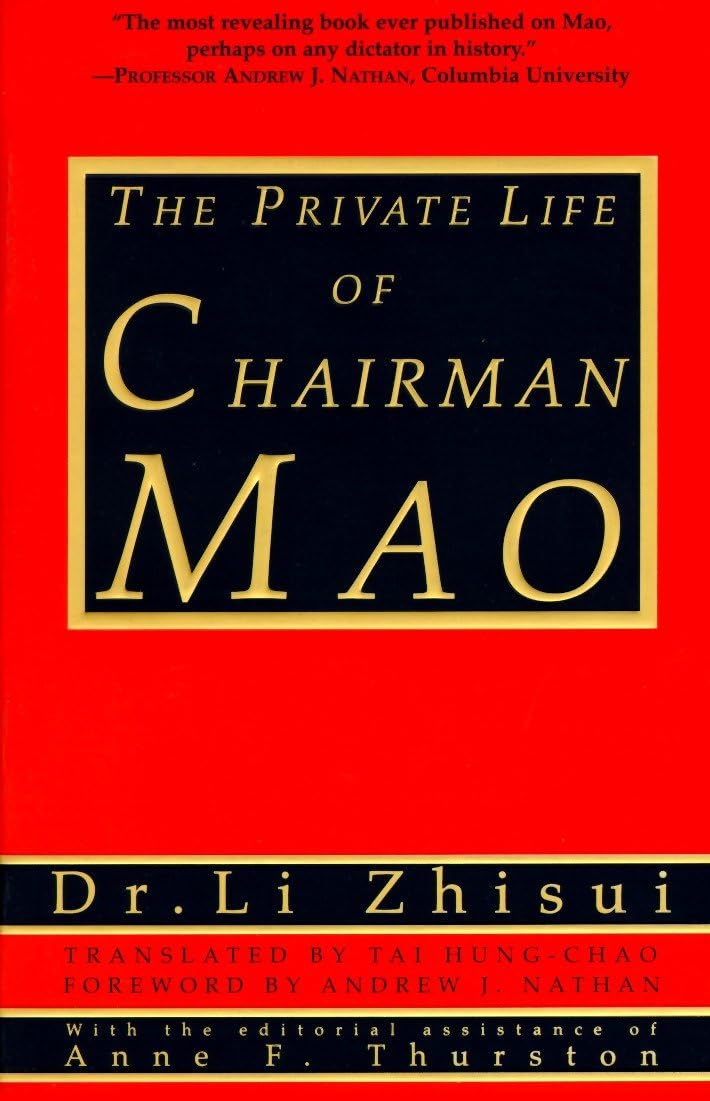
3. The Private Life of Chairman Mao
This is a book written by Dr. Li Zhisui. Dr. Li was the personal physician of Mao Zedong, the Chairman of the Communist Party of China, from 1954 until his death in 1976. Li had understood the personal life of Mao, a leader with a great revolutionary and idealistic image, from the closest quarters. In this book, Li has depicted the personal life of Mao that he saw from up close. Mao’s lifestyle was luxurious. He was indifferent to the suffering of his contemporaries, cadres, and the public. He refused to brush his teeth, take a bath, and wear tailored clothes. The book tells many stories of competition and conspiracies within the Chinese Communist Party. It describes the strategies adopted by Mao to sideline opponents and stay in power.
Version 1.0.0
Instead of a god-like ‘immortal leader,’ this book shows that Mao was a human being full of weaknesses and flaws. People who consider Mao an ideal regard this book as a reactionary hoax. Initially, it was difficult for me to believe it too. However, the dates of events, facts, sketches, and photographs forced me to believe it. From the perspective of writing as well, I find this an excellent book.
I had read Howard Fast’s Spartacus and Engels’ The Origin of the Family, Private Property and the State before the first quarter of 1983. I was studying in college and was active in the Communist Party. Class consciousness and literary consciousness inspired me to read such books. After Communist leaders started becoming rulers in Nepal, I read The Private Life of Chairman Mao just one decade ago out of interest to know what the leaders had learned from Mao.
4. Sapiens
I like Yuval Noah Harari’s Sapiens for two reasons. First, the story the book tells, and second, the author’s entertaining style of telling the story.
This book tells the story of how Homo sapiens became the most powerful creature on earth in the 250,000 years since its emergence in East Africa. Harari looks at human history by dividing it into four revolutions.
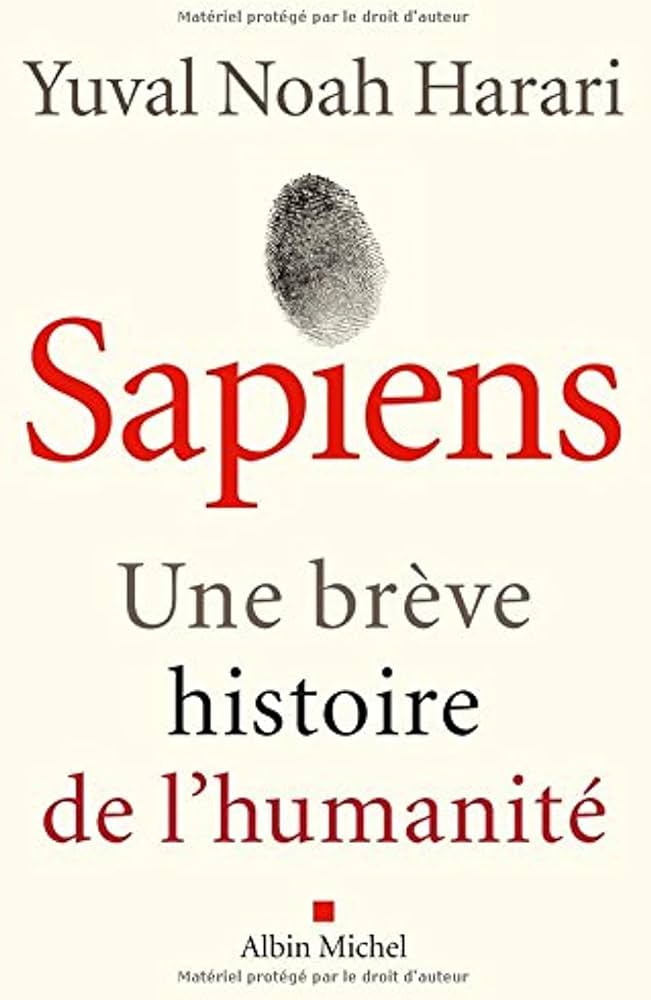
The cognitive revolution taught humans to believe in fiction. Fiction gave birth to religion, nations, money, and law. The agricultural revolution made humans abandon the hunter-gatherer life and start farming and animal husbandry. Money, religion, and empires bound humankind and the world into a thread of unity. Rising above religion and caste, money expanded trade. Empires brought culture and geography within political power. Religion bound humans to moral rules. The scientific revolution taught humans to accept that they do not know many things. I read Sapiens because of my interest in the history of humankind. I feel this book is the story of the effort made by humans to become gods from animals.
5. Krishna Ki Atmakatha
Written by Manu Sharma, Krishna Ki Atmakatha is a massive work written in eight volumes. Many people still consider Krishna a ‘god.’ However, this book tells the story of the struggles Krishna had to face since birth. The story of how struggle made Krishna a philosopher, thinker, politician, and a great man of the era. In the book, Krishna himself tells his life story. He pours out his experiences of his childhood, his relationship with the Gopis (female devotees of Krishna from the village of Vrindavana), his journey to Mathura, and the construction of Dwarka.
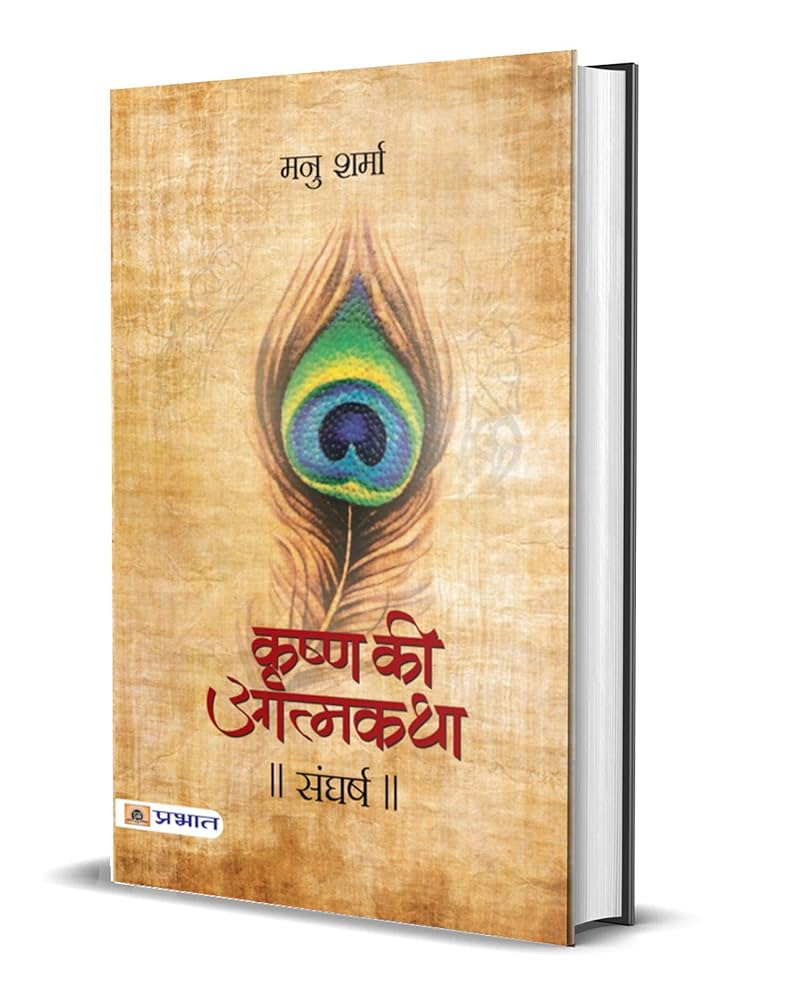
In the book, the story of the role played by Krishna to free Mathura from the tyranny of Kansa and to provide justice to the Pandavas is remarkable. The book also describes Krishna’s respect toward women like Radha, Rukmini, Satyabhama, and Draupadi, and the influence of those women in Krishna’s life. While telling the story of the Dvapara Yuga, the author has interestingly presented the complexities of today’s society, politics, and human nature through the medium of Krishna. The book has brought Krishna down from the god of the universe to the human of the earth, making him a militant and diligent hero of that time.
While reading the Mahabharat, I was most influenced by Krishna’s multidimensional character and story. When searching for books written about Krishna some decade ago, I came to know that Krishna Ki Atmakatha had been written.