Kathmandu
Tuesday, July 28, 2026





KATHMANDU: Fiction is, in itself, a portrayal of a particular time and society through the experiences, emotions, and consciousness of its characters. The true strength of fiction largely rests on the lifelikeness and depth of those characters. They form the foundation of the narrative, driving the story forward while forging an emotional connection with the reader. Through their desires, conflicts, and choices, the plot gains momentum; at the same time, characters become the medium through which an author’s philosophical vision and social realities are most convincingly conveyed.
I attempt to weave story, feeling, and character, which are all three of these things, into fiction. A balanced combination of plot, character, and feeling is a mandatory condition in fiction. Without a plot, the activity of a character and the author’s private feelings alone cannot give completeness to fiction. While a strong texture excites curiosity in the reader, characters provide dynamism and lifelikeness to it. Only when the writer artistically presents their experiences and feelings by standing on the foundation of characters and events does fiction achieve depth.
I adopt two methods in the process of character construction. First, when any character of a society or environment and their experiences shake me, I weave the web of the plot based on the social and psychological background of those very characters. In this situation, the character themselves determines the roadmap of the story.
Second, if the plot or idea is born beforehand, I imagine suitable characters who can make that plot lifelike and prepare their external form, internal nature, and psychological depth. In any situation, because I do not limit the character to a merely imaginary figure but determine their past, weaknesses, and path of transformation beforehand, the character’s own nature and social environment provide a natural momentum to the story by the time it reaches the writing stage.
Filling the color of imagination on the foundation of reality is real fictionalization. When I bring characters I know and have seen into fiction, I do not bring them exactly as they are in reality; I fictionalize them. Taking one characteristic or nature of one individual as a seed, I also mix it with two or three others. If I have to change the name, face, profession, age, environment, and time, I change them. After that, I develop the character according to the requirement of the story and let them speak the truth of my story, not that of a real person. Good characters are born from reality, but they are raised by imagination. When writing fiction, a writer must be able to forget what they know in society very well and must let the character live on their own in the fiction.

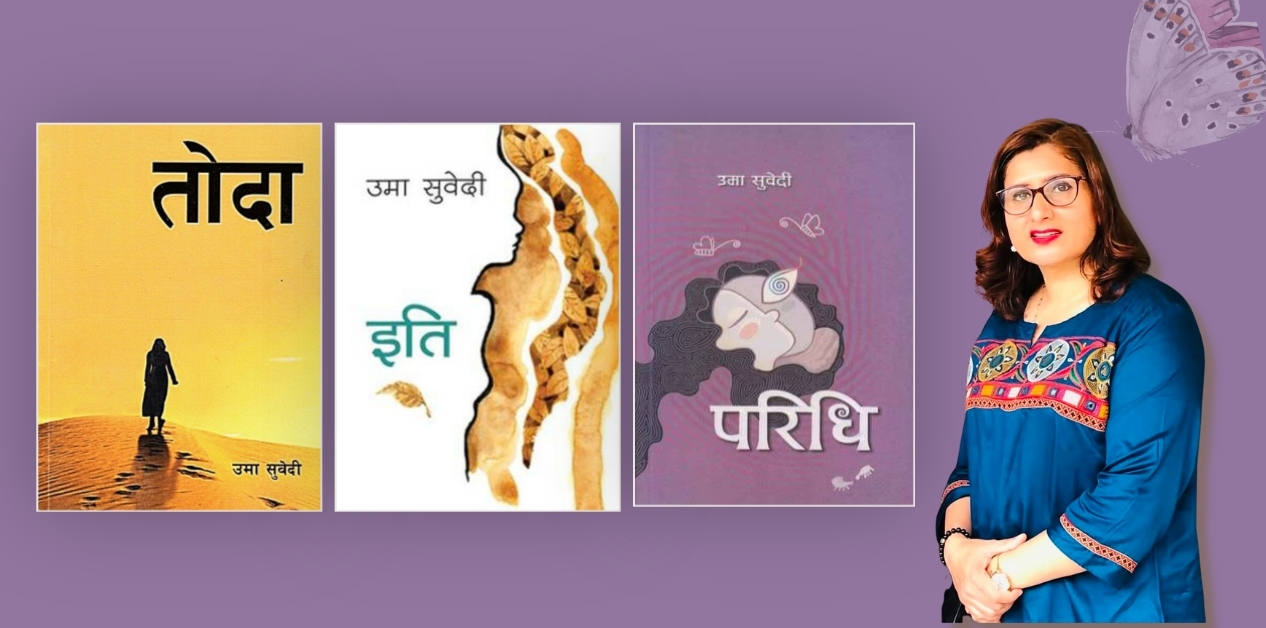
Cover of Uma Subedi’s ‘Toda’ (Paperback)
I make characters different according to their environment. The environment of a city and the environment of a village differ. The perspective, language, and values of a character made by the environment of a rich house and a character made by the environment of a poor settlement are completely distinct. Only when characters begin to take decisions according to their own environment and logic and get out of the writer’s control do they truly become distinct and lifelike characters.
Although all my characters are very dear to me. I have put a lot of effort into the construction of every character. However, when having to choose only a few characters that leave a deep impression, I take the names of Parbati of ‘Toda’ (Paperback), Roshni, Barsha of ‘Iti,’ Jagate, and Aarya of ‘Paridhi’ first.
While constructing the character Roshni, who wants to live by being independent, I had gathered the suppressed desires and voices of rebellion of many women in one place. She is not born from reality, but she is born from the rebellion of reality. Barsha, of the novel ‘Iti,’ is like a reflection of my childhood. Her playful nature, innocent curiosity, and way of embracing the world are connected with my own childhood. While writing her, I was looking back at myself. Jagate, of the very novel Iti, is one of my most favorite characters. This grassroots man rural, uneducated but infinitely hardworking, honest, and courageous carries the lifelike story of the lower stratum of Nepali society. While constructing the character Jagate, I have put the hard work, pain, and dreams of many Jagates of the village in one place. I like Asmita of ‘Paridhi’ very much. While constructing her, I have attempted to dig into the clash between gender roles, ‘femininity’ dictated by society, and personal psychology.
I have raised all these characters in the soil of imagination from the seed of reality. My own experience, people I have seen and met, and the reality of society are mixed in them. The reason these characters feel dear to me is they let me speak, they cried, they rebelled, and they lived.
Some such characters build a home in the writer’s head and stay for a long time. Sometimes for years. Their psychology, contradictions, and small habits reach the level of the writer’s consciousness. Because of that, it feels like such a character was not made by the writer but ‘lived.’ They can give unexpected turns to the writer, can lead the story themselves, and can also stay in the reader’s mind for a long time.
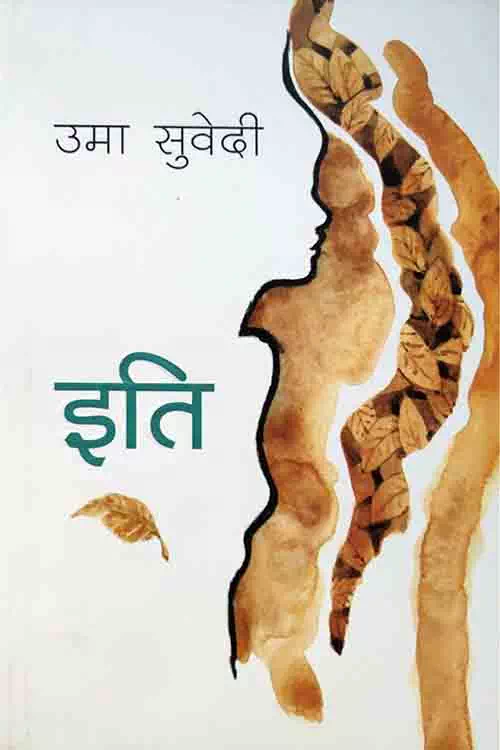
Cover of Uma Subedi’s ‘Iti’
Sometimes such characters can also ‘hijack’ the writer’s imagination. The writer becomes so emotionally connected that it becomes difficult to end the story. The weakness of the character cannot be shown impartially. Sometimes it mixes so much with the writer’s own life that the character begins to become autobiographical rather than artistic.
There is a mixture of experience, observation, and imagination in my writing, but their quantity differs according to the work. The lower stratum of Nepali society, the life of grassroots people in villages and settlements, the internal conflict of women, gender roles, and the complexity of love these are all things I saw, heard, and felt for a long time. For example, Parbati from ‘Toda‘; Roshni; Seti from the story of ‘Sayau Putali,’ also known as Karkini Amai; Bimba from ‘Paridhi‘; and Abhaya Sundar. The role of imagination in narrative is important and powerful. While observation and experience give the seed, imagination turns them into a plant. The quantity of imagination is higher in the construction of Paridhi’s characters Aarya, Asmita, Maya, and Yogamaya among others. I feel that good fiction is made precisely by the balance of these three: experience, imagination, and observation.
Even though I have written using magical realism craft, the novel Paridhi is basically a story of characters and environment within society. Even if the events in the novel appear to happen in an unimaginable or unbelievable manner, they are the experiences and feelings of the characters around us. In Paridhi, I have attempted to expose the complexity inside the human mind. Because the characters of this novel live in a world separate from the world you and I are experiencing, it was necessary for me to enter their world every time. While moving back and forth between my own world and the world of the characters, I sometimes used to get confused about where I was. This entire novel is the product of a ‘hangover’ itself. If you try to understand its main character, Aarya, well, you will find out immediately to what extent I remained in a hangover.
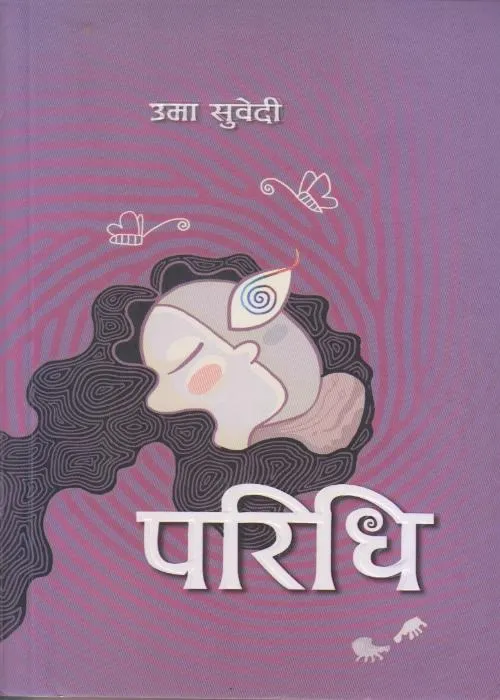
Cover of Uma Subedi’s ‘Paridhi’
The question of gender authority has remained at the very center of debate in fiction. For me, even though basic human emotions (fear, love, and jealousy) feel similar when constructing female and male characters, I feel a huge difference in their reactions and behavior constructed by the social structure. While writing about male characters, additional research and observation are certainly necessary to understand their internal psychology, hesitation, and the burden of social expectations, because the experiences of the world a woman feels and the world a man experiences are different. Therefore, I remain very conscious about whether the dialogues, decision-making style, or emotional expressions of male characters become ‘womanly’ or superficial anywhere.
In my literary journey from Toda to Paridhi, a lot of changes have come in the craft and understanding of character construction. In the initial stage, while writing Toda, my characters were mostly guided more by external social reality and conflicts visible on the surface. However, arriving at the current Paridhi through continuous writing, I feel characters are no longer just a medium to push the story forward; they are specific excavations of the author’s consciousness and imagination. Especially in Paridhi, I have attempted to free the characters from physical boundaries through magical realism and take them to the depth of the imaginary world constructed by their internal psychology and brain.