Kathmandu
Tuesday, July 28, 2026





Society spoke the language of discrimination and practiced it; he turned that very discrimination into a play
KATHMANDU: When rituals took place at the Chandannath Temple in Jumla, a young boy named Govinda Sunar would head toward the temple full of excitement, just like the other children. He did not care much about what the ritual was for or who the deity was. His only interest was the delicious prasad (a devotional offering made to a god) distributed at the temple.
Some of his friends would run right inside the temple, reaching the very side of the deity. Without thinking twice, Govinda Sunar would halt outside the main gate and ask for prasad, saying, “Priest, please give me prasad.”
Sometimes he would actually receive the prasad, while other times he had to flee when someone chased him away with a pair of fire tongs. At that time, he could not comprehend why he was forced to stop at the temple gate while the friends he played with were allowed to go inside. However, he was astonished one day when he returned home and heard the story that the very idol inside that temple had been crafted by his own grandfather.
Govinda Sunar grew up. Life guided him into the field of art and brought him to Kathmandu. Yet, the mental image of his grandfather’s idol being inside while he himself was stuck outside the temple gate haunted him for a long time.
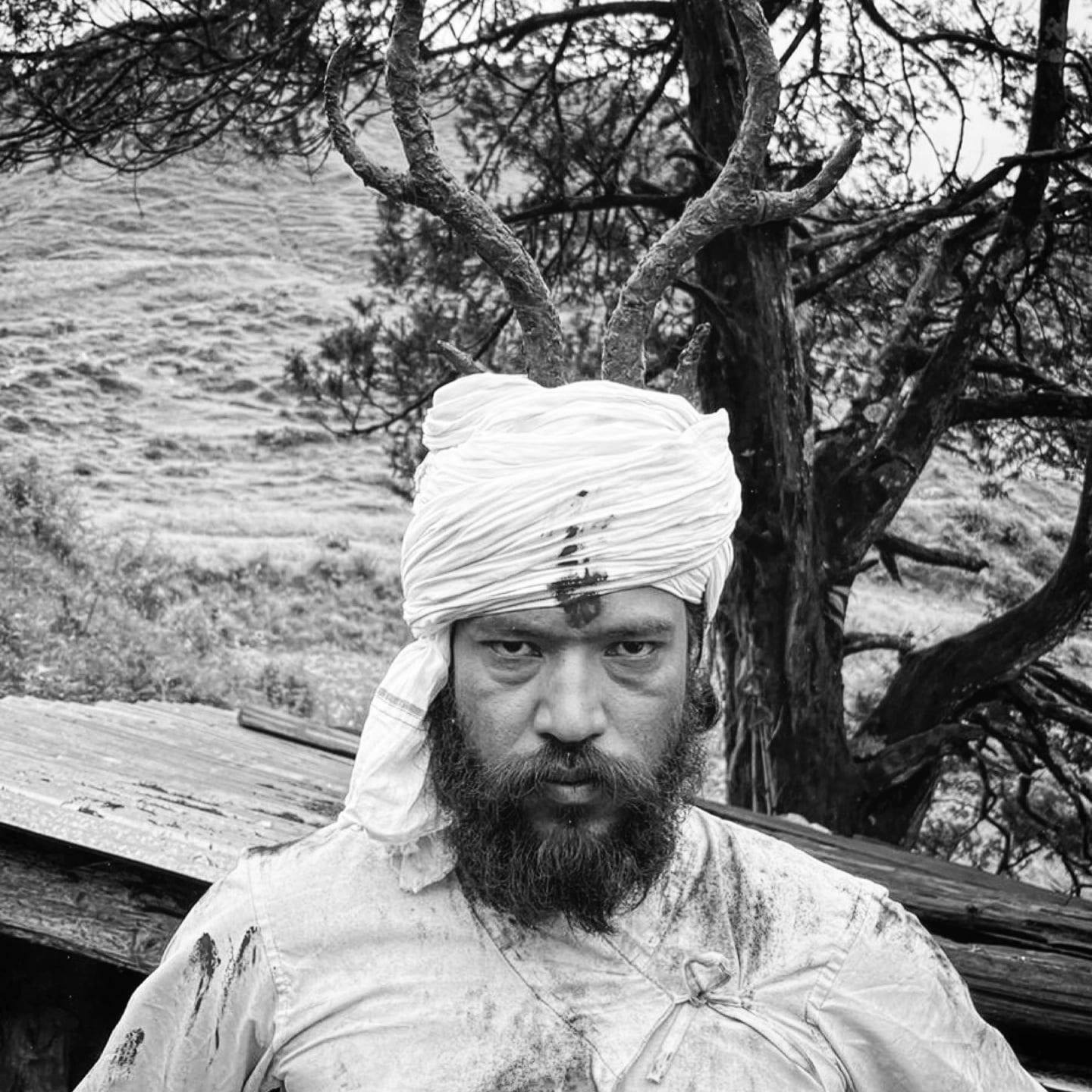
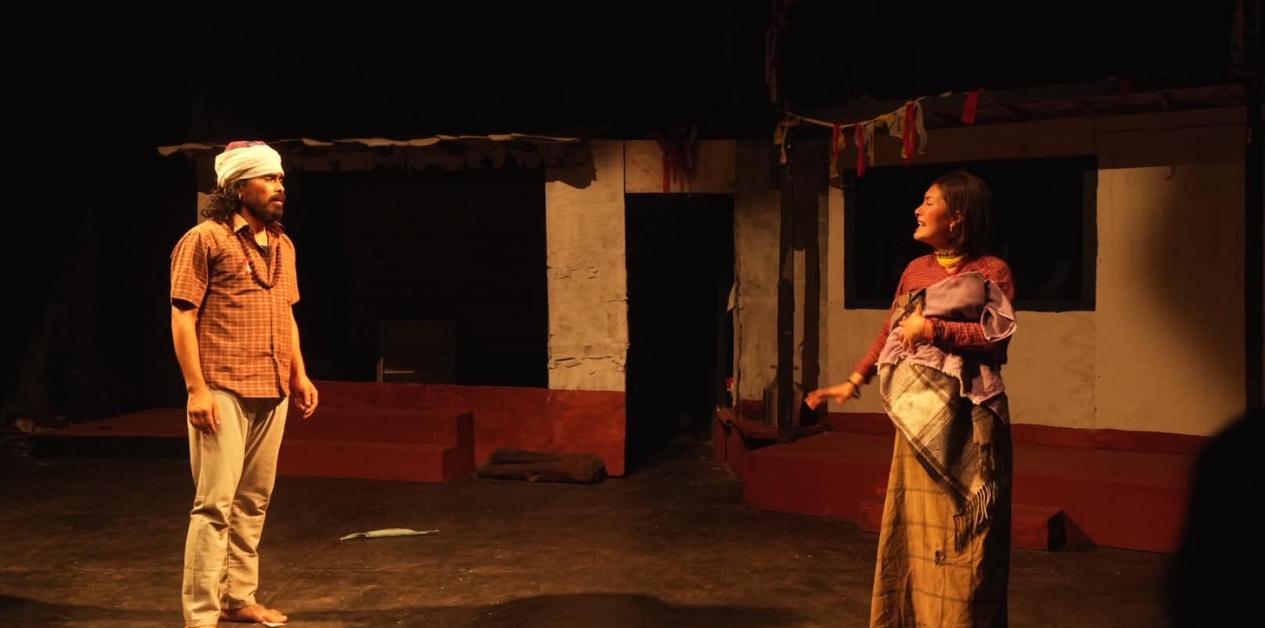
Ultimately, that very memory compelled him to write the play Achheta. The play he wrote is currently being staged at the Shilpee Theatre located in Battisputali, Kathmandu.
Active in the theater world for 12 years, Govinda Sunar has acted in plays such as Metacid, Garbha Chhita, Lati Ko Chhora, and Hiubhanda Chiso, while Achheta marks his second directorial venture. Prior to this, he had directed Pampha Phool. He has also acted in movies like Prakash, Modibeni, and Lalibazar.
Achheta is a realistic play that carries the suffering of the Karnali region. The story is told from the perspective of a couple who lost two children due to the inability to receive timely medical treatment. Issues of caste and class discrimination are woven into that very story. The play also presents a realistic depiction of the mindset of government health agencies, local leaders, and the general public.
Direction and casting
A writer is free when it comes to deciding what kind of world to create within a story. The director takes on the responsibility of showing how that world looks on the outside. When the writer and the director are the same person, the challenges naturally multiply. In Achheta, Govinda Sunar carries this exact challenge on his shoulders.
He experiences that while being the writer allows him to think about many things visually, the challenge of projecting that onto the stage as a director falls entirely on himself. Since it is a story he has personally seen and lived through, he feels an equal amount of affection for every single scene.
He had initially written the story of this play for a short film. Speaking about the added challenges of adapting it into a theater play, he says, “One can easily write a scene where the moon is rising above and a song is being sung below, but how to display that on stage becomes the challenge.”
In Achheta, not only the story and the language, but all the actors belong to the Karnali region as well. The cast of Achheta includes actors such as Jhaken BC, Susmita Kunwar, Dhanraj Sunar, Shubhas Khatri, Junmaya Pariyar, Apsara KC, Keshav Rokaya, and Dipesh Khatri, with Eight individuals performing in a theater play for the very first time. “I was looking for actors from that very community, who are living that exact life. Someone who could feel everything, so it wouldn’t look like mere acting. Therefore, I brought along friends whom I mostly see around the village area,” Govinda Sunar says. “The friend playing the character of the Ward Chairman is the Karnali Province coordinator of the Gen Z protest. The brother playing the Dhami (shaman) is from Jumla itself, coming from a family that actively practices shamanism.”
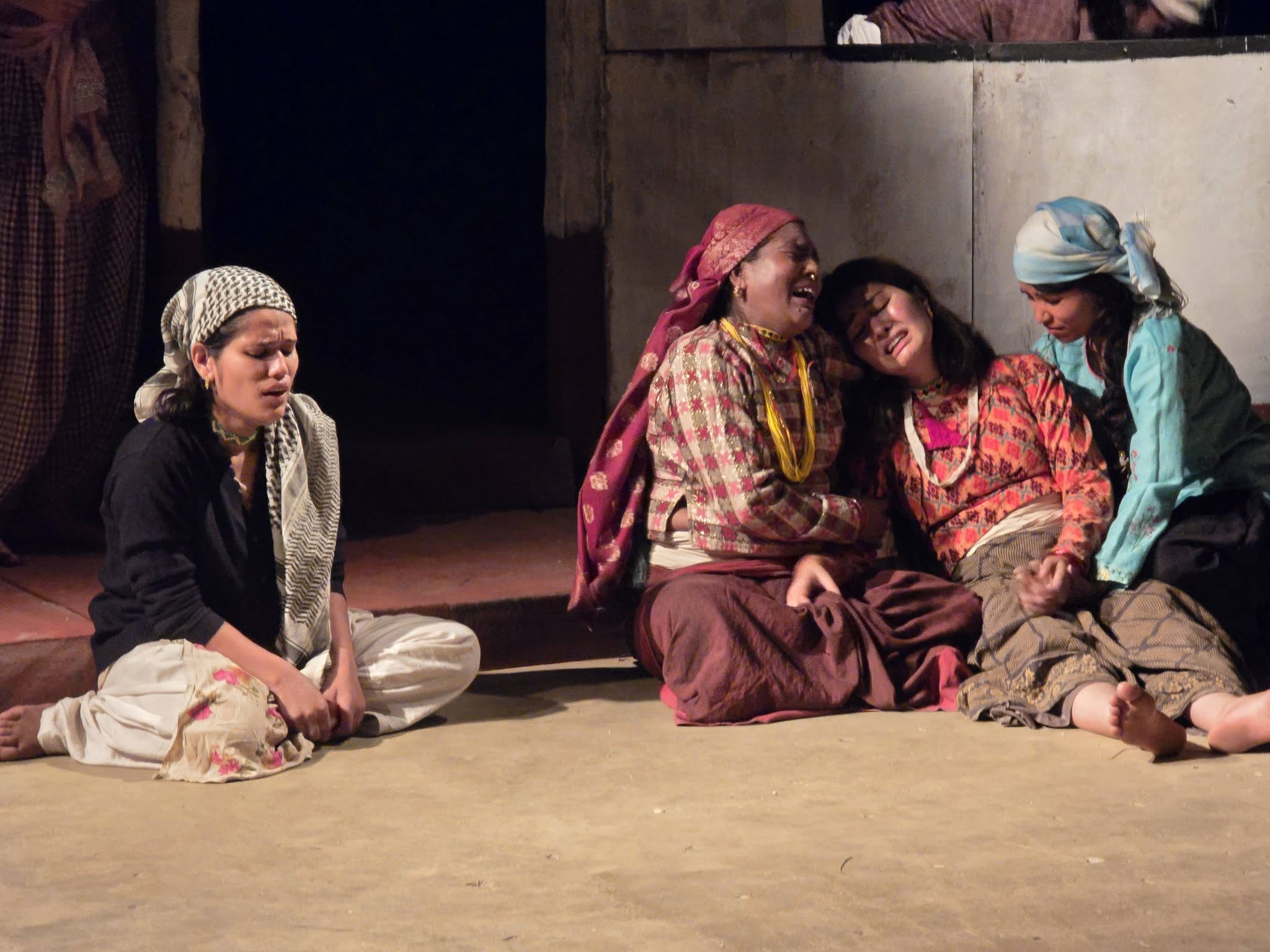
Even experienced actors can face confusion regarding what the director is trying to achieve before a play takes structural shape. Newcomers naturally require time to familiarize themselves with the theater process. Govinda Sunar shares that while conducting rehearsals for an entire month, the actors of Achheta also grew confused and anxious. He says, “Some even felt like we were just wasting time.”
The situation reached a point where internal friction almost occurred. It was only after staging a show at the Kantipur Theatre that they finally calmed down and felt happy. After the first show, however, Govinda Sunar was terrified about how the audience would react.
“I felt hesitant whether to go out and meet the audience or not. The senior brothers of the team said it went well, and the audience liked it too,” he shares.
Kala Ghar
Active in the Nepali theater scene for nearly one decade, Govinda Sunar finds this field to be nothing less than an addiction. Looking through the lens of that addiction, he viewed theater not as an individual pursuit but as a space for collective work. To survive in theater and sustain himself in Kathmandu, he opened Kala Ghar.
Kala Ghar houses a studio where recording, mixing, and mastering all take place. It features a workshop hall where workshops and rehearsals for films and plays are held. Govinda Sunar eats and lives right there. He explains that this setup allows him to remain constantly connected to the various facets of the art he loves.
Govinda Sunar’s daily routine begins right inside Kala Ghar. He says, “I wake up in the morning and clean the café. Four of the theater actors are eating and living here at Kala Ghar. Everything from preparing and consuming tea and food to discussing how to promote the play happens right here.”
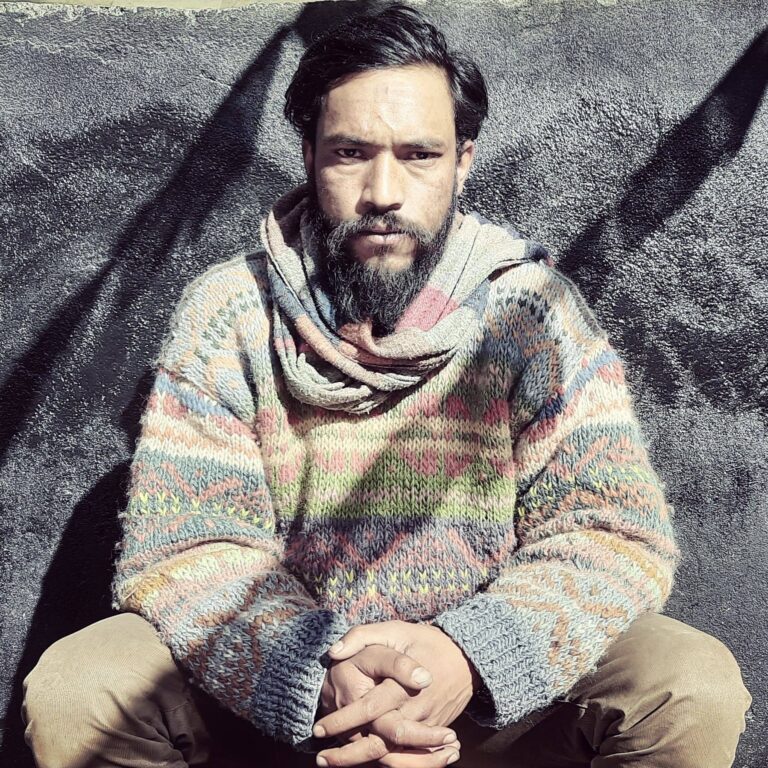
Kala Ghar, located in Sankhamul, is an “artistic hub” in his words. He says, “It was started so that anyone could have a space to come, read, write, do theater, or engage in other creative work. Right now, the money to pay the rent comes from selling tea. The play Acheta was also made possible because of Kala Ghar.”
Achheta was selected to be staged at the tri-national theater festival organized by the Sangeet Natak Akademi (Music and Drama Academy). At that time, Govinda Sunar was not financially prepared. The amount given by the Academy combined with loans borrowed from friends did not even cover half of the total cost.
“No matter which way you turn, it always comes down to money. We had no money even when working on the set; while staging it at Kantipur, the set of the play Seto Dharti was adjusted here and there to create the Karnali setting,” Govinda Sunar recalls. “At Shilpee, we utilized the set of the play Sickle Cell that had been staged right before us. We also received a small discount on the hall rent.”
Before establishing Kala Ghar in Kathmandu, Govinda Sunar had built Anni Ghar in Jumla itself. Its concept was similar to Kala Ghar, aimed at creating a confluence of art complete with a cafe. However, due to a shortage of space, it could not become possible in Jumla. He then came to Kathmandu.
“No matter how much one does, the birthplace remains the birthplace,” he says. “The plan is to return there in old age, after establishing myself and creating an environment where people believe in me.”
Issues and reactions
After watching the play Achheta, Govinda Sunar met some people who claimed that the caste and class discrimination depicted in the play used to happen in the past but does not exist today. “People migrated from Karnali to other places and came to Kathmandu, and now they say discrimination does not exist. I felt that they simply do not want this reality to be shown.”
However, his own experience says that characters like Dal from Achheta still exist in the villages today, where people who are crafting sickles, hammers, and idols are yet not treated like human beings even today. In the villages, people are still dying because they cannot reach a health post when labor pains start, while those who can afford it catch a flight to Lucknow even for a simple headache.
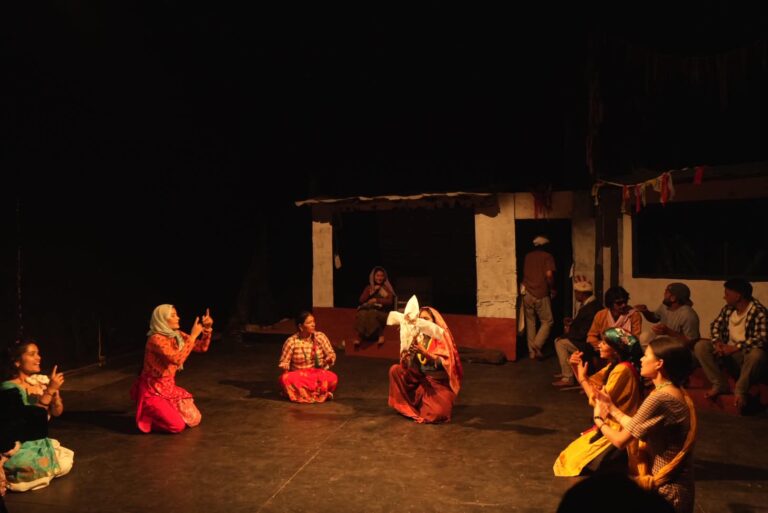
Why blame only the villages? Incidents of denying room rentals in Kathmandu based solely on caste are being repeated today just as they were yesterday. “Even when opening this café, people treated me differently upon hearing my surname,” he shares.
The main purpose behind Govinda Sunar writing and staging the play Achheta is to raise a voice against this very discrimination. He believes that Achheta and plays like it will spark debates, however small, against a discriminatory society.
Society spoke the language of discrimination with Govinda Sunar and subjected him to discriminatory treatment. He concludes, “I turned that very discrimination into stories and plays, giving it the form of art. For me, art itself is the language of rebellion.”