Kathmandu
Friday, July 17, 2026





The underground brown sugar network spanning Nepal's border regions and cities
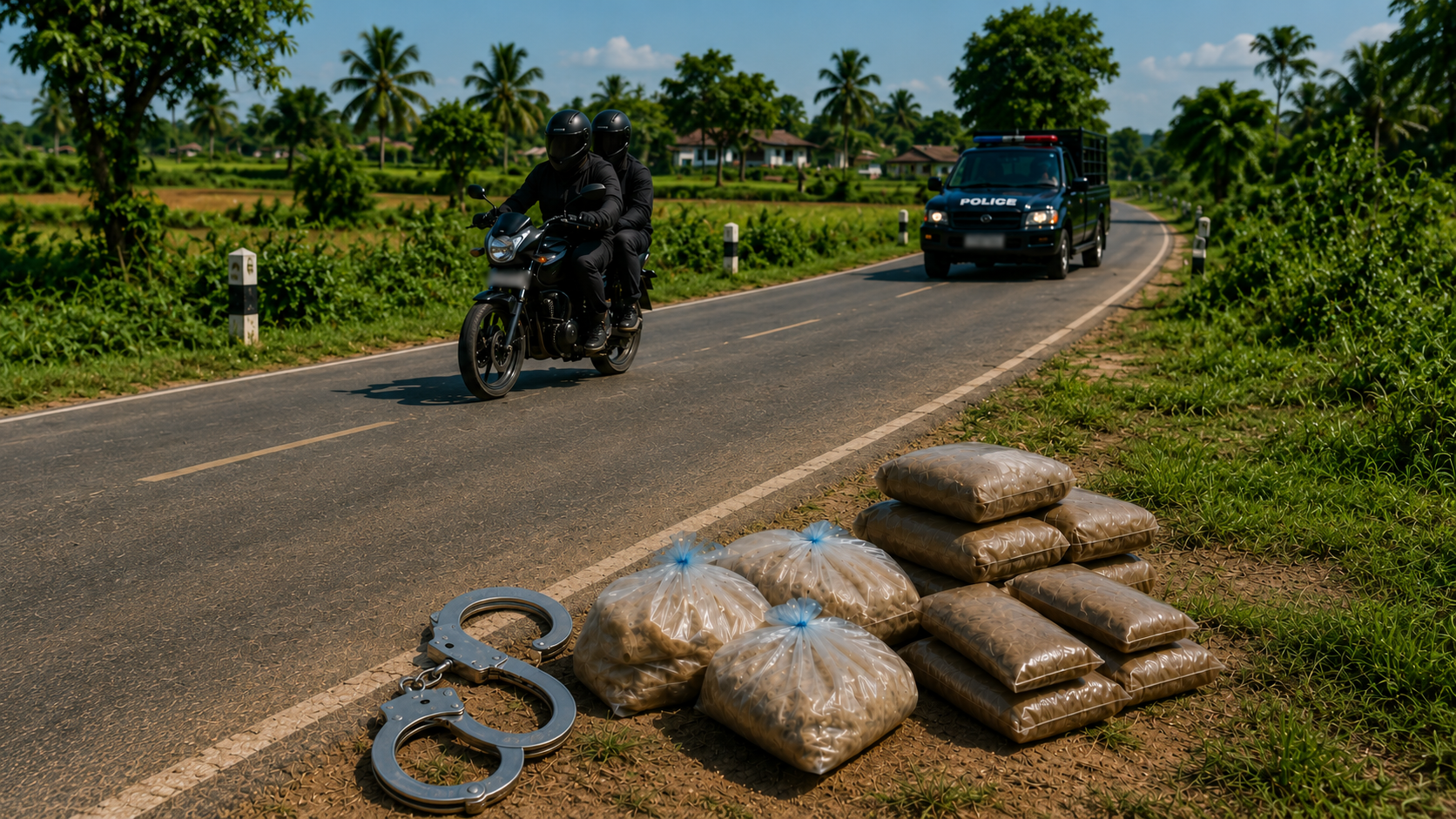
KATHMANDU: On the night of April 20, 8:20 PM, police fired warning shots in Ratuwamai Municipality of Morang to apprehend brown sugar (brown heroin) traffickers. During this operation, 21-year-old Aabid Miya of Ratuwamai Municipality-1, Hatiyadanda, was arrested. Miya was entering Nepal from India with brown sugar on a motorcycle bearing the registration number BR 38 AD 5390.
Miya had barely stepped onto Nepali soil when the police surrounded him. When he accelerated his motorcycle to flee, police fired two rounds from a pistol. Brown sugar weighing 447.890 grams was recovered from his possession. Following a case filed by the Sijuwa Area Police Office, Miya is currently in judicial custody pending trial.
On April 25, Banke police opened fire near Shanti Chowk in Nepalgunj Sub-Metropolitan City-22 to capture drug traffickers. During this incident, three individuals, including 28-year-old Dinesh Baskhor of Nepalgunj-22, were arrested with 370 grams of brown sugar, according to Superintendent of Police (SP) Angur G.C., the chief of Banke District Police.
On April 25, 2025 Jhapa police also opened fire on the Surunga-Jhapa road section located in Tallo Chapramari of Kankai Municipality-5. Police fired shots after brown sugar traffickers riding a motorcycle with the registration number BR 379198 attempted to escape. The Indian nationals fled back toward India, leaving behind 200 grams of brown sugar and the motorcycle.
These accounts are representative cases of brown sugar transportation and trafficking. In recent years, brown sugar smuggling has ceased to be a minor, petty theft operation. Under the cover of an open border, drug traffickers have begun transporting brown sugar in an organized and audacious manner. Consequently, police have been patrolling the border areas throughout the night to control drug trafficking. During these operations, police have resorted to warning shots in the air and, in some instances, shooting below the knee to apprehend the traffickers. Banke Police Chief SP G.C. states, “The brown sugar network is no longer confined to petty smuggling. Traffickers attempt to flee by risking their lives to evade arrest. Sometimes, the police are compelled to fire shots to protect their own lives and to bring the smugglers under control.”
The ‘Mega-Campaign’ to control drugs
The brown sugar trade has now expanded across most districts from the east to the west of Nepal that share a border with India. In recent years, the eastern region of Nepal has emerged as the most active ‘hub’ for this business. Due to the open border, easy movement, and access to cross-border criminal networks, the transportation, sale, and consumption of brown sugar have been spreading rapidly in eastern Nepal. Following the escalation of drug abuse and trafficking to the surface, police have launched a ‘Mega-Campaign Against Drugs’ in Morang for its mitigation.
Initially, based on information regarding the rise in drug consumption and sales, the police conducted a one-month ‘Drug-Free Morang Campaign-2026’ starting from April 14. The campaign revealed an alarming state of drug trafficking and users. According to Morang’s Superintendent of Police (SP) Kabit Katwal, 821 grams of brown sugar was seized during the one-month campaign. Additionally, 436 individuals were arrested along with 92 kilograms of marijuana, 44 ampoules and 9,464 tablets of pharmaceutical drugs, and 9 grams of hashish. The police filed cases against 36 individuals, handed over 397 individuals to their relatives after psychological counseling, and sent three individuals to rehabilitation centers.
Following this, a drug mega-campaign has been ongoing in Morang, inaugurated on May 24 by Chief Minister of Koshi Province Hikmat Kumar Karki and Inspector General of Police (IGP) Dan Bahadur Karki. In this mega-campaign, controlling brown sugar is the main priority. SP Katwal says, “Since the number of drug users is increasing day by day, it has become difficult to prevent and mitigate it solely through police efforts. We have launched this mega-campaign to ensure the support, cooperation, participation, and activeness of all sectors and bodies, including individuals, families, and society.”
Looking at a province-wise basis, drug-related cases registered in Koshi have increased. In the data of the fiscal year 2024/25, 5,061 drug cases were registered across the country. Out of these, 1,437 cases were registered in Koshi Province alone. During that year, while 7,890 individuals were arrested across all seven provinces, 2,203 individuals were apprehended in Koshi alone. Among the 14 districts of Koshi Province, Morang accounts for a large number of arrests. In Morang, 611 individuals were arrested and 417 cases were registered during that fiscal year.
Five-year data also indicates that the trade of marijuana and brown sugar has increased in Morang. According to Morang’s SP Katwal, 6,650 kilograms of marijuana and 1 kilogram 768 grams of brown sugar were seized in FY 2024/25. The seizure of brown sugar, which stood at just 194 grams in FY 2021/22, has escalated to 1 kilo 768 grams over five years.
SP Katwal states that the main reasons for the rapid spread of drug consumption and trafficking in Morang are the open border and the influence of cross-border smuggling networks. “The easy access of the open border has made it even easier for traffickers to bring brown sugar into Nepal from India, because of which the border region is now becoming not just a transit point for drug trafficking, but also a consumption center,” Katwal says.
The economy of brown sugar
The network of drug trafficking is not limited to border towns or secret hideouts; it has begun spreading nationwide. In mid-April to mid-May, police arrested 1,056 traffickers from across the country, with the highest number of arrests occurring in Koshi Province. Arrests included 171 in Kathmandu Valley, 206 in Koshi, 70 in Madhesh, 154 in Bagmati, 56 in Gandaki, 169 in Lumbini, 21 in Karnali, and 167 in Sudurpashchim Province. Similarly, the Narcotics Control Bureau arrested 42 individuals. During that period, 1,820 kilograms of marijuana, 19 kilograms of hashish, 4 kilograms of brown sugar, 7 kilograms 974 grams of opium, and 33 grams of cocaine were seized.
According to the Narcotics Control Bureau, 47.446 kilograms of brown sugar was seized in FY 2024/25. In the current FY 2025/26, 35.43 kilograms of brown sugar has been seized up to Chaitra. “Looking at the seized quantities, the consumption and trade of brown sugar appear to have increased,” says Senior Superintendent of Police (SSP) Krishna Koirala, chief of the Bureau.
Former Deputy Inspector General of Police (DIG) Hemanta Malla Thakuri states that the seizure of up to 47 kilograms of brown sugar in a single year allows one to measure the volume of this trade. According to him, looking at global statistics, police are generally able to seize only 15 to 20 percent of the total trade. “If brown sugar trade occurs on such a massive scale in Nepal, it is an alarming situation,” Thakuri says. “From this, one can estimate how much brown sugar enters and is traded. What the police seize is only 15 to 20 percent.”
According to the police, brown sugar is traded in Nepal at prices ranging from Rs 8,000 to 12,000 per gram. At this rate, one kilogram of brown sugar costs Rs 12 million in Nepal. Converting the brown sugar seized in FY 2024/25 (47.446 kilograms) into trade value amounts to Rs 560 million. “It is terrifying that this quantity of brown sugar seized by police in a year represents only 15 to 20 percent of the total trade,” says former DIG Thakuri. If the total trade is calculated, the monetary figure reaches billions.
White Heroin
In the Nepali market, brown sugar is sold in small units (milligrams). Police claim that the use of brown sugar has risen because it is somewhat cheaper than other chemical-based drugs and is easily available around the border areas.
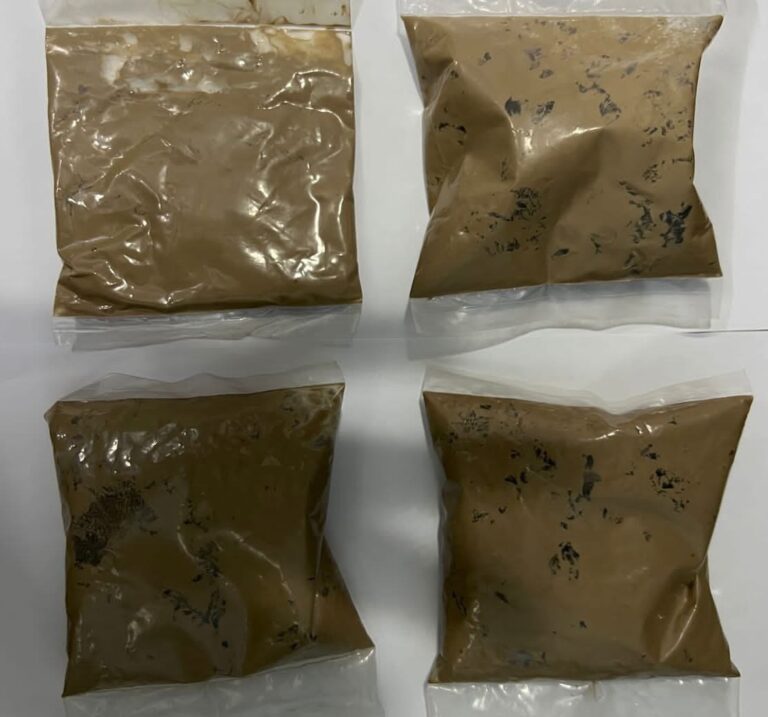
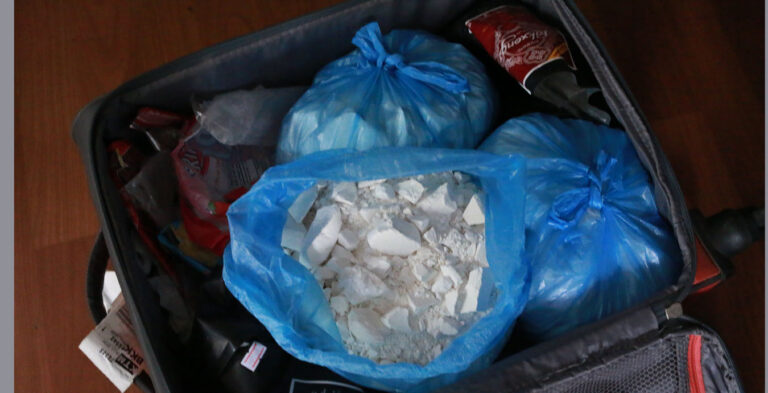
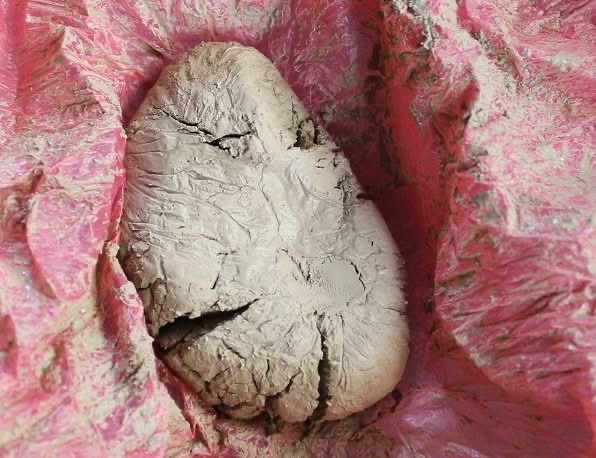
Brown sugar is derived from opium. Brown sugar, or brown heroin, is produced in laboratories by extracting morphine from opium and mixing it with a chemical called acetic anhydride. Heroin that undergoes sophisticated refinement in a laboratory, however, becomes white. Former DIG Thakuri explains that since making brown sugar does not require a factory, it can easily be manufactured in places where opium is cultivated. It can be prepared at an individual level by mixing chemicals. “In places where opium is cultivated, brown sugar is easily produced,” he says.
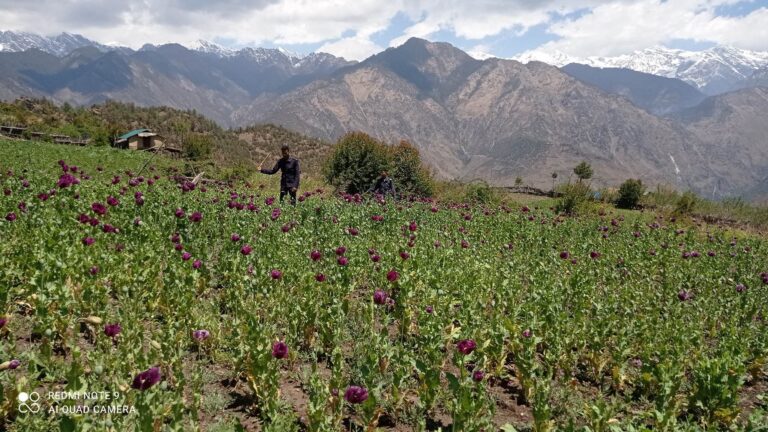
Opium Cultivation
According to former DIG Thakuri, opium cultivation takes place in certain areas of India adjacent to Nepal, including Barabanki and Gonda, which border Nepal’s southern frontier. Opium cultivation is also flourishing within Nepal, and this opium is smuggled into India. Thakuri claims that the opium cultivation occurring inside Nepal is driven by the interests of Indian smugglers. “The brown sugar being used in Nepal belongs not just to India but to this place as well,” he says. The Bureau notes that opium cultivation exists in districts such as Makawanpur, Dhading, Rukum East, Rukum West, Jajarkot, Baglung, and Kalikot.
High-grade heroin produced in countries like India, Afghanistan, Myanmar, Pakistan, and Mexico reaches South Asia, Europe, and American countries. Former DIG Thakuri states that white heroin manufactured in Afghanistan, Myanmar, and Pakistan is smuggled to Europe using Nepal as a transit point.
The brown sugar used in Nepal is a low-grade heroin. It is called brown heroin because of its brown color. Heroin produced from morphine and chemicals that have not been completely purified results in a brown color. “The two neighboring countries, India and China, are major producers of chemicals; such chemicals are even brought into Nepal to manufacture brown sugar,” Thakuri says.
Nepal Police Spokesperson, Deputy Inspector General (DIG) Abi Narayann Kafle, states that the mega-campaign against drugs will be gradually extended to other districts beyond Morang. “We will make the campaign nationwide; our plan includes providing counseling to users or taking them to rehabilitation centers, and taking maximum legal action against traffickers,” Karki says. “To control drugs, the police maintain strict surveillance in the border areas.”
The drug challenge in Nepal
According to the ‘National Survey on Drug Users, 2019’ conducted by the Ministry of Home Affairs in 2019, there were 130,424 drug users in Nepal. Among them, 93.3 percent were male and 6.7 percent were female. Since no such survey has been conducted since then, there is no precise current data on the number of drug users. However, looking at data from 2012 BS to 2019 BS, the survey showed an annual growth rate of 5 percent among users.
Primary drug users in Nepal mainly consume eight types of drugs. Among them, marijuana users constitute 80.4 percent. The survey mentioned that out of total users, 9.4 percent used pharmaceutical diazepam and 4.7 percent used opiate substances. However, police now estimate that users of the opiate substance brown sugar have outnumbered diazepam users. “Since a new survey has not been conducted, it cannot be stated with absolute certainty, but the trade and consumption of brown sugar derived from opium clearly appear to have increased,” says Central Police Spokesperson, DIG Kafle.
Another set of statistics from the Nepal Police shows that society is being plagued by drugs. According to the police, out of 26,000 inmates in Oct-Nov 2021, 21 percent were involved in drug cases. Bureau Chief SSP Koirala states that this figure has risen to reach 24.5 percent by the year 2026. This indicates that one-fourth of the total prison population consists of individuals jailed over drug cases. Currently, there are 26,842 inmates in prisons. Numerous other problems stem from drug abuse. DIG Karki notes that drugs lead to an increase in crimes such as theft and robbery, cause health and mental illnesses, family disputes, unemployment, financial crises, suicides, accidents, and create fear, instability, and unrest in society.
The primary source of drugs within Nepal is marijuana. For this reason, current legal provisions prohibit marijuana cultivation, production, and distribution. There is widespread public interest in lifting this ban. It is a common perception that if the ban on commercial cultivation of marijuana in Nepal is lifted, it would generate substantial income and improve the living standards of farmers. However, no study has been conducted so far regarding the level of harmful elements present in the marijuana found in Nepal. Hashish is produced by processing marijuana. In Nepal, crude hashish is produced by collecting the dust extracted by rubbing marijuana buds. However, police state that 90 percent of the marijuana produced in Nepal is smuggled to India. Former DIG Thakuri states that hashish processed in India finds its way back into Nepal. He claims that hashish processed in India reaches South Asia, Europe, and American countries. “That is why the demand for marijuana is high in India, and this is the reason behind the emphasis on taking marijuana cultivated in Nepal to India through the border areas,” Thakuri says.
State investment is not in control
Various efforts have been made at national and international levels to control and prevent the illicit production, use, transportation, and stockpiling of drugs. Government-level work in drug control began in Nepal after the implementation of the Narcotic Drugs (Control) Act, 1976. The Ministry of Home Affairs conducts awareness programs aimed at reducing the number of drug users.
However, the Ministry of Home Affairs’ drug control response is almost negligible. The Ministry of Home Affairs only runs corrective programs targeted at pharmaceutical drug users in Nepal. These include programs like celebrating Drug Day, monitoring rehabilitation centers, and providing training. Apart from this, starting from the year 2024, the Ministry of Home Affairs has been allocating a budget of two to five hundred thousand rupees per district to conduct programs for controlling pharmaceutical drugs. Additionally, the Ministry merely issues directives to the police to maintain strict surveillance in districts where drug trafficking occurs. Ministry of Home Affairs Spokesperson Aananda Kafle says, “The Ministry allocates some budget for corrective campaigns, and conducts training and monitoring in coordination with stakeholders.”
The Ministry of Home Affairs lacks a plan regarding the control of expensive drugs entering Nepal via Western countries. To collect information on international traffickers, police are operating independently and riskily, deploying in the guise of drug users. Such traffickers are many times ahead of the police. The Narcotics Control Bureau is under-resourced. There is a lack of resources even for structural reforms of daily administrative tasks. The budget required for intelligence collection must be requested from other agencies. “Since the police require resources to work effectively in drug control, the state must invest,” says former DIG Thakuri. “In a situation where the state does not invest, the police cannot take effective steps relying solely on requested assistance.”
Indian nationals and a small number of citizens from other countries are also active in the drug trade operating in Nepal. According to Police Headquarters, among the 7,029 drug traffickers arrested up to mid-May of the current FY 2025/26, 314 were Indian nationals. During this period, 12 citizens from other countries were arrested. Similarly, in the previous FY 2024/25, out of 7,890 individuals arrested, 395 were Indians and 20 were from other countries.