Kathmandu
Tuesday, July 21, 2026






KATHMANDU: Nepal News presents today’s snapshot of Nepal’s economic activities. Get quick updates on major market movements, policy shifts, and financial developments shaping the economy of Nepal. Here are the key economic highlights for today:
NEPSE Falls 26.72 Points, Turnover Tops Rs 5.614 Billion
The Nepal Stock Exchange (NEPSE) declined by 26.72 points, or 0.96 percent, on Monday to close at 2,755.37 points, while daily turnover exceeded Rs 5.614 billion. The sensitive index fell by 4.78 points to 470.72, with the float and sensitive float indices also posting losses. A total of 13.38 million shares of 349 companies were traded through 63,719 transactions. Only 35 companies recorded gains, while 233 declined and two remained unchanged. Of the 13 traded sectors, 11 closed in the red. Hydropower, hotel and tourism, manufacturing, and commercial banking were among the major losers. Non-life insurance and the “others” group were the only sectors to post gains, rising 1.37 percent and 3.36 percent, respectively.
Finance Minister Targets Rs 1.6 Trillion Revenue with GDP Reaching Rs 7.4 Trillion
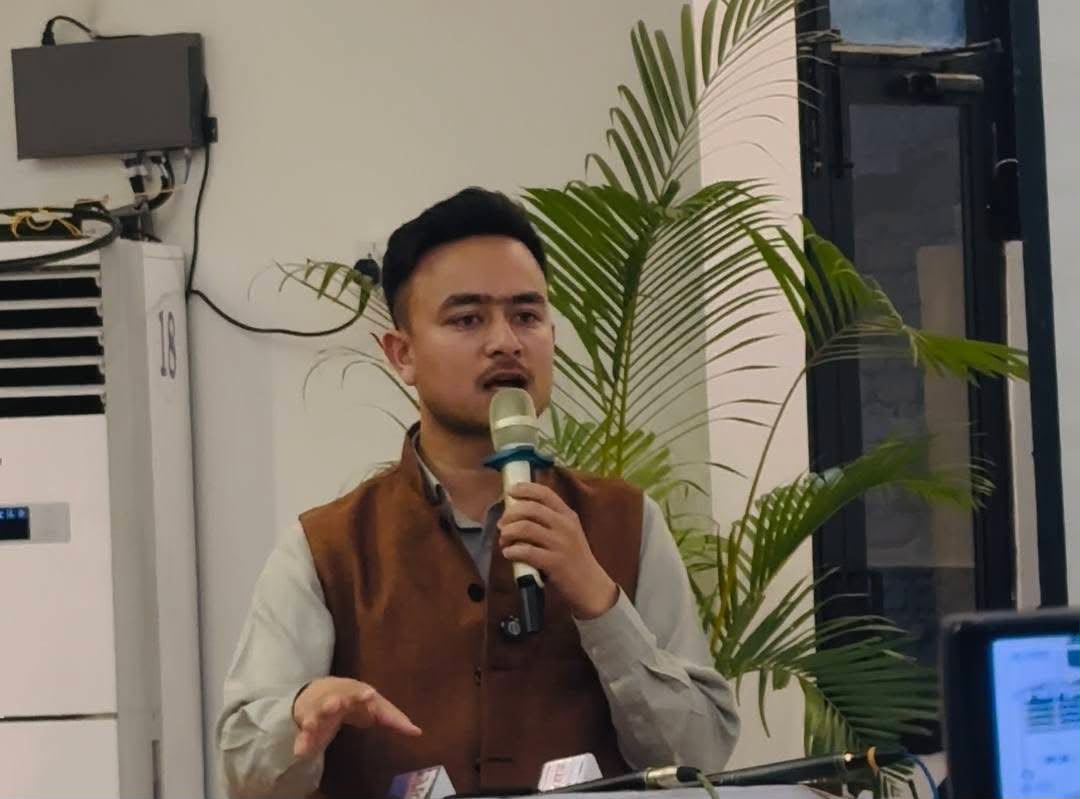
The Nepal Association of Financial Journalists (NAFJ) hosted a post-budget interaction forum today, Monday, where macroeconomic growth projections tracking the fiscal year 2026/27 budget were laid out. The state’s economic plan relies on collecting Rs 1.6 trillion in revenue to push the total gross domestic product (GDP) to Rs 7.4 trillion, aiming to secure a stable 7 percent economic growth rate. Financial headers clarified that total public debt remains sustainable at 43 percent of the GDP. To keep fiscal targets on track, consumption-based taxes will take priority, and the government will stand firm on the 5 percent value-added tax on household electricity.
NOC Keeps Fuel Prices Unchanged Despite Rising Global Costs
The Nepal Oil Corporation (NOC) has decided to keep petroleum product prices unchanged despite rising international fuel prices linked to ongoing tensions in West Asia. The decision was taken by the corporation’s board on May 31 and came into effect from June 1, prioritizing consumer welfare despite higher import costs. According to NOC, fuel prices should have increased under the automated pricing system based on revised rates from the Indian Oil Corporation. Under the existing rates, petrol remains at Rs 214.50, Rs 216, and Rs 217 per liter, while diesel and kerosene remain at Rs 222.50, Rs 224, and Rs 225 per liter, depending on location. LP gas continues to cost Rs 2,160 per cylinder. NOC said it is incurring a monthly loss of approximately Rs 628.6 million by maintaining current prices.
Govt. Outlines Foreign Aid and Loan Sources for Fiscal Year Budget
The government finalized its external financing targets today, aiming to secure Rs 61.74 billion in foreign grants and Rs 247.28 billion in external loans for the upcoming fiscal year 2026/27. Financial blueprints show the Asian Development Bank leading international aid with Rs 112.277 billion in loans and Rs 1.164 billion in grants. Concurrently, the International Development Association will provide Rs 89.876 billion in credits, while the International Monetary Fund will extend a Rs 6.30 billion structural credit facility. Bilateral agreements include Rs 23.766 billion from the United States of America and Rs 2.678 billion from China.
Ministry of Finance Allocates Rs 29 Billion to MCC Infrastructure
The Ministry of Finance allocated a total infrastructure budget of Rs 29.344 billion today to advance the execution of the Millennium Challenge Corporation (MCC) project for the fiscal year 2026/27. The approved capital sheet splits the operational budget between Rs 5.557 billion in direct state treasury funding and Rs 23.786 billion sourced via foreign grant assistance. Historical ledger modifications show the national grid project utilized Rs 2.337 billion during the fiscal year 2024/25, while the current revised expenditure tracking estimate for the fiscal year 2025/26 closes at Rs 7.491 billion.
EV Imports Through Birgunj Jump 143.6 Percent
Electric vehicle (EV) imports through the Birgunj customs point surged by 143.6 percent in value during the first 10 months of the current fiscal year, reaching more than Rs 4.02 billion, according to customs data. A total of 15,271 EVs were imported between July 17, 2025, and May 14, 2026, up from 9,042 units worth Rs 1.65 billion during the same period last year. The growth was driven mainly by electric cars, jeeps, and vans, with 657 units worth Rs 1.87 billion imported, generating Rs 1.19 billion in revenue. Imports of electric motorcycles and scooters also climbed, with 8,867 units worth Rs 1.17 billion entering through the border point. Overall vehicle and spare-parts imports through Birgunj reached Rs 31.31 billion, up 44.58 percent year-on-year.
Department Launches Automated Re-Entry Work Permit Portals
The Department of Foreign Employment launched a fully automated online work permit re-entry system today, aligning with the government’s 100-point governance improvement agenda. Developed under directives from the Ministry of Youth, Labor and Employment, the automated platform processes instant return renewals for migrant laborers returning to their previous overseas companies. To qualify for instant approvals, migrant workers must self-declare valid employer contracts and active visas inside the Foreign Employment Information Management System [FEIMS]. Furthermore, applicants must hold a passport valid for at least 3 months and submit digital receipts showing up-to-date payments into both the Social Security Fund and migrant welfare funds.
CBFIN Endorses Individual Income Tax Slabs and Diaspora Bonds
The Confederation of Banks and Financial Institutions Nepal (CBFIN) and the Nepal Chamber of Commerce issued joint statements today, welcoming the private-sector-led investment policies embedded within the fiscal year 2026/27 budget. Financial bodies strongly supported raising the personal income tax exemption ceiling to Rs 1 million and lowering the maximum tax rate from 39 percent to 29 percent. The federations also backed the introduction of specialized Diaspora Bonds to attract non-resident capital and praised the setup of a National Asset Management Company to clear non-performing loans. However, they warned that a 3 percent fee on private schools and a 5 percent value-added tax on household electricity could stress consumers.
Budget Directives Restructure Nepal Reinsurance Mandating 20% Local Retention
The Ministry of Finance introduced sweeping insurance market mandates inside the fiscal year 2026/27 budget today, requiring domestic commercial insurance firms to route at least 20 percent of their total sum-insured liabilities through the state-owned Nepal Reinsurance Company. The institutional shake-up positions the government enterprise as the lead manager for all long-term pool funds, alongside managing the social security portfolios of the Employees Provident Fund, Citizen Investment Trust, and the Health Insurance Board. Additional updates include raising the statutory third-party vehicle insurance payout cap to Rs 1 million and setting up a revolving integrated depositor protection fund to clear stuck cooperative savings accounts.
Koshi to Distribute Subsidized Fertilizer Under New Directive
The Chemical Fertilizer Subsidy Directive 2026 is set to be implemented in Koshi Province to facilitate the distribution of subsidized fertilizer to farmers. According to Krishi Samagri Company, fertilizer distribution will be carried out following decisions made by local committees comprising the local unit’s vice-chairperson, agriculture development officer, and administrative officer. A total of 15,921 metric tons of fertilizer and agricultural lime currently in stock across the 14 districts of Koshi Province and the Siraha and Saptari districts of Madhesh Province will be sold under the scheme. The stock includes 1,829 metric tons of DAP, 10,842 metric tons of urea, 3,091 metric tons of potash, and 159 metric tons of agricultural lime. Under the directive, DAP will be sold at Rs 2,200 per 50-kg bag, urea at Rs 705 per 50-kg bag, potash at Rs 1,600 per 50-kg bag, and agricultural lime at Rs 430 per 50-kg bag.
National Grid Launches Joint Venture for West Seti Transmission Project
The state-owned National Transmission Grid Company formally accelerated the construction of the West Seti transmission corridor today, establishing a special purpose vehicle entity named West Seti Transmission Limited. Organized under a public-private partnership framework, the joint infrastructure project will lay out a 145-kilometer-long, 400 kV double-circuit transmission line to connect isolated generating plants across western provinces. Technical construction blueprints show the high-voltage lines will tie the 160 MVA substation at Chainpur in Bajhang directly to the 315 MVA substation at Banlek in Doti before dropping power into the regional hub station currently under construction at Dodhara in Kailali.
Power Overloads Disrupt Industrial Operations in Dhangadhi Distribution Center
The Nepal Electricity Authority (NEA) Far-Western Regional Office recorded critical power grid deficits inside the Dhangadhi distribution center today, as local power demand spiked to 32 MVA against an active 8 MVA transformer capacity. Extreme summer heatwaves triggered severe low-voltage drops and three to four transmission line trips every single hour, interrupting regular commercial manufacturing across regional corridors. Engineering crews are working on an emergency 10-day upgrade to install a larger 24 MVA transformer unit. However, full structural relief requires building a dedicated 132 kV substation and transmission line connecting Attariya to Dhangadhi, which is currently stuck in the project design stage.
New Budget Funds Bharatpur Airport Night Flight Extensions
The Ministry of Finance announced major regional connectivity upgrades for Chitwan inside the fiscal year 2026/27 state budget today, allocating funds to upgrade Bharatpur Airport to handle night flight operations. The infrastructure plan provides Rs 440 million to reconstruct the Narayani Irrigation Project alongside the Gandak and Koshi pump setups. Additionally, the budget funds the launch of a 40-kilometer highway widening project along the Nagdhunga-Muglin section of the Prithvi Highway, sets up tunnel engineering surveys from Majhimtar to Shaktikhor, and launches localized primary education funding targeting vulnerable Chepang communities. Concurrently, state equity in the Dhauwadi Iron Mine will drop to shift it to a public-private partnership model.
Technology Federations Form Strategic Alliance to Combat Mobile Gray Market
The Computer Association of Nepal Federation (CAN Federation) and the Nepal Mobile Distributors Association (NMDA) established a strategic institutional alliance today, Monday, at the federation headquarters in Khusibu. The joint initiative aims to resolve core structural vulnerabilities within the domestic smartphone market, focusing heavily on regulating the unauthorized mobile device gray market. Both organizational committees committed to launching rigorous public policy advocacy campaigns directed at the central government to enforce the mobile device management system (MDMS) strictly. The collaborative roadmap focuses on standardizing transparent import procedures, securing business ecosystems, and curbing state tax revenue leakage caused by illegal hardware smuggling.
Himalayan Travel Mart 2026 Opens with Delegates from 27 Countries
The sixth edition of the Himalayan Travel Mart (HTM) 2026 began in Lalitpur on Monday, bringing together more than 100 international delegates from 27 countries, including 75 global buyers and representatives from over 80 tourism organizations. Organized by the Pacific Asia Travel Association Nepal Chapter under the theme “New Frontiers in Tourism,” the event aims to strengthen business ties between Nepal’s tourism industry and international markets. Speaking at the opening, Suresh Singh Budal highlighted growing global demand for sustainable, wellness-focused and authentic travel experiences, saying Nepal is well positioned to benefit. Discussions will focus on adventure tourism, sustainability, destination weddings, MICE tourism, digital payments and regenerative tourism, with organizers expecting new partnerships and business opportunities.
NICCI Welcomes Structural Custom Bracket Reforms
The Nepal-India Chamber of Commerce and Industry (NICCI) released its official structural analysis today, endorsing the Rs 2.124 trillion national budget presented for the fiscal year 2026/27. Trade analysts praised specific updates that slashed custom duties on manufacturing raw materials across 273 product classifications, keeping industrial input costs lower than finished consumer imports. Additionally, the complete abolition of excise duties on 360 individual goods and the simplification of the central customs hierarchy from 11 tiers down to seven tiers won strong backing. The chamber also supported the introduction of a low 1 percent income tax slab for earnings under Rs 1 million.
FNCCI Vice President Calls Budget 2026/27 Ambitious
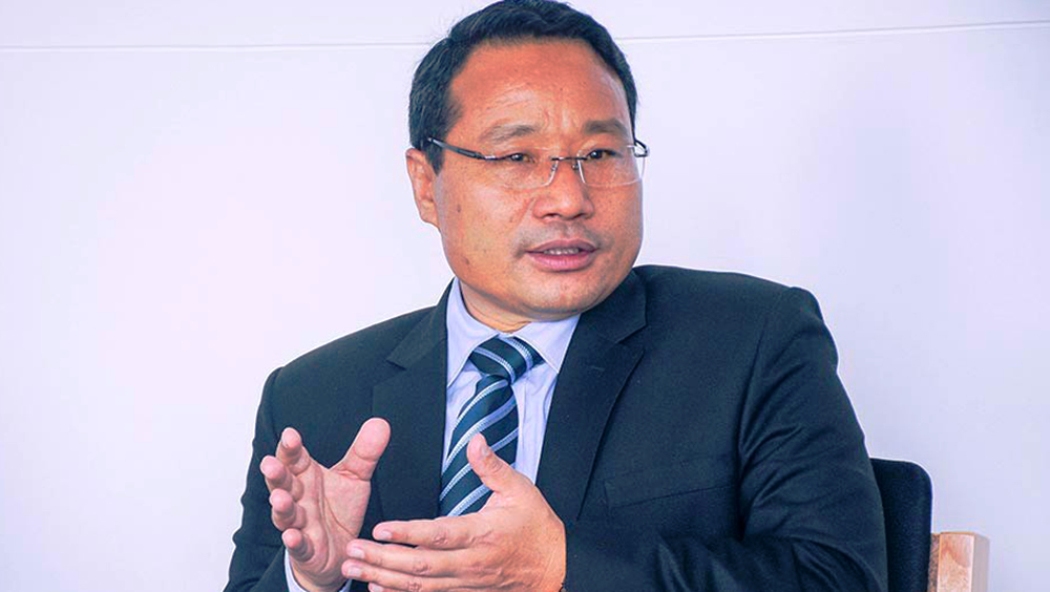
Federation of Nepalese Chambers of Commerce and Industry (FNCCI) Vice President Naresh Lal Shrestha has described the budget for fiscal year 2026/27 as ambitious, while warning of challenges in resource management and implementation. Speaking at a post-budget discussion organized by the Nepal Association of Financial Journalism (NAFIJ), Shrestha welcomed measures such as raising the personal income tax threshold to Rs 1 million, easing investment procedures through the Investment Board, plans for an AI compute center, and startup support programs. However, he urged the government to reconsider taxes on higher electricity consumption, education, health services, and electric vehicles, arguing they would burden consumers and the private sector. He also called for reforms to environmental approval processes, customs concessions for hotel infrastructure and raw materials, and stronger support for exports, warning that implementation failures have undermined previous budgets.
Sanigaad Hydro Opens IPO Today
Sanigaad Hydro Company formally launched its initial public offering (IPO) for the general public today, Monday, issuing 4,674,000 ordinary shares valued at Rs 100 per unit to raise Rs 467.4 million. The public equity tranche follows specialized subscription phases reserved for project-affected locals, migrant workers, and institutional funds out of an authorized 30 percent capital allocation totaling 8,550,000 shares. Individual retail investors can apply for a minimum of 10 units up to a maximum cap of 20,000 units via the C-ASBA banking platform until June 4, with Laxmi Sunrise Capital managing the investment float.
Gold Traded at Rs 310,900, Silver at Rs 5,355 Today
The price of gold declined by Rs 200 per tola (11.66 grams) on Monday, while silver prices increased by Rs 10 per tola. According to the Federation of Nepal Gold and Silver Dealers’ Association, the price of gold was fixed at Rs 310,900 per tola on Monday. On the previous trading day, Sunday, gold was traded at Rs 311,100 per tola. Similarly, the price of silver reached Rs 5,355 per tola on Monday, up from Rs 5,345 per tola on Sunday. Notably, the price of gold had surged by Rs 20,500 per tola on Sunday.