Kathmandu
Sunday, June 21, 2026





The three-day gathering in Chitwan is more than a leadership exercise. It is a test of whether Nepal’s fastest-rising political force can build durable institutions, maintain unity, and deliver on its promises of reform and good governance.
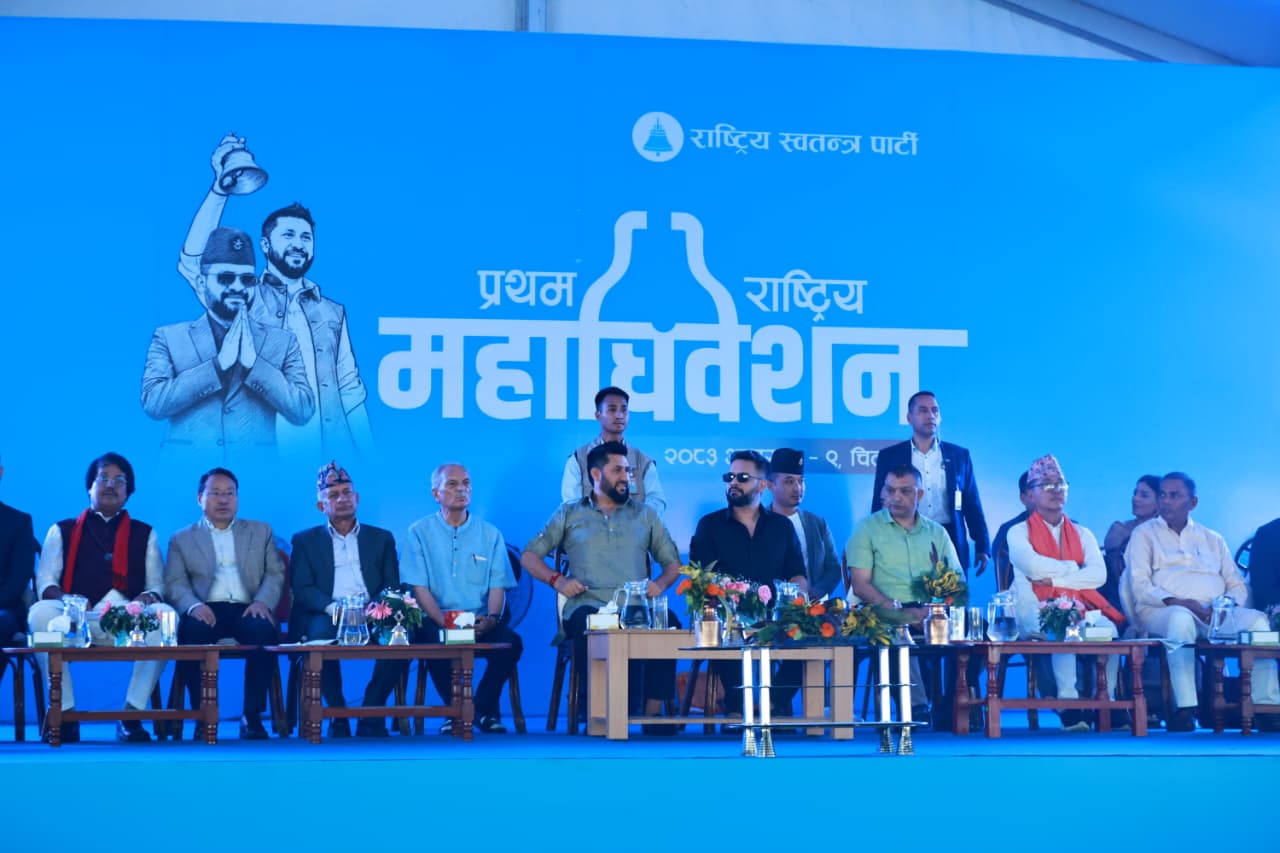
KATHMANDU: The first general convention of Nepal’s newest ruling party Rastriya Swatantra Party is arguably the most important event in its short political history. In just four years since its formation, the party has achieved what many political organizations spend decades trying to accomplish: it has moved from being an outsider movement to securing a strong electoral mandate and leading the national government.
The convention therefore represents much more than a routine organizational gathering. It is a defining test of whether the party can successfully transform itself from an election-winning movement into a durable governing institution.
Until now, much of the party’s appeal has been driven by public frustration with traditional politics, widespread demands for good governance, and a strong anti-corruption message. These themes helped it attract voters across ideological, geographic, and generational divides. However, sustaining public trust requires more than electoral success. As a governing party, it must now demonstrate that it possesses not only popular leaders but also coherent policies, strong internal institutions, and a clear long-term vision for the country.
This is why the convention carries exceptional significance. The gathering is expected to focus on refining both policy and leadership, two areas that will determine whether the party’s success becomes permanent or temporary. Winning elections is often easier than governing effectively. Political movements built around change frequently face difficulties when they transition from opposition politics to the responsibilities of state power.
The convention provides an opportunity to clarify priorities, resolve internal ambiguities, and establish a more mature organizational structure capable of supporting long-term governance.
One of the most important aspects of the convention is the transition from provisional leadership arrangements to a formally elected party structure. In many emerging political parties, early success is often centered around charismatic personalities and informal decision-making mechanisms. Over time, however, sustainable political organizations require institutional rules, internal accountability, and predictable leadership processes. The establishment of an elected central committee therefore represents an important step toward political maturity and organizational stability.
The convention is also significant because it will define the party’s ideological identity more clearly. During its rapid rise, the party successfully attracted support from voters with diverse political backgrounds who were united primarily by dissatisfaction with established parties. As a result, some questions about the party’s long-term ideological direction have remained open.
The convention provides an opportunity to clarify its position on constitutional issues, democratic institutions, federalism, governance reform, digital democracy, economic development, and social policy. Such clarity is essential because governing parties cannot rely indefinitely on protest sentiment; they must eventually present a coherent governing philosophy.
Perhaps the most important challenge facing the convention concerns governance itself. The party rose to prominence largely by promising transparency, accountability, and an end to entrenched political practices. However, many political analysts argue that corruption and weak governance are not merely government problems but are often rooted within political parties themselves. This creates a higher standard for a party that built its identity around reform. Citizens will expect it not only to demand accountability from state institutions but also to demonstrate accountability within its own structures.
This is where the convention has the potential to become transformative. If the party adopts stronger internal transparency mechanisms, rigorous financial oversight, independent auditing practices, and higher standards of internal accountability, it could establish a benchmark that reshapes expectations across Nepal’s political system. Such reforms would reinforce its claim that good governance begins within political organizations rather than merely within government offices.
The convention is also important because the party now occupies a unique position in Nepal’s political landscape. As the largest political force and the leader of the government, its actions are increasingly viewed as a reference point against which other parties are judged. Every organizational reform, policy decision, or governance initiative has implications beyond the party itself. Its success or failure could influence public confidence in broader democratic institutions and shape future political competition.
Another significant dimension involves constitutional and institutional reform. Discussions surrounding constitutional amendments, governance restructuring, and democratic modernization are likely to have implications far beyond partisan politics. The central question is no longer whether institutions should change, but whether reforms can improve accountability, efficiency, and public trust. Any proposals emerging from the convention will therefore be evaluated not only on political grounds but also on their ability to strengthen governance outcomes.
The first general convention marks the moment when the party must prove that it is more than a vehicle for electoral change. It must demonstrate that it can institutionalize its values, strengthen its internal democracy, and provide a credible roadmap for national development. Public expectations are extraordinarily high because many citizens see the party as representing a rare opportunity to break with political patterns that have dominated Nepal for decades.
The significance of the convention extends well beyond leadership elections or policy discussions. It is a test of whether a movement born out of public frustration can evolve into a stable governing force capable of delivering prosperity, good governance, social justice, and democratic reform.
The decisions made at this convention may ultimately determine not only the future of the party but also the future direction of Nepal’s political transformation.
When and where is the convention being held, and how is it structured?
The convention is running over three days, from June 21 to June 23 in Bharatpur, the headquarters of Chitwan district. The party deliberately chose this timing because June 21 also marks its foundation anniversary, since Rabi Lamichhane formally announced the party on the same date in 2022.
Chitwan was selected partly for logistical reasons, since the district sits near the geographic middle of the country and is reachable from every province within a reasonable travel time, and partly for symbolic reasons, since it is the constituency that first elected Lamichhane to parliament and has since returned him to office on three occasions.
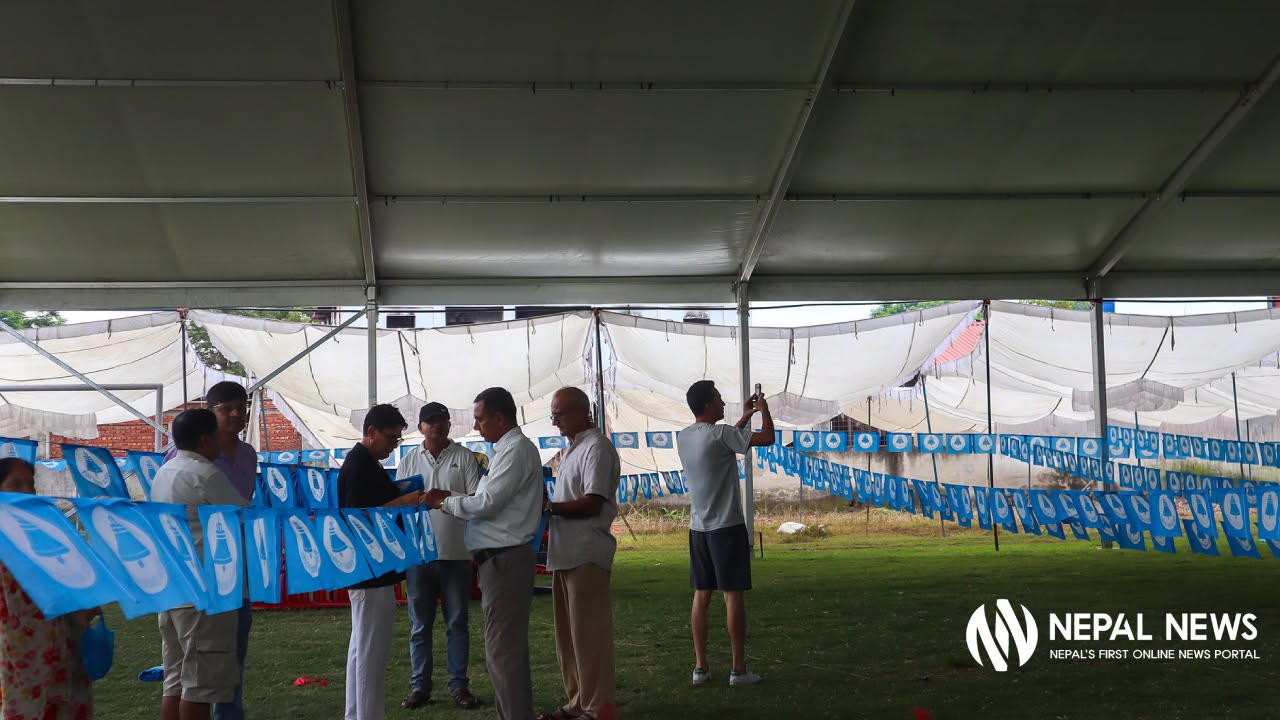
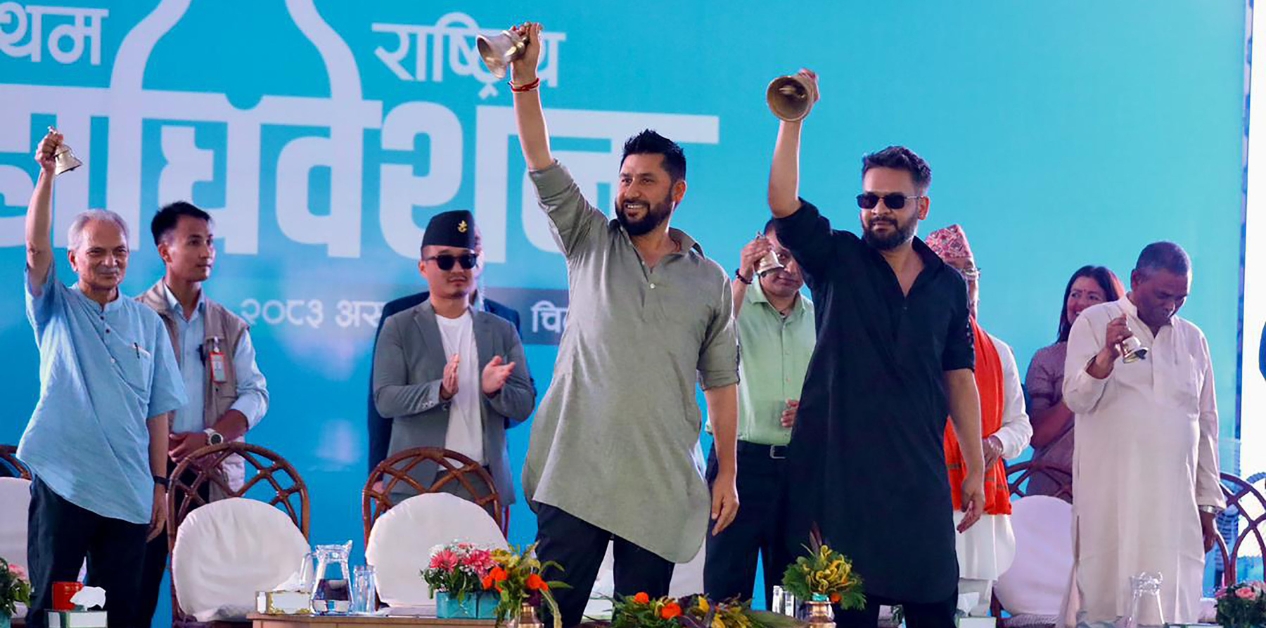
The opening ceremony was held in a large temporary structure built with aluminium framing and tensile fabric roofing at the Guest House grounds in Bharatpur, designed to withstand the heat and monsoon rain typical of the season. This open inaugural session drew a very large public crowd in addition to delegates, with organizers preparing for tens of thousands of attendees.
The closed-door working sessions, where internal debates, statute amendments, and elections will take place, are being conducted separately at the Industrial Exhibition Centre belonging to the Chitwan Chamber of Commerce and Industry, a venue chosen partly for added security given the presence of senior leaders and foreign guests.
Delegates are being housed across hotels in Bharatpur and the nearby tourist town of Sauraha because the headquarters town does not have enough rooms on its own, with each delegate responsible for booking and paying for accommodation, while the party covers catering at the closed session venue.
The original plan had placed the inaugural ceremony at a hotel complex further out in Ratnanagar Municipality, where a bamboo pavilion was already under construction, but the party’s central leadership ordered a last-minute shift to the current site after weighing the risks of extreme heat and unpredictable monsoon downpours against the more durable aluminium and fabric hangar structure available in Bharatpur.
The hangar itself was built in three interconnected sections covering close to 30,000 square feet, with organizers estimating a capacity of 10,000 to 12,000 people for the seated portions of the opening ceremony alone, while overall turnout at the open-air inaugural session, including the general public gathered outside the formal seating area, was projected by some party figures to reach into the tens of thousands.
The decision to separate the public-facing inaugural ceremony from the closed working sessions also reflects a practical need to balance two very different functions of the same event, the first being a show of political strength and public mobilization, and the second being a genuine deliberative and electoral process that requires controlled access, a manageable headcount, and a measure of privacy for internal bargaining among aspirants for various posts.
How many representatives are attending, and how were they selected?
The party finalized a total figure of slightly over 3,900 delegates, with later figures cited by some leaders running closer to 4,200 once nominated and adjustment categories were finalized. The bulk of the delegates were chosen through a layered process running upward from the grassroots, beginning with conventions at the ward and municipal levels, followed by district conventions, and then provincial conventions.
The party reported that this process had been completed in over 4,000 wards and more than 600 municipalities, along with all districts except a handful where local conventions were delayed or postponed, most notably in parts of Madhes province where the provincial convention had not been finished by the time the national gathering opened.
On top of these elected delegates, additional categories were added to reflect the party’s growth, including representatives from 33 international or diaspora committees representing party supporters abroad, a quota of delegates nominated directly by the party president as allowed under the statute, and a separate allocation for leaders and groups who have merged into the party more recently, including figures who joined through the integration of independent campaigns and smaller political movements.
Sitting members of parliament and members of the convention’s own organising committee were granted automatic delegate status.
Provincial breakdowns released by the party in the days before the convention give a sense of how representation is spread across the country, with Bagmati province sending close to 800 delegates, Madhes province sending well over 600, Lumbini province sending more than 600, Gandaki province sending around 450, and Koshi, Karnali, and Sudurpashchim provinces each contributing delegations in the range of 340 to 550, broadly proportional to population and to the strength of the party’s local organization in each area.
A further 163 delegates were reported to be travelling from foreign chapters representing Nepali communities abroad, reflecting the party’s effort to formally bring its diaspora support base into its internal decision-making rather than treating overseas members purely as a source of remittances and campaign donations.
The party’s Central Election Commission also retained a contact secretariat at the convention site itself to resolve any last-minute disputes over who qualified as a legitimate delegate, a step organizers said was necessary given how rapidly the party’s membership rolls have grown and how many local conventions were held in quick succession under tight deadlines.
Who participated from outside the RSP, and were any major leaders absent?
The inaugural session was attended by senior figures from across Nepal’s political spectrum, reflecting the convention’s status as a major national event rather than a purely internal party function.
Reports from the venue describe the arrival of Janata Samajbadi Party chairman Upendra Yadav and Janamat Party chairman CK Raut from the Madhes-based political camp, while Nepali Congress president Gagan Kumar Thapa traveled to Chitwan to convey his party’s greetings. Former Prime Minister Baburam Bhattari also attended the event.
Leaders from CPN (UML), Nepali Communist Party and smaller parties were also invited to the opening ceremony, consistent with the diplomatic courtesy that Nepali parties typically extend to one another during major conventions. Similarly, Rastriya Prajatantra Party chairman Rajendra Lingden also attended the event.
CPN (UML) chairman and former prime minister KP Sharma Oli did not attend, continuing a pattern of strained personal relations between Oli and the RSP leadership that has been visible since Balen Shah defeated Oli in the March election and since Oli’s earlier refusal of Shah’s call for shared platforms following the events of September 2025.
Another notable absentee was Nepali Communist Party coordinator Pushpa Kamal Dahal “Prachanda.” According to NCP leader Barshaman Pun, Dahal could not attend the event because of ill health.
Even where senior figures of rival parties were absent in person, most sent representatives or formal messages of greeting, since boycotting a ruling party’s first national convention altogether would carry political costs of its own.
The presence of leaders from Madhes-based parties carried particular significance given the RSP’s continuing effort to expand its support base in the southern plains, where it won 30 seats in the March 5 elections.
Gagan Thapa’s decision to personally travel to Chitwan was also notable given that the Nepali Congress is itself in the midst of an unrelated and fairly public internal dispute, suggesting that the Congress leadership saw value in being visibly present at a rival party’s moment of organizational consolidation even while managing turbulence within its own ranks.
Diplomatic missions based in Kathmandu were also among the invited guests, consistent with the convention’s framing as a national event of significance well beyond party politics, given that the RSP now controls the executive branch of government.
What did leaders say while addressing the convention?
Speeches delivered at the inaugural session offered a window into how rival and allied leaders alike are positioning themselves in relation to RSP’s rise.
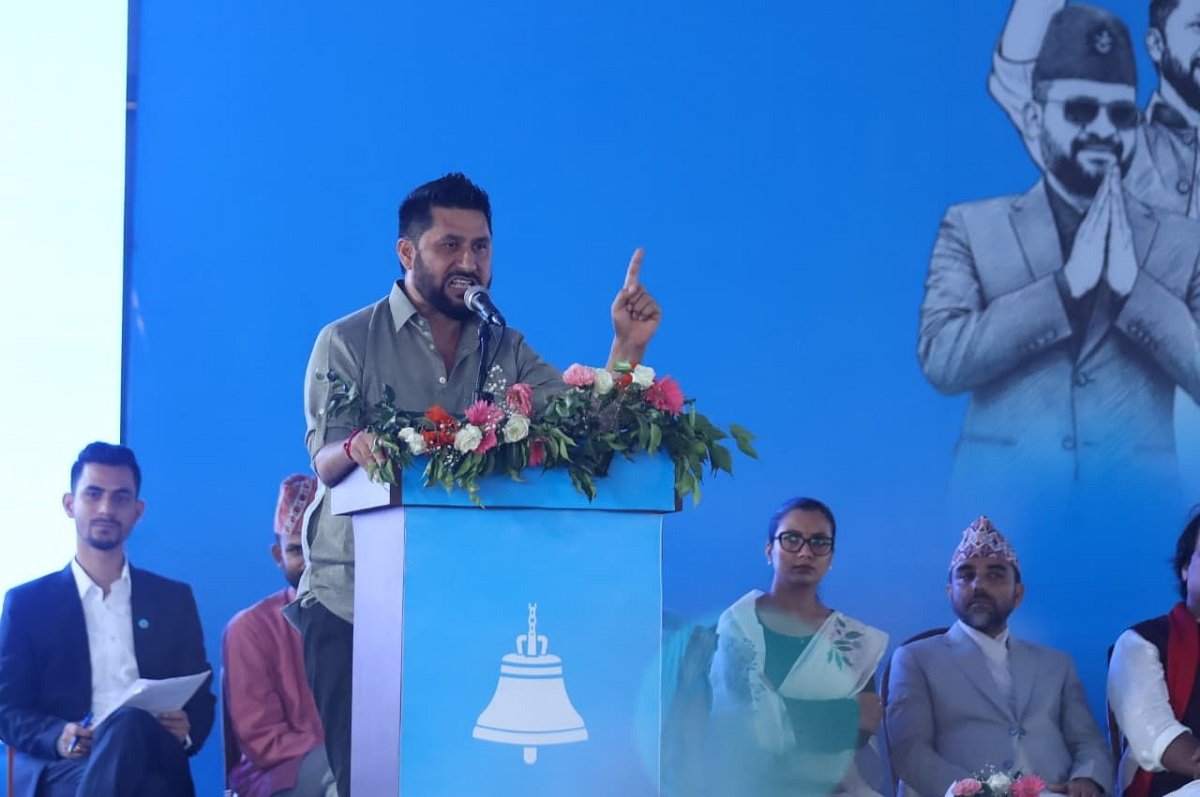
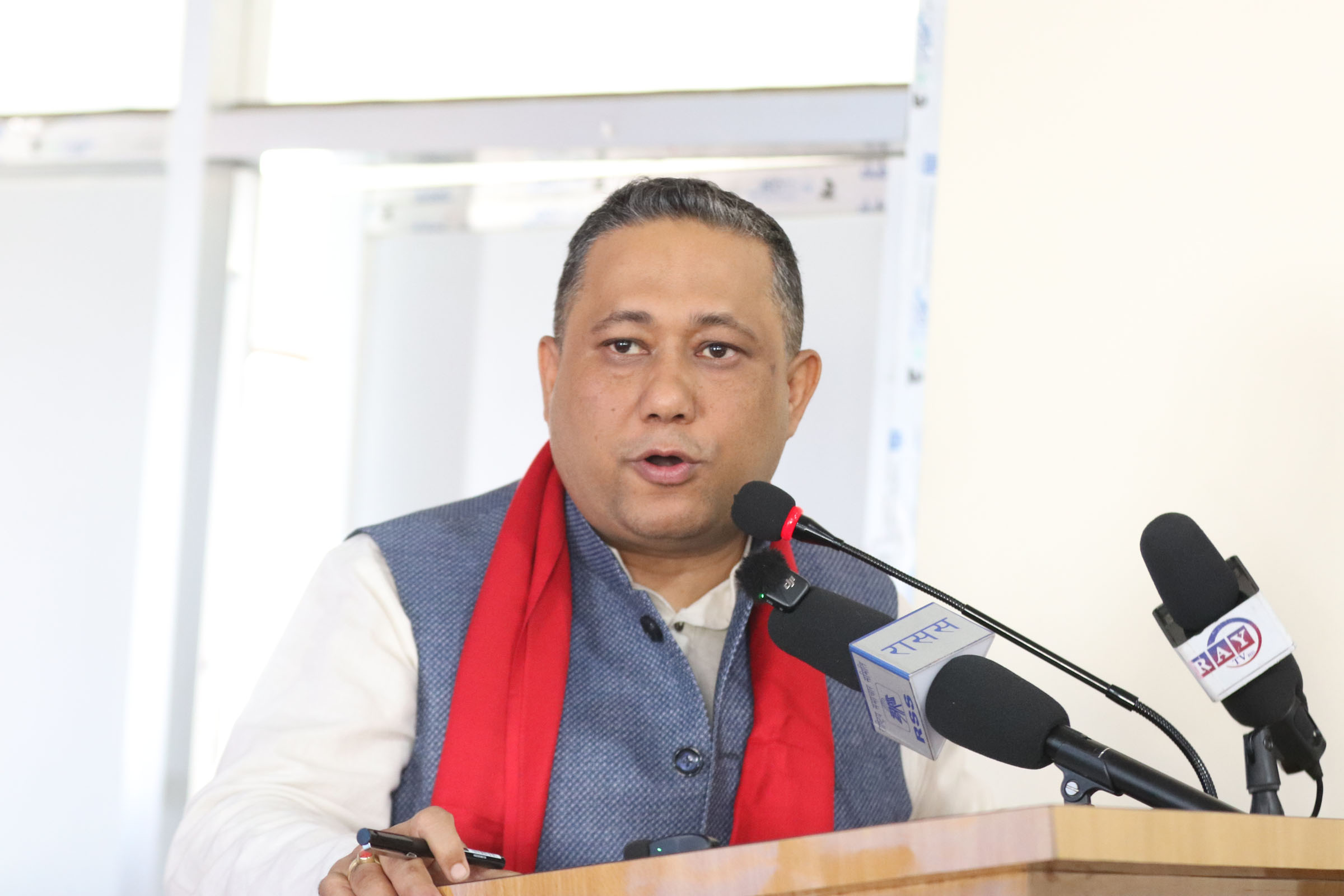
Speaking informally at the Rastriya Swatantra Party’s (RSP) first general convention, Prime Minister and RSP Senior Leader Balendra (Balen) Shah playfully began his address with, “I think about not speaking, but the day to speak arrives anyway.” Addressing critics who warned that a government requires “brakes alongside an accelerator,” Shah countered that such concerns only apply to driving on local roads. Asserting that his administration is not a local vehicle but an “expressway” train, he emphasized that the government is fully controlled but will not slow down until its national goals are successfully achieved.
Addressing the opening session of the general convention, Party Chairman Rabi Lamichhane assured leaders of other political parties that the country is secure under their stewardship. “The nation is in RSP’s hands, and the nation is safe,” Lamichhane asserted. He added that the shifting political landscape has now transformed the RSP into the most powerful party in the country.
Nepali Congress President Gagan Kumar Thapa praised the Rastriya Swatantra Party (RSP) for gaining extraordinary public support within just four years of its formation, calling its rapid rise deeply enviable. Thapa cautioned the new political force to avoid the pitfalls of power and arrogance. He highlighted that while such massive mandates have occurred three or four times in Nepal’s history, they repeatedly ended in disaster because past leaders succumbed to internal ego clashes and forgot the democratic limits of power.
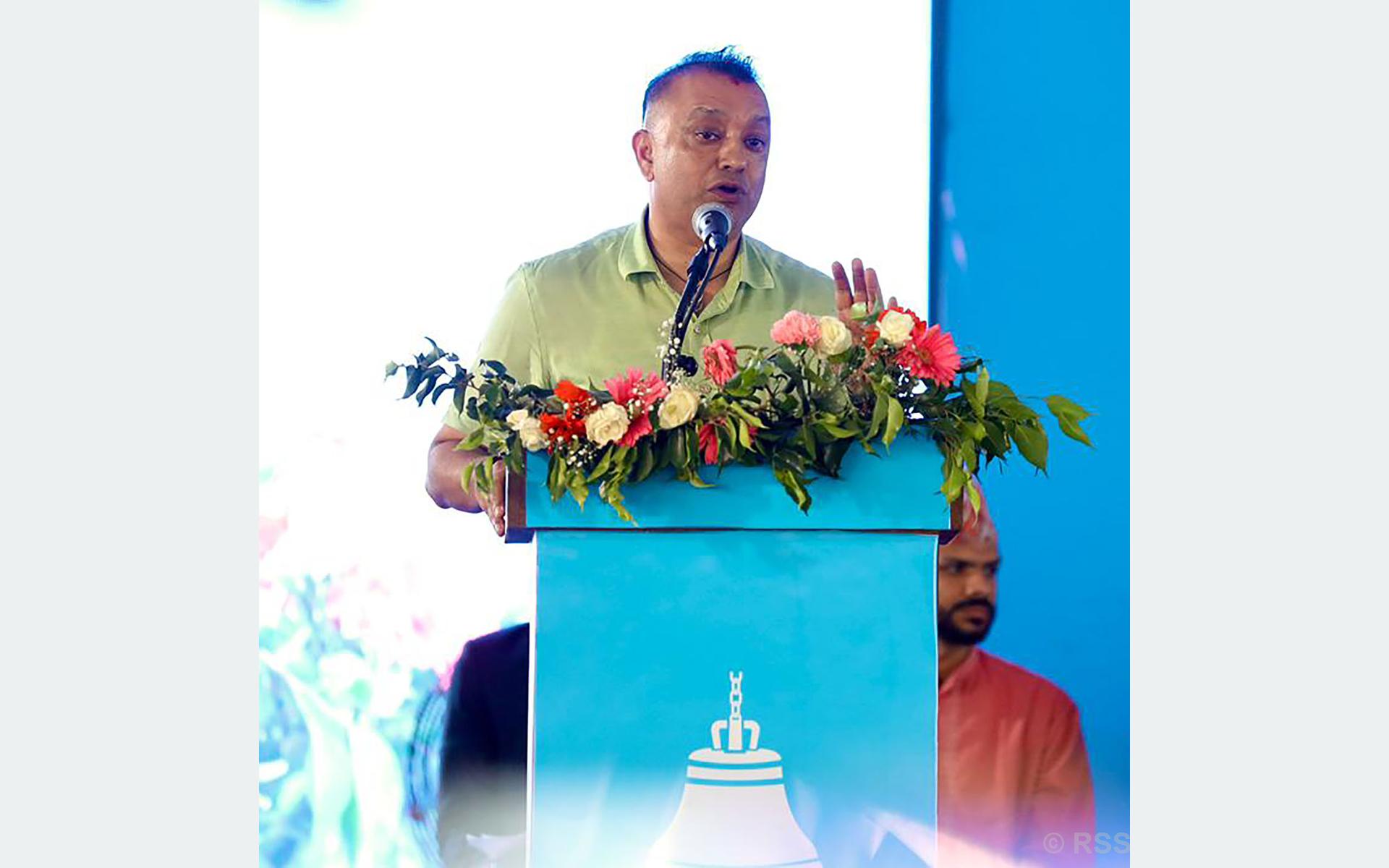
Nepali Congress President Gagan Kumar Thapa
Former Prime Minister Baburam Bhattarai said he regards the Rastriya Swatantra Party as the most significant achievement of the alternative political movement he has championed for more than a decade. Bhattarai said he sees RSP as the strongest manifestation of the political vision he had advocated through the “Naya Shakti” campaign. “For the past 11 years, I have promoted alternative politics through the Naya Shakti movement. Today, I consider RSP to be the most important achievement of that campaign,” he said.
Rastriya Prajatantra Party chairman Rajendra Lingden used his remarks to make a pointed claim about the composition of RSP’s vote bank, suggesting that a section of voters who favour the restoration of the monarchy, along with some who might otherwise have backed his own party or Janamat Party, ended up voting for RSP out of a belief that Balen Shah was the candidate best placed to eventually bring a king back.
Janamat Party chairman CK Raut took a notably warmer tone, praising both Lamichhane and Shah for having realized the kind of alternative political force he himself had once envisioned, calling Lamichhane the most capable and courageous leader to emerge since BP Koirala, commending Shah’s leadership ability, and telling delegates gathered from as far as Taplejung in the east to Darchula in the far west that he had come not as a rival but as a fellow traveller wishing them well in their shared ambition to transform the country.
Finance Minister and RSP vice chairperson Swarnim Wagle told the gathering that the party had not come to defeat the old generation but to establish a new political culture altogether, arguing that RSP’s strength must rest on hope rather than anger, on offering alternatives rather than mere criticism, and on construction rather than rebellion alone.
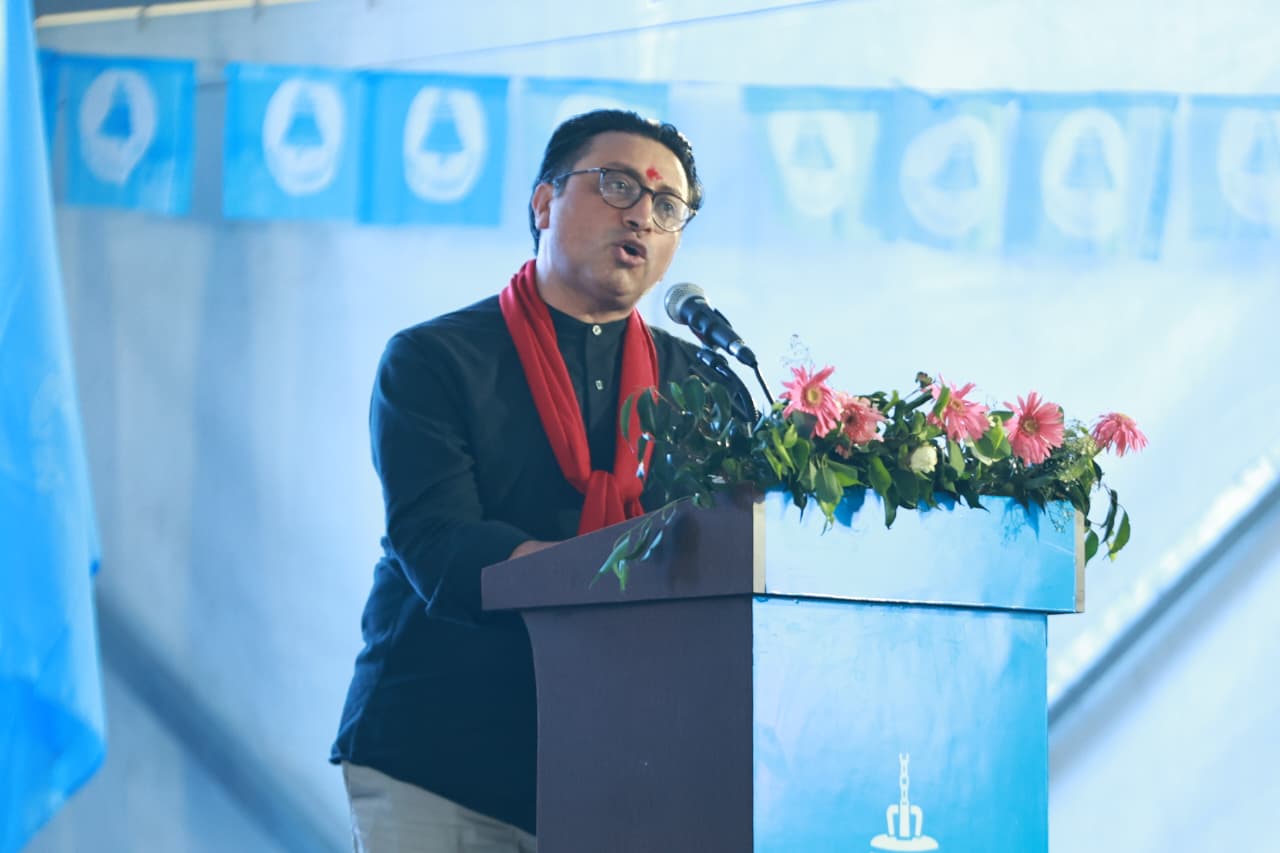
Finance Minister and RSP vice chairperson Swarnim Wagle
Barshaman Pun, attending on behalf of Nepal Communist Party convener Pushpa Kamal Dahal, clarified that Dahal had strongly wished to attend in person but could not due to his health, and read out a written message of greetings that Dahal had sent through him.
What is the convention’s internal election schedule and process?
The party’s Central Election Commission published a detailed itinerary ahead of the gathering covering nomination procedures, candidacy fees, and the timeline for resolving disputes over delegate eligibility. A preliminary delegate list was published in advance through the party’s website, and a dedicated grievance desk was set up at the exhibition centre in Chitwan to handle objections, with claims accepted until late evening on the opening day and a finalized list published by the same night.
The leadership election itself is being conducted in two broad stages. First, delegates elect the expanded central committee, with the number of seats expected to rise from the current 121 toward a range of 131 to 151 once the amended statute is adopted, including a mix of directly elected seats, seats reserved for inclusion of women and other under-represented groups, and a quota the party president may nominate.
Only those who win seats on the central committee will be eligible to contest for the secretariat positions, meaning office bearers such as vice presidents, general secretaries, the treasurer, and the spokesperson cannot be chosen until the central committee itself is seated.
Party leaders have repeatedly said they will try to settle as many of these positions as possible through consensus before resorting to a contested ballot, though leadership elections where consensus fails will be conducted electronically.
What changes are being made to the party’s statute at this convention?
The statute drafted at the party’s founding in 2022 was built for a small organization and has already been amended once, in 2024. A second and more substantial revision is being finalized at this convention to reflect the party’s growth into a near two-thirds majority force in parliament.
The most consequential proposed change formally creates the position of senior leader, a title intended to honour Balen Shah’s status within the party following his integration through a formal political agreement signed in December 2025, while keeping Rabi Lamichhane as party chairman.
Other amendments under discussion include expanding the size of the central committee, increasing the number of office-bearer posts to as many as nineteen positions, and granting the party president greater authority to directly nominate a portion of central committee seats.
The revised statute is also expected to mandate, for the first time, that certain leadership posts be reserved for women, including at least one vice president, one joint general secretary, one joint spokesperson, and one deputy treasurer, since the existing statute carried no such requirement.
Further provisions are being drafted to formally absorb leaders and members who joined the party through recent mergers, including groups associated with the Tharuhat movement, the Bibeksheel Sajha Party, and various civil society and independent campaigns that aligned with the party ahead of the March election.
Is there any leadership contest expected between Rabi Lamichhane and Balen Shah?
Despite persistent public speculation, party insiders close to both leaders have consistently said there is no indication of an imminent contest between them for the top party post at this convention.
Lamichhane is widely expected to be re-elected party chairman, by consensus or near-unanimous vote, while Shah is expected to retain his position as senior leader and head of government. Party leaders have framed this arrangement as a deliberate division of labour, with Lamichhane focused on party organization and Shah focused on running the executive.
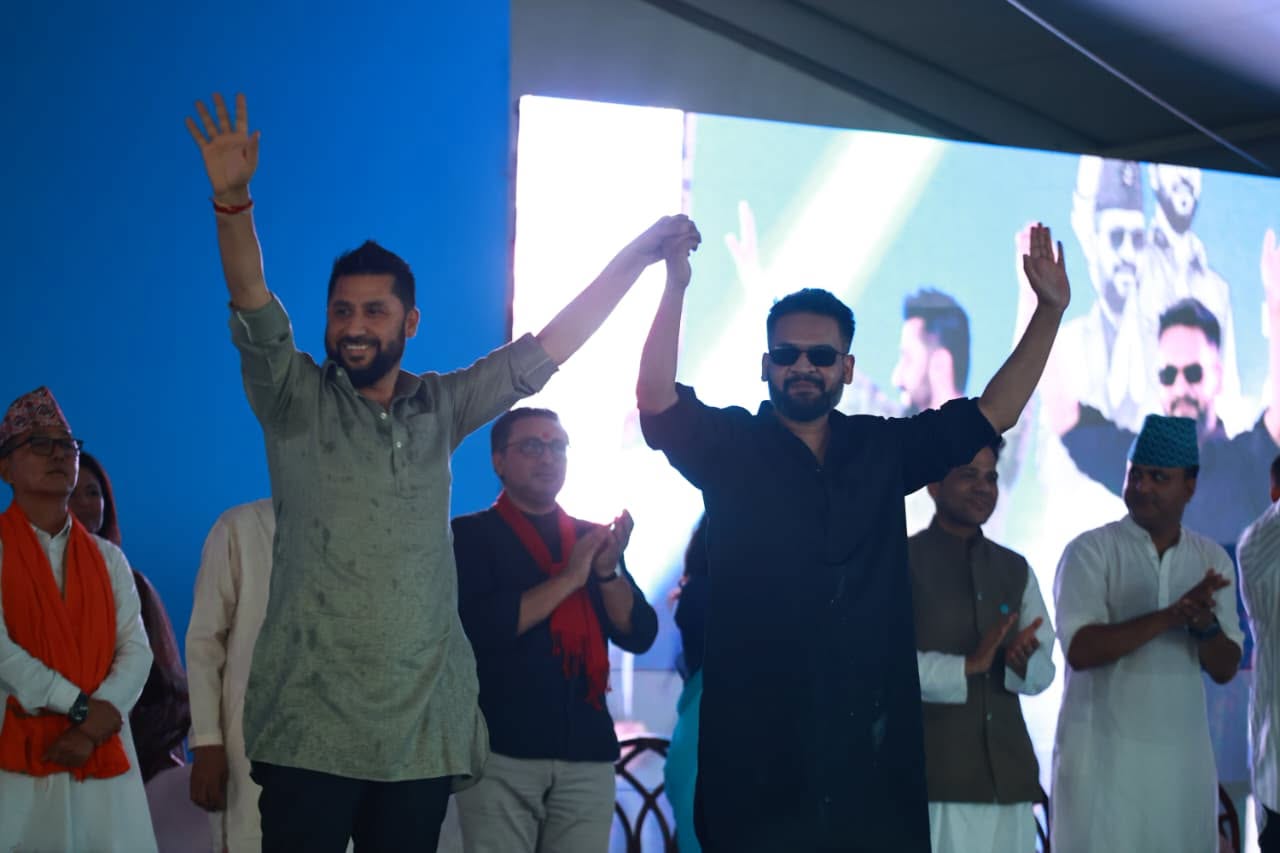
Rastriya Swatantra Party chairman Rabi Lamichhane and Prime Minister Balen Shah
That said, the speculation itself reflects a real underlying dynamic, since both men command large and partly distinct bases of support, and questions about which of the two will eventually be seen as the party’s defining figure are likely to resurface as the government’s term progresses.
What is the financial scale of organizing an event of this size?
Organizing a gathering of more than four thousand official delegates, alongside tens of thousands of additional attendees at the open inaugural session, has required the party to set up eighteen separate sub-committees covering venue construction, accommodation, transportation, security, catering, and volunteer coordination.
Around 1,500 hotel rooms were booked across Bharatpur and the nearby Sauraha area to house delegates, who are responsible for their own lodging costs, while the party covers meals at the closed session venue. The decision to move the venue from an earlier planned site in Ratnanagar to the larger Guest House grounds in Bharatpur was made specifically to accommodate weather risks and the scale of the expected crowd.
The party has not published a consolidated public budget for the event, and questions about convention financing are likely to receive scrutiny precisely because the party has built its identity around financial transparency and anti-corruption.
How does this convention compare with the founding conventions of older parties like Nepali Congress or CPN (UML)?
Older parties such as Nepali Congress and CPN (UML) have held their general conventions periodically over many decades, with numbering that reaches into the teens, reflecting long institutional histories punctuated by splits, mergers, and ideological debates.
UML, for instance, held its tenth convention in the same district of Chitwan several years earlier. RSP’s first convention, by contrast, arrives only four years after the party’s formation, compressed into a period when the party has already gone from a small parliamentary entrant to the country’s largest political force.
This compressed timeline means RSP is attempting in one gathering what older parties developed gradually across multiple conventions, including building a full central committee structure, settling an ideological identity, and managing the integration of several allied groups, all while simultaneously running the national government.
What does the convention mean for the government Balen Shah currently leads?
Because Balen Shah serves simultaneously as prime minister and as the RSP’s senior leader, any organizational decision made at the convention has a direct bearing on how the government functions.
A stronger and more clearly defined party structure could give Shah a more reliable institutional base to draw on for policy coordination and personnel decisions, while unresolved tensions over leadership roles could spill over into cabinet management.
Other parties represented in parliament are watching the convention closely for signals about whether RSP intends to govern through consensus-driven internal processes or through more centralized decision-making.
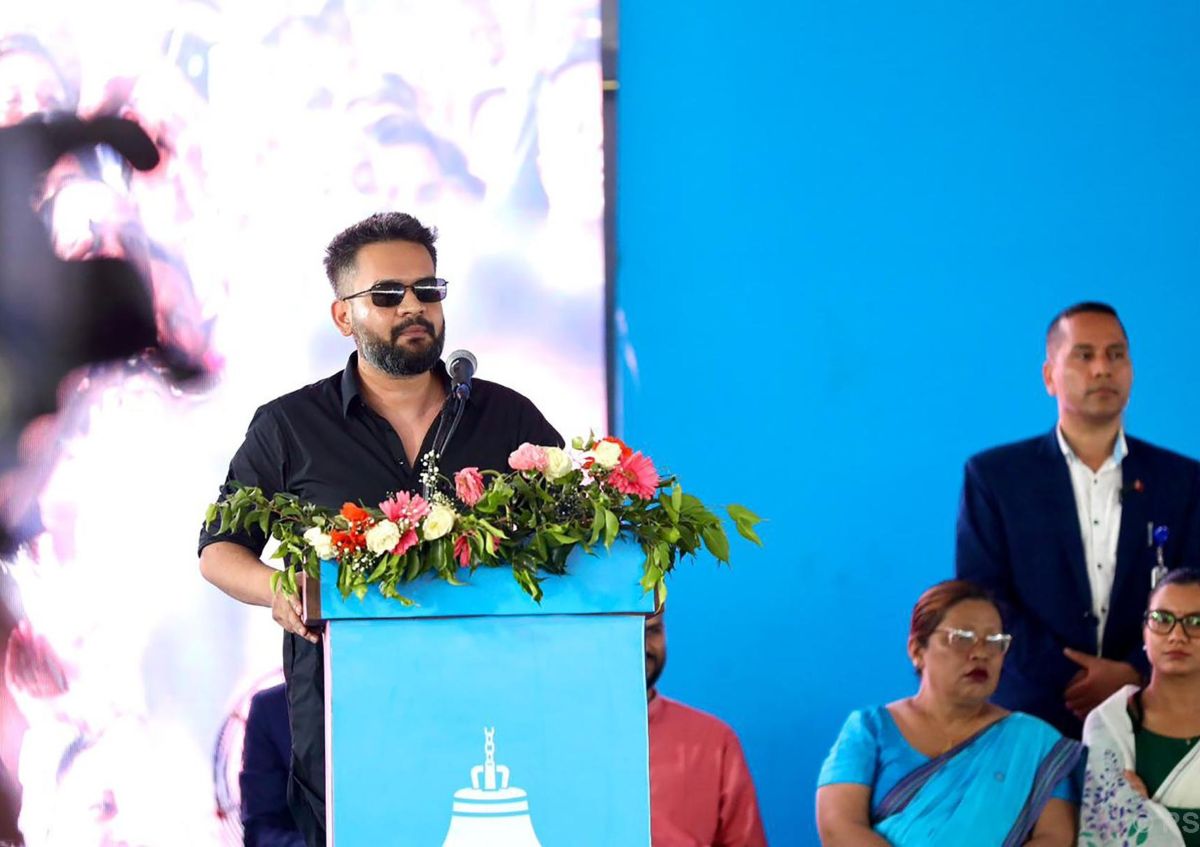
Prime Minister Balen Shah
What specific policy positions is the party expected to adopt at the convention?
Party leaders have indicated that the political paper to be presented by Lamichhane and debated during the closed sessions will address the party’s stance on federalism, constitutional reform, economic liberalization paired with social justice, digital governance, and public administration reform.
The party had earlier moved toward describing itself as committed to a democratic republic built on liberal economic principles combined with social justice and pluralism, a formulation adopted at a gathering in Jaleshwar in late 2023.
The convention is expected to formalize and expand on this position rather than introduce an entirely new ideological framework, given that the core leadership has shown little appetite for abandoning the pragmatic, governance-focused identity that won the party its mandate.
How is security being managed for an event of this scale?
Local administration in Chitwan has coordinated an expanded security operation given the scale of the crowd, the presence of the sitting prime minister, senior leaders from rival parties, and foreign guests, and the broader political sensitivity of a ruling party’s first convention.
The district administration confirmed that arrangements covering security deployment and traffic management around Bharatpur were completed ahead of the opening day.
Heavy rainfall in the region in the days before the convention added a further layer of complexity to crowd management and venue logistics, prompting the earlier decision to shift the inaugural venue to a more weatherproof structure.
What happens to delegates and structures in districts that have not yet completed local conventions?
A small number of districts, concentrated mainly in Madhes province, had not finished their local-level conventions by the time the national gathering began, due to a mix of organizational delays and unresolved disputes over candidate lists at the municipal and ward level.
The party has indicated that representation from these areas will be adjusted after the fact, either through later local conventions or through temporary nomination, so that no province is left entirely unrepresented in the new central committee.
This unevenness highlights a broader challenge facing the party as it tries to build uniform organizational depth across a country where its support, while geographically broad, is not uniformly deep at the local level.
What longer-term risks could undermine the outcomes of this convention?
Analysts following the party point to several risks. The first is the possibility that rivalry between factions loyal to different senior leaders could resurface once central committee and secretariat seats are actually distributed, even if the public messaging around the convention emphasizes unity.
The second is the risk that statute changes granting the party chairman greater nominating power could be seen as concentrating authority rather than democratizing it, an outcome that would sit uneasily with the party’s reformist branding.
The third is implementation risk, since adopting new transparency and accountability mechanisms on paper is considerably easier than enforcing them once the party returns to the routine pressures of governing.
The fourth is the general historical pattern in Nepali politics in which parties that begin with strong unity around a charismatic founding figure often experience strain once governing responsibilities create competing centers of patronage and influence.
Can Balen Shah and Rabi Lamichhane govern together for five years?
For now, all eyes are on the relationship between the Rastriya Swatantra Party chairman Rabi Lamichhane and Prime Minister Balen Shah. Nepal’s political history offers ample reason for scrutiny. Time and again, alliances between powerful leaders have begun with promise only to end in rivalry, leaving parties fractured and governments weakened.
From the clashes between Matrika Prasad Koirala and B.P. Koirala, Krishna Prasad Bhattarai and Girija Prasad Koirala, and Girija Prasad Koirala and Sher Bahadur Deuba, to the Maoist split between Pushpa Kamal Dahal and Baburam Bhattarai and the fallout between K.P. Sharma Oli and Pushpa Kamal Dahal, personal disputes have repeatedly reshaped the country’s political landscape.
Whether the partnership between Mr Lamichhane and Mr Shah can avoid the same fate is now one of the most consequential questions in Nepali politics.
Nepal’s political history offers reasons for caution. Previous governments have repeatedly experienced tension when party leadership and executive leadership from government were separated between two powerful individuals.
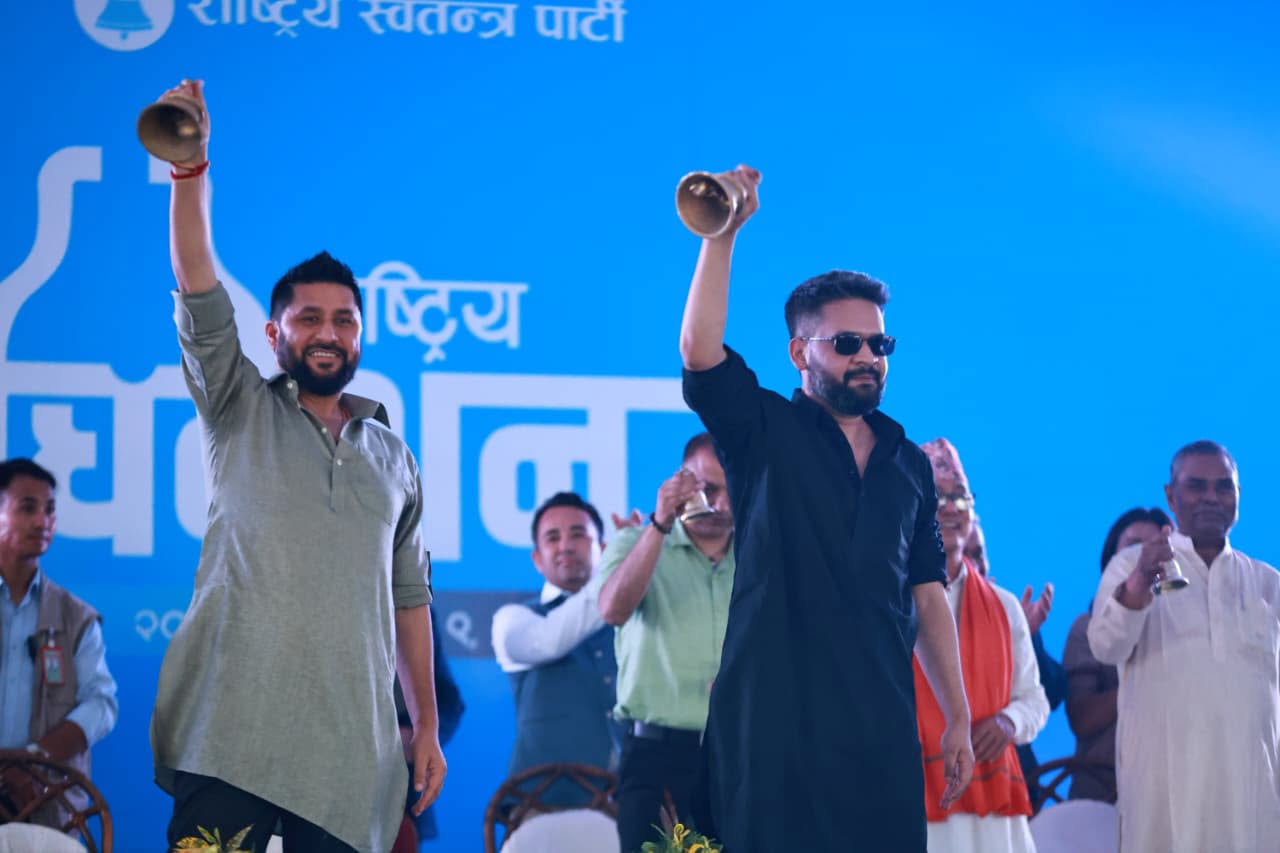
Rastriya Swatantra Party chairman Rabi Lamichhane and Prime Minister Balen Shah
From disputes within the Nepali Congress to internal struggles among communist parties, Nepali politics has often demonstrated that dual centers of power eventually create competition over authority, influence, and political ownership. Many observers therefore wonder whether RSP can avoid the same fate that weakened many of its predecessors.
The concern is not merely institutional; it is also personal. Balen Shah and Rabi Lamichhane possess fundamentally different political styles, personalities, and sources of legitimacy. Lamichhane is an experienced political communicator. He has served as a minister, parliamentarian, and national political figure with a strong command of public messaging and party organization.
Balen, on the other hand, entered national politics directly from executive leadership at the local level. His political appeal is based less on traditional politics and more on his image as an independent-minded reformer, technocrat, and anti-establishment figure.
Ironically, these differences are both the greatest strength and the greatest potential weakness of their partnership.
Together they have expanded RSP’s appeal far beyond a single voter base. Lamichhane attracts voters seeking political change through organizational reform and parliamentary politics, while Balen resonates strongly with younger voters, urban professionals, and citizens frustrated with conventional political culture.
Their combined popularity has allowed RSP to emerge as a genuine national force. However, as both leaders continue to grow politically, the question of who ultimately represents the party’s future may become increasingly difficult to avoid.
The decision by Rastriya Swatantra Party (RSP) Chairman Rabi Lamichhane to support Balen Shah as Prime Minister was initially celebrated as a defining moment in Nepal’s political transformation. At a time when many expected an internal power-sharing arrangement or eventual leadership rotation, Lamichhane publicly eliminated speculation by declaring that Balen Shah would remain Prime Minister for the entire five-year term. The announcement strengthened RSP’s image as a party willing to break from Nepal’s traditional culture of political bargaining and instability.
Yet despite this public commitment, one question continues to dominate political discussions: can two of the country’s most popular and influential political figures coexist at the top of the same political movement without eventually becoming rivals?
Several developments have already fueled speculation about underlying tensions. Reports of disagreements over ministerial appointments and cabinet decisions have circulated in political circles, although many remain unverified. Critics have pointed to situations in which party decisions appeared to be announced publicly by the party leadership rather than through the Prime Minister’s Office, creating an impression that political authority and governmental authority may not always be fully aligned.
Some analysts argue that a perception has begun to emerge that while Balen occupies the office of Prime Minister, Lamichhane continues to exercise significant influence over major political decisions. Whether accurate or not, such perceptions can become politically significant because parliamentary democracies generally function most effectively when chains of authority are clear and publicly understood.
Balen’s governing style has also attracted attention. Unlike many traditional politicians, he has maintained a relatively low public profile after assuming office. He has rarely engaged in frequent media appearances, parliamentary speeches, or day-to-day political commentary. Supporters view this as evidence that he is focused on governance rather than political theatrics. Critics, however, argue that prolonged silence can create uncertainty, particularly in a parliamentary democracy where communication is often an essential component of leadership.
Some political observers believe this silence is strategic rather than accidental. Balen’s popularity has been built largely outside the traditional political system. By limiting his exposure to everyday political disputes, he may be preserving his outsider image while avoiding the inevitable decline in popularity that often accompanies government responsibility. According to this view, he is carefully managing his political capital, waiting for moments when direct communication can have maximum impact.
The relationship is further complicated by differences in political experience. Lamichhane understands the internal dynamics of Parliament, party organization, coalition negotiations, and national political competition.
Balen, despite his executive achievements and public appeal, entered federal politics directly as Prime Minister without prior parliamentary experience. This creates an unusual situation in which the Prime Minister possesses immense public legitimacy while the party chairman possesses deeper political experience and stronger organizational control.
The long-term sustainability of this arrangement may ultimately depend on whether both leaders continue to view cooperation as more valuable than competition.
At present, there are powerful incentives keeping them together. Both understand that much of RSP’s extraordinary success comes from the combination of their respective strengths. Separately, each remains influential; together, they form the core of Nepal’s most significant reform-oriented political movement.
The public has invested enormous expectations in both leaders, and any visible split could damage not only the party but also the broader movement for political change that brought them to power.
However, political alliances are often tested by success rather than failure. If the government performs well, questions about political ownership of that success may emerge. If the government struggles, pressure to assign responsibility could create divisions.
Additionally, ambitious supporters, competing factions, and interest groups within the party may gradually align themselves behind one leader or the other, transforming personal differences into institutional rivalries.
The greatest challenge for RSP may therefore not come from opposition parties but from managing the relationship between its two most powerful figures. Political movements built around transformational change frequently encounter difficulties when multiple leaders compete to become the principal face of that transformation. The risk is particularly high when both leaders maintain strong public support and independent political legitimacy.
For now, the partnership remains intact because both Balen Shah and Rabi Lamichhane recognize that their political futures remain deeply interconnected. Yet the question facing Nepal’s newest governing force is whether this relationship can evolve from a tactical alliance into a durable governing model.
If they succeed, RSP could redefine political leadership in Nepal and demonstrate that shared power does not inevitably lead to conflict. If they fail, they may ultimately repeat a pattern that has shaped, and often destabilized, Nepali politics for decades.
The future of RSP may therefore depend less on its policies and more on whether two of Nepal’s most popular political figures can continue to share the same political stage without eventually competing for the spotlight.
What does RSP’s electoral victory mean for Nepal’s political future?
The March 5 House of Representatives election marks far more than a routine transfer of political power. It represents a fundamental shift in Nepal’s political landscape and signals a growing public demand for a new style of governance. By delivering a near two-thirds mandate to the Rastriya Swatantra Party, voters have not merely chosen a new government; they have endorsed a different political vision centered on accountability, transparency, competence, and economic transformation.
For decades, Nepali politics has been dominated by promises of change that often failed to translate into measurable improvements in governance or living standards. This election suggests that voters are increasingly moving beyond traditional party loyalties and evaluating political actors based on their perceived ability to deliver results.
The mandate received by RSP therefore carries expectations that extend well beyond political reform. Citizens expect improvements in public service delivery, stronger anti-corruption measures, greater institutional accountability, and, most importantly, meaningful economic opportunities that can reduce the need for young Nepalis to seek employment abroad.
The greatest test facing the RSP-led government will be its ability to convert political goodwill into effective governance. Voters expect a government that investigates past irregularities without political bias, strengthens the rule of law, modernizes public administration, and ensures that state institutions function efficiently and transparently.
Success will depend not only on political commitment but also on the party’s capacity to reform entrenched bureaucratic systems that have often resisted change.
Economically, the election has generated optimism among both citizens and the private sector. Nepal possesses enormous untapped potential in agriculture, tourism, hydropower, and information technology. However, potential alone does not create prosperity, and implementation has always been the real challenge. If RSP can establish clear economic priorities, reduce regulatory uncertainty, attract domestic and foreign investment, and create a fair and transparent business environment, Nepal could enter a new phase of sustained economic growth.
Tourism represents one of Nepal’s greatest opportunities, given its natural beauty, cultural heritage, and geographic diversity, while hydropower and technology offer similar potential for export earnings and quality employment. Infrastructure development, including roads, air connectivity, and digital networks, remains a prerequisite for any of this to materialize, since no country has achieved rapid economic transformation without significant investment in connectivity.
On the international front, the government must maintain Nepal’s long-standing policy of balanced and independent diplomacy, strengthening cooperation with neighboring India and China while maintaining constructive ties with other partners. Political stability and predictable governance will shape how confidently international partners engage with Nepal.
One promising aspect of the election is the emergence of a new generation of energetic lawmakers within RSP, though electoral success alone does not guarantee good governance. Placing qualified individuals in the right positions will be critical, and resistance from entrenched interests and bureaucratic inertia could slow reform regardless of political will.
Ultimately, this election presents RSP with both an extraordinary opportunity and a historic responsibility. If it succeeds in transforming public institutions, accelerating economic growth, and restoring trust in governance, this period could become a defining chapter in Nepal’s modern political history. If it fails, public disappointment could be equally profound, and the coming years will determine which of these outcomes prevails.
Why did the convention take this long to organize after the party’s founding?
Party figures involved in local organizing have noted that the convention had been scheduled and postponed on more than one earlier occasion, attributing the delays to a mix of political and technical obstacles.
Among the reasons cited is the period of legal and political pressure faced by Lamichhane himself, including his arrest in October 2024 in connection with a cooperative fraud case, which disrupted the party’s organizational calendar at a sensitive time.
With Lamichhane’s legal situation having eased and the party now leading the government following its strong March election result, organizers describe the current timing as the first realistic window in which the convention could be held without the disruptions that affected earlier attempts.
What is the historical significance of holding this convention in Chitwan specifically?
Chitwan has hosted major political gatherings before RSP’s arrival, including a tenth national convention of CPN (UML) held in the district years earlier, and even earlier underground gatherings of communist factions held in remote parts of the district during periods when open political organizing was restricted.
For RSP, holding its first convention in the same district carries an added layer of meaning because it is both the place where the party first broke into parliament and the constituency that has repeatedly returned its founding chairman to office, making it a natural choice for a party seeking to root its institutional identity in the location of its earliest political success.
Local leaders involved in earlier conventions held in the district have also pointed out the practical benefits the district offers, noting that hosting large national gatherings has historically helped revive local tourism and hospitality businesses during otherwise slow periods, since Chitwan’s hotel and transport infrastructure was originally built up to serve visitors to the nearby national park.
By placing the convention in the same Guest House grounds and exhibition centre that have hosted other major political events, the party is also implicitly signalling its ambition to be viewed alongside Nepal’s older, more established parties rather than as a temporary protest movement.
The choice of date, falling on the party’s own foundation day, reinforces this attempt to build a sense of institutional tradition and continuity around an organization that, until very recently, had no fixed rituals or anniversaries of its own.
How will Rabi Lamichhane emerge more powerful from this convention?
Several structural elements of the convention point toward a consolidation rather than a dilution of Lamichhane’s authority within the party. The amended statute under discussion would expand the party president’s power to directly nominate a substantial bloc of central committee seats, with figures discussed running as high as 51 out of a committee of 151 members, alongside discretion to select several office bearers, including a vice president, a general secretary, deputy general secretaries, the treasurer, and the spokesperson, with these choices framed publicly as necessary to ensure broad political and inclusive balance.
This combination of an expanded nominating quota and continued control over the party’s most senior organizational posts would give Lamichhane considerably more formal authority than he held under the original 2022 statute, which left far less discretion in the hands of the party chair. His re-election as chairman is widely expected to be essentially uncontested, and unlike Balen Shah, who commands public popularity built largely outside party structures, Lamichhane has spent years building relationships with district and provincial cadres, the very people who make up the bulk of the convention’s delegates, giving him a deeper organizational base from which to manage the committee elections.
Because the convention is also expected to formally recognize Shah’s status as senior leader rather than party chairman, the architecture of the new statute effectively separates the symbolic prestige of leading the government from the operational levers of party control, the latter remaining concentrated with Lamichhane.
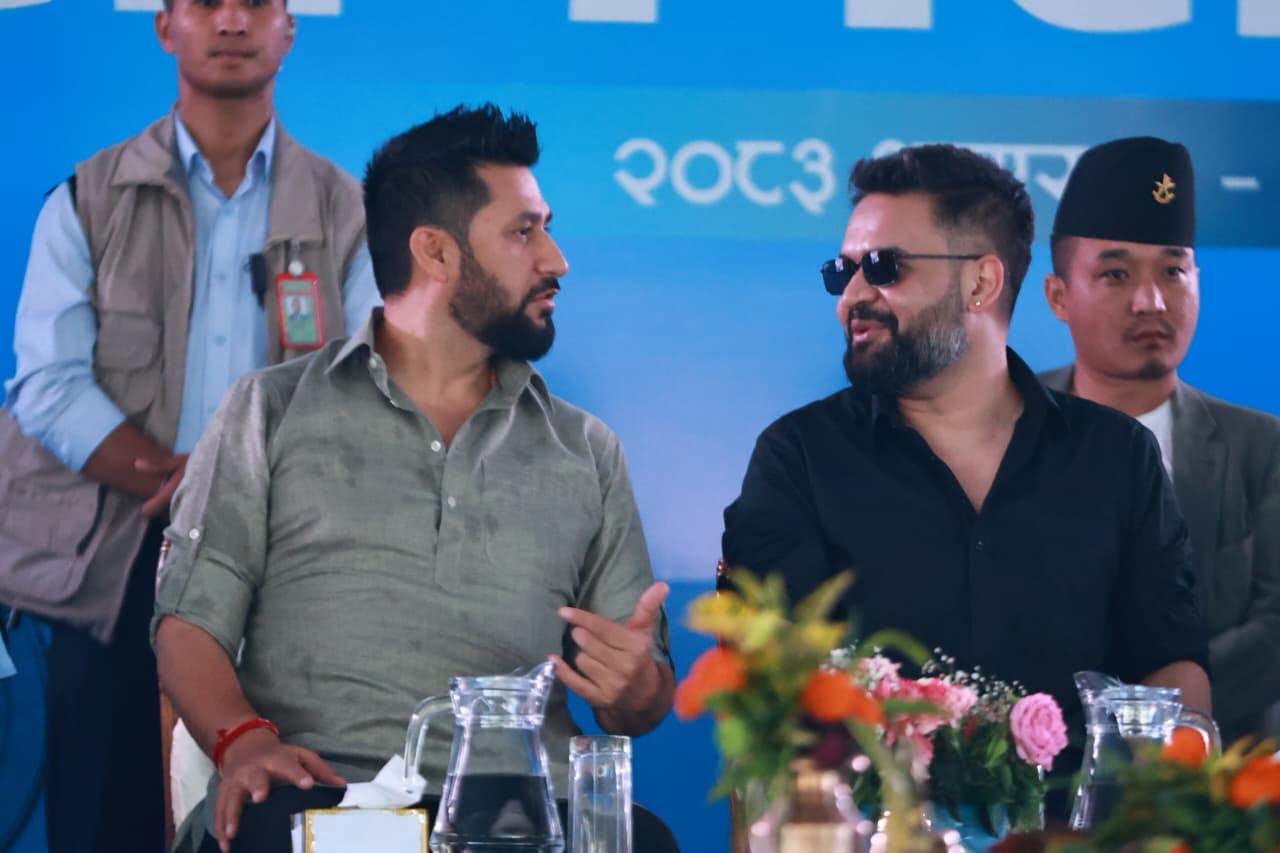
Rastriya Swatantra Party chairman Rabi Lamichhane and Prime Minister Balen Shah
Some analysts argue that this arrangement allows Lamichhane to expand his institutional footprint precisely at a moment when public attention is focused on Shah and the government, making the consolidation less visible and therefore less politically costly than it might otherwise be.
How is the party managing internal factional rivalry during the convention?
Party leaders have adopted a consistent public strategy of denying that factional rivalry exists at all, with multiple convention representatives and secretariat members stating that the organization has no camps and that all major decisions are being reached through dialogue rather than competition.
In practical terms, however, the party has taken several concrete steps that suggest an awareness of real fault lines beneath the surface. The leadership has repeatedly emphasized that office bearer elections will be pursued through consensus wherever possible before resorting to contested ballots, a process designed to let competing aspirants negotiate seat distribution privately rather than air disagreements in open voting that could expose the depth of any divisions.
A dedicated task force led by one of the general secretaries has also been assigned specifically to manage the integration of leaders who joined the party through recent mergers, including groups associated with the Tharuhat movement, the former Bibeksheel Sajha Party, and independent campaigns aligned with Balen Shah, since absorbing large blocs of new members into a young party’s leadership structure is one of the more delicate tasks facing any conference of this kind.
Central leaders had also been deployed to individual districts to directly oversee local-level conventions, partly to ensure procedural fairness and partly to manage disputes over candidate lists before they escalate into public disputes ahead of the national gathering.
Whether these measures succeed in containing rivalry will likely only become clear once the central committee and secretariat elections are actually completed and seats are distributed among supporters of Lamichhane, Shah, and other emerging figures within the party.