Kathmandu
Thursday, July 9, 2026





New Cabinet-approved regulations introduce stricter licensing, university ranking requirements, digital payments, security deposits and stronger student safeguards following months of crackdowns on fraudulent educational consultancies
KATHMANDU: The Cabinet endorsed two long-awaited regulations this week, one governing colleges that run foreign university programs inside Nepal and another overhauling the country’s educational consultancy, language-training and test-preparation sector.
The rules replace decades-old ministry guidelines with legally binding standards covering university rankings, security deposits, digital payments and student protection.
They follow months marked by mass arrests, office raids and student protests over consultancies accused of duping thousands of young Nepalis chasing degrees and jobs abroad.
What exactly did the Cabinet approve?
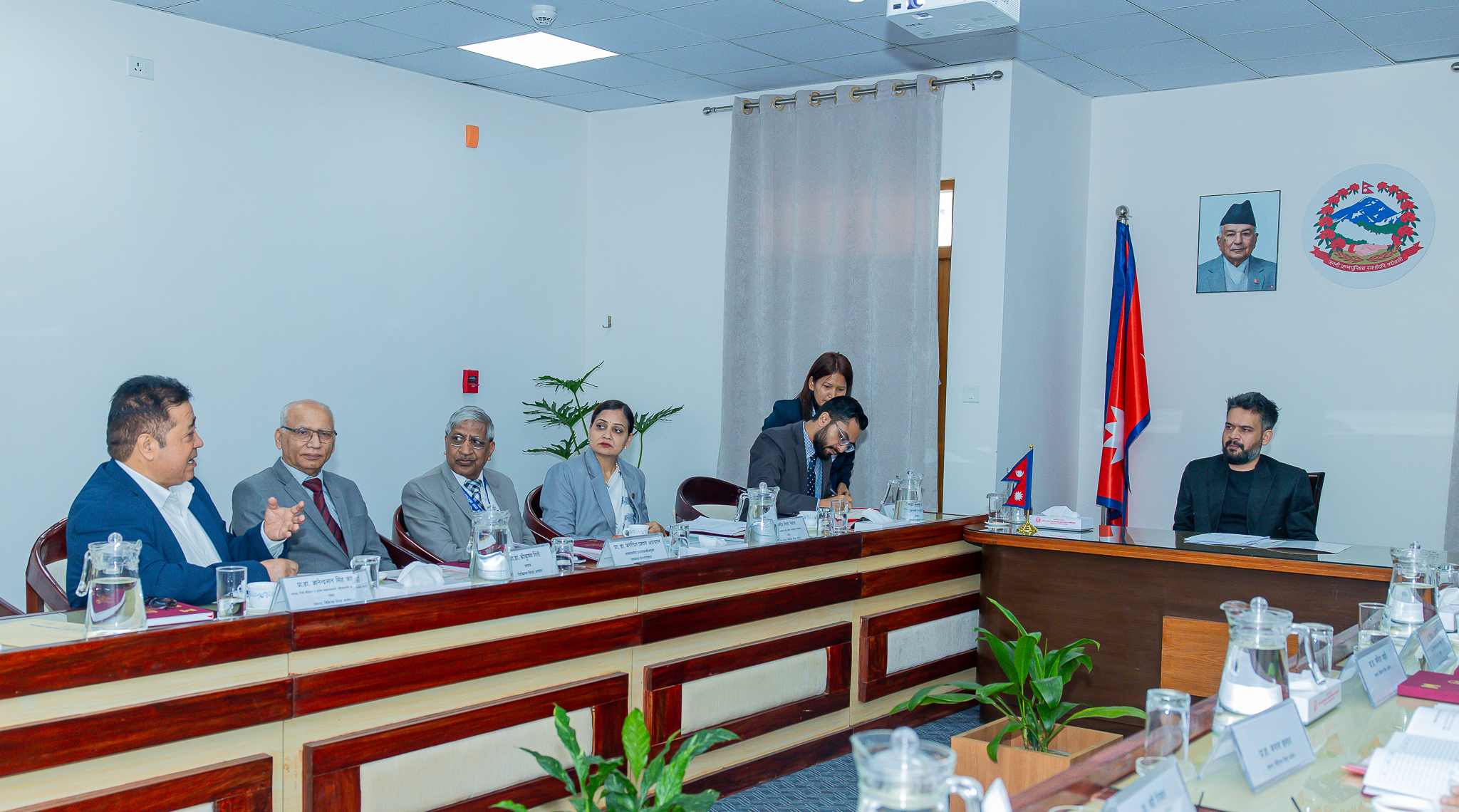
The Council of Ministers, meeting on Wednesday (July 8) at the Prime Minister’s Office in Singha Durbar, endorsed the Foreign Academic Programme (Operation and Regulation) Regulations, 2026 and the Educational Consultancy, Language Teaching and Preparatory Class (Operation and Management) Regulations, 2026. Both were drafted by the Ministry of Education and Sports and announced by Minister Sasmit Pokharel, who also serves as government spokesperson.
Until this approval, the two sectors operated under ministry-issued guidelines and directives rather than formal regulations with legal force, meaning enforcement depended largely on administrative discretion. The Ministry had been advancing three parallel sets of rules, covering general education, consultancies and foreign-affiliated colleges, for well over a year, with drafts moving between ministries for feedback before reaching the Cabinet.

Council of Ministers, meeting on Wednesday (July 8) at the Prime Minister’s Office. Photo courtesy: PMO
An earlier ordinance amending the Education Act had already created the legal basis needed for the new regulations to take effect, allowing the government to finally act on recommendations that expert panels had made in previous years but that were never implemented.
What does the Foreign Academic Program Regulation actually cover?
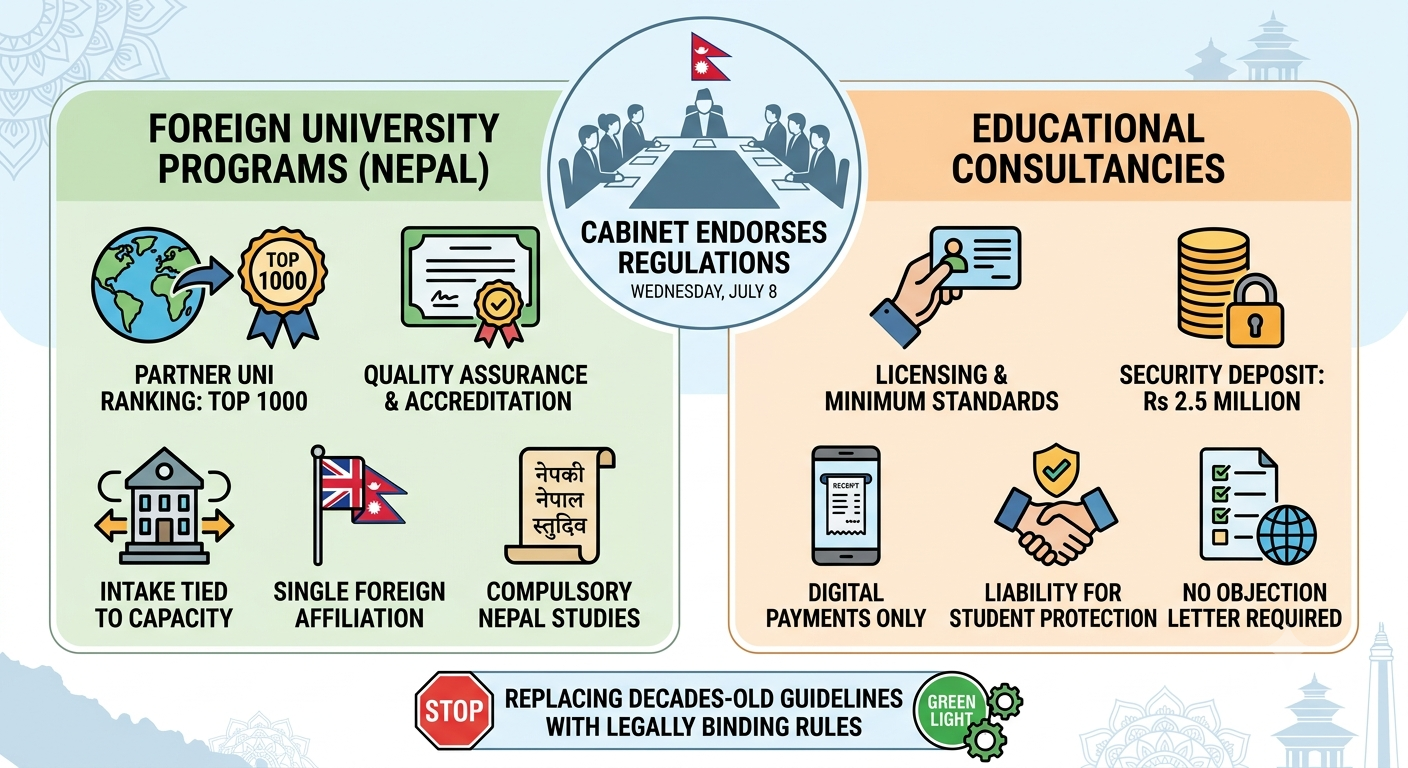
This regulation governs colleges in Nepal that run academic programs under affiliation with foreign universities, a segment that has expanded steadily as more Nepali families look for international degrees without the cost of studying abroad. It sets a mandatory floor requiring partner universities to rank among the world’s top 1,000 institutions, formalizing a requirement that existed informally but was rarely enforced.
It also mandates a two-stage Quality Assurance and Accreditation process, ties student intake to a college’s actual infrastructure and staffing capacity rather than market demand, restricts colleges to a single foreign affiliation, and requires a compulsory Nepal Studies module regardless of the foreign curriculum being taught.
Crucially, the standards apply retroactively to institutions already operating, not just to new applicants, with compliance windows before licences can be suspended or revoked. Colleges keep falling under the Ministry of Education rather than the University Grants Commission, despite earlier expert recommendations favoring the latter.
What does the Educational Consultancy Regulation cover?
This regulation governs the roughly hundreds of registered firms and unknown number of unregistered operators that counsel, prepare and process Nepali students for study abroad, along with language-teaching centres and preparatory classes.
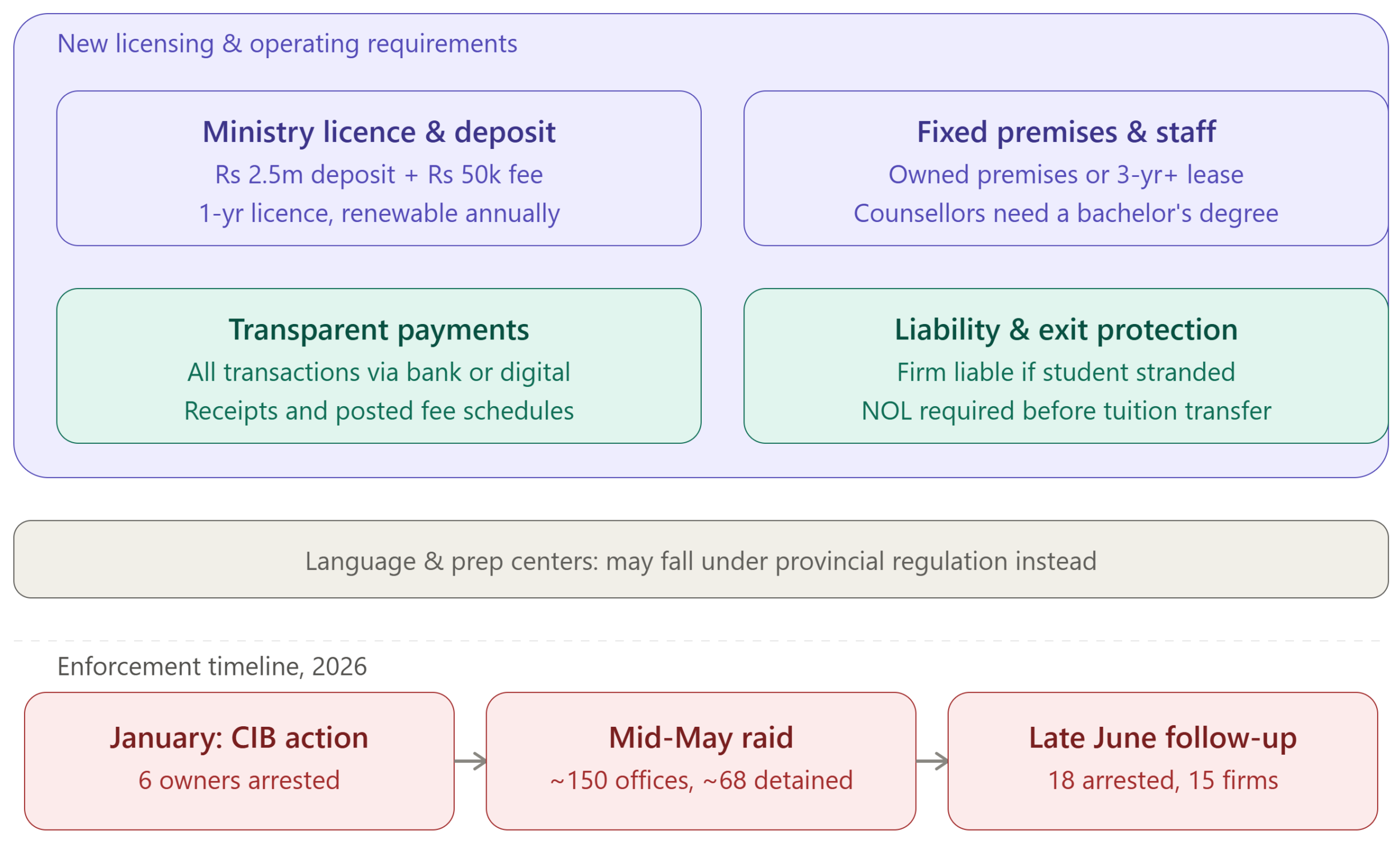
It introduces licensing through the Ministry of Education, a security deposit and a licence fee, annual renewal requirements, minimum staff qualifications, and mandatory office premises rather than informal setups. It bans cash transactions between consultancies and students, requiring all payments through banks or digital channels with receipts and published fee schedules.

It restricts ownership to Nepali investors, bans consultancy-organized study-abroad fairs, creates a grading system, and makes consultancies financially liable if students are stranded abroad or placed in institutions later found illegal.
Students must also secure a No Objection Letter before remitting tuition payments through banks, tightening a step that already existed but was inconsistently checked.
Why is the government doing this now, rather than years ago?
Pressure had been building from multiple directions at once. Two separate ministry-appointed expert committees, most recently one led by Binil Aryal, had already documented that most of Nepal’s foreign-affiliated colleges failed basic standards on rankings, infrastructure and affiliation limits, yet those recommendations sat unimplemented for well over a year and a half.
On the consultancy side, complaints of fraud rose sharply through 2025 and into 2026, triggering a string of arrests, including a January crackdown over a fake UAE study scheme and a much larger May raid on dozens of Kathmandu Valley consultancies.
Student protest groups had also been demanding action for months. An ordinance amending the Education Act finally gave the ministry the legal tool it needed to convert loose guidelines into enforceable regulations, letting the government act on findings and complaints that had piled up for years without a binding legal mechanism to punish violators or force structural change in either sector.
How is this different from the system that existed before?
Previously, foreign-affiliated colleges operated under a 2002 ministry directive, while consultancies followed informal guidelines rather than a regulation carrying statutory weight.
Directives and guidelines can be issued and altered administratively, but they generally lack the same enforcement teeth as a Cabinet-approved regulation grounded in an amended Act, which makes non-compliance a clearer legal violation rather than an administrative lapse.
Under the old system, ranking requirements for partner universities existed on paper but were, by the ministry’s own later assessment, essentially unenforced, letting colleges with weak or unranked partners continue operating for years.
The new framework applies the same standards to already-operating institutions, sets firm compliance timelines with real license-revocation consequences, and for the first time gives the ministry explicit power to blacklist high-risk foreign universities and to strip consultancies of both licence and security deposit for serious violations, a level of legal specificity the old guidelines never had.
How many foreign-affiliated colleges actually operate in Nepal, and do they meet the new bar?
Government figures have varied depending on when they were compiled, reflecting how fast the sector has grown and how loosely it was tracked.
A Ministry of Education list published earlier this year counted 56 colleges affiliated with foreign institutions, the largest share, 28, tied to British universities, followed by 20 linked to Malaysian universities and smaller numbers connected to American, Thai, Indian, Australian and Swiss institutions.
Local media reporting on this week’s Cabinet decision put the current figure at 49 colleges given a three-year window to prove their partner university’s global ranking.
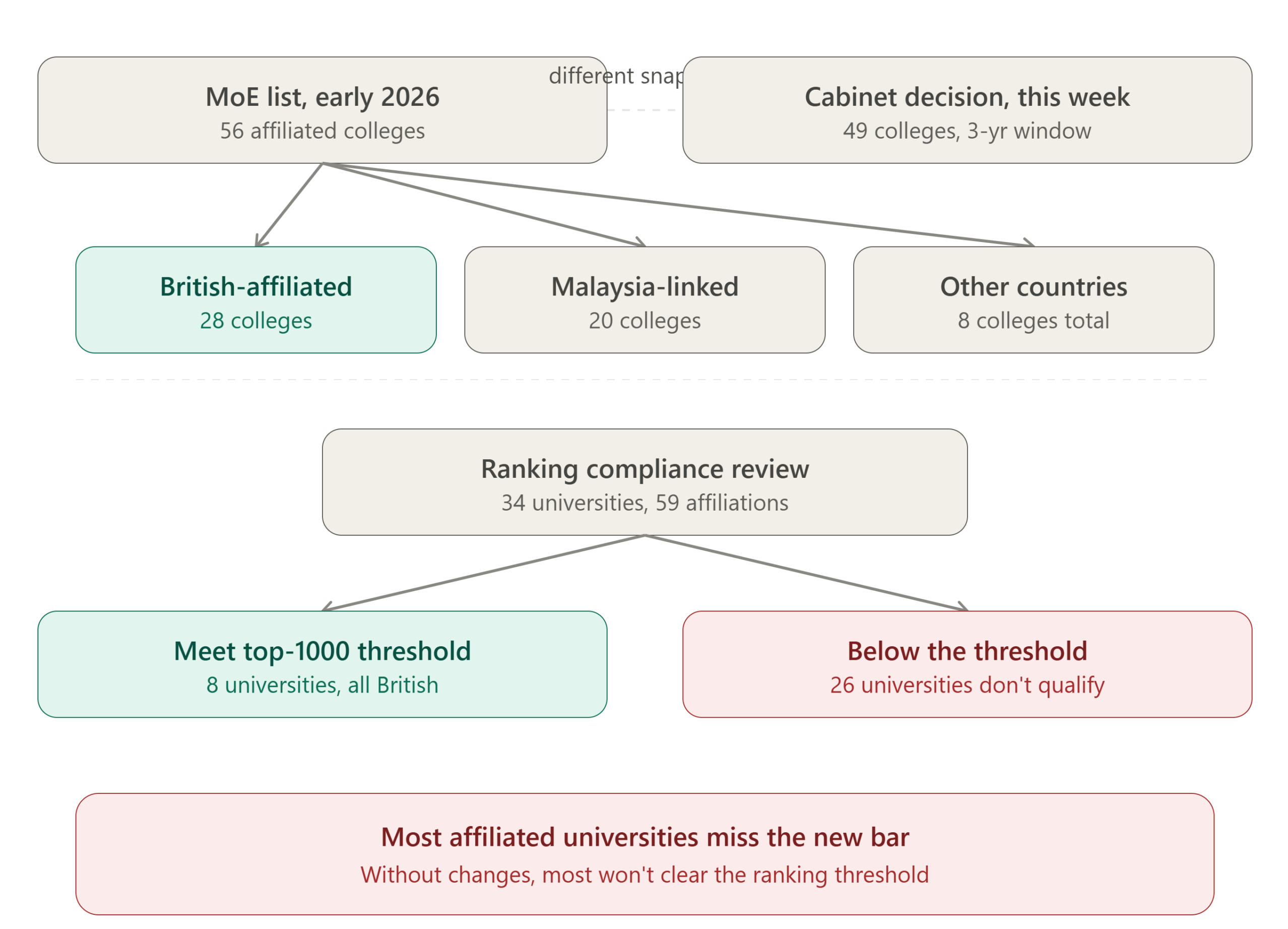
A separate ministry-commissioned review had earlier found that of 34 foreign universities providing affiliations to 59 Nepali institutions, only eight met the top-1,000 Times Higher Education threshold, and every one of those eight was British.
In short, by the ministry’s own past findings, a majority of currently affiliated foreign universities would not clear the new bar without changes.
What precisely must foreign-affiliated colleges now do to stay licensed?
Colleges must show their partner foreign university has featured in the Times Higher Education or QS World University Rankings for five consecutive years and reached the global top 1,000 at least once, with three years given to existing colleges to produce that proof or lose their operating licence entirely.
They must complete a two-stage Quality Assurance and Accreditation process rather than simply claiming institutional legitimacy. Student intake numbers will now be tied to verified infrastructure, faculty strength and available resources instead of being set however high demand allows, addressing years of complaints about overcrowded, under-resourced foreign-curriculum programs.
Colleges holding affiliations with more than one foreign university at once, a practice regulators say obscured accountability, must drop all but one within five years. New institutions get five years to build facilities on land they own; existing colleges get ten.
All of them must now also teach a compulsory Nepal Studies module, regardless of the imported curriculum, so students retain grounding in domestic history, identity and culture.
What must consultancies specifically do differently now?
Every consultancy must hold a Ministry of Education licence, valid for one year and renewable annually, after depositing Rs 2.5 million as security and paying a Rs 50,000 licence fee, a threshold industry groups say will squeeze out smaller, thinly capitalized firms.
Language-teaching centers and preparatory classes may instead fall under provincial or local government regulation rather than the ministry directly. Counsellors must hold at least a bachelor’s degree plus relevant training, and firms must operate from owned premises or a lease of at least three years, ending the practice of shoestring offices that could disappear overnight.
All financial transactions with students must move through banks or digital payment systems, with mandatory receipts and publicly posted fee schedules, eliminating the cash dealings that made past fraud harder to trace.
Firms become financially liable if a student is stranded abroad or the recommended institution turns out to be operating illegally, and students must obtain their No Objection Letter before any tuition payment is transferred abroad.
What has the recent crackdown on consultancies actually looked like on the ground?
Enforcement has intensified sharply over the past several months. In January, the Central Investigation Bureau arrested six owners and managers of consultancies accused of routing students into unaccredited training institutes in the UAE that falsely claimed credit-transfer links to universities in France and Australia.
In mid-May, the Kathmandu Valley Crime Investigation Office carried out its largest operation yet, raiding roughly 95 to 195 consultancy and educational counselling offices across Kathmandu, Lalitpur and Bhaktapur in a single coordinated sweep and detaining around 68 to 69 operators and managers, with dozens later placed under formal investigation for fraud and forgery under the Education Act.
In late June, police arrested another 18 operators tied to 15 unregistered consultancies during follow-up inspections. Officials say the pattern reflects a sector where complaints of fraud have climbed sharply in recent years, with police explicitly warning that action would continue against unlicensed or fraudulent operators.
What kinds of wrongdoing have consultancies actually been accused of?
Investigators cite a recurring set of violations. Many operated without valid licences, without meeting minimum standards, or without renewing registrations that had lapsed, sometimes for years. Police recovered fake government seals from some raided offices, opening the door to separate forgery charges.
A significant share of firms are suspected of illegally sending people abroad for employment while formally registered only as educational consultancies, since Nepali law bars consultancies from conducting job placements, interviews or collecting recruitment fees, functions reserved for licensed manpower companies with far larger bank guarantees.
Consultancies have also been accused of guaranteeing visas they have no authority to guarantee, confiscating client passports, issuing fabricated offer letters, refusing refunds after visa rejections, and running language or preparatory classes without the required government approval, all patterns regulators say the new licensing, deposit and digital-payment rules are designed to close off.
How do these foreign-affiliated courses actually operate inside Nepal, and what have oversight reviews found?
Under the franchise-style model, a Nepali college signs an affiliation agreement with a foreign university, then teaches that university’s curriculum locally, letting students earn a foreign-branded degree without leaving Nepal, typically at a fraction of overseas tuition and living costs.
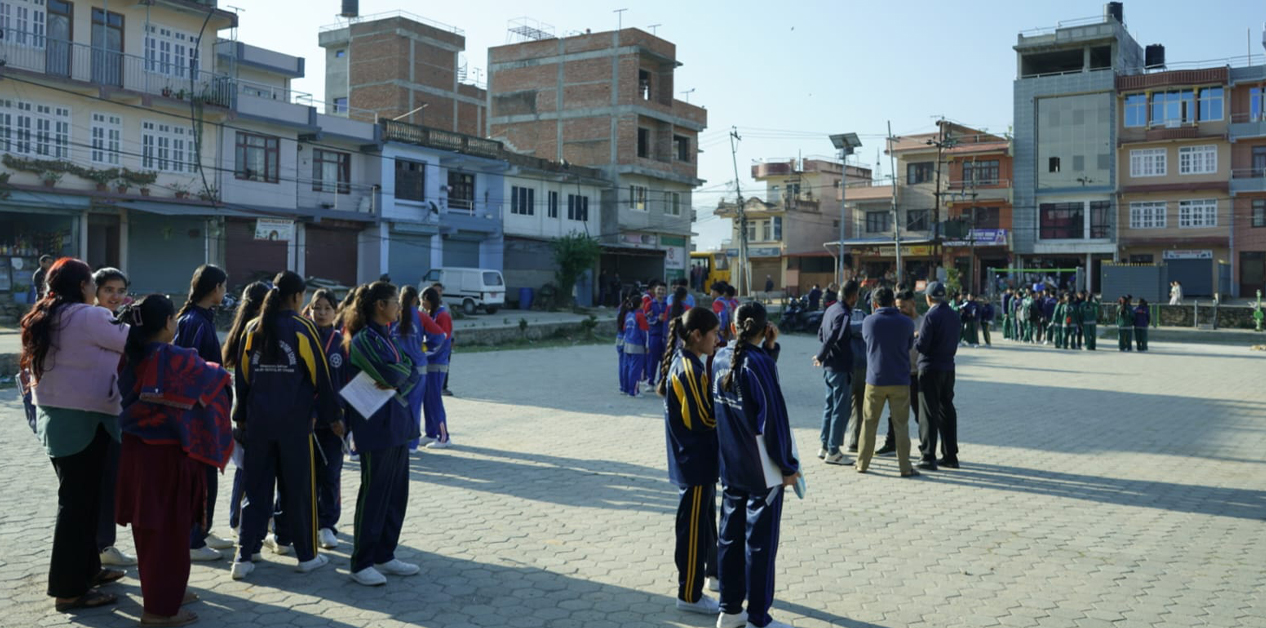
Students arriving to sit for the SEE examination at Shree Saraswati Secondary School in Thecho, Lalitpur. File photo
As of mid-2026, more than 30 foreign universities were connected to Nepali partner colleges this way, spanning fields from hospitality and culinary arts to engineering and information technology, spread beyond Kathmandu into other regions. But successive ministry review committees found serious gaps behind that expansion: colleges failing to provide legally mandated scholarships, skipping courses on Nepal’s social and cultural context, not submitting required annual academic calendars, employing under-qualified faculty, operating from rented rather than owned premises, and showing irregularities in how credit transfers and lateral entry were handled.
Some colleges holding multiple affiliations, including well-known chains, had at least one partner university that did not meet ranking standards, and past reform attempts were even challenged in the Supreme Court by private colleges alleging bias in the review panels.
What are concrete examples of scams that have hit Nepali students?
Two recent cases illustrate the range of harm. In the UAE case that triggered January’s arrests, consultancies allegedly charged students between Rs 800,000 and Rs 2.2 million each for enrolment in training institutes that falsely claimed academic partnerships with universities in France and Australia, institutes that had never actually received approval from the UAE’s own accreditation authority.
Roughly three dozen affected students protested for months under a public campaign demanding compensation and accountability before police finally acted. Separately, a firm called Cozmo Educational Consultancy was accused of defrauding close to 300 people of millions of rupees by promising jobs in Bulgaria and Croatia, quoting monthly salaries between EUR 850 and 1,200 against recruitment costs of Rs 700,000 to Rs 1 million per person.
This case blurred the line between education counselling and unlicensed overseas labour recruitment, and one victim noted that the counselling process felt professional enough that he never suspected fraud until it was too late.
Just how large is Nepal’s study-abroad and consultancy industry?
The scale is substantial by any measure. The Ministry of Education issued a record 112,593 No Objection Certificates in fiscal 2023/24, and more than 543,000 were approved between 2018/19 and mid-2024/25.
In 2025 alone, roughly 123,092 NOCs were issued, with more than 300 processed on an average day, and officials have noted daily application volumes so high that staff struggle to clear them even working extended hours.
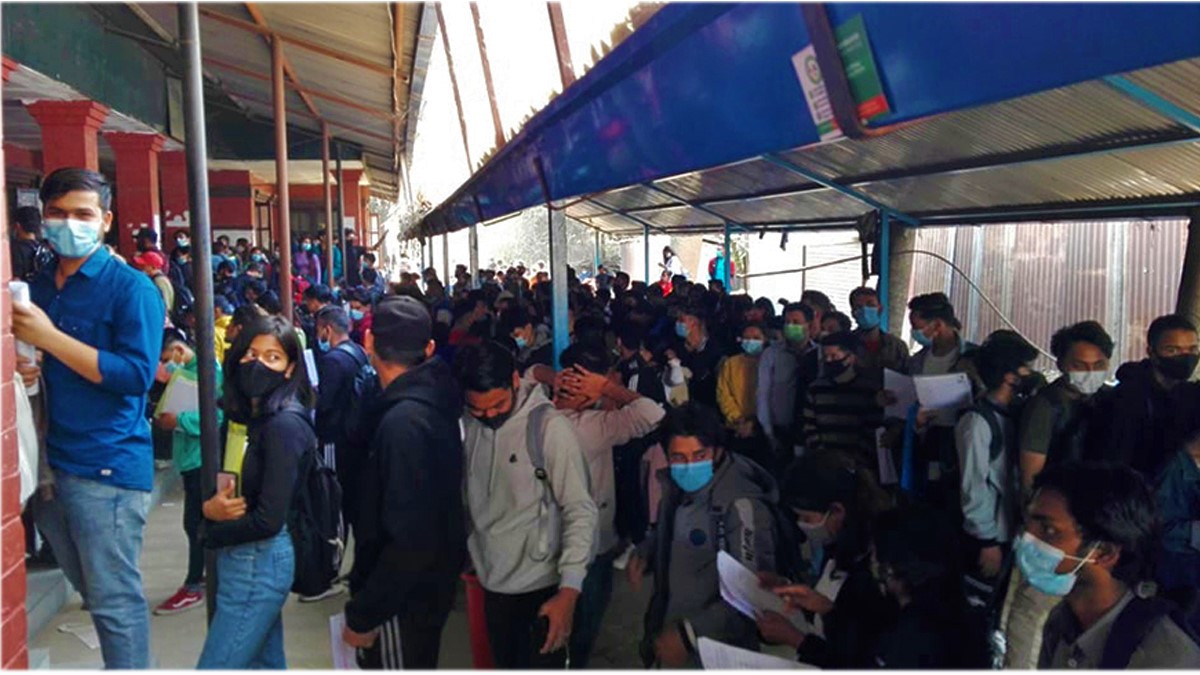
Students waiting in queue for NOC. File photo
On the financial side, Nepal Rastra Bank data showed households spending around Rs 47.34 billion on overseas education in just the first five months of fiscal 2024/25, pointing to a far larger annual outflow.
Australia, Japan, the United States, Canada and the United Kingdom remain the most sought destinations. The consultancy sector supporting this outflow includes several hundred actively operating firms, with roughly 300 registered under the Educational Consultancy Association of Nepal (ECAN) alone, alongside many smaller or unregistered operators that regulators are now trying to formally capture.
Why do Nepali students keep ending up feeling trapped despite repeated promises of reform?
The pattern has repeated for years: rules get proposed, industry pushback follows, and enforcement quietly fades. A 2024 committee’s recommendations on affiliation limits and ranking standards went largely unimplemented for over a year and a half.
An attempt to restrict NOCs for diploma, advanced diploma and language courses abroad was reversed within weeks after sustained backlash from consultancies and institutions, disrupting students bound especially for Japan in the process.
When the current government’s first 100-day governance reform agenda was unveiled, regulation of foreign-affiliated colleges was notably absent despite years of documented violations, raising questions about political will. Private colleges have also used the courts to slow reform attempts they viewed as unfavourable.
For ordinary students, this has meant repeatedly enrolling or paying fees under rules that looked firm on paper but were rarely enforced, only to discover later, sometimes after money had already left the country, that the institution or consultancy they trusted was non-compliant, unaccredited, or effectively unaccountable when things went wrong.
How have stakeholders reacted, and what happens next?
Reaction has split along expected lines. Some consultancy operators welcomed the regulations as giving foreign-affiliated colleges a stronger legal footing, though they said the government ignored repeated requests to drop the ranking requirement and to set a 48-student minimum intake per programme.
The Educational Consultancy Association of Nepal took a sharper line, with officials arguing the rules were introduced without adequate consultation and that the Rs 2.5 million security deposit would push many smaller consultancies out of business altogether.
Practically, existing colleges now have three years to document their partner university’s global ranking, five to ten years to secure owned land, and five years to shed extra foreign affiliations, while foreign-owned consultancies have one year to transfer to domestic ownership.
Whether these timelines produce real change will depend heavily on the ministry actually enforcing them, given how long similar past standards sat on paper without consequence.


![Ramdi Steel Tube Arch Bridge connecting Gandaki and Lumbini provinces [Photo Feature]](https://english.nepalnews.com/wp-content/uploads/2026/07/DJI_0894-scaled.jpg)