Kathmandu
Tuesday, July 14, 2026





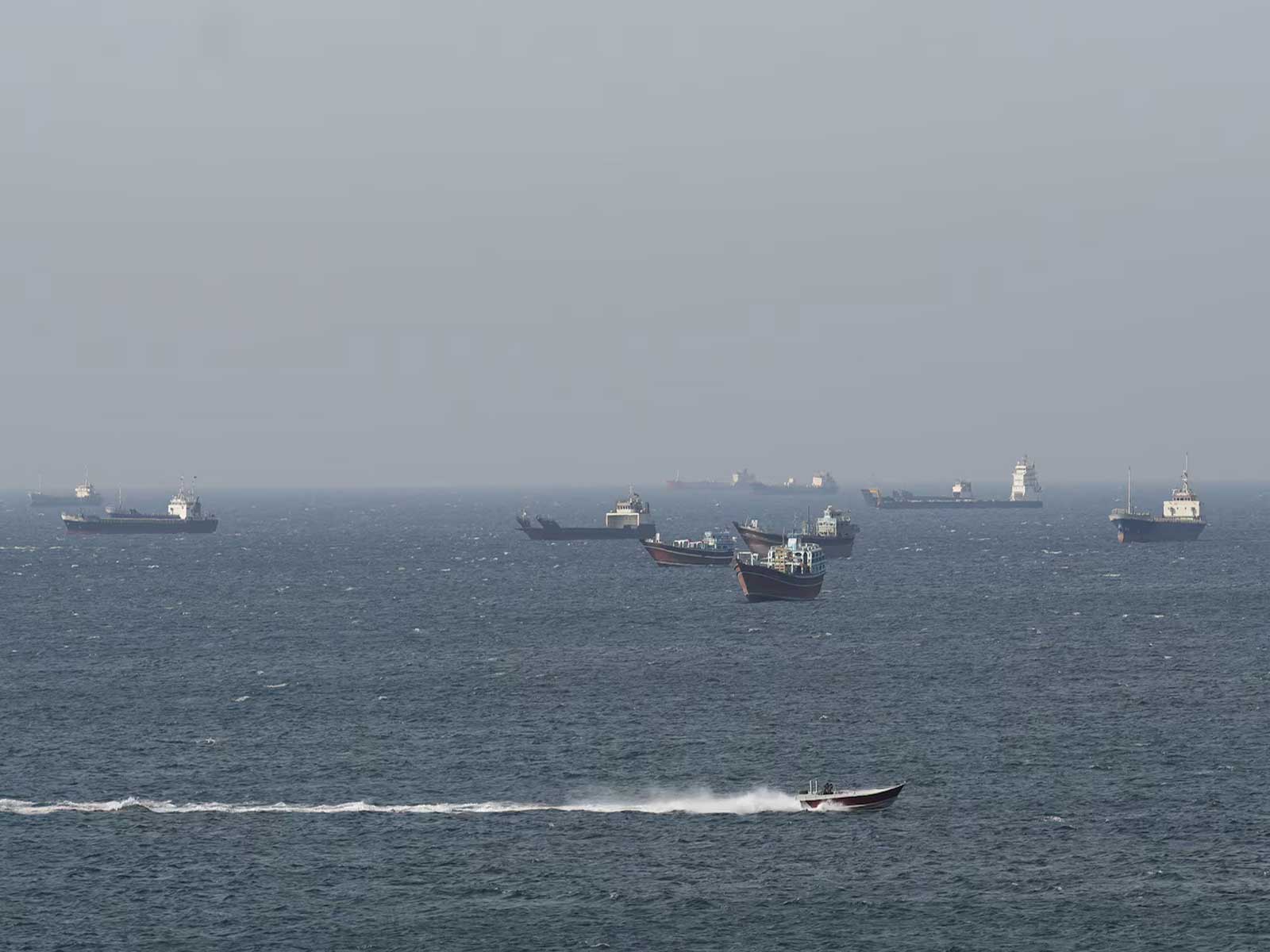
TEHRAN: The Islamic Revolutionary Guard Corps (IRGC) of Iran announced on Tuesday that its forces targeted and immobilised two oil tankers passing through the Strait of Hormuz, asserting that the ships were engaged in “illegal activities”, had deactivated their tracking equipment and dismissed multiple alerts issued by Iranian personnel.
The announcement came shortly after the United Arab Emirates levelled allegations against Tehran, claiming it had carried out cruise missile operations against two Emirati commercial vessels, leaving one Indian national dead and eight other crew members wounded.
In a statement, the Islamic Revolutionary Guard Corps (IRGC) said: “A few hours ago, the child-killing U.S. military, which has not learned from its repeated failures, attempted to guide several vessels through an illegal route.
Two oil tankers involved in illegal activities, which were deceived by the United States, turned off their navigation systems, ignored repeated warnings from the Strait of Hormuz security control centre, and endangered navigation by passing through a minefield. These vessels were targeted and disabled.”
Issuing a stern caution against collaborating with Washington, the IRGC added: “The IRGC Navy announces to everyone that cooperation with the aggressor enemy, which has come from thousands of kilometres away to violate the rights of the people of the region, will only result in regret, damage and delays in reopening the Strait of Hormuz, as well as creating an energy crisis in the world. There is no benefit to passing through the minefield.”
Prior to the IRGC statement, the Defence Ministry of the UAE reported that Iranian cruise missiles struck two of its domestic vessels, the oil carrier Mombasa and the liquefied natural gas carrier Al Bahiyah, as they navigated the southern transit route of the Strait of Hormuz inside Omani waters.
Emirati officials confirmed that the attack claimed the life of an Indian sailor aboard the Mombasa and left eight others injured, four of whom are in critical condition.
The missile strikes caused structural destruction and ignited onboard blazes on both ships, though emergency teams successfully extinguished the fires later.
Condemning the incident, the UAE’s Defence Ministry said, “The Ministry of Defence condemned this flagrant attack, describing it as a grave violation and a clear breach of international law that threatens regional security and stability.”
Abu Dhabi declared that it maintains its absolute entitlement to reply to the aggressive move and will employ every essential measure to defend its land, citizens and expatriates.
The ministry further noted that the assault “also caused material damage… as a result of fires breaking out on board” the two affected vessels.
Additionally, the spokesperson for Iran’s Khatam al-Anbiya Central Headquarters had previously emphasised that Tehran would block any American attempts to oversee the strategic channel, according to Iran’s semi-official Tasnim News Agency.
“The United States’ interference in the management of the Strait of Hormuz has seriously jeopardised regional security and international trade.
The United States shall never be allowed to interfere in the management of the Strait of Hormuz. Leaders of regional nations are warned that any cooperation with the United States constitutes an act of war against Iran,” the spokesperson said, as reported by Tasnim News Agency.
This maritime attack signals a significant worsening of the geopolitical friction in the Gulf, unfolding shortly after Washington launched consecutive military operations against targets inside Iran amid escalating regional volatility.
The Strait of Hormuz functions as one of the planet’s primary maritime corridors, facilitating the transit of nearly 20 per cent of the world’s petroleum products prior to the outbreak of recent hostilities.
This direct clash of narratives has renewed widespread global anxiety concerning the safety of international commercial shipping lanes and potential disruptions to international oil networks. (ANI)