Kathmandu
Thursday, July 23, 2026





KATHMANDU: The newly presented budget for the upcoming fiscal year by Finance Minister Swarnim Wagle has drawn contrasting reactions from key political figures, highlighting a divide between its modern presentation and its socioeconomic substance.
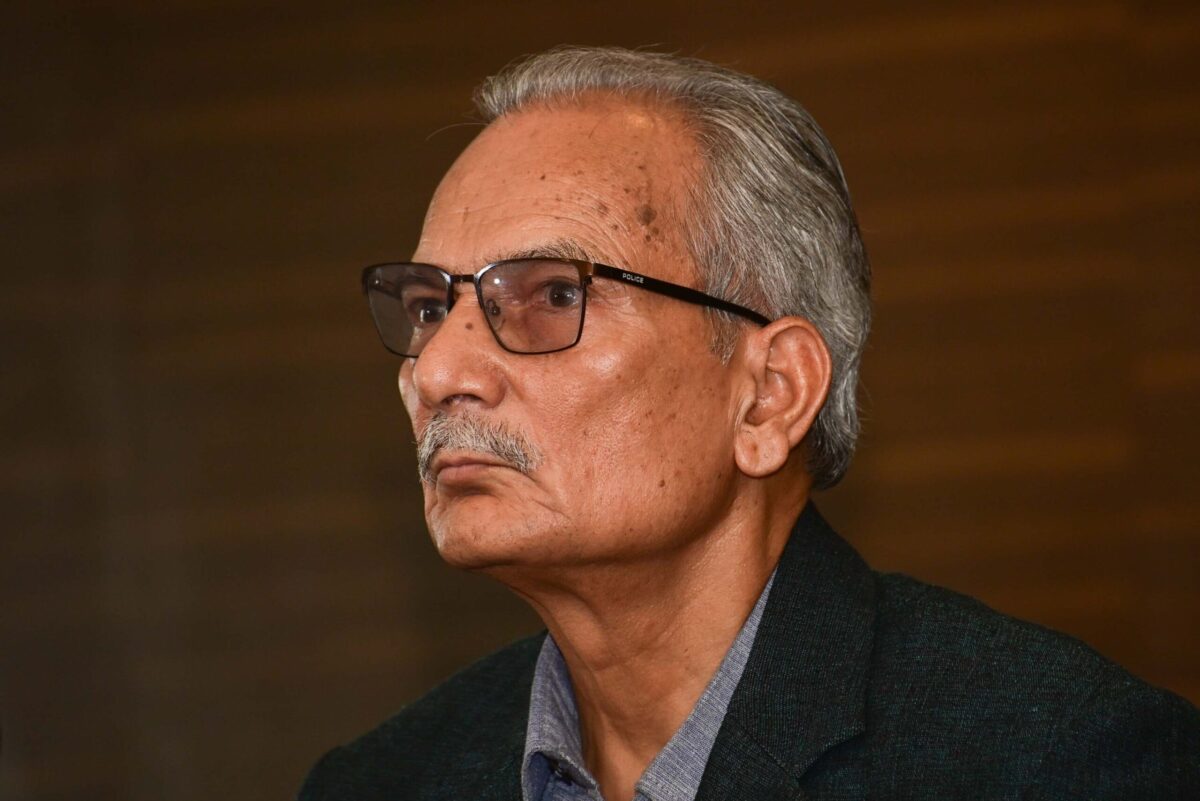
Former Prime Minister Dr. Baburam Bhattarai offered a positive take on the presentation, describing it via social media as a “thrilling experience” to listen to from his village in Gorkha.
Bhattarai praised the budget’s fresh language, its tech-friendly approach aimed at attracting the new generation, and the policy focus on the private sector and non-resident Nepalis.
He particularly welcomed the decision to construct the Budhigandaki Hydropower Project through an authorized authority—a modality he noted he had long advocated for.
However, Bhattarai remained skeptical about its structural implementation, noting that the budget failed to show a radical departure from past continuity regarding fiscal federalism and revenue balancing.
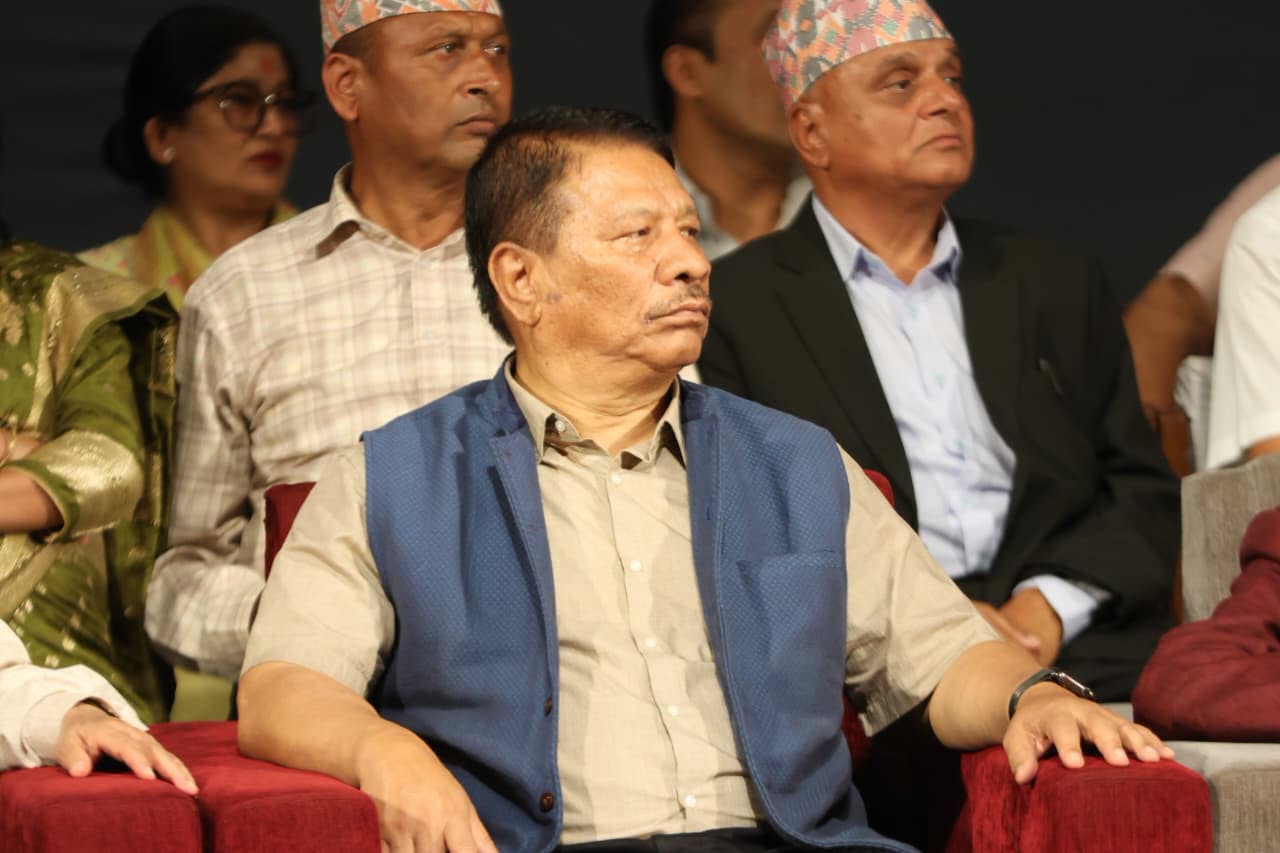
On the other hand, former Finance Minister and Nepali Communist Party leader Barshaman Pun fiercely criticized the fiscal plan, labeling it heavily “middle-class-centric” while completely ignoring the country’s most vulnerable populations.
Speaking to journalists, Pun argued that the budget offers no hopeful programs or job-creation strategies for farmers, laborers, unemployed youth, and landless settlers.
He accused the government of trying to shirk its state responsibilities by offloading employment generation entirely onto the private sector.
Furthermore, Pun slammed the policy to sell shares in profitable public enterprises like Nepal Telecom and Nepal Airlines, calling it an unwelcome push toward privatization.
He also pointed out the hypocrisy of the ruling RSP, noting that despite their past rhetoric against national debt, the budget heavily relies on raising Rs 400 billion in domestic debt and over Rs 200 billion in foreign loans.