Kathmandu
Tuesday, July 14, 2026





Due to lack of maintenance, the hundred-year-old engines of Janakpur Railway are being destroyed by rust and theft
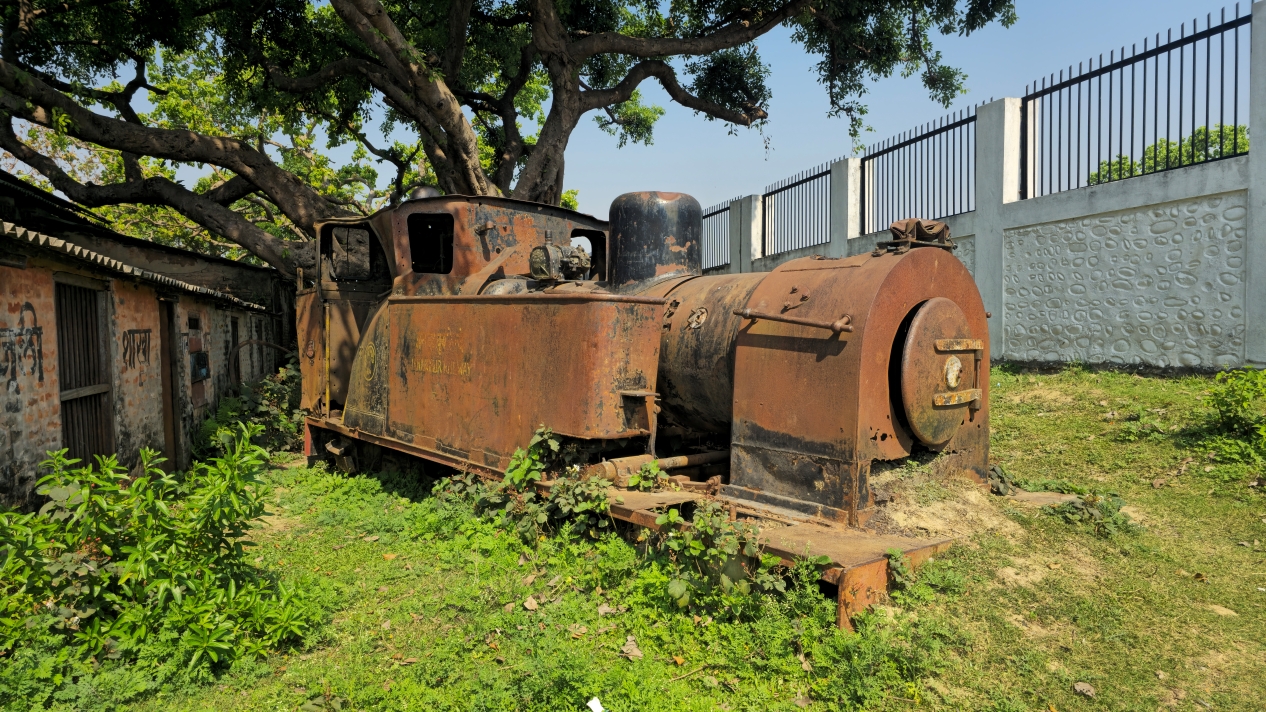
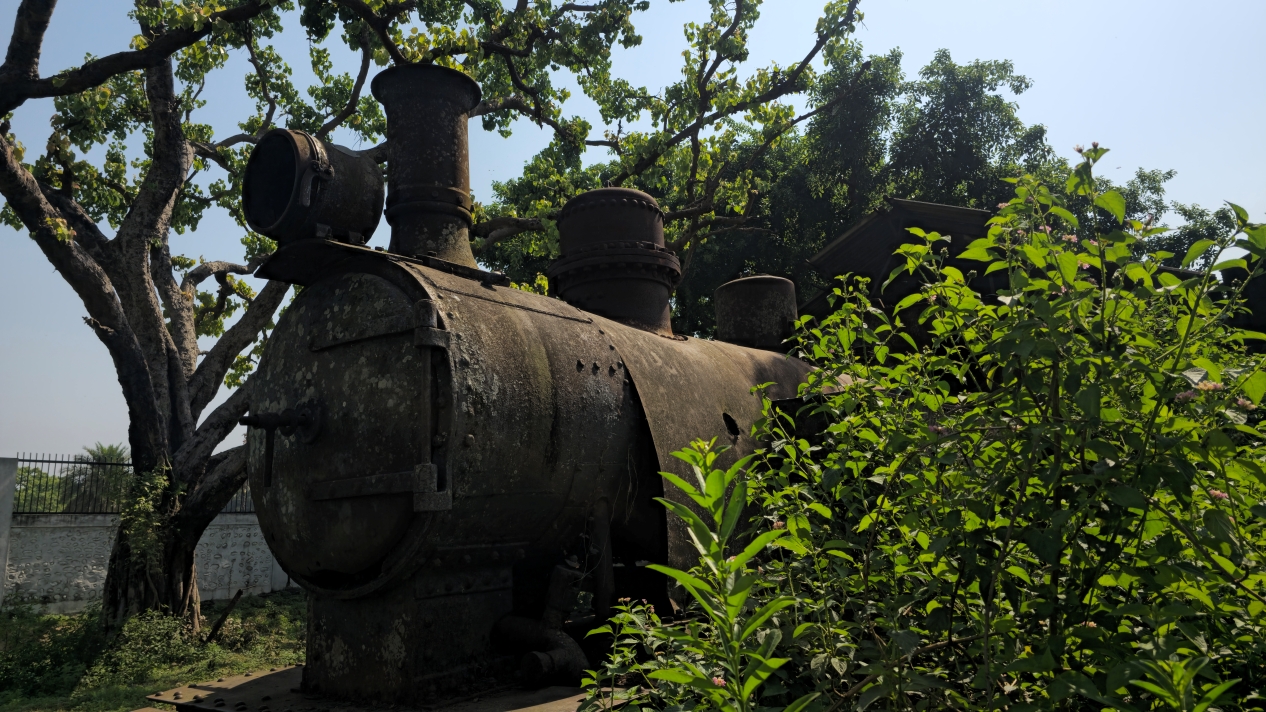
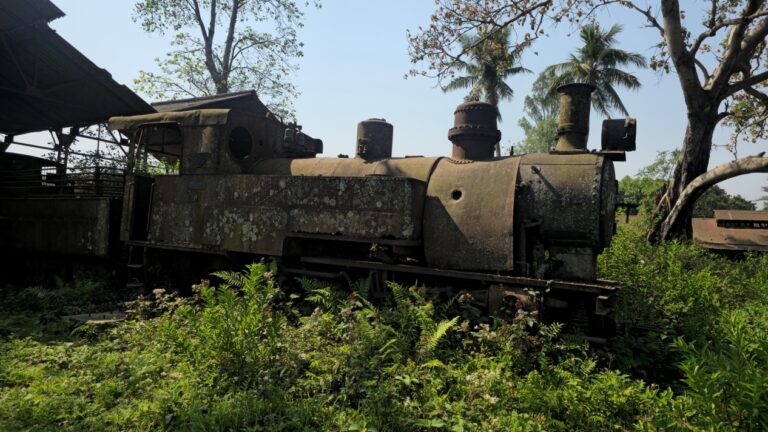
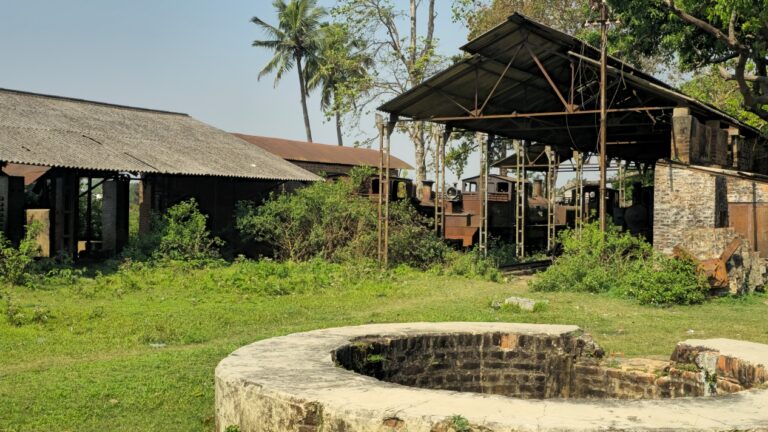
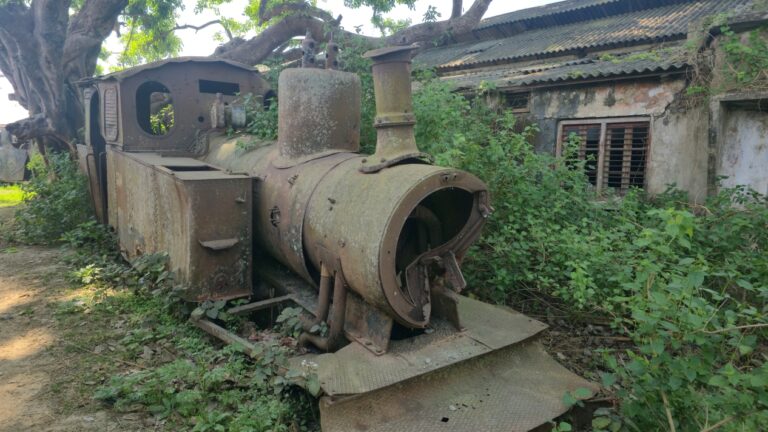
JANAKPURDHAM: A diesel-powered train service runs the 52.3 kilometers between Bijalpura in Mahottari and Jayanagar in India. In the past, the Jayanagar-Janakpur line ran on coal. The engines and equipment from that era now lie abandoned in Khajuri, Dhanusha, rusting away and disappearing to theft.
Local residents have been demanding that these significant artefacts of Nepal’s railway history be preserved and placed in a museum. They say their appeals to various agencies have gone unheard.
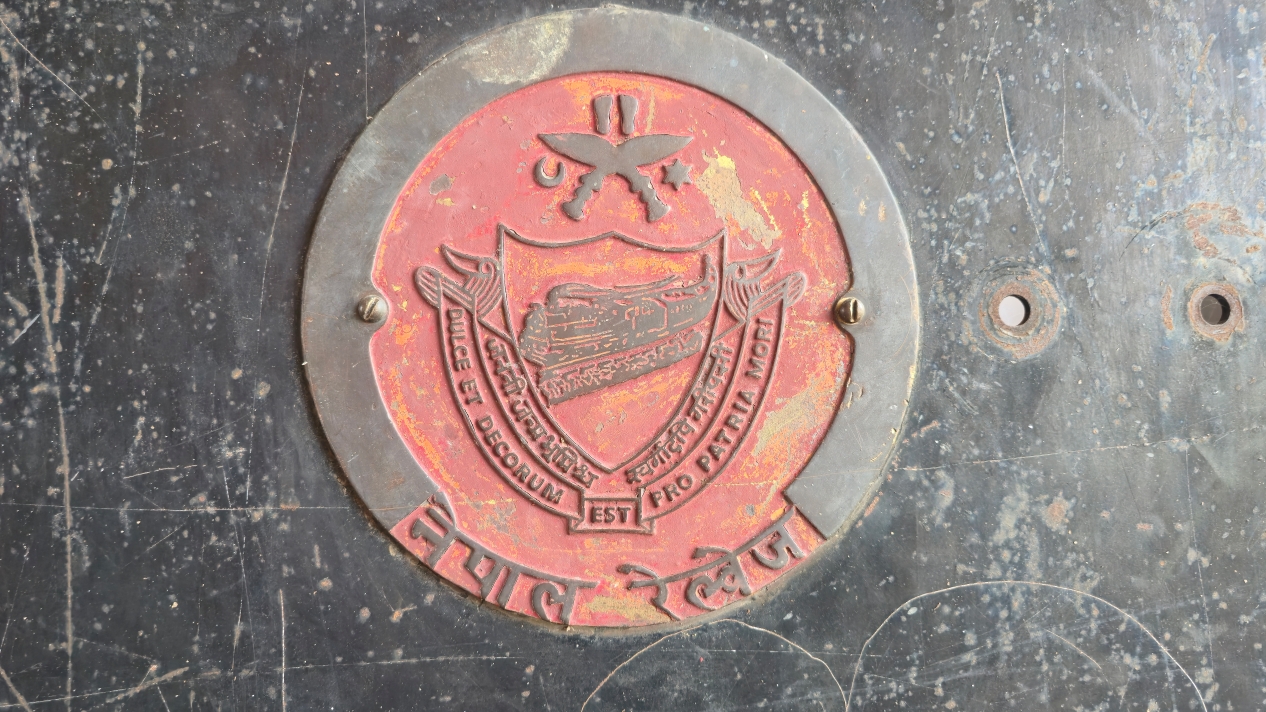
The old logo of Nepal Railways
Old engines, carriages, and spare parts are deteriorating through rust in the absence of any preservation. Each engine bears a name – Sita, Vishnu, Brahma, Gorakhnath, Pashupatinath, and Mahabir lie scattered in the open. Most of the engines once had their year of manufacture inscribed on them, but as those markings fade, the history of the Nepal Railways is being erased. According to local resident Ram Padarath Mandal, with no agency paying attention to the preservation of railway equipment, some drug users have been cutting up the iron and selling it.
Some of the idle engines are a hundred years old. According to Nepal Railway Company Limited’s Business Action Plan 2082 BS (2025/26), the dates recorded on these engines show they range from around 60 to nearly 100 years old. Engine number 3876, named Chandra, records a manufacture date of 1962, while engine number 1537, named Pashupatinath, was built in 1926.
Nepal’s railway ran on coal engines until 2050 BS (1993/94). In 2051 BS (1994/95), the Indian government provided a diesel engine with 18 carriages, bringing modern rail service to the Janakpurdham-Jayanagar line. Subsequently, with Indian government support for track construction, Nepal purchased its own engines and carriages and has been operating the service since 2 April 2022.
Local journalist Awadhesh Kamat says that if the old railway engines and equipment could be preserved, Khajuri could be developed as a tourist destination. “The local government should release budget to preserve the engines and push for a museum to be built. If that happens, economic benefits can be generated by developing it as a tourist site,” he says.
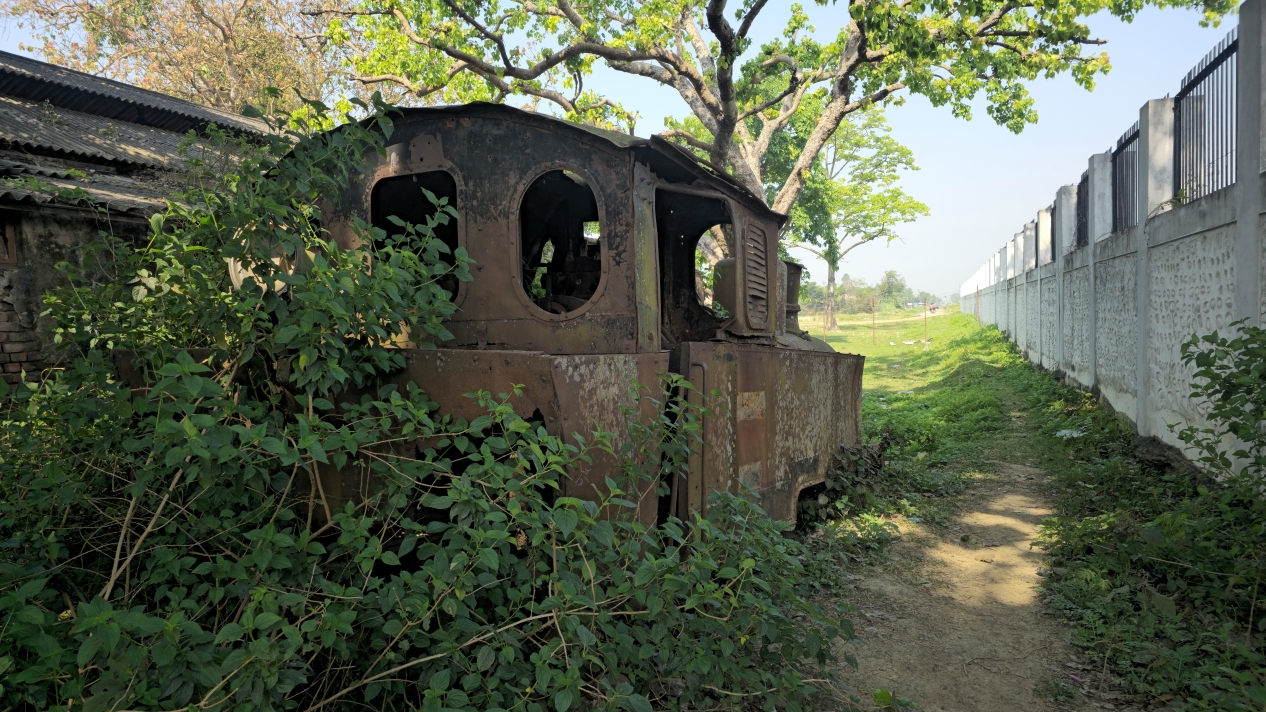
Former ward chair of Janaknandini Rural Municipality Ward 4, Harishchandra Sah, says he and others have approached various agencies to push for a museum as a way to preserve railway history for the new generation. “These materials that tell the story of Nepal’s railway history can be preserved and developed as a historical site,” he says. “There is plenty of land and it would not cost much if the will were there. This place could become a draw for researchers and students.”
Nepal Railway holds more than 10 bighas of land in Khajuri. Local residents believe this land could be used to build a museum.
Ward chair of Janaknandini Rural Municipality Ward 4, Shiva Kumar Yadav, says he has appealed to every minister who has visited the area about the museum. “We have sent letters to all relevant bodies and met ministers who have come here at various times to brief them and draw their attention to this matter,” he says.
Nepal Railway Company Limited’s own Business Action Plan also notes that the old engines in Khajuri should be incorporated into a museum that could generate revenue. The plan states that establishing a museum featuring the 100-year-old steam engines could generate additional income both from museum ticket sales and from rail passengers travelling to the museum, with an estimated additional monthly income of Rs 500,000.
Former general manager of Nepal Railway Company Limited, Niranjan Jha, says he took initiative to build a museum showcasing the old engines but was unable to bring it to fruition. “Let us hope that when a new general manager arrives, the effort will be made,” he says.
Nepal’s railway history
Nepal’s railway history spans nearly a century. Rail service first began in 1983 BS (1926/27) between Raxaul in India and Amlekhganj in Nepal. The British Indian government built and operated 39 kilometers of railway on the Raxaul-Amlekhganj section.
In 1994 BS (1937/38), a second railway began operating – 52 kilometers from Jayanagar in Bihar, India, through Janakpur to Bijalpura in Mahottari. This line was built by the then-British Indian government to transport herbs and timber from Nepali territory. Carriages for workers were added to what was essentially a freight train. After the forests of the region were depleted, the line began operating as a passenger service. The engine, originally coal-fired, was later converted to diesel.
In the absence of private companies willing to operate rail services in Nepal, Nepal Railway Company Limited was established by the government on 31 May 2004.
The narrow-gauge service that had operated from Jayanagar to Bardibas was shut down in Magh 2070 BS (mid-January to mid-February 2014) when broad gauge construction began. The 38-km broad gauge line from Jayanagar to Kurtha in Dhanusha was inaugurated on 2 April 2022. From 16 July 2023, a further 17 kilometers from Kurtha station to Bhangaha station in Mahottari brought the total operating length to 52 kilometers. The service carries around 4,000 passengers daily, with numbers rising sharply during religious festivals held in Janakpurdham.