Kathmandu
Saturday, July 25, 2026






KATHMANDU: Nepal News presents today’s snapshot of Nepal’s economic activities. Get quick updates on major market movements, policy shifts, and financial developments shaping the economy of Nepal. Here are the key economic highlights for today:
Govt. Proposes New One-Rupee Coin Design
The government prepared a revised design for the 1-rupee coin featuring Aakash Bhairav alongside the updated pointed map of Nepal and 64 dots symbolizing the 64 Yoginis. Following previous cabinet directions to reconsider an alternative proposal depicting the Ghar Gumba in Mustang, the updated coinage layout will be submitted to the upcoming cabinet meeting for formal approval to initiate mass minting and national circulation. Officials expect that this new design will successfully meet all administrative and cultural standards required for official currency issuance across the country once the formal executive authorization is granted by the administration in the near future.
Country Imports Toothpicks Worth Rs 28 Million in Last FY
The country imported 76,614 kilograms of toothpicks valued at Rs 28.1 million during the fiscal year 2025/26, generating Rs 10.1 million in state revenue. According to trade data published by the Department of Customs, imports were overwhelmingly dominated by China, which supplied goods worth Rs 28 million, followed by smaller supplementary shipments originating from India and Thailand. Economic analysts pointed out that importing such basic wooden and plastic commodities highlights persistent domestic production gaps, causing substantial financial capital to flow out of the national economy annually.
Govt. Advances Legislation to Establish Specialized Infrastructure Tribunal
The government is advancing the creation of a specialized infrastructure tribunal to fast-track legal disputes and prevent chronic project delays in the construction sector. Discussions were held at the Ministry of Law, Justice, and Parliamentary Affairs to finalize the draft bill. The meeting included Sunil Lamsal, Arjun Jung Thapa, Gopal Prasad Sigdel, and Parashu Dhungana. Modeled after global bodies like the United Kingdom’s Technology and Construction Court, the tribunal aims to bypass overburdened courts, minimize investor risk, and ensure national projects stay on schedule through rapid arbitration.
Legal Cases Filed Against Madhesh Entrepreneurs for Substandard Food
Cases have been registered against 62 entrepreneurs in Madhesh Province for allegedly manufacturing and selling substandard edible items. The Food Technology and Quality Control Office reported that following tests of food samples in fiscal year 2025/26, cases were filed in district courts and administration offices under the Food Hygiene and Quality Act, 2024. Office chief Bimal Kumar Dahal stated that actions targeted 51 business people in Bara and Parsa, seven in Mahottari, three each in Sarlahi and Rautahat, and one in Dhanusha, with proceedings underway for five more. Monitoring revealed harmful adulteration and expired items among 4,559 collected samples.
Nepal and UN Review Cooperation Framework and Endorse 2028–2032 Roadmap
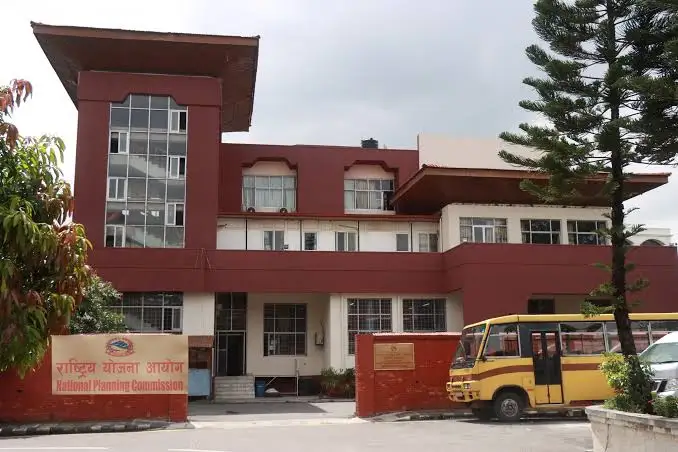
The Joint Steering Committee of the United Nations Sustainable Development Cooperation Framework (UNSDCF) reviewed progress and endorsed the roadmap for Nepal’s 2028 to 2032 framework. The annual meeting was co-chaired by National Planning Commission Vice Chairperson Gunakar Bhatta and UN Resident Coordinator Lila Pieters Yahia. Discussions focused on aligning the upcoming framework with the Sixteenth Plan, Nepal’s graduation from Least Developed Country status, climate resilience, digital transformation, and sustainable development goals. The committee highlighted past achievements in health, disaster resilience, and social inclusion while emphasizing the need for innovative financing and youth empowerment.
Local Unit in Syangja Benefits 17 Families Under 3rd-Child Financial Aid Program
Kaligandaki Rural Municipality in Syangja provided financial support to 17 families under its declining birthrate mitigation program during the fiscal year 2025/26. Operating under dedicated local procedural guidelines, the pioneering initiative grants eligible households giving birth to a third child a monthly allowance of Rs 4,000 for two years, aiming to encourage family growth, balance demographic trends, and promote maternal and child health across the community. Local administrators noted that while the community previously promoted small family norms, shifting population dynamics necessitate proactive state incentives to reverse negative birthrate trends and secure sustainable demographic stability for the future.
Dang Traffic Police Collect Rs 15 Million in Revenue
The Traffic Police Office, Dang, penalized 14,563 vehicles and collected Rs 15.2 million in revenue during the fiscal year 2025/26, with motorcycles accounting for the highest share of infractions. According to official statistics released by the district authorities, the region recorded 347 traffic accidents involving 661 vehicles during the same annual period, resulting in 72 fatalities comprising 50 males, 19 females, and three children. Law enforcement agencies reiterated their commitment to intensifying public awareness campaigns and strict rule enforcement to curb reckless driving and reduce preventable road casualties across the district.
NEA Inspection Targets Power Reliability in Morang and Sunsari
The Nepal Electricity Authority (NEA) leadership initiated field inspections across Morang and Sunsari on Saturday to address recurring power disruptions and improve distribution reliability in eastern regions. Following direct instructions from the Ministry of Energy, Water Resources and Irrigation, senior management reviewed transformer workshops, inspected the Duhabi grid substation, and set strict three-month deadlines for completing the Barju substation alongside a one-month target for the Kerang substation. Authorities emphasized that these strategic infrastructure projects must be expedited with adequate workforce deployment to permanently resolve local outages and ensure a stable, uninterrupted electricity supply for all regional consumers.
GAVI Cancels Refund Demand for Nepal and Adjusts Amount
The Global Alliance for Vaccines and Immunization (GAVI) decided not to seek a cash refund of USD 308,271 from Nepal, opting instead to adjust the amount from upcoming support under GAVI 6.0. Following initiatives by Minister for Health and Food Safety Nisha Mehta, discussions at the World Health Assembly, and a formal proposal on June 4, 2026, GAVI agreed to the adjustment. GAVI has previously provided assistance exceeding USD 550 million to Nepal for routine immunizations, vaccine procurement, and cold chain strengthening since their 2014 partnership framework.
Buddha Air Adds New ATR 72-600 Aircraft to Fleet
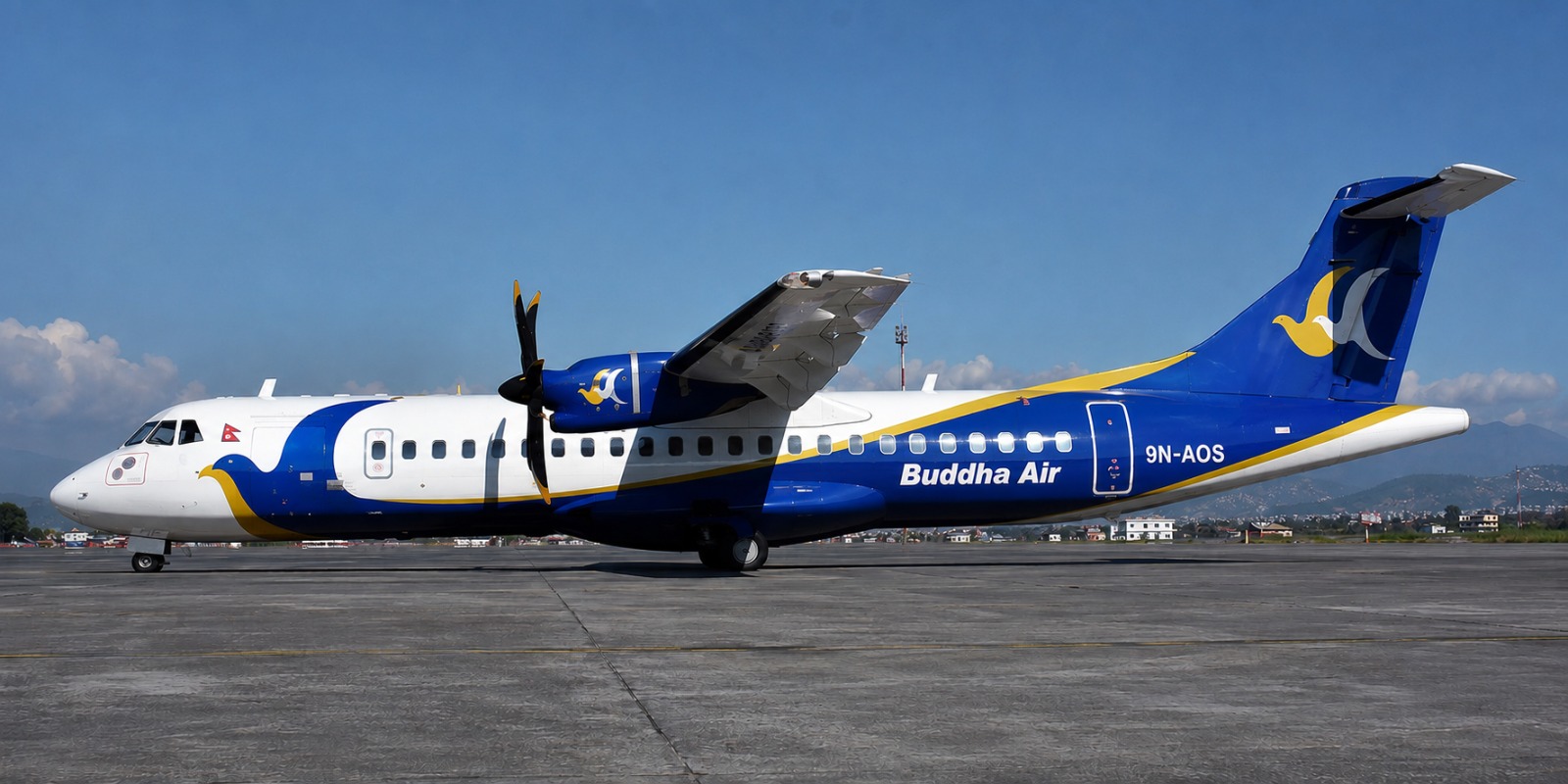
Buddha Air expanded its fleet by bringing in a new ATR 72-600 aircraft, which is scheduled to begin commercial operations next month following regulatory procedures. The aircraft, bearing the callsign 9N-AOS, was ferried from Toulouse, France. Equipped with an advanced RNP-AR navigation system, the aircraft can perform safe landings at Kathmandu and Bhairahawa airports in visibility as low as 900 meters. Buddha Air plans to add another ATR 72-600 by late August, bringing its total fleet to include one ATR 42-320, fifteen ATR 72-500s, and two ATR 72-600s.

![Young doctors protest alleged labor exploitation in health institutions [Photo Feature]](https://english.nepalnews.com/wp-content/uploads/2026/07/Doctor-Protest-Maitighar-4.jpeg)