Kathmandu
Sunday, June 28, 2026






KATHMANDU: Nepal News presents today’s snapshot of Nepal’s economic activities. Get quick updates on major market movements, policy shifts, and financial developments shaping the economy of Nepal. Here are the key economic highlights for today:
House Passes Finance Bill 2026, VAT Review Committee to Be Formed
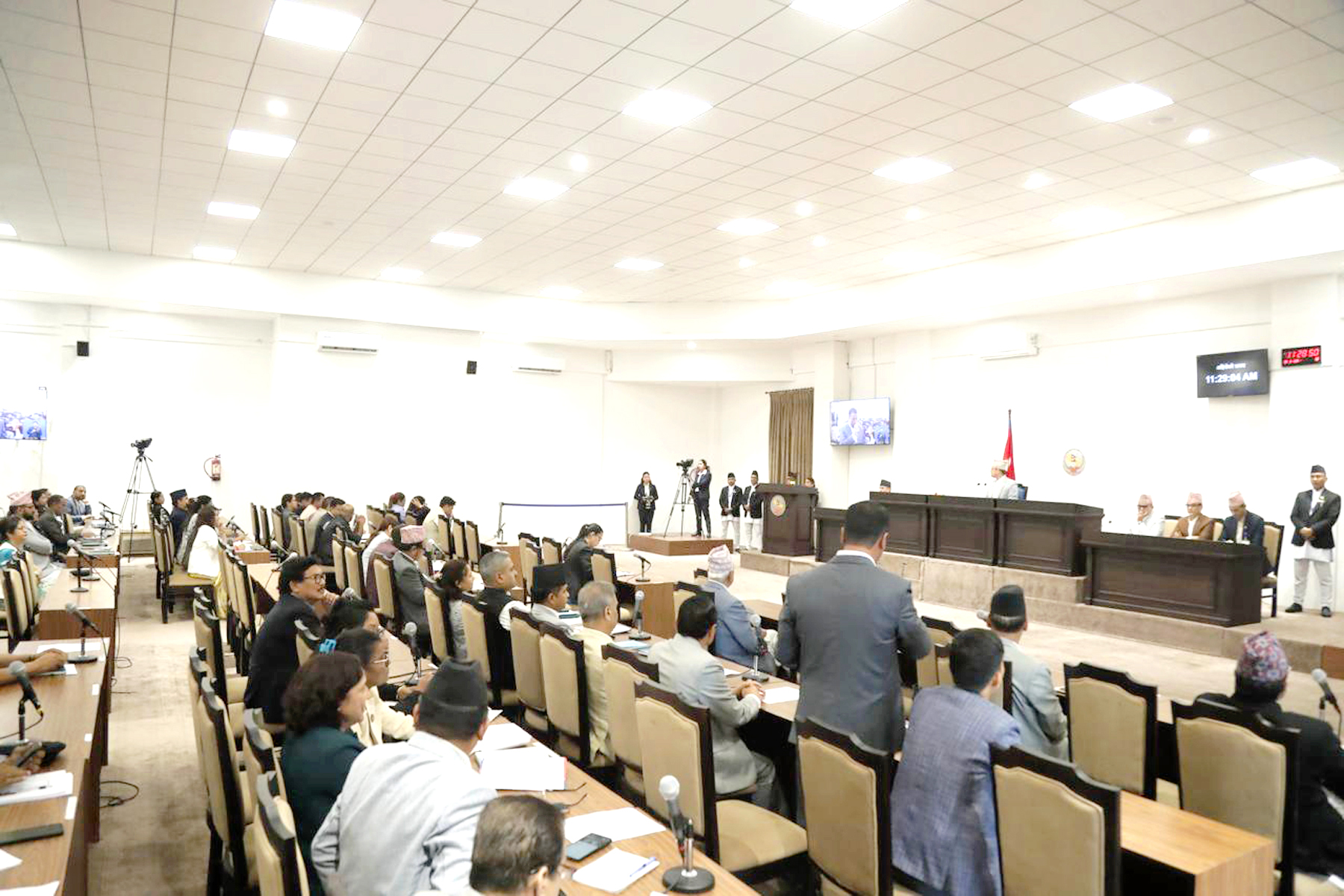
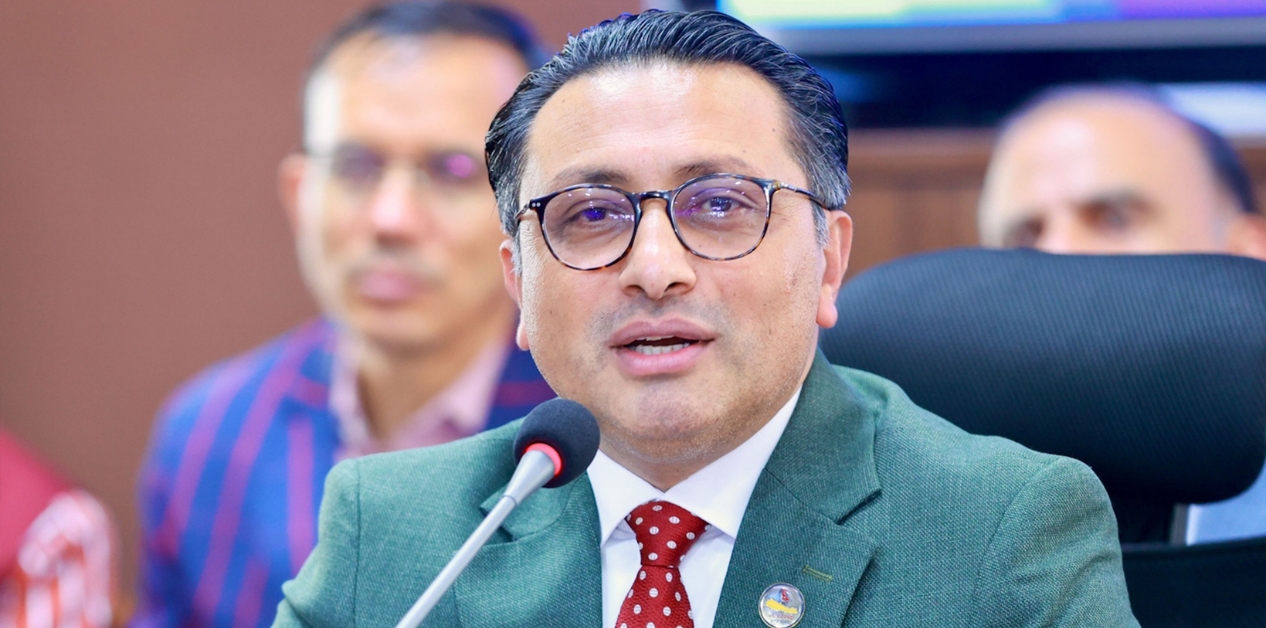
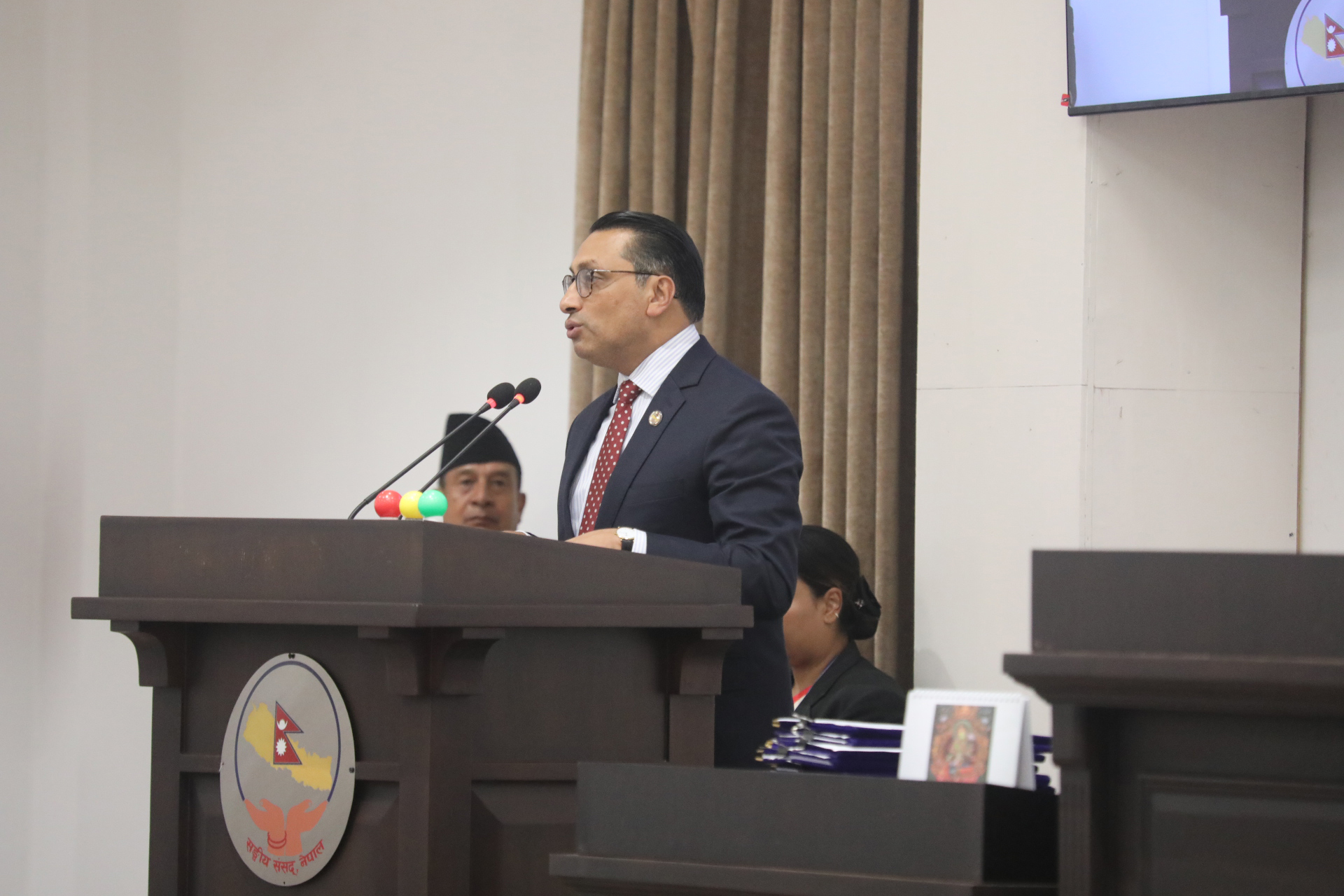
House of Representatives has passed the Finance Bill, 2026 by a majority vote. Finance Minister Swarnim Wagle said the government is committed to improving budget implementation and addressing the long-standing problem of low capital spending beginning next fiscal year. He also assured lawmakers that the newly introduced taxes would not burden low-income citizens. Wagle announced that a high-level committee will be formed to review the multi-rate Value Added Tax (VAT) system, with future changes to the tax structure to be based on the committee’s recommendations.
Wagle Pledges to Improve Capital Spending, Defends Education Tax
Finance Minister Swarnim Wagle has pledged to end the long-standing stagnation in capital expenditure beginning next fiscal year, saying the government’s structural reforms will improve budget implementation and increase revenue collection. Addressing the House of Representatives, he said the proposed 3% equity fee on private school tuition will not affect most students in public schools and will instead support education for marginalized and low-income communities. Wagle also highlighted tax relief measures, including raising the annual tax-free income threshold to Rs 1 million and providing a Rs 25,000 tax deduction for private school expenses. He stressed the need to strengthen domestic revenue to fund public services.
Auditor General’s Report Reveals Major Fiscal Irregularities and Oversight Gaps
Minister for Law, Justice and Parliamentary Affairs Sobita Gautam tabled the 63rd Annual Report of the Auditor General in the House of Representatives on behalf of Prime Minister Balendra Shah. The report, prepared under Auditor General Toyam Raya, reviews the financial status of 5,526 public entities with transactions totaling about Rs 9.484 trillion in fiscal year 2024/25. It highlights Rs 88.09 billion in new irregularities and notes that 179 offices failed to submit records due to protests, leaving Rs 147.89 billion unaudited. Total outstanding irregularities have reached Rs 755.17 billion, while public debt stands at Rs 2.674 trillion. The report also flags weak economic growth and delays in national projects.
Finance Minister Vows Nepal’s Exit from FATF Grey List Within Two Years
Finance Minister Swarnim Wagle has pledged to remove Nepal from the Financial Action Task Force (FATF) grey list within the next 18 to 24 months, calling it one of the government’s top priorities. Speaking during deliberations on the Anti-Money Laundering Prevention (Third Amendment) Bill, 2026, in the House of Representatives, Wagle said the government is also working to remove Nepal from the European Union’s aviation safety blacklist. He clarified that money laundering charges cannot be filed arbitrarily and must be based on a proven underlying offense such as corruption or smuggling. The House later endorsed the proposal to consider the bill.
Petroleum Imports in Nepal Surpass Total Export Earnings
Nepal spent Rs 297.79 billion on petroleum imports from India during the first 11 months of fiscal year 2025/26, exceeding total merchandise exports of Rs 277.96 billion by nearly Rs 20 billion, according to the Department of Customs. Diesel was the largest import at Rs 152.67 billion, followed by petrol (Rs 68.17 billion) and aviation turbine fuel (Rs 17.49 billion). LPG imports fell by Rs 5 billion to Rs 52.21 billion, driven by increased use of electric stoves, which reduced cooking gas demand.
DoFE Launches Drive to Digitize Decades of Foreign Employment Fraud Files
The Department of Foreign Employment (DoFE) has launched a major initiative to recover, organize, and digitize nearly 25 years of unmanaged fraud and investigation files related to foreign employment cases. Led by Director General Meera Acharya under directives from Labour Minister Ramji Yadav, the campaign aims to improve case management and transparency. The department began systematically collecting old records dating back to 2000, many of which had been left unorganized for years. Thousands of files have now been physically archived and arranged chronologically, while digitization is underway. DoFE also plans to introduce a digital tracking system to speed up investigations and strengthen service delivery for victims of foreign employment fraud.
23rd National Paddy Day observed with focus on climate-friendly farming
Nepal is observing the 23rd National Paddy Day and Transplanting Festival on Monday under the slogan, “Climate-friendly technology, self-reliance in rice and prosperity.” A special program at the National Agronomy Research Center, Khumaltar, honors contributors to rice production and research. According to the Department of Agriculture, 2.7 million of Nepal’s 4.1 million farming households cultivate paddy. Although rice productivity has increased to 4.19 metric tons per hectare over the past five years, the country still faces an annual shortfall of about 1 million metric tons, prompting greater emphasis on climate-resilient farming technologies.
Agriculture Minister leaves for Thailand to attend climate conference
Minister for Agriculture, Forest and Ecology Gita Chaudhary left for Bangkok, Thailand on Sunday to attend the Seventh Global Conference on Climate and SDG Synergies. She will participate in a high-level session on the Paris Agreement and climate-SDG synergies on Monday. The conference, jointly organized by UN DESA, the UNFCCC Secretariat, and UN ESCAP, will discuss climate action, sustainable development, and implementation of the Paris Agreement. Minister Chaudhary is expected to highlight Nepal’s progress on the Sustainable Development Goals, climate change mitigation efforts, and challenges faced by mountainous countries.
Bird flu spreads across Kathmandu Valley via infected crows
Bird flu has spread across the Kathmandu Valley through infected crows, the Department of Livestock Services said. Director General Dr. Umesh Dahal stated that unlike poultry, controlling infected crows is difficult as they move freely and transmit the virus across multiple locations, including the Central Zoo. He warned that infected crows can carry the virus for up to 21 days and even their droppings contribute to its spread. The disease has now been detected in all three districts of the valley and in 11 districts nationwide across 100 locations. Authorities have urged caution and stepped up control measures.
TU Teaching Hospital to Resume Health Insurance Service from June 29
Tribhuvan University (TU) Teaching Hospital is set to resume its health insurance program from June 29, 2026, after suspending it since January 15, 2026, due to delayed payments. According to Executive Director Dr. Subhash Prasad Acharya, the service will initially restart in the outpatient department (OPD) and expand to other units soon. The hospital will distribute insurance tickets from 7 am to 11 am and 1 pm to 2:30 pm. The service was halted after pending dues were not cleared, but the Health Insurance Board has recently settled outstanding payments, enabling the resumption of services that began in 2020.
Tourism Entrepreneurs Urge Action on Nepalgunj–Pokhara Flights and Airfare Issues
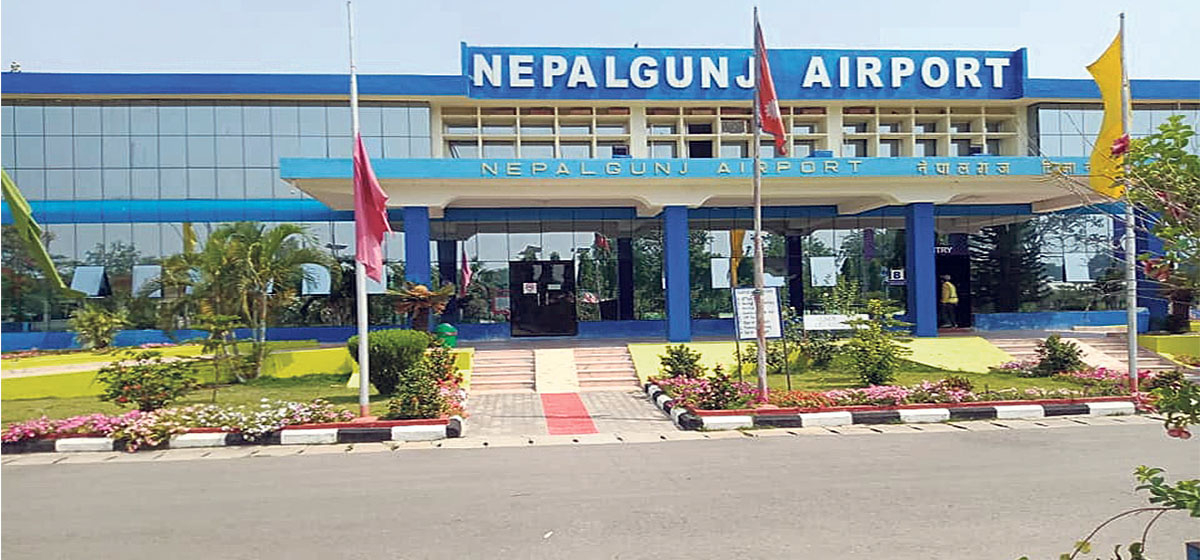
Tourism entrepreneurs have expressed concern over the disruption of Nepalgunj–Pokhara flights, saying it has severely affected the local tourism sector. They also urged Tourism Minister to end the discriminatory airfare system applied to foreign tourists. In response, Minister Poudel said the government is committed to promoting tourism and will pursue policy reforms to strengthen the sector, a key source of foreign currency earnings. He also stressed the need to restructure the Nepal Tourism Board to keep pace with changing demands. Entrepreneurs from western Nepal briefed the minister on challenges and opportunities in the region’s tourism industry.
Forest Plantation Drive In Lumbini Targets Green Economy And Livelihoods
A large-scale tree plantation campaign has begun in Lumbini Province, aiming to link environmental conservation with economic growth. The initiative, led by the Ministry of Forest and Environment with forest offices and community groups, plans to plant trees across over 60 hectares using 2.5 million saplings produced locally. Chief Minister Chetanarayan Acharya stressed that plantation success depends on long-term protection and maintenance. Officials said the program is expected to support green economic activities such as community forestry, agroforestry, and eco-enterprises. Leaders also highlighted potential income from fodder, fruits, medicinal plants, and tourism, promoting sustainable rural livelihoods and climate resilience.
Karnali Suspension Bridge Emerges as New Tourist Attraction in Sudurpaschim
A newly constructed suspension bridge over the Karnali River in Daulatpur, linking Tikapur Municipality of Kailali with Rajapur Municipality of Bardiya, has quickly become a hotspot for domestic tourists. Since opening for public movement, the 482-meter bridge has drawn large crowds seeking scenic views and relief from the heat, with local photographers also benefiting from increased activity. The bridge has reduced travel distance between the two areas from 24 km to 15 km and eliminated the need for risky boat travel. Built at a cost of around Rs 157.3 million, the project was completed ahead of schedule and is expected to boost tourism and local economic activity in the region.
Pokhara Hosts 21st Paddy Planting Festival with Tourists’ Participation
The 21st Paddy Planting Festival, organized by the Pokhara Tourism Council, was held in Shishuwa, Lekhnath area of Kaski, attracting both domestic and international tourists along with local participants. The annual event featured traditional rice planting activities, highlighting Nepal’s agricultural heritage while promoting cultural tourism. Pokhara Metropolitan City Mayor Dhan Raj Acharya also took part in the festival. Organizer said the celebration helps preserve traditional farming practices while boosting tourism through community-based cultural events.
Suspension Bridge Boosts Access on Maurice Herzog Trail in Myagdi
A 57-meter suspension bridge has been constructed over Humkhola in Annapurna Rural Municipality-4, Myagdi, along the Maurice Herzog trekking trail leading to Annapurna Base Camp, enhancing safety and accessibility for locals and trekkers. The bridge replaces a risky wooden plank crossing and has eased movement for residents and visitors, benefiting 549 local families. Officials said 1,221 people were employed during construction. The project was funded through federal and municipal support, along with voluntary local contributions and NGO assistance. Authorities said further bridge construction is planned along the trekking route, which offers scenic Himalayan landscapes and leads to Annapurna Base Camp and nearby Panchakunda Lake.
Baglung Sees Rise in Commercial Dairy Farming
Returnee migrant workers and local youth in Baglung are increasingly engaging in commercial dairy farming, boosting local milk production and self-reliance. Farmers like Liladhar Sharma and Bikash Paudel have established successful cow farms after returning from abroad, supported by government subsidies and technical assistance. According to the Veterinary Hospital and Livestock Service Expert Center, the district produces about 23,157 metric tons of milk annually, making it self-sufficient with surplus exported to nearby districts. Milk is distributed through 15 cooperatives. Improved infrastructure, pricing, and livestock support have further encouraged farmers to expand commercial animal husbandry in the region.
Resunga Municipality Awards Best Entrepreneur Rs 100,000
Resunga Municipality has awarded farmer Win Bahadur Kunwar of Ward No. 10 the Best Entrepreneur Award along with a cash prize of Rs 100,000 under its Growth-Oriented Entrepreneurship and Employment Promotion Program. Kunwar, a commercial vegetable farmer for over two decades, was selected from 137 applicants through a four-stage evaluation process. He currently cultivates vegetables on 65 ropanis of land. Nine other entrepreneurs received Rs 60,000 each. Mayor Khildhwoj Panthi said the program aims to promote local entrepreneurship, self-employment, and youth engagement by supporting businesses based on local resources and skills.
Gharpajhong Rural Municipality Distributes Yaks and Naks Under 50% Subsidy
Gharpajhong Rural Municipality in Mustang has distributed yaks and naks under its ‘Himalayan Yak-Nak Promotion’ programme with a 50 percent subsidy to support local livestock farmers. The initiative follows a cost-sharing model between the rural municipality and beneficiaries, each contributing Rs 750,000. A farmer from Jomsom, Pemba Gurung, purchased over 56 yaks, naks, and calves sourced from Manang and invested additional personal funds beyond the subsidy limit. Officials said the programme aims to revive traditional Himalayan herding while promoting biodiversity. Beneficiaries are restricted from selling the livestock for five years. The animals have also been insured, with government support covering most of the premium and compensation available for losses.
Returnee Migrant Builds Successful Commercial Farm in Parbat
Shivakumar Chhetri of Bihadi Rural Municipality-1, Parbat, has established a successful commercial agricultural farm after returning from Korea and Saudi Arabia, investing around Rs 6 million in his hometown. Operating the ‘SK Agricultural Farm’ across 90 ropanis, Chhetri integrates vegetable farming, fruit orchards, and livestock using modern techniques such as tunnel farming and irrigation systems. The farm produces crops like cucumbers, potatoes, ginger, tomatoes, and lemons, generating an annual turnover of about Rs 5 million and providing direct employment to five people. He also leads a farmers’ group producing high-value cucumber seeds, earning millions annually. Despite challenges in accessing bank loans, Chhetri continues expanding his farm and encourages youth to pursue agriculture in Nepal.
NTC Introduces Auto-Renewable Subscription-Based Prepaid Packages
Nepal Telecom has launched a monthly auto-renewable subscription-based package for prepaid users, allowing services to renew automatically based on available balance, eliminating the need for manual monthly activation. The company has introduced three 30-day plans: Namaste Recurring 299, which includes 300 minutes of all-network calls, 4 GB data, 2 GB night data, and 20 SMS; Namaste Recurring 499, offering 500 minutes, 8 GB data, 4 GB night data, and 100 SMS; and Namaste Recurring 799, which provides unlimited all-network calls along with 10 GB daily data (300 GB monthly) and 300 SMS. Additional data add-ons include 1 GB for Rs 30, 2 GB for Rs 50, and 4 GB for Rs 99. Services can be activated via *1415#.
Gold and Silver Prices Rise
Gold and silver prices increased in Nepal’s domestic market, according to the Nepal Gold and Silver Dealers’ Association. Hallmark gold rose by Rs 4,700 per tola to Rs 283,800 per tola, up from Rs 279,100 last Friday. Silver also increased by Rs 145 per tola, reaching Rs 4,325 per tola from Rs 4,180. The rise reflects a sharp short-term increase in precious metal prices in the local market.