Kathmandu
Saturday, June 6, 2026






KATHMANDU: Nepal News presents today’s snapshot of Nepal’s economic activities. Get quick updates on major market movements, policy shifts, and financial developments shaping the economy of Nepal. Here are the key economic highlights for today:
Impact of Elections on Nationwide Economic Activities
The House of Representatives election on March 5 caused a significant temporary slowdown in Nepal’s economic activities. The 72-hour closure of all border points and customs offices until Thursday evening halted the entry of non-essential commercial cargo, impacting supply chains and revenue collection. Major infrastructure projects, such as the Nagdhunga-Sisnekhola tunnel, suspended work for five days as laborers returned home to vote. Furthermore, the two-day public holiday led to the closure of private businesses and restricted banking to limited ‘holiday counters,’ effectively pausing the formal domestic market. While the government spent nearly Rs 19.62 billion on election management, infusing liquidity into the security and printing sectors, the broader industrial and retail sectors experienced a sharp decline in productivity during the week of the polls.
US Waiver for Russian Oil Could Impact Nepal Through India’s Fuel Supply
The United States has allowed India to temporarily increase purchases of Russian crude and petroleum products loaded before March 5, valid until April 4, to ease supply disruptions caused by the Persian Gulf conflict. India, Nepal’s primary source of fossil fuels, imports around 5 million barrels daily, with the waiver aimed at stranded Russian cargoes. While the measure provides short-term relief for India’s refining sector, analysts warn limited flows through the Strait of Hormuz mean only temporary easing. Higher crude prices in India could ripple into Nepal, potentially increasing fuel and energy costs, affecting transportation, industry, and household expenses across the country.
Nationwide Customs Offices Resume Regular Operations After Polls
All customs offices across Nepal resumed regular import and export processing on Friday, following a 72-hour security closure. Director General Shyam Prasad Bhandari confirmed that cargo clearance at both northern and southern borders, including Birgunj, began immediately after polling ended on Thursday evening. Although commercial movement was restricted during the election period, essential supplies like petroleum products, gas, fruits, and vegetables were cleared through regular checks. The reopening marks a return to normalcy for cross-border trade, which had been halted since Wednesday to prevent unauthorized movement and ensure a peaceful electoral environment.
Nepali Families Distressed by Escalating Conflict in West Asia
Approximately 1.9 million Nepali migrant workers and their families are facing severe psychological distress due to the ongoing military conflict between Iran, the USA, and Israel. Families in Nepal, such as that of Pramila Poudel from Baglung, report losing sleep and appetite as loved ones work near military targets in Kuwait and Qatar. While the Ministry of Labor, Employment, and Social Security maintains that workers remain safe except for one reported fatality in the UAE, an Emergency Response Team led by Foreign Secretary Amrit Bahadur Rai has been established. Currently, 10 diplomatic missions are operating 24 hours a day to monitor the safety of over 357,913 Nepalis in Qatar and 175,000 in Kuwait.
Over Rs 19.62 billion for Election Management
The Ministry of Finance released Rs 19.62 billion for the management and security of the House of Representatives election held on Thursday. Preliminary estimates suggest approximately 90% of this budget was utilized, following trends from previous years. The allocation included Rs 6.72 billion for the Election Commission, Rs 10.88 billion for the Ministry of Home Affairs, and Rs 1.99 billion for the Ministry of Defence. To bolster security, 147,000 election police were deployed with a budget of Rs 9.15 billion. International support included Rs 560 million from China, Rs 390 million from Japan, and vehicle assistance from India.
Banks Operate Limited Holiday Counters During Post-Election Break
Commercial banks across Nepal opened limited branches today, Friday, despite the continued public holiday granted for the election. To facilitate essential financial transactions, designated branches provided services including cash counters and clearing. While physical counters operated on a restricted schedule, Nepal Rastra Bank (NRB) ensured that digital banking services, ATMs, and mobile banking remained fully functional nationwide. Banks have encouraged customers to utilize digital platforms for routine transactions, though “holiday counters” remain available in specific provincial locations for those requiring urgent in-person assistance before regular full-service operations resume following the electoral break.
International Passenger Movement Continues Amid Domestic Flight Halts
A total of 1,835 international passengers departed from Tribhuvan International Airport on the election day of Thursday, March 5. According to Information Officer Tej Bahadur Poudyal, the airport handled 20 international departures and 19 arrivals, primarily to destinations outside the conflict-ridden West Asian region. In contrast, domestic flights were nearly nonexistent due to vehicle restrictions, with only two flights operated by Nepal Airlines and Shree Airlines to Bhojpur and Surkhet. While Fly Dubai and Air Arabia have begun point-to-point flights to transport stranded transit passengers, Nepal Airlines announced the suspension of its Dubai routes for March 6 and March 7 due to regional tensions.
NRB Sets Exchange Rate for March 6
Nepal Rastra Bank (NRB) has fixed the foreign exchange rates for Friday, setting the US dollar at a buying rate of Rs 146.27 and a selling rate of Rs 146.87. Other major currencies include the Euro at a selling rate of Rs 170.50 and the UK Pound Sterling at Rs 196.09. For regional labor destinations, the Qatari Riyal is priced at Rs 40.27, while the Kuwaiti Dinar stands at Rs 479.65. The NRB noted that while these rates are official, commercial banks may apply slight variations for their customers.
Gold and Silver Prices Decline Today
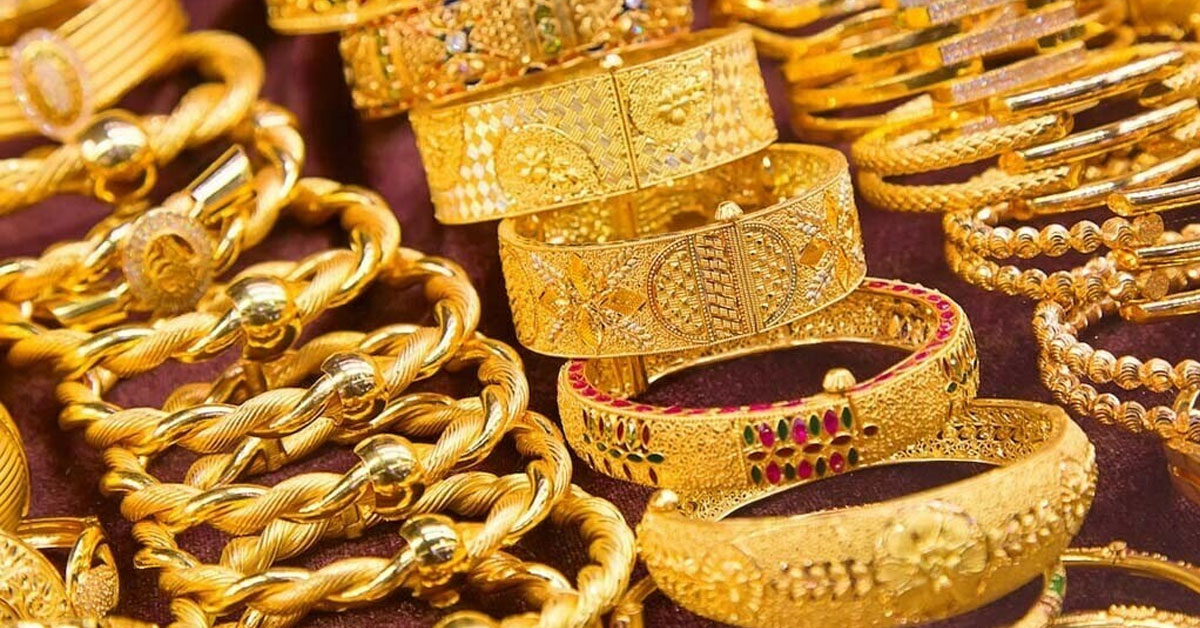
Prices of gold and silver declined in the local market on Friday, according to the Federation of Nepal Gold and Silver Dealers’ Association. The price of gold dropped by Rs 4,200 per tola (11.66 grams) compared to the previous trading day. Gold, which was traded at Rs 317,600 per tola on Wednesday, is now being traded at Rs 313,400 per tola. Similarly, the price of silver fell by Rs 95 per tola. Silver, previously traded at Rs 5,540 per tola, is now being traded at Rs 5,445 per tola.