Kathmandu
Tuesday, July 14, 2026





In 1956, Indian Prime Minister Jawaharlal Nehru pledged in India's parliament to defend Nepal from Chinese attack. Six years later, it was China warning India to keep its hands off Nepal. The story of how that reversal happened runs through a royal coup, a Himalayan highway, Khampa guerrillas, and a war that started, and stopped, without satisfying explanation.

“India will consider any attack on Bhutan and Nepal as an attack on itself.”
These are the words of Indian Prime Minister Jawaharlal Nehru, who regarded Nepal and Bhutan as within India’s sphere of influence, spoken in the Lok Sabha on 27 March 1957, as Chinese military presence in Tibet was intensifying.
Nehru had already stood in the Lok Sabha around 2005 BS (1948/49) and designated Bhutan as India’s satellite state. Given that Bhutan had long since been given that status, it was not difficult to understand that Nehru’s fresh statement on Nepal’s security in the Lok Sabha was directed against China.
Later, when the India-China border dispute was reaching its peak, Chinese Foreign Minister Marshal Chen Yi made another unexpected statement on 4 October 1962 – an implicit warning to India over Nepal. He said: “If any foreign power were to attack Nepal, we the Chinese people would stand by your (Nepal) side.”
Delivered on the anniversary of the Nepal-China boundary treaty, the Chinese foreign minister’s statement struck not only at Nehru but at India’s political leadership more broadly. Nehru nevertheless attempted to brush it off in the Lok Sabha, dismissing it as unnecessary propaganda.
It was not difficult to understand that the statements made by Nepal’s northern and southern neighbors both reflected each country’s security sensitivities as directly tied to Nepal.
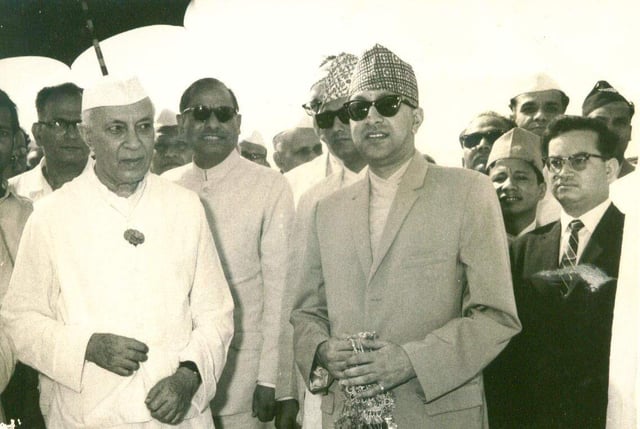
King Mahendra of Nepal laying the foundation stone of the Gandak Project with Indian Prime Minister Jawaharlal Nehru. Photo source: Agency.
But what these statements compel one to ask is: how did Nehru, who in 1957 had declared India’s commitment to protecting Nepal from potential Chinese attack, find himself on the defensive over Nepal by 1962, hemmed in by China on the very same issue? What bitterness entered India-Nepal diplomatic relations during those six years that put India itself on the back foot?
Less than two weeks after Marshal Chen Yi’s statement in Nepal’s favor, the India-China war broke out on 20 October 1962. Countless articles have been written on why that war of nearly a month was fought and why it stopped, yet no fully satisfying explanation exists. The Chinese army, which had advanced as far as Tezpur in Assam, turned around and withdrew without occupying the place, by the same route it had come.
Many hold that the India-China war of 1962 was ordered by Mao because of the Tibetan spiritual leader the Dalai Lama’s taking political asylum in India in March 1959, and because of the crisis created by the failure of China’s Great Leap Forward. But were these the only two causes? Studying the period from 1957 to 1962, Nepal emerges as another factor in the India-China war.
Two months before Nehru publicly stated his foreign policy in the Lok Sabha in 1957, Chinese Premier Zhou Enlai had made his first visit to Nepal. On that occasion he had sought to make clear to India: “We (China) have a blood relationship with Nepal. No one can poison our friendship.”
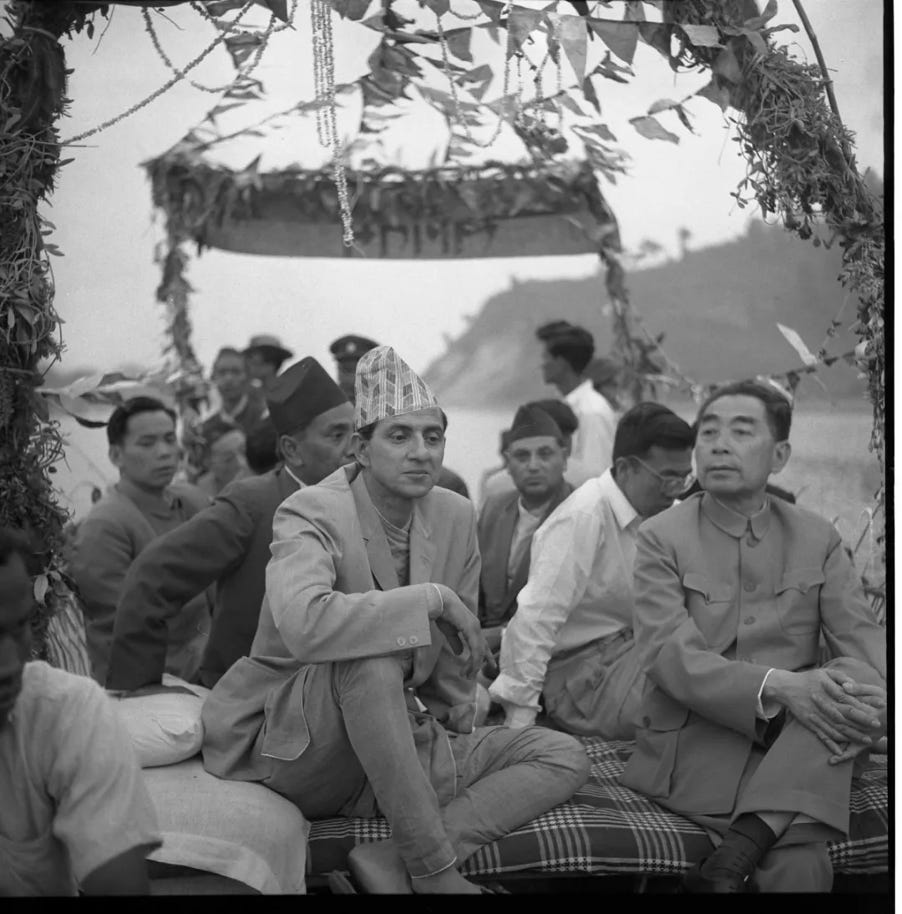
Prime Minister Bishweshwar Prasad Koirala in Pokhara with his Chinese counterpart Zhou Enlai. Photo source: Du Xiuxian / Xinhua.
When Nehru helped King Mahendra carry out the coup against democratically elected Prime Minister BP Koirala on 15 December 1960, he presumably reasoned that Mahendra would serve his plans better than BP.
But Mahendra continued the effort BP had begun in 1959 to resolve the border dispute with China and pushed further ahead with plans to build the Kathmandu-Kodari Highway. Alarmed by this agreement aimed at enhancing Nepal-China connectivity, Nehru was compelled to say in the Lok Sabha on 25 November 1961: “The road has dealt a serious blow to India’s security sensitivities. This is contrary to the 1950 Treaty.”
The Indian media also amplified the issue considerably. Under mounting pressure from all sides, King Mahendra issued a statement: “Communism does not come to Nepal by taxi.”
After taking power, Mahendra made full use of the ‘China card’. This is precisely when Nehru attempted to play the Subarna Shumsher card to cut Mahendra down to size.
After Nepali Congress secured a two-thirds majority in the first general election of 1959, King Mahendra’s first choice for Prime Minister had been Subarna Shumsher Rana. Nehru too had wanted BP Koirala not to become Prime Minister.
In 1960, on returning to Nepal from an American visit with King Mahendra, Subarna had already come to understand that the king’s mood was not right and that he could mount a coup at any time. He therefore requested leave and went to Kolkata, India. The coup in Nepal occurred just three days after his departure. Subarna did not return to Nepal after that.
After taking power, Mahendra made full use of the China card. This is when Nehru attempted to play the Suvarna card to cut Mahendra to size. After the coup against the elected government, all of Nepali Congress’s top leaders were in prison. No formal party decision had been made, yet an armed struggle suddenly erupted from India.
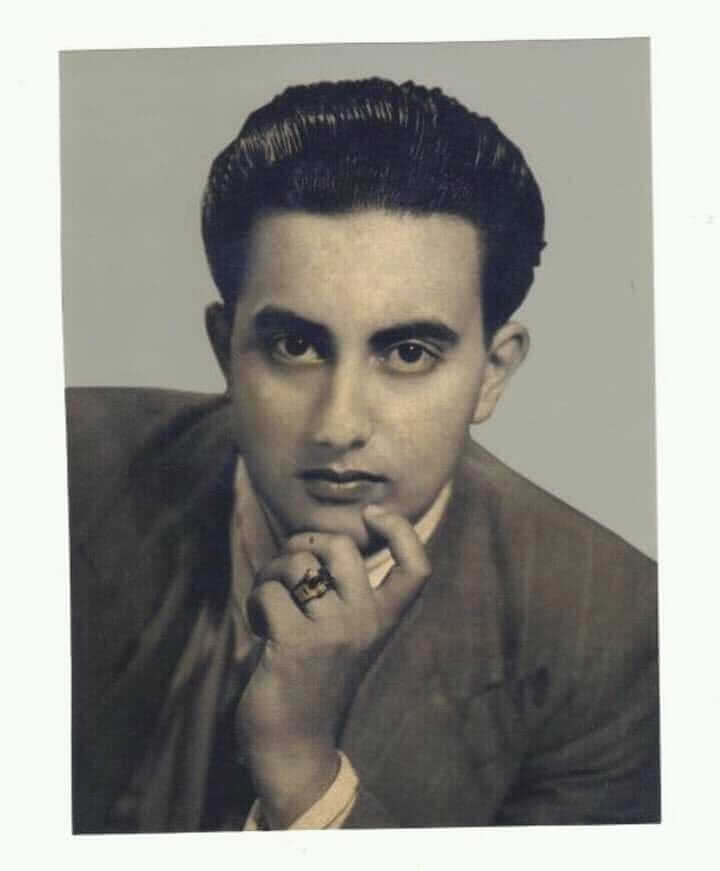
Bharat Shumsher Rana. Photo: Rana’s family.
The late Nepali Congress leader Bharat Shumsher Rana used to say that all the support for that armed struggle against King Mahendra came from Nehru. In an interview given to this writer in Kolkata on 21 July 2016 for Nepal Magazine, Rana had said: “I myself was deployed along the Nepal-India border from Pithoragarh eastward.”
This movement had been putting King Mahendra under considerable strain. But China suddenly attacked India over the border dispute, and the movement collapsed midway.
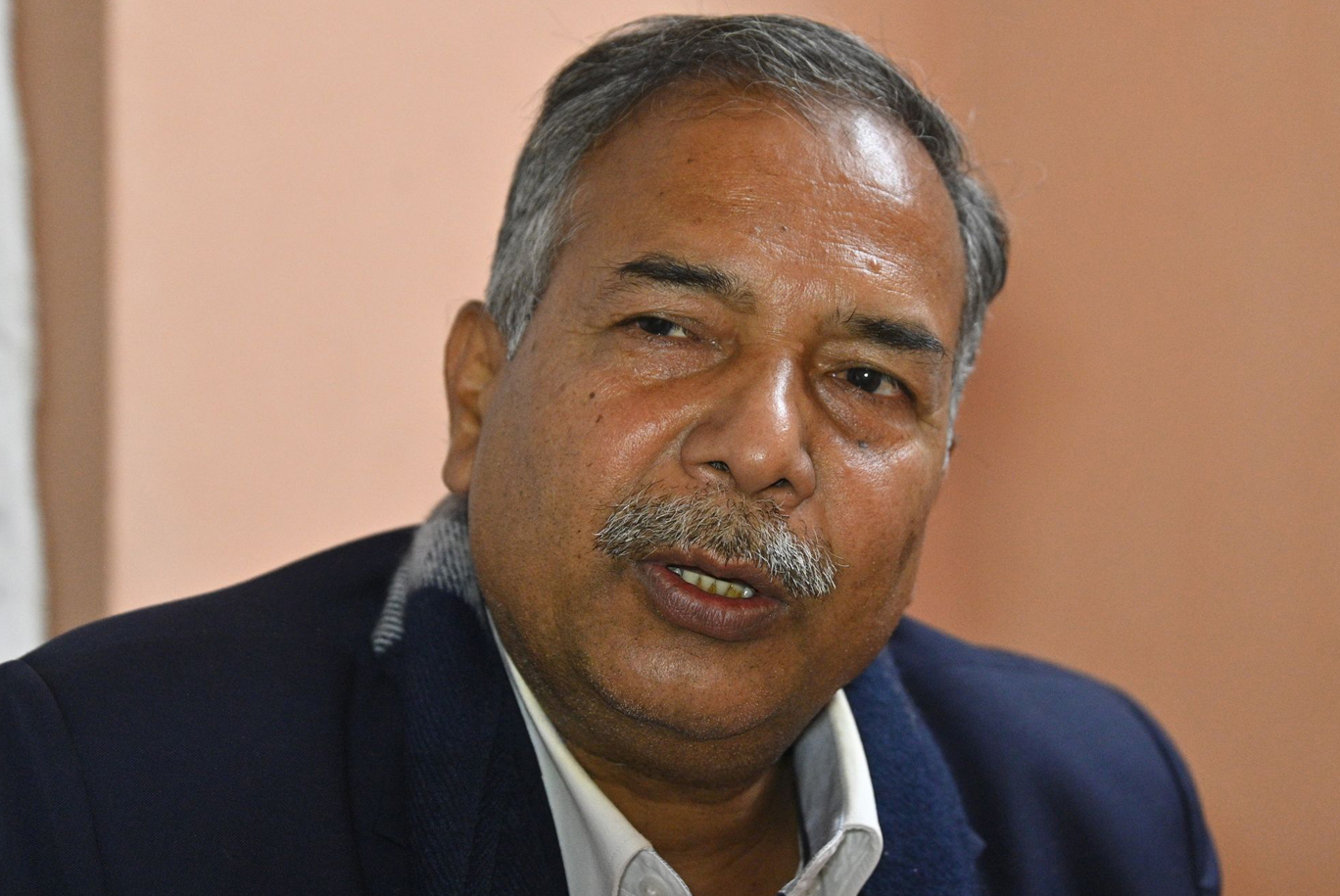
Nawaraj Subedi, former chair of the Rastriya Panchayat who worked with Kings Mahendra and Birendra for 29 years, says that at the time the US and India were jointly engaged in an effort to separate Tibet from China and were supporting the Khampa rebellion.
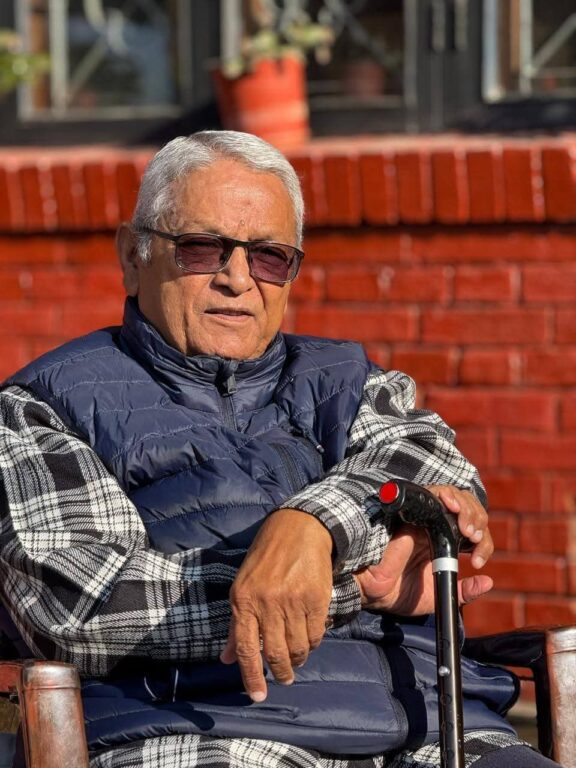
Nawaraj Subedi. Photo: Subedi’s Facebook wall.
“China’s biggest headache was the Khampa rebellion. The plan was to use Nepal as a base, with American and Indian support, to strike at Tibet,” Subedi recalls of that period. “When King Mahendra visited China in 1960, it was Mao Zedong himself who raised the matter of the Khampa rebels. Mahendra’s government had come back having reassured the Chinese side.”
Subedi says that UNDP aircraft were used to transport food and weapons to Khampa shelters in the Kalpani area and above Gorkha, numbering in the hundreds. “An airport was even built at Syuchatar. After Mao’s request, King Birendra put an end to the Khampa rebellion,” he says.
Informed sources say King Mahendra also apprised the Chinese government of the armed movement being conducted against him from across the Indian border.
Viewed in this context, Marshal Chen Yi’s statement of 4 October 1962 fits squarely into this surrounding circumstance. At that time India had asserted no claim over Lipulek, Kalapani, or Limpiyadhura as it has since, nor over any other Nepali territory. It therefore becomes clear that Marshal Chen Yi’s statement was directed at the armed movement being carried out from India at Nehru’s instigation.