Kathmandu
Friday, June 19, 2026





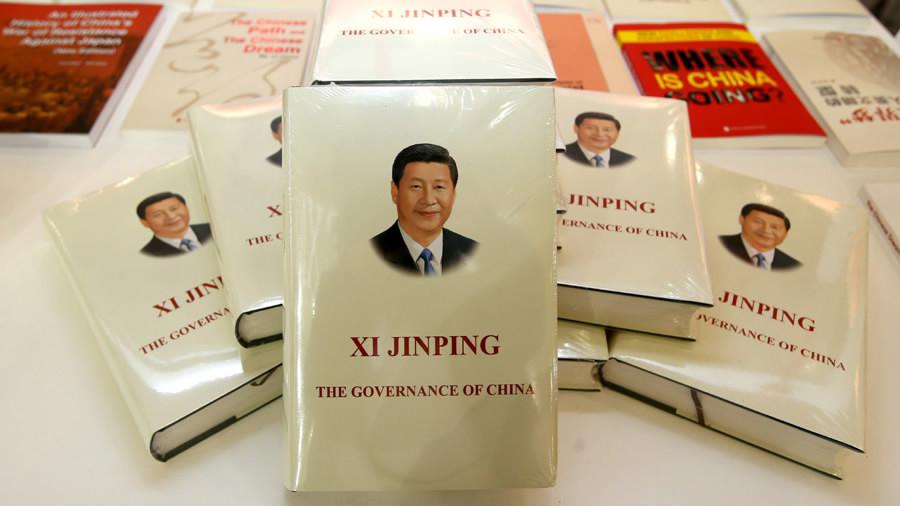
On March 15, 2026 (Saturday night), hundreds of copies of Chinese President Xi Jinping’s book The Governance of China were burned at Manmohan Technical College in Biratnagar, Morang district, Nepal, during a routine campus cleanup. A video of the incident went viral on social media, prompting the Chinese Embassy to lodge a protest via Nepal’s Ministry of Foreign Affairs. Nepali authorities launched an immediate probe, citing risks to bilateral ties. The college insists it was accidental—books were unused, termite-infested waste cleared for space—not a protest. This marks the latest friction in Nepal-China relations.
What exactly happened at Manmohan Technical College?
A viral video captured junior staff and others burning old newspapers, unusable documents, garbage, and bushes on campus grounds. Among the waste were hundreds (some reports say over a thousand) copies of Xi Jinping’s The Governance of China . Editor Sonu Kumar Das of Live News Raftar witnessed the fire after a tip-off; some people held up the books to the camera before tossing them in. The blaze occurred to clear a lab room due to lack of storage space. The college, affiliated with CPN-UML and named after former PM Manmohan Adhikari, had stored the books for years. No deliberate protest signs were reported; it was framed as routine maintenance that accidentally included the volumes.
Why were the books burned, according to college officials?
Dean Dr Rekha Shrestha explained the books had been unused for years and were infested with worms (termites), becoming moldy and unreadable. CPN-UML leader Binod Dhakal confirmed after inquiring that the burning was part of cleaning garbage and bushes; damaged books were incidentally included as “unusable documents.” Administration told the Chief District Officer that junior staff acted to free up space in a lab room. Some burned copies appeared almost new, but the official line is carelessness during waste disposal, not intent to destroy Xi’s works. It remains unclear how or why the technical college acquired so many copies originally. Officials stressed it was never a political statement.
How did China react to the incident?
The Chinese Embassy in Kathmandu sent a formal note verbale to Nepal’s Ministry of Foreign Affairs on Sunday, March 16, demanding clarification on why the books were burned, who was responsible, and prompt action against those involved. China expressed serious concern, viewing the act as sensitive given Xi’s stature. The embassy’s interest aligns with recent irritants in bilateral ties, including Rinpoche visit restrictions, Pokhara airport corruption probes involving Chinese firms, and telecom/5G contract disputes. Beijing has not issued a public statement beyond the diplomatic channel but clearly signaled the incident could strain relations if unaddressed.
What steps has Nepal’s government taken?
The Ministry of Foreign Affairs forwarded the Chinese note to the Home Ministry. Home Minister Om Prakash Aryal instructed Morang district officials and Nepal Police to investigate thoroughly and take legal action against anyone responsible. Chief District Officer Yuvaraj Kattel demanded a written report from the college and deployed police for security after crowds gathered. Koshi provincial police joined the probe. Kattel emphasized Nepal “cannot tolerate such incidents” due to close ties with China and is determining facts. The government treats it as a sensitive diplomatic matter that could affect relations, prioritizing swift clarification.
Was this a deliberate anti-China protest?
No evidence suggests intentional protest. College officials, local UML leaders, and district authorities uniformly describe it as accidental during routine cleanup of termite-damaged waste. Unlike 2019 protests where Xi effigies were burned over alleged border encroachment, no slogans, placards, or political groups claimed responsibility here. The video shows ordinary staff handling documents; social media speculation arose only after virality. Authorities and even ruling-party figures called it “carelessness,” not politics. The probe aims to confirm this and prevent misinterpretation, as Nepal maintains friendly ties with China and avoids actions that could harm them.
What are the broader implications for Nepal-China relations?
The incident risks diplomatic friction at a time when China already watches Nepal closely on issues like Tibet-related visits, infrastructure projects, and Huawei contracts. While Nepal stresses friendship and is investigating promptly, any perceived laxity could invite stronger Chinese pressure. Public discourse on social media questions the books’ origin and purpose, potentially fueling anti-China sentiment or conspiracy theories. Conversely, swift Nepali action may defuse tensions. The event highlights sensitivities around Xi’s image abroad and Nepal’s balancing act between China and other partners, underscoring how even routine campus maintenance can escalate into bilateral concerns.