Kathmandu
Saturday, July 4, 2026





The proposed legislation would transform Nepal’s National Cadet Corps from a school-based military-style training programme into a nationwide volunteer reserve for national emergencies.
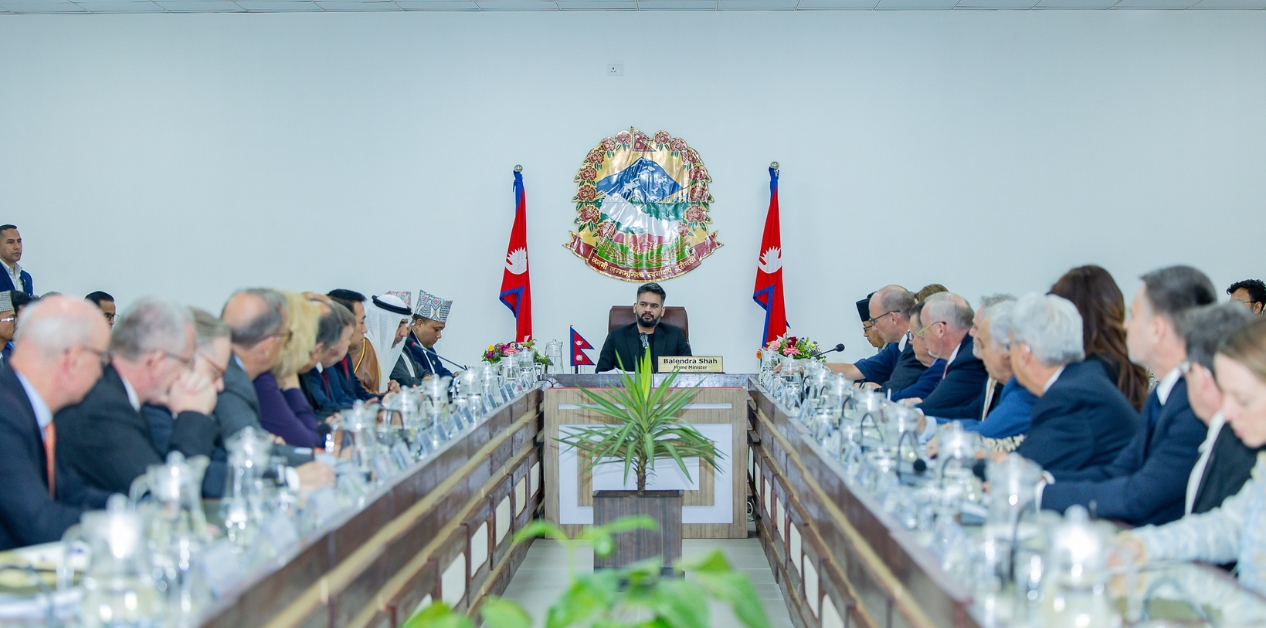
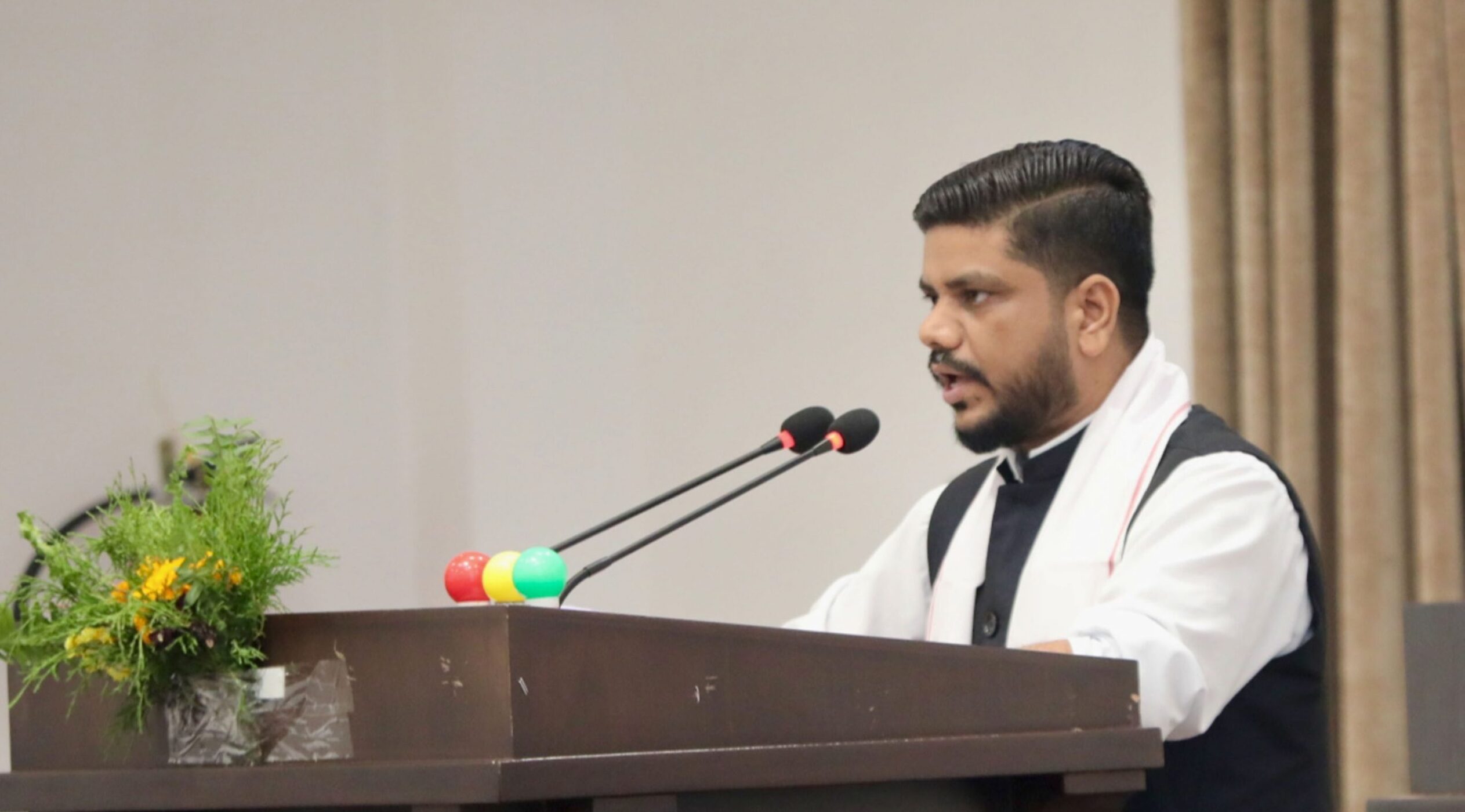
KATHMANDU: The government is preparing the biggest overhaul of Nepal’s National Cadet Corps in decades. A bill tabled by Prime Minister and Defence Minister Balendra Shah would overhaul the National Cadet Corps (NCC), allowing students from Classes 8 to 12 to undergo structured training aimed at producing disciplined, patriotic and service-oriented citizens.
The proposal of replacing the five-decade-old law goes far beyond military-style training into Nepal’s schools. It would transform the NCC into a nationwide volunteer reserve, giving the government legal authority to mobilise trained citizens during wars, disasters and other national emergencies-a significant expansion of the state’s capacity for civilian mobilisation. Here is everything about the National Cadet Corps (NCC):
What is the National Cadet Corps (NCC) of Nepal ?
The National Cadet Corps (NCC) is Nepal’s government-run youth leadership and national service programme, established in 1965. Although it is a government initiative, it is administered and implemented by the Nepal Army.
Built around the motto “Discipline is the Foundation of National Service,” NCC seeks to develop disciplined, patriotic, responsible and capable young citizens through structured military-style training, leadership education, physical fitness and community service. Its primary goal is not to recruit soldiers, but to produce future leaders and responsible citizens who can contribute to national development.
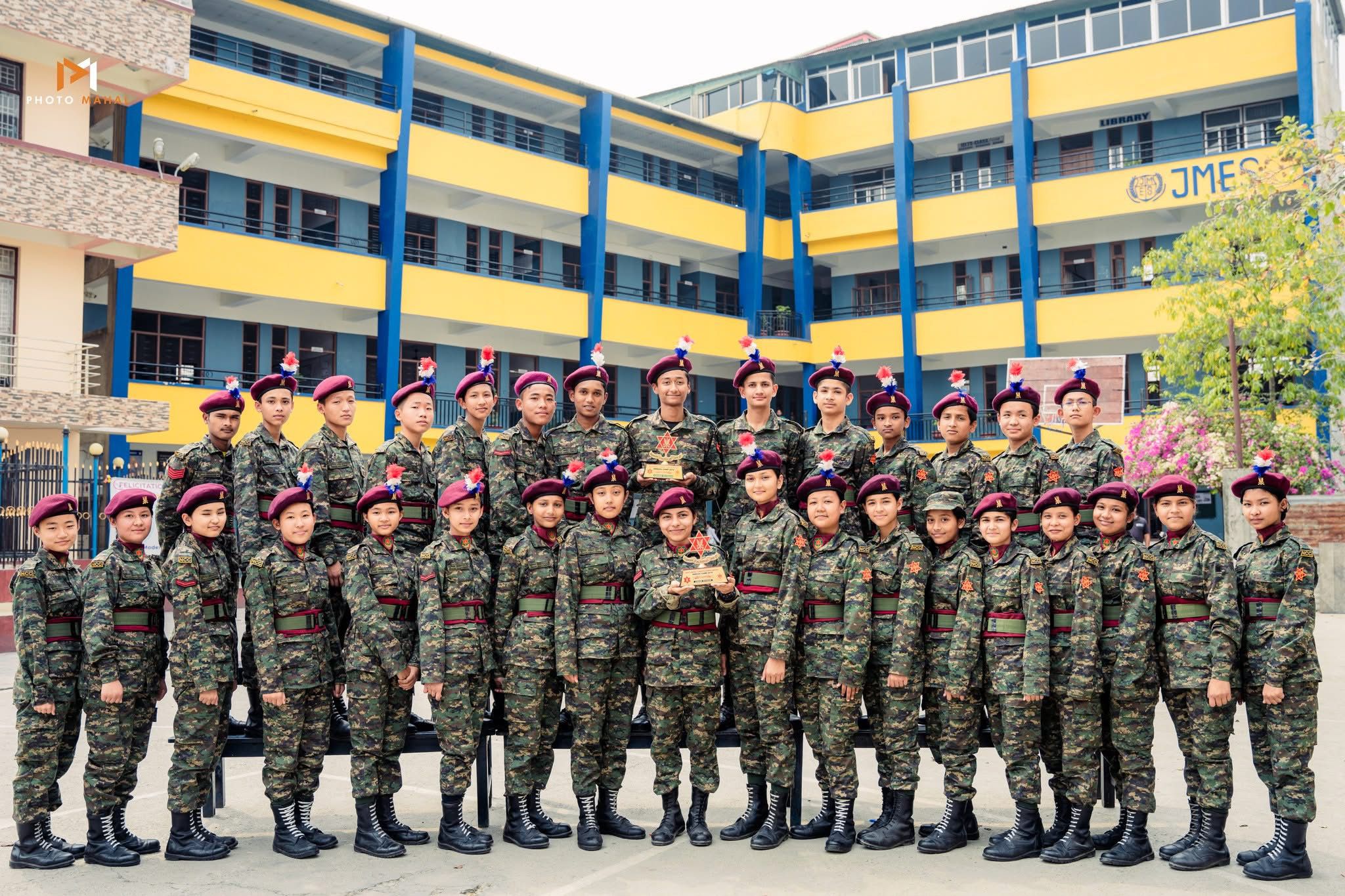
NCC provides separate Junior and Senior Division training for students. Cadets undergo a wide range of activities, including physical training, drill, leadership exercises, public speaking, disaster preparedness, first aid, community service, sports, cultural programmes and adventure activities. Senior Division cadets also receive specialised training such as rifle handling and live firing, wall climbing, horse riding and other advanced field exercises under strict military supervision.
Beyond military-style training, the programme emphasises discipline, teamwork, time management, self-confidence, resilience, civic responsibility, patriotism and leadership. Many former cadets describe NCC as a life-changing experience that equips them with practical skills and values applicable far beyond the classroom or the military.
NCC remains one of Nepal’s largest structured youth development programmes, serving as a platform to nurture responsible, service-oriented and nationally committed young leaders.
Why is the government introducing a new National Cadet Corps (NCC) law?
The government argues that the existing National Service Corps Act, 1970 is outdated and no longer meets Nepal’s constitutional obligations. The new bill is intended to implement Article 51(a)(6) of the Constitution, which directs the state to prepare citizens who are capable of national service. It also seeks to expand the programme nationwide and modernise its legal framework by incorporating international best practices, including elements inspired by India’s National Cadet Corps.
What changes does the new National Cadet Corps (NCC) Bill propose?
The new National Cadet Corps (NCC) Bill, registered in the Federal Parliament by Prime Minister and Defence Minister Balendra Shah, proposes a major expansion and modernization of Nepal’s youth cadet programme by replacing the existing National Service Corps Act, 1970 Under the proposed law, students from Class 8 to Class 12 would be eligible to join the NCC, with participation requiring written consent from parents or guardians and the student’s school.
The bill divides cadets into two categories: the Junior Division for students in Classes 8–10 (generally aged 13–18) and the Senior Division for students in Classes 11–12 (generally aged 16–21). Training would be conducted in two phases—initial instruction at the student’s school followed by residential training at an NCC training centre. Successful cadets would receive official certification after completing the programme.
The proposed curriculum would emphasize discipline, leadership, patriotism, disaster management, public service, environmental and cultural conservation, infrastructure development, sports, and civic responsibility. Nepal Army personnel would serve as instructors, while cadets would receive uniforms, accommodation, meals, and insurance during residential training.
Beyond school-based training, the bill would also create a legal framework allowing the government, through a Cabinet decision, to mobilise trained volunteers during national emergencies, including natural disasters, war, or internal conflict. The government says the legislation fulfils the constitutional directive to prepare citizens for national service under Article 51(a)(6), while drawing inspiration from India’s National Cadet Corps system. Priority for implementation would be given to community schools, remote and marginalised areas, and security-sensitive regions across Nepal.
Is National Cadet Corps training compulsory for all students?
No. Under the proposed bill, NCC participation is not compulsory. Students can only enroll after obtaining written consent from both their parents or legal guardians and their school. Those who join must also take an official oath before beginning training. Cadets may voluntarily withdraw from the programme by submitting a request with valid reasons, while removals for disciplinary or medical reasons must follow due process.
Which schools will receive priority for National Cadet Corps implementation ?
The proposed legislation gives priority to community schools, schools located in remote and marginalised communities, and institutions in security-sensitive areas. The government says this approach is intended to ensure that students who have fewer opportunities for leadership development and structured extracurricular activities benefit first from the programme.
Will National Cadet Corps turn students into soldiers?
No. The proposed law does not aim to recruit students into the Nepal Army. Instead, NCC is designed as a youth leadership and national service programme that uses military-style discipline and training to develop responsible, physically fit, patriotic, and community-oriented citizens. While the Nepal Army manages the programme and provides instructors, the objective is civic development rather than military enlistment.
What will students learn during National Cadet Corps training ?
The NCC curriculum is intended to go beyond military-style drills. Cadets will receive training in leadership, discipline, teamwork, disaster response, public service, environmental conservation, cultural preservation, sports, and physical fitness. The curriculum will be periodically updated by a committee chaired by the Defence Minister to ensure it remains relevant to Nepal’s evolving national needs.
Why does the bill allow the government to mobilise volunteers during emergencies ?
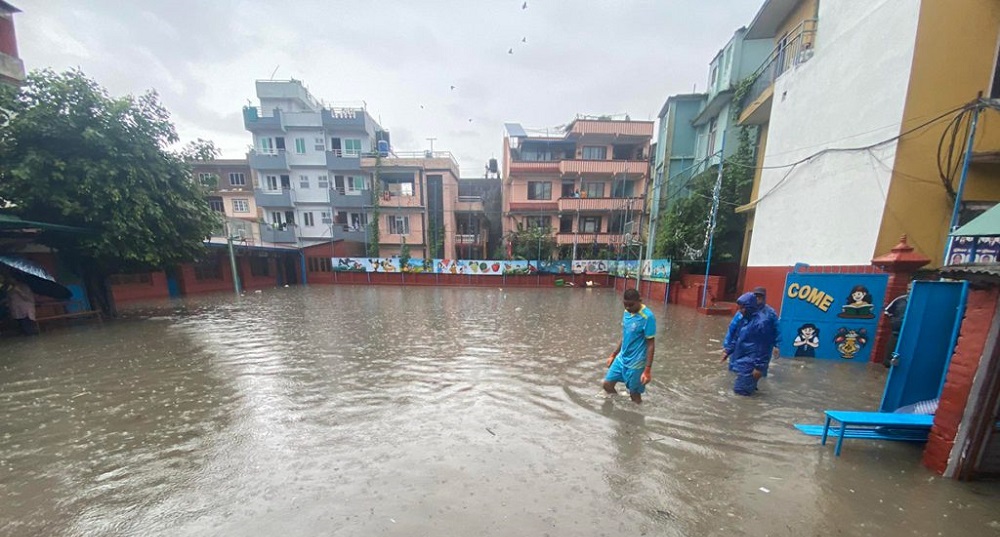
One of the bill’s most significant provisions is the creation of a national volunteer reserve. It allows the government, through a Cabinet decision, to mobilise trained volunteers during emergencies such as natural disasters, war, or internal conflict. The intention is to ensure Nepal has a pool of trained citizens who can support relief operations, public services, logistics, and other national response efforts when required.
When and why was Nepal’s National Cadet Corps (NCC) established ?
Nepal’s National Cadet Corps (NCC), officially known as the National Service Corps (Rastriya Sewa Dal), was established to develop disciplined, patriotic, and responsible young citizens who could contribute to national development, disaster response, and national security.
The decision to establish the organization was taken by the Cabinet of His Majesty’s Government on September 27, 1965. Recognizing the importance of structured youth development, the government formed a three-member committee led by Deputy Defence Secretary Kshetravikram Rana, with Education Secretary Shyam Krishna Bhattarai as a member and Deputy Defence Secretary Gambhirdhwaj Gurung serving as Member Secretary and Acting Director. The committee was tasked with designing the policies and programs needed until dedicated legislation could be enacted.
The committee held its first meeting on October 13, 1965, and initially proposed naming the organization the National Student Soldier Service Corps (NSSC). It also recommended creating separate training and administrative wings, enrolling around 500 cadets each year through the Ministry of Education, and adopting military training standards prepared by the Royal Nepalese Army.
After reviewing the proposal, the Council of Ministers approved it on October 23, 1965, officially naming the organization the National Cadet Corps (Rastriya Sewa Dal). The proposal subsequently received royal approval from King Mahendra, and the Corps was formally established on November 07, 1965.
The original training programme lasted three years, but it was later shortened to two years and eventually to one year. The curriculum combined military-style discipline with civic education and practical life skills, including drill, physical fitness, swimming, boxing, horse riding, map reading, first aid, hiking, weapons familiarization, leadership exercises, and community camps.
Since its establishment, the NCC has operated as a structured youth development programme rather than a military force. Its guiding philosophy is that discipline is the foundation of national service, aiming to bridge the gap between civilian society and the military while producing young people who are mentally, morally, and physically prepared to serve the nation.
Today, the National Service Corps continues to focus on building leadership, confidence, patriotism, teamwork, and social responsibility among students. Although many people mistakenly believe it is simply a branch of the Nepali Army, its primary mission is educational and developmental-preparing youth to contribute to Nepal during disasters, emergencies, and nation-building efforts while fostering responsible citizenship and national unity.
What challenges does Nepal’s National Cadet Corps face ?
Despite its long history, the National Cadet Corps (NCC) continues to face several challenges that limit its ability to expand and maximize its impact.
One of the biggest concerns is the lack of incentives for NCC graduates. Unlike countries such as India and Sri Lanka, where NCC graduates receive bonus marks, preferential consideration, or reserved quotas during recruitment into the armed forces and some government services, Nepal provides no formal advantage to students who complete NCC training. As a result, many students see little practical benefit in joining the programme, reducing motivation and participation.
Another major challenge is limited funding. Although the NCC is a national programme operated under the Nepali Army and the Ministry of Defence, it functions with a constrained annual budget. Insufficient financial resources affect recruitment, training equipment, transportation, uniforms, infrastructure, and the expansion of modern training facilities, making it difficult to accommodate the growing number of interested students.
The programme also faces infrastructure and staffing gaps. While NCC has expanded to all 77 districts, not every district has adequate training facilities, qualified instructors, or logistical support. As a result, the quality of training can vary significantly between urban and rural areas, and some schools-particularly in remote regions-remain unaware of the programme or lack the capacity to implement it effectively.
Another challenge is the limited duration of training. The current 100-day curriculum successfully develops basic discipline, leadership, and civic responsibility, but it is often considered too short to build advanced technical, physical, and emergency-response skills. Some specialised components, such as senior-level firearms training and field exercises, provide only introductory exposure rather than sustained proficiency.
The NCC also faces the challenge of underutilising trained cadets after graduation. Although thousands of students complete the programme every year with valuable leadership and emergency-response skills, there is no formal mechanism to integrate them into disaster management, community service, civil defence, or other national volunteer programmes. As a result, much of this trained human resource remains untapped.
Public awareness remains limited. Many Nepalis still misunderstand the NCC’s role, viewing it simply as an extension of the Nepali Army rather than recognising it as a national youth development and service programme focused on leadership, patriotism, disaster preparedness, and responsible citizenship.
Addressing these challenges through stronger policy support, increased investment, better incentives, and improved post-training opportunities could significantly enhance the NCC’s effectiveness and enable it to play an even greater role in Nepal’s national resilience, youth development, and emergency preparedness.
How does the National Cadet Corps strengthen Nepal’s national security ?
The National Cadet Corps (NCC) is not designed to turn students into soldiers. Instead, it prepares young people to become disciplined, capable, and responsible citizens who can support the nation during emergencies while promoting leadership, patriotism, and civic responsibility.
National security today extends beyond protecting borders. It also includes safeguarding a country’s people, institutions, economy, and stability against both external and internal threats. Recognizing this broader concept, Nepal’s NCC focuses on developing skilled and resilient youth who can contribute to national preparedness in multiple ways.
The programme is managed by the Nepali Army under government supervision but functions primarily as a youth development and national service programme, rather than a military recruitment scheme. It offers two training streams: the Junior Division for students in Grades 8–10 and the Senior Division for Grade 11 and 12 (+2) students.
Cadets complete a structured 100-day training programme, with 79 days conducted in their schools and the final 21 days spent at a residential camp inside Nepali Army barracks. The training is completely free of charge, with participants receiving uniforms, meals, accommodation, and training materials.
The curriculum combines physical fitness, leadership, and practical emergency skills. Cadets learn physical training, drill, first aid, public speaking, map reading, disaster response, teamwork, sports, and leadership. Senior Division cadets also receive specialized instruction in activities such as firearms familiarization using the 7.62 mm Self-Loading Rifle (SLR), wall climbing, horse riding, swimming, and field exercises. The purpose of this training is preparedness and confidence—not militarization.
During national emergencies, NCC graduates can serve as an important reserve of trained volunteers. They may assist security agencies and local authorities with disaster relief, search and rescue, evacuation, first aid, logistics, communication, distribution of food and relief supplies, crowd management, and other humanitarian operations. Their role is to support-not replace-the regular security forces.
The programme also contributes to national unity by bringing together students from different ethnic, linguistic, geographic, and social backgrounds. Through shared training and service, cadets develop mutual respect, teamwork, and a stronger sense of national identity.
Outstanding cadets may also receive international exposure through exchange visits to SAARC countries and Singapore, providing opportunities to develop leadership skills and represent Nepal abroad.
Since its establishment, more than 86,000 students have completed NCC training, with around 7,700 cadets participating each year. The government’s long-term vision is to gradually expand the programme so that every district has a pool of trained volunteers capable of supporting rescue and relief operations during natural disasters and national emergencies.
In essence, the NCC serves as Nepal’s organised youth preparedness programme. By combining discipline, leadership, civic education, and practical emergency training, it strengthens national resilience, promotes civil–military cooperation, and prepares young people to contribute meaningfully to the country’s security, disaster response, and nation-building whenever they are needed.