Kathmandu
Monday, June 22, 2026





Women, Dalits, indigenous peoples, the poor and marginalized groups benefit from the positive work done by local municipalities
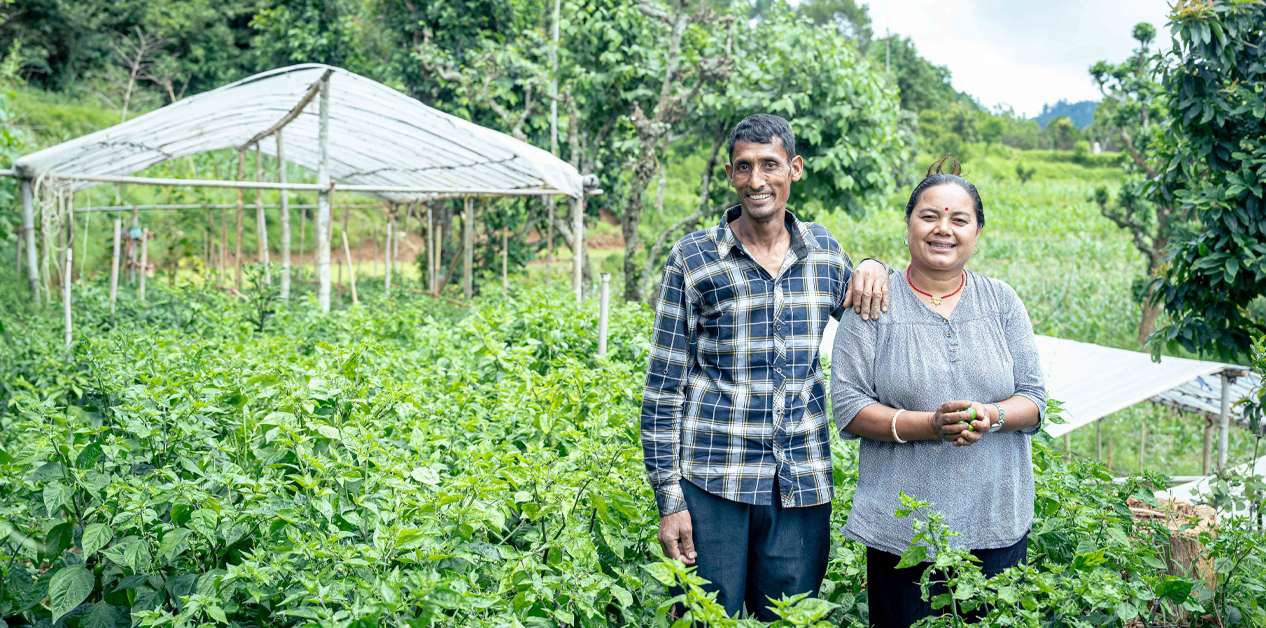
KATHMANDU: When Hira Shrestha of Khotang received the ‘Outstanding Woman Farmer’ award along with Rs 25,000 in cash on International Women’s Day 2025, she was overjoyed. “I was so happy to learn that farming in a village could also bring recognition,” she shared when met in June 2025. Halesi Tuwachung Municipality had honored Hira for her contribution to marketing by growing vegetables and fruits in drought-ravaged fields. She is also grateful to the municipality for providing irrigation and agricultural skills that helped her become an award-worthy farmer. “Had they not brought irrigation and agricultural training, there would have been no way to do commercial farming in this dry place,” she says.
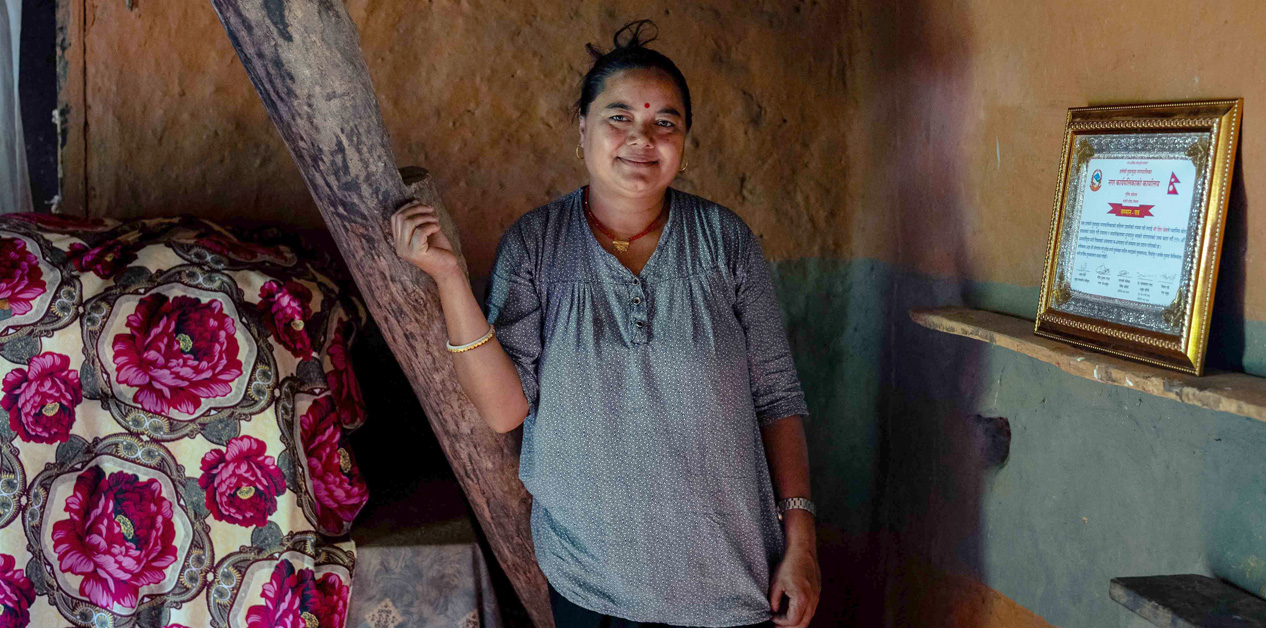
Hira Shrestha with the certificate of honor. Photo: Robic Upadhyay
Indeed, what good is it that the Dudhkoshi and Sunkoshi rivers flow to the left of the municipality! Most of the land, except areas near both rivers, is drought-prone. In this municipality, considered the most drought-affected area in Khotang, there was a severe drinking water crisis until five years ago.
But when elected representatives came to Halesi Tuwachung Municipality through the 2017 local level elections, they took responsibility for solving the drinking water problem. “Water had to be carried from far away, women and girls suffered greatly, lack of irrigation meant crops wouldn’t grow, food wasn’t enough for the whole year, and seasonal vegetables weren’t available,” recalls Mayor Bimala Rai, “we had to provide water to the people no matter what.”
Bimala was the deputy mayor at that time. Local elected representatives had a comprehensive situation analysis of the municipality conducted in 2018. Through this, the reason for the water shortage in Halesi Tuwachung, situated at an elevation of up to 1,835 meters above sea level, was found — “due to low rainfall and rocky, steep terrain, water ran off without underground recharge. This showed Halesi to be the driest area in the entire district.”
After discovering the cause of the drought, Halesi’s elected representatives began running to provincial and federal ministries to resolve the drinking water problem. The federal government listened to them in 2020. Following that, a ‘Watershed-Based Climate Resilient Livelihoods Project’ was launched in collaboration with the Ministry of Forests and Environment and the United Nations Development Program (UNDP). The municipality and local residents became active in taking advantage of this project. Initially, water sources such as wells, stone spouts, and streams that were on the verge of disappearing in the area were revived through maintenance and repair. Locals got the opportunity to learn skills in rainwater harvesting ponds, tunnels, and commercial farming along with fruit and vegetable seeds.
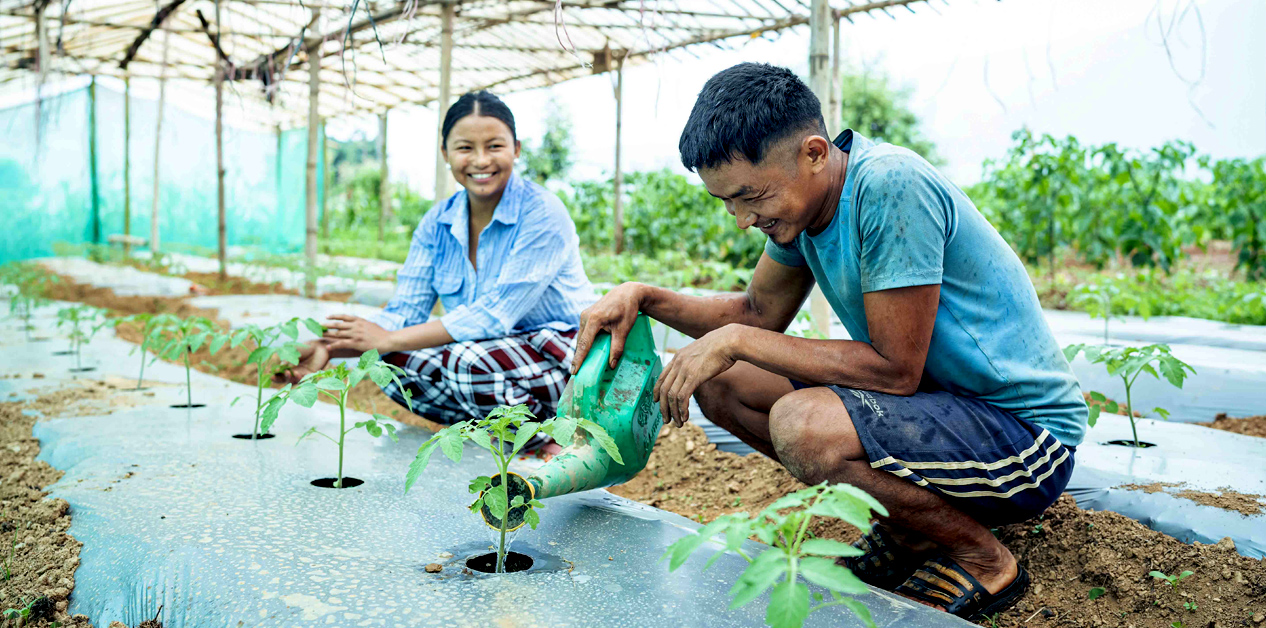
Dil Kumari Rai of Moli village in Okhaldhunga helps her neighbours cultivate crops inside a tunnel. Photo: Robic Upadhyay
Now many homes there have ponds to collect rainwater. Local farmers use the water collected in these ponds for drip irrigation to grow off-season vegetables. Through this, they have succeeded in earning income without leaving home.
Among them, 40-year-old Hira of Halesi Tuwachung Municipality-9 has established herself as a successful woman entrepreneur by engaging in commercial farming since 20721. She also freed her husband from the compulsion of going abroad to support the family. It was Hira herself who showed her husband Bharat the way to earn income right in the village. In 2025, the Hira-Bharat couple earned Rs 200,000 from vegetable farming and an additional Rs 45,000 from raising buffalo and goats. “There has been a change in life that I never imagined,” says Hira, “since the municipality head is a woman herself, it is easier for us to ask for programs and plans, and we have been able to earn income from home.”
Rice cultivation in the Majhi settlement of Halesi Tuwachung Municipality had not flourished due to the lack of irrigation. However, the solar lifting irrigation of the Climate Resilient Livelihoods Project has increased rice production there. The municipality distributed corrugated iron sheets to 112 families whose roofs were unsuitable for building ponds and collecting water. This made rainwater harvesting easier.
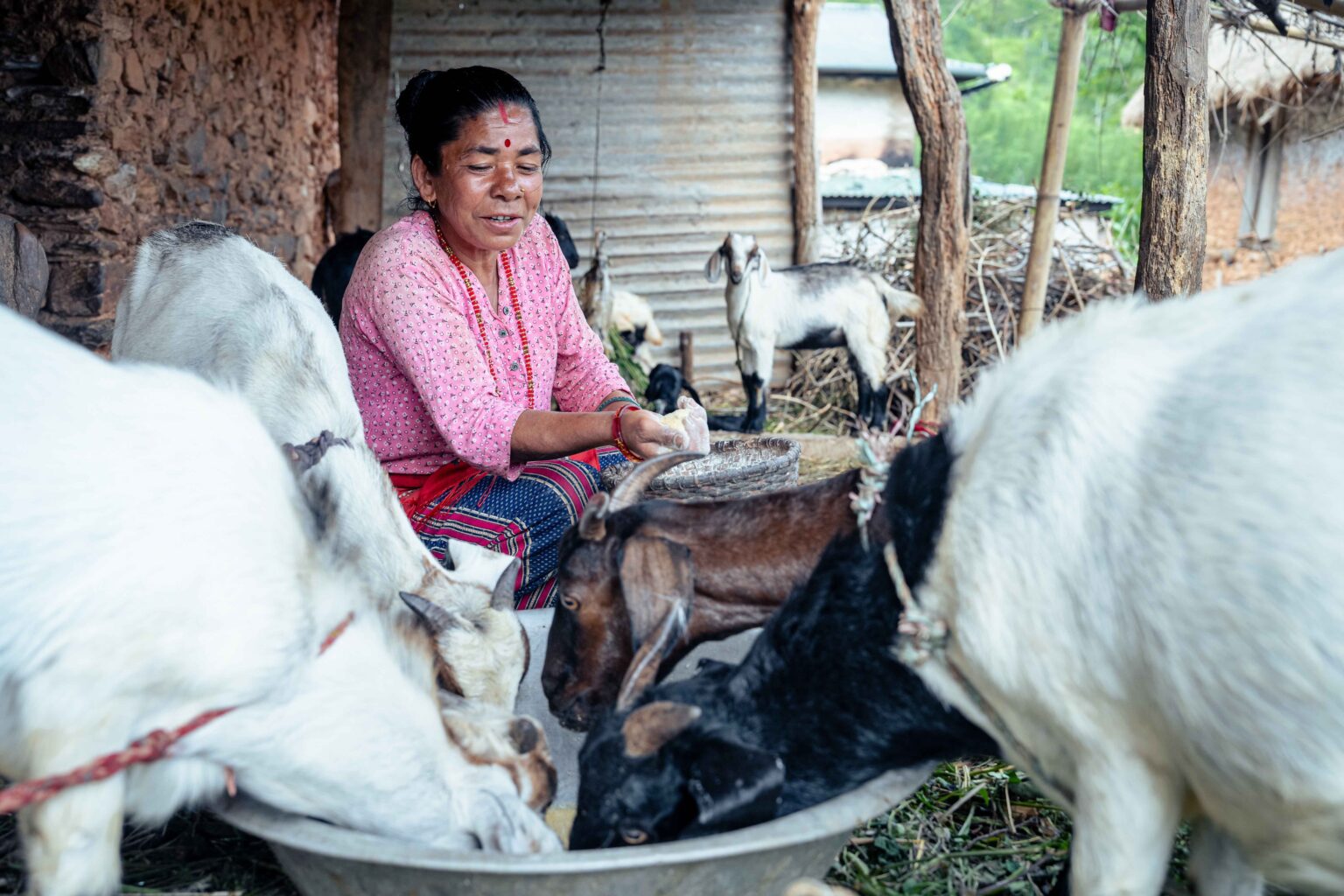
Bimala Pariyar of Tinpiple in Okhaldhunga. Photo: Robic Upadhyay
After water became available, the municipality has also distributed hand tractors to women in households whose male members have gone abroad or moved to cities. On top of that, buffaloes have been provided as subsidies under shed improvement support to increase agricultural yield. The combination of farming and animal husbandry has begun to bring visible change to farmers’ lives. With buffalo rearing thriving, dairy shops have now started operating in Halesi market. Besides buffalo rearing, farmers are attracted to perennial fruit farming including oranges, amla (Indian gooseberry), guava, and walnuts.
Halesi Tuwachung Municipality Mayor Rai says it has become convenient to carry out many agricultural and animal husbandry tasks at the same time in that area. “If the municipality had to do it alone, it would have been impossible to handle the technical aspects, commercial farming expansion, and community development all at once,” she says, “UNDP’s support has reduced that burden to zero.” Indeed, the project with a total cost of USD 7.9 million (more than Rs 1 billion) has benefited eight local units in Khotang and Okhaldhunga, including Halesi Tuwachung, which falls in the lower Dudhkoshi watershed area.
A municipal-level agricultural strategic plan has been prepared to continue the small efforts initiated through the project. An agriculture mart and cold storage center have been established in Halesi market. An agro-vet center is in operation to diagnose diseases affecting crops, livestock, fertilizers, and seeds. Mayor Rai says, “The municipality works to fulfill whatever need exists here.” She has recently increased her focus on preserving traditional water sources.
Good practices exist elsewhere too
The good work done by municipalities in various sectors is not limited to just one place or area. Local governments have initiated good practices in various parts of the country. For example: six years ago, a 380-kilowatt hydropower plant built under a renewable energy program for rural livelihoods on the Tara Khola in Baglung district brought electricity access to more than 2,000 households in Tara Khola Rural Municipality. However, when consumers had to walk for hours to reach the office to pay electricity bills due to geographical difficulties, some found it burdensome.
For the convenience of consumers, smart electricity meters have now been installed there in coordination between the rural municipality and the electricity office. The electricity office has installed meters in every consumer’s home. The rural municipality has appointed sub-dealers in all wards for recharge card distribution. In this way, for the first time in the district, Tara Khola hydropower consumers have received smart recharge meters at home. Om Gharti of Sip village, Tara Khola-5, says, “We no longer have to rush to pay 100/200 rupee bills like elsewhere — our village has city-like facilities.”
The recharge system’s software is kept at the main electricity office. Consumers can buy recharge cards from sub-dealers as needed.
The meter signals before the recharge runs out. Consumers can turn on their lights immediately after recharging. If the recharge card runs out, a ‘recharge loan’ can also be taken immediately.
Many municipalities across the country have also made good efforts in improving education and expanding citizens’ access to the health sector. Whether distributing midday snacks to children or distributing sanitary pads to adolescent girls, these efforts have increased student attendance rates in government schools in rural areas. Bal Bahadur Khatri, headmaster of Nepal National Basic School in Bheri Municipality-2, Jajarkot, says, “Children don’t miss school even just because they get snacks to eat.”
Municipalities in Sudurpashchim and Karnali provinces have added convenience to patient treatment by running health camps in remote areas, while many have promoted tourism destinations to increase domestic tourism. Homestays and goth-stays (farm-stay accommodations) built with local level subsidies have made things easier for tourists and trekkers. Pawihang Rai, president of the Yak Chauri Farmers’ Federation Nepal, says, “Local governments have done important work in commercial farming and animal husbandry, education, health, and infrastructure construction. That has made many things easier for ordinary citizens.”
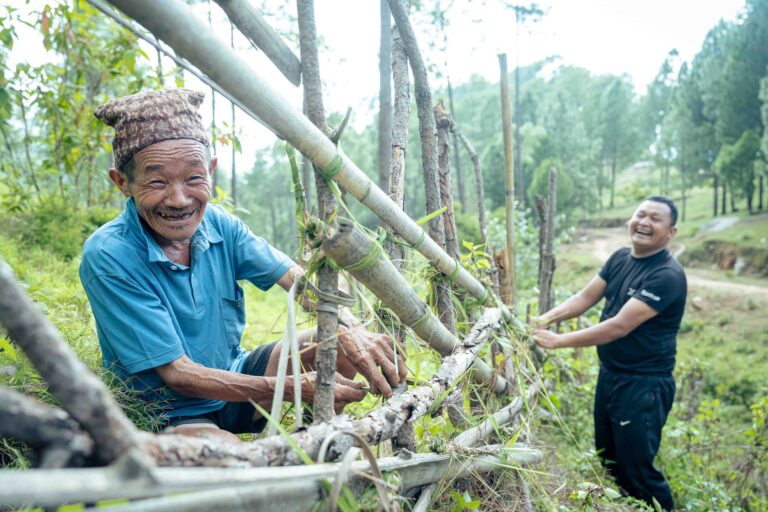
Local residents of Halesi Tuwachung Municipality in Khotang have played an active role in community forest conservation and groundwater recharge. Photo: Robic Upadhyay
Since elected representatives have come to municipalities from 2017 onwards, ordinary people have been able to connect with economic activities that improve their standard of living. For eight years, elected representatives have had the authority to make laws, formulate budgets, devise policies, make decisions, and implement them. As a result, many local governments have become doorstep guides listening to citizens’ problems. “People are very happy about federalism now. Because local governments can be seen doing good work in many places and good practices are being found,” says local governance expert Anita Guraganin, “Trust in local government has increased because inclusive representation encompassing women, Dalits, indigenous peoples, and marginalized groups has addressed local needs.”
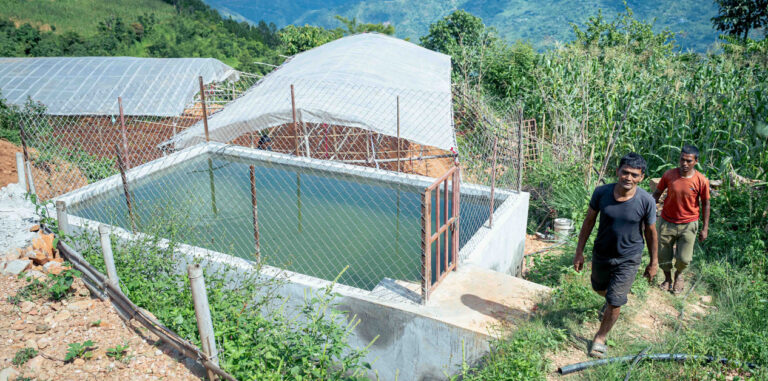
In the Dalit settlement of Tinpiple in Okhaldhunga, water sources have been conserved, ponds constructed, rainwater harvested, and pits dug to recharge groundwater. Photo: Robic Upadhyay
After elected representatives were chosen at the local level, the difficulties citizens faced in accessing services have ended in many places. “We had to go to the district headquarters for projects worth Rs 10,000/15,000, and going there cost a lot,” says 61-year-old community leader Sitara Rai of Hatuwagadhi Rural Municipality-2, Bhojpur, “After local government came, budgets, programs, and plans have started arriving at the doorstep.”
The promptness shown by local elected representatives in resolving citizens’ problems has begun to yield positive results. According to a study on ‘Service Delivery Practices of Local Government in Federal Nepal’ published in the ‘Nepalese Journal of Development and Rural Studies’ in December 2019, local level service delivery has become more accessible for ordinary people than before. The conclusion of that study is that despite physical, financial, and human resource limitations, local elected representatives have shown accountability to citizens.
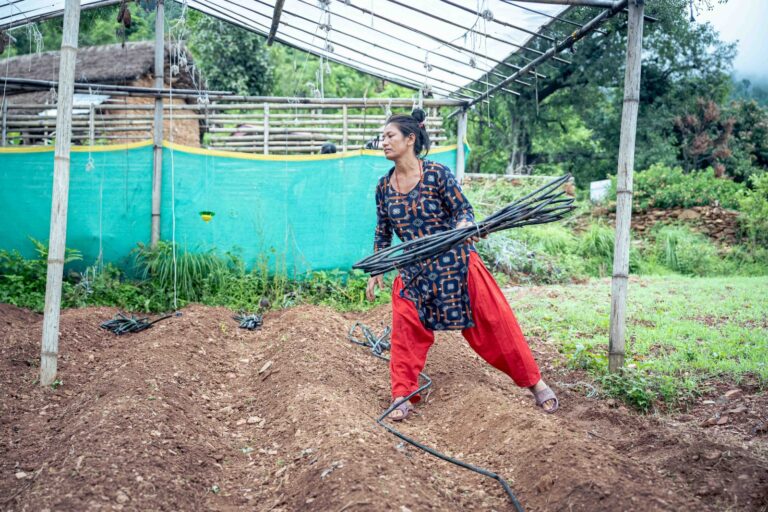
Alina Shrestha of Okhaldhunga cultivates tomatoes, bitter gourd and cucumbers in three tunnels. Photo: Robic Upadhyay
Inclusive representation at the local level is the highest ever since the 2017 elections. After sustained struggle, women, Dalit women, indigenous peoples, minorities, Madhesis, Muslims, and persons with disabilities have been able to directly participate in local policy making, implementation, and monitoring. According to the Election Commission records, among 35,097 elected representatives in 753 local units across the country, 14,466, i.e. 41.21 percent, are women. Women hold the chief position in 25 local governments and the deputy chief position in 568. Among these, nine municipal chiefs and 16 deputy chiefs are Dalits. The number of Dalit women ward members is 6,620. According to data from the National Federation of the Disabled – Nepal, 40 people with disabilities have representation at the local level, including 6 women with disabilities. Federalism expert Somat Ghimire says, “Because there is inclusive representation at the local level, it has also become easier to make and implement inclusive budgets and programs.” He believes this has increased citizens’ sense of ownership toward local government.
Associate Professor Janak Rai of the Central Department of Anthropology at Tribhuvan University considers the current representation at the local level a major achievement from an inclusivity standpoint. He says, “From the perspective of budget and use of authority, there is no reason for citizens to be dissatisfied with local governments. The participation and influence of women and Dalits in municipalities was never like this in the past. This is the greatest achievement so far. It has made things easier for targeted groups.”
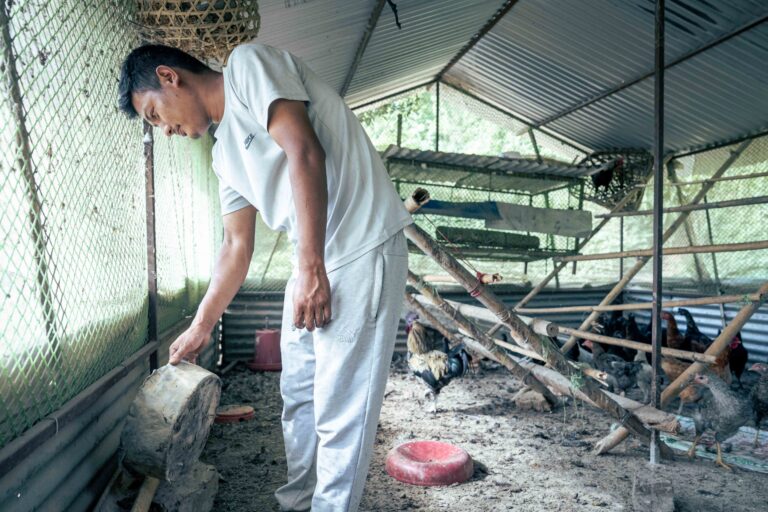
Dipendra Rai of Khotang has raised 80 local-breed chickens for egg production. Photo: Robic Upadhyay
In recent times, municipalities have been making efforts to address local concerns and make people’s lives easier. Senior advocate and Constituent Assembly member Khim Lal Devkota says, “Local governments themselves have confirmed that federalism means a system where you find the government when you open your door.”
According to Lakshmi Devi Pande, president of the National Federation of Rural Municipalities, the presence of women elected representatives has helped bring gender and social inclusion issues into the mainstream. Pande, who is also the chairperson of Hupsekot Rural Municipality in Nawalparasi (Bardaghat Susta East), says, “In most local units the deputy chief is a woman, and the judicial committee formed under their coordination has helped deliver justice to women affected by gender-based violence.”