Kathmandu
Saturday, July 4, 2026





KATHMANDU: As Nepal’s new government marks its first 100 days in office following the historic Gen Z protests and the subsequent March elections, a stark contrast has emerged between official celebrations and the reality on the ground.
While leadership proudly broadcasts a long list of policy milestones, thousands of landless residents—displaced by aggressive government clearance of riverbanks and informal settlements—are living in state-run holding centers, trapped in a cycle of severe economic anxiety and deep uncertainty about their future.
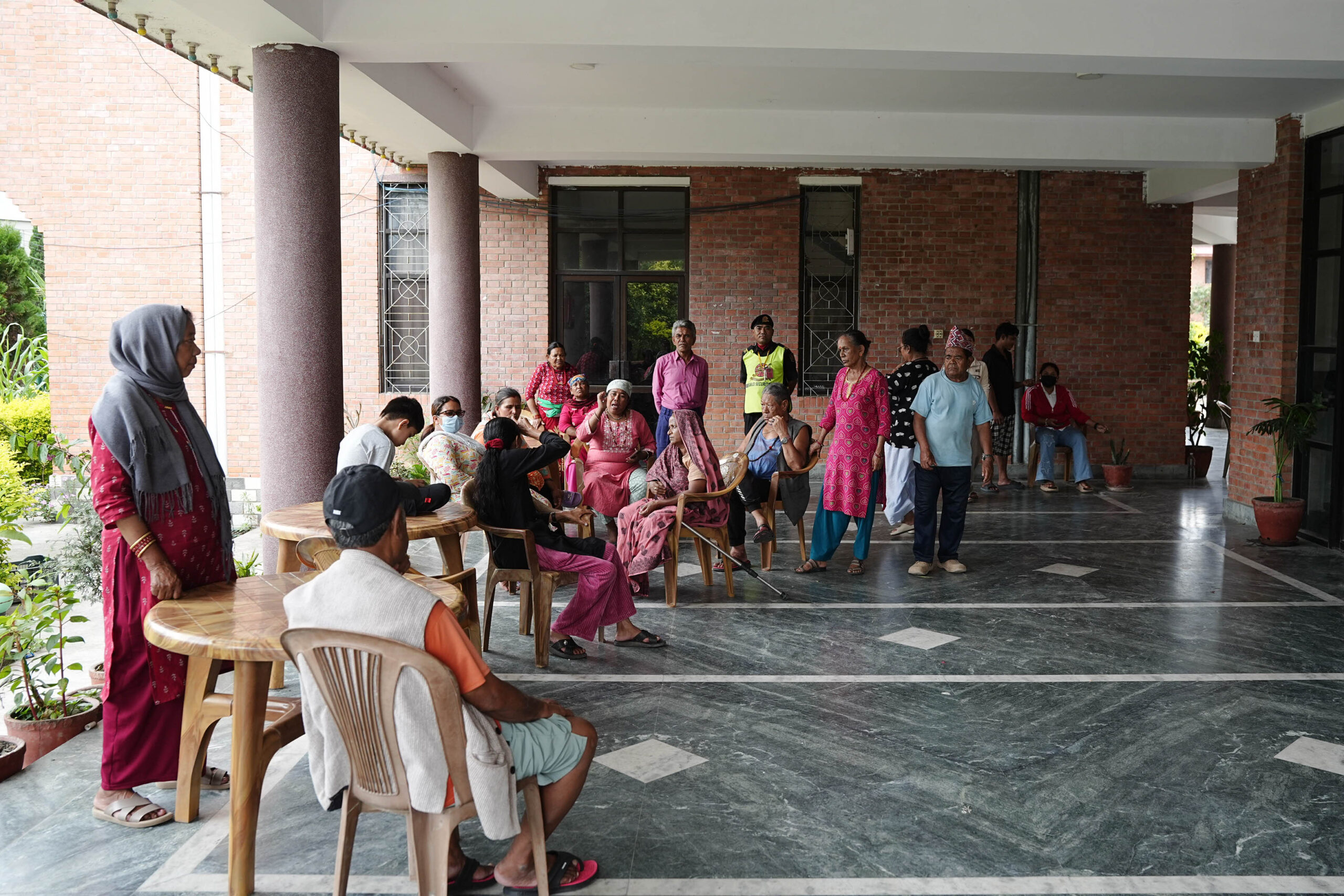
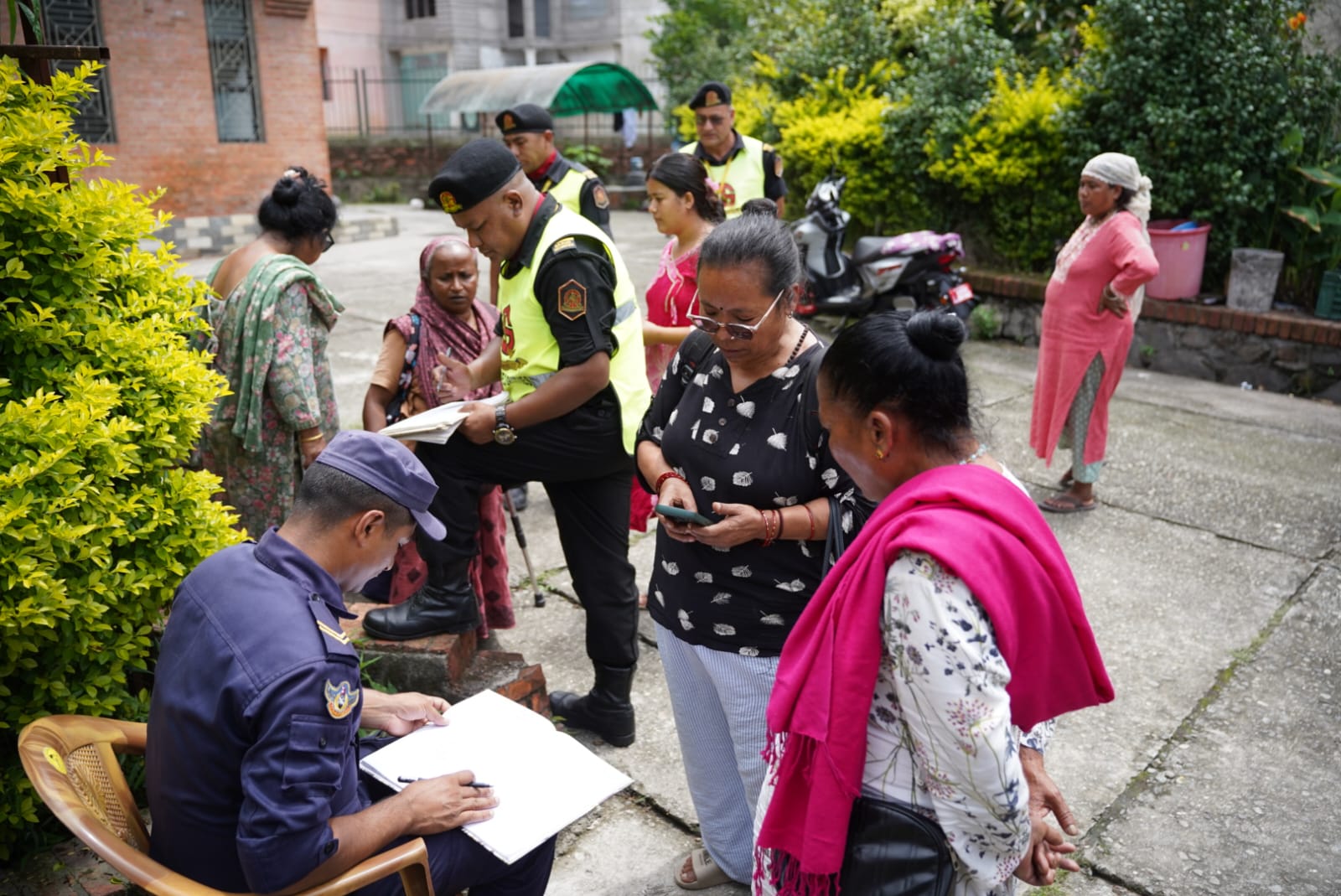
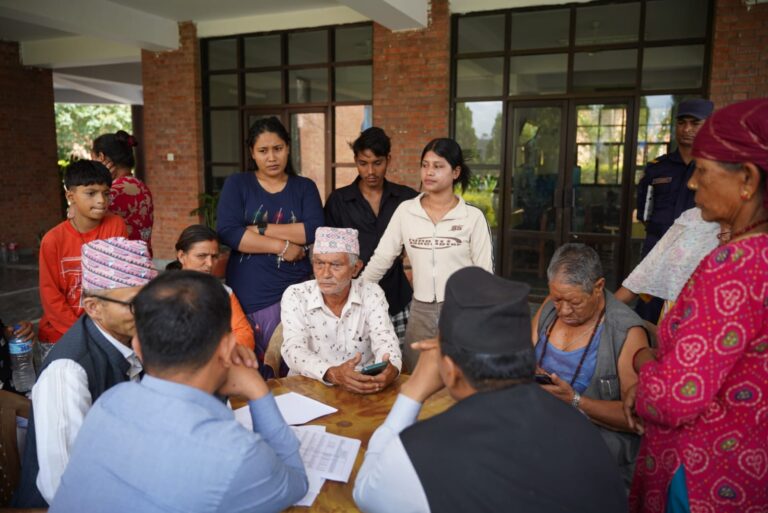
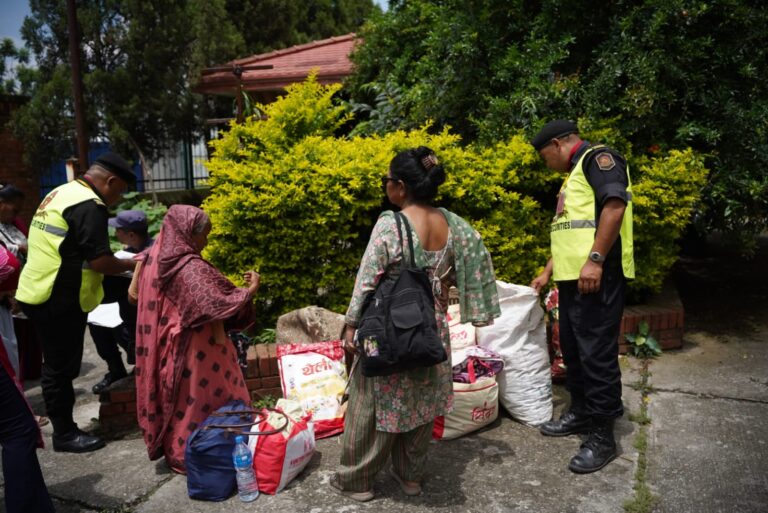
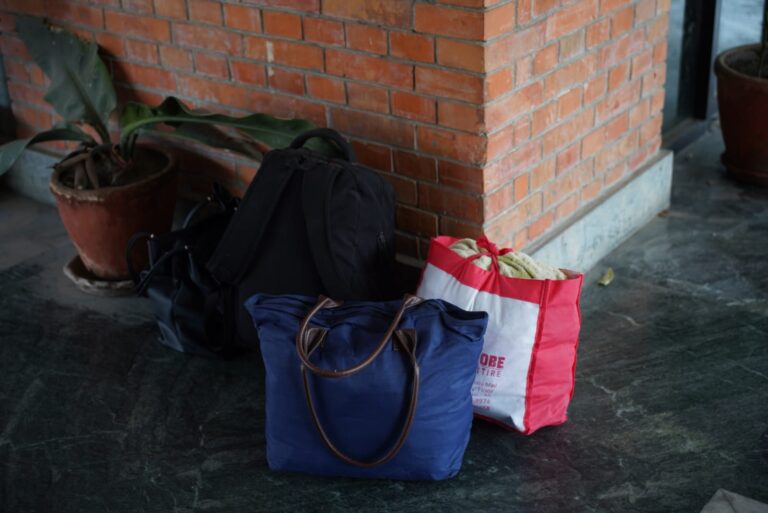
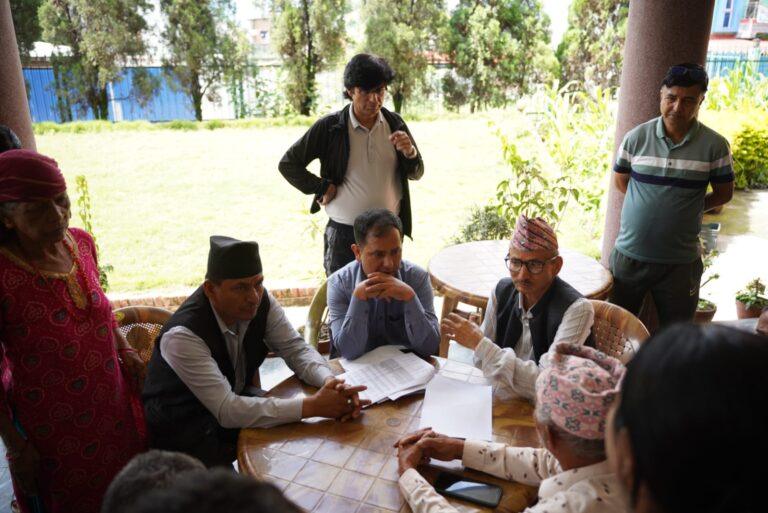
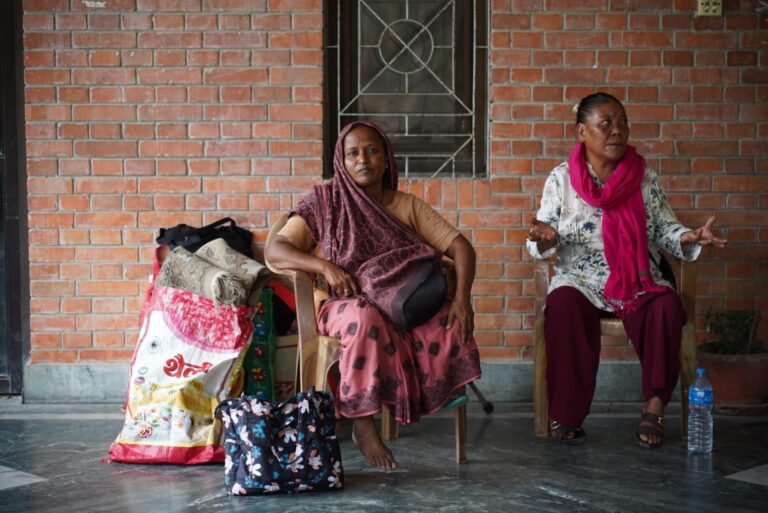
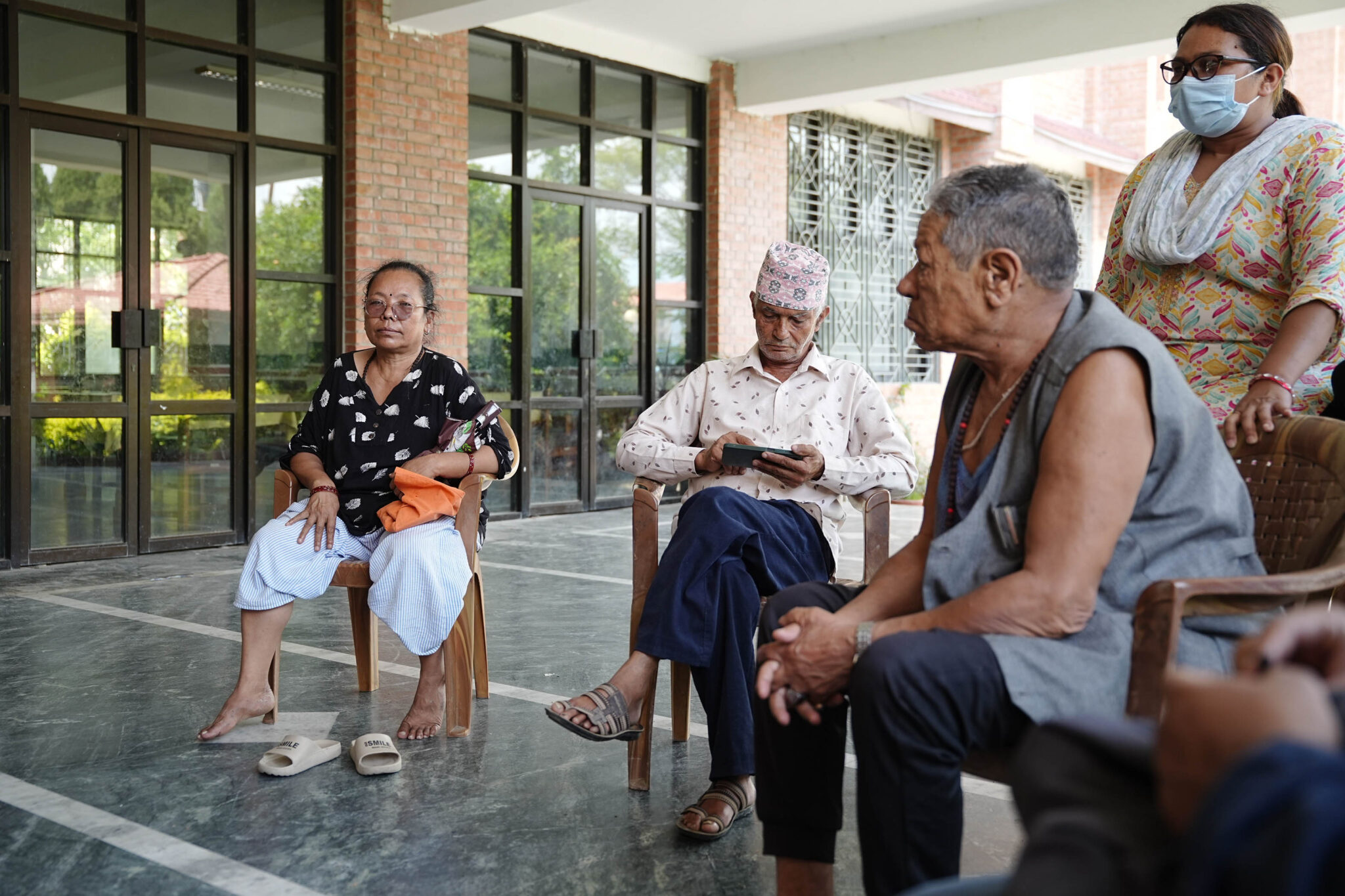
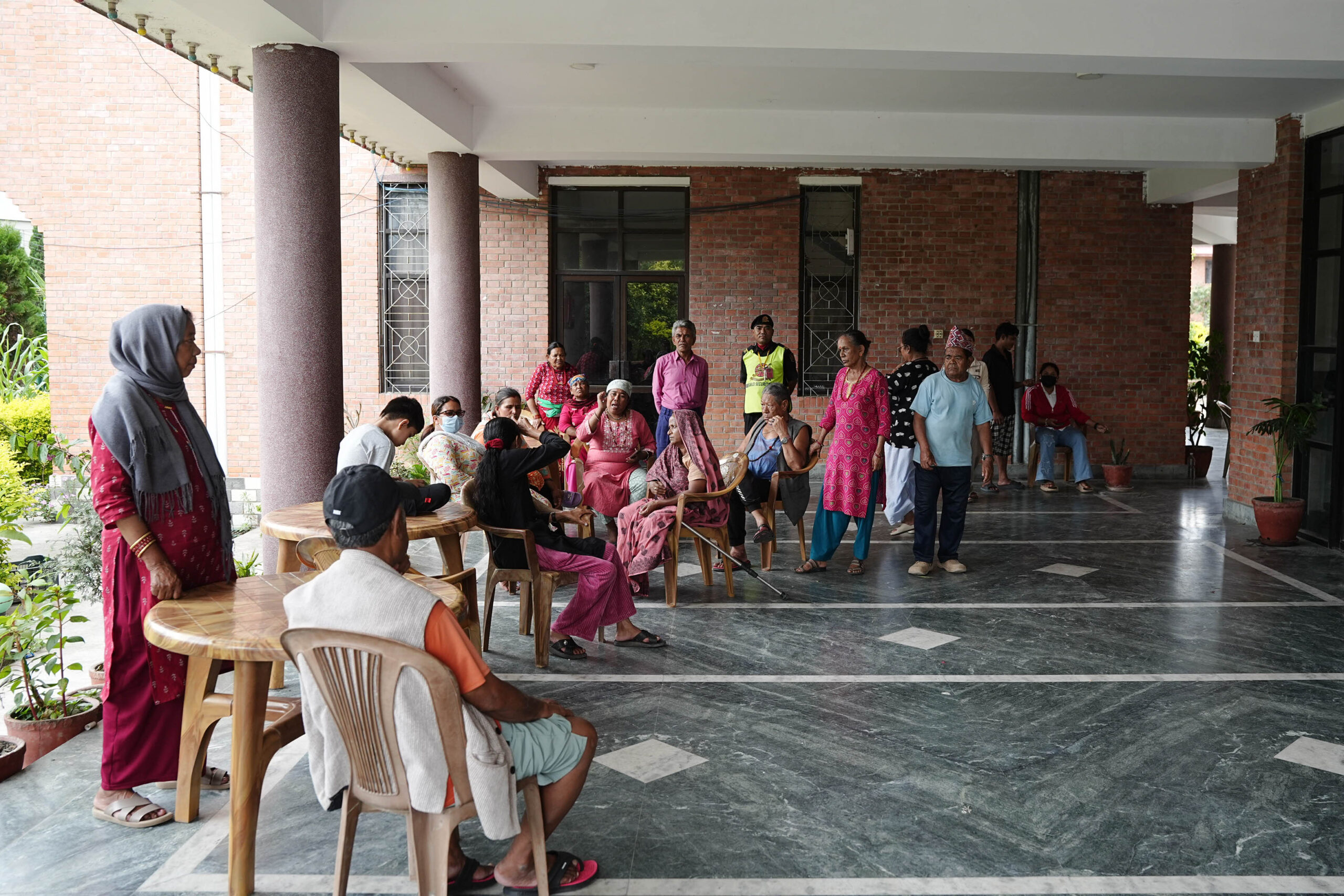
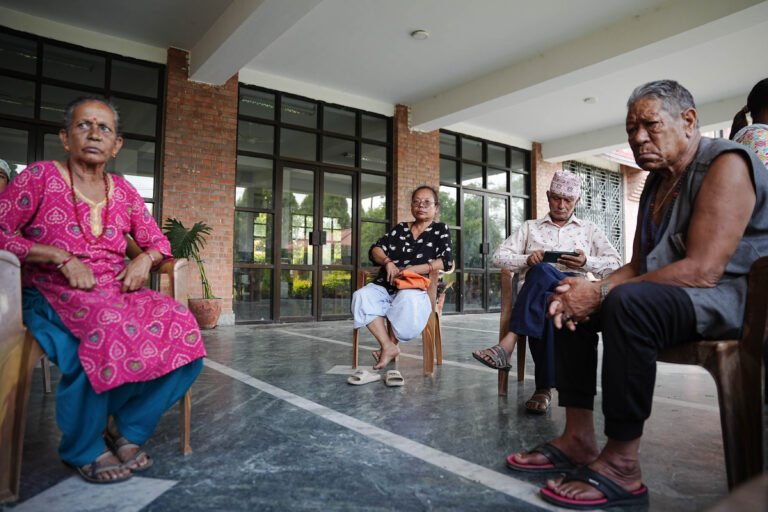
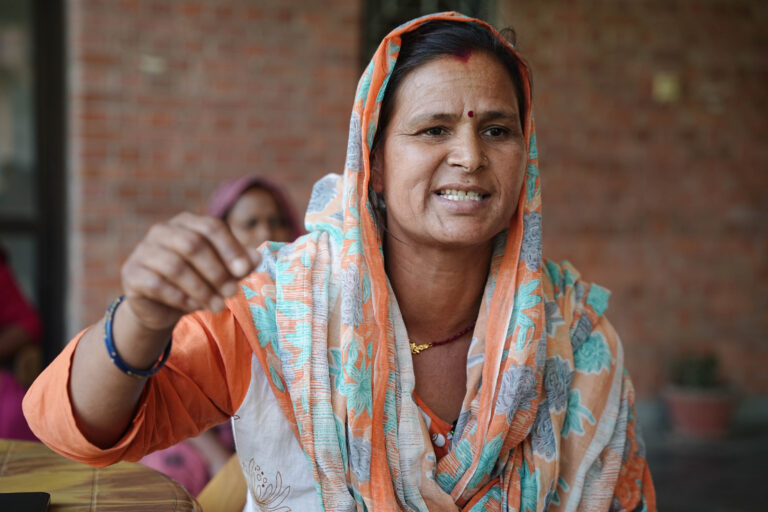
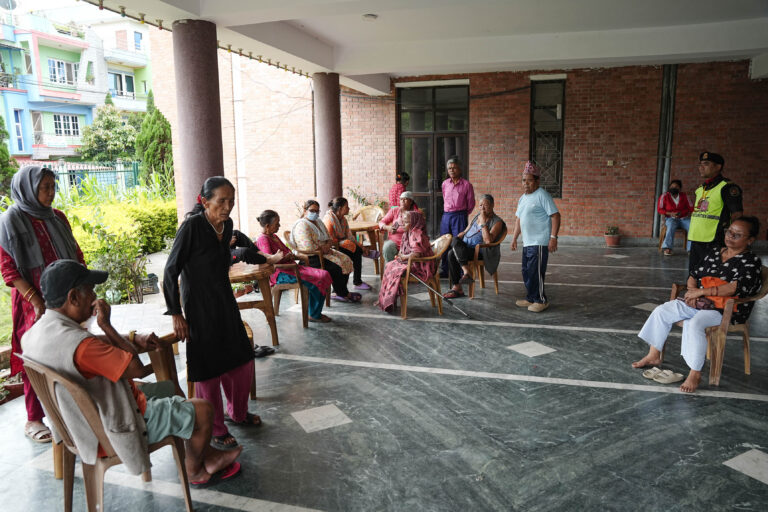
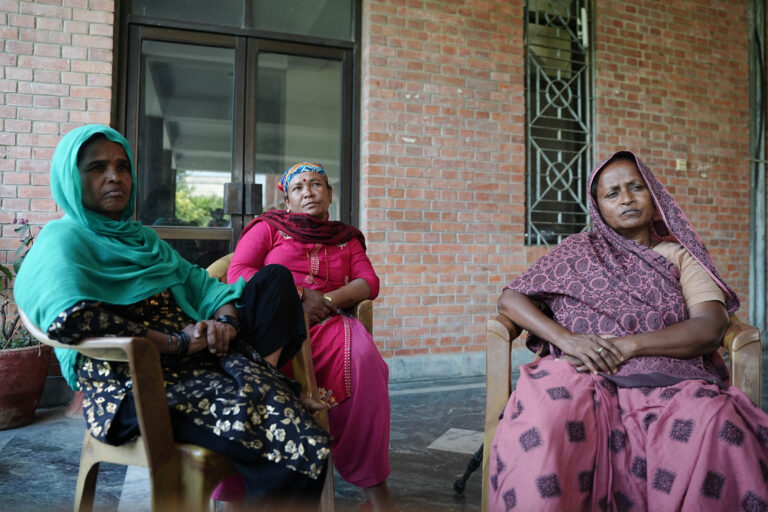
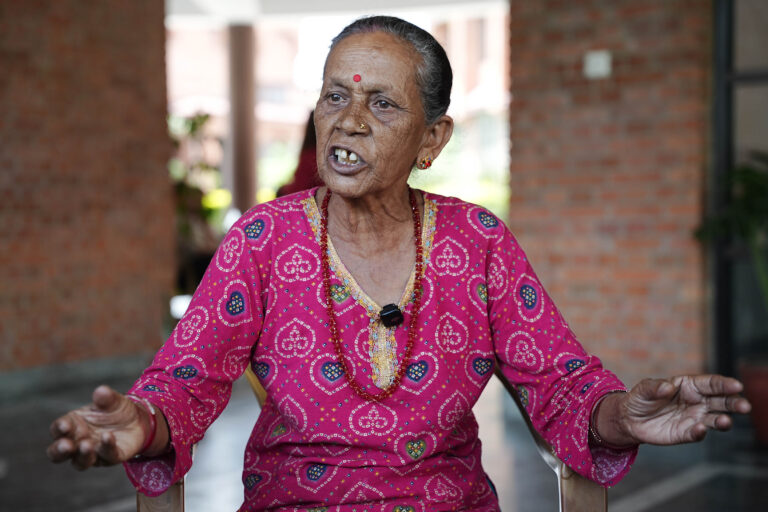
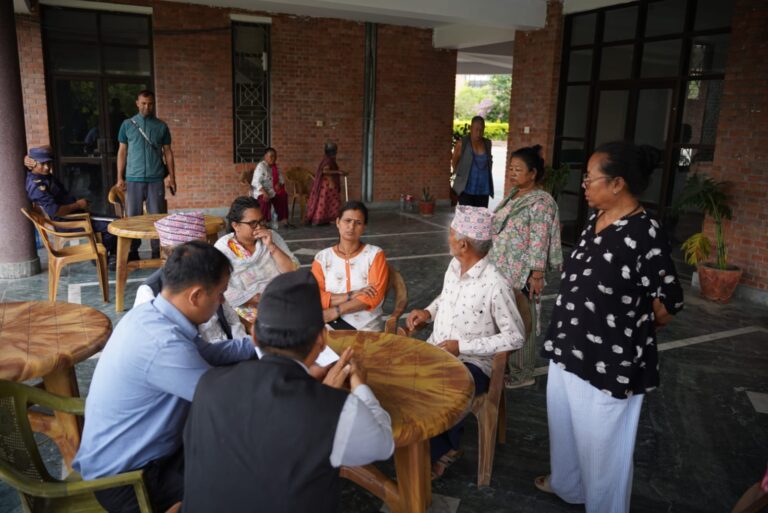
At a temporary holding center in Bode, Bhaktapur, 54 individuals from 24 families are currently crammed into tight quarters, while dozens of other families have already left out of sheer frustration.
Displaced residents, including Goma Tiwari, Surbir Tiwari, and Manju Tamang, express a unified grievance: they had roofs over their heads in their old settlements, but the government’s decision to bulldoze their homes without a clear relocation plan has left them feeling completely abandoned and functionally homeless.
To mitigate the immediate crisis, the state has been distributing Rs 25,000 per month in cash to help families secure temporary private housing. However, victims report that this financial aid is entirely inadequate against Kathmandu’s skyrocketing cost of living, barely scratching the surface of rent, food, and school fees.
More debilitating than inflation is systemic social discrimination; multiple families noted that the moment local landlords discover they are “sukumbasi” (landless settlers), they are flatly denied housing, causing immense psychological trauma.
Public and political criticism is mounting against the administration for relying on temporary holding centers and emergency cash handouts rather than presenting a concrete, compassionate framework for long-term urban management.
Ultimately, the displaced citizens are demanding that the government move past superficial milestones and fulfill its constitutional obligation to protect its most vulnerable people by securing their fundamental right to safe, permanent housing.
More in photos:

![When Home Minister Gurung fondly mingled with a security check dog [Photo Feature]](https://english.nepalnews.com/wp-content/uploads/2026/07/9f40cd0f-9ebd-4bea-91f4-9b09b07a41b0.jpg)
![140 MW Tanahun Hydropower Project under construction [Photo feature]](https://english.nepalnews.com/wp-content/uploads/2026/07/Tanahu-Hydropower-8.png)