Kathmandu
Tuesday, July 14, 2026





Diagnostic services at Gaurigunj Hospital in Jhapa have collapsed for two weeks, forcing patients to bear the financial burden of private clinics while the government facility remains unresponsive
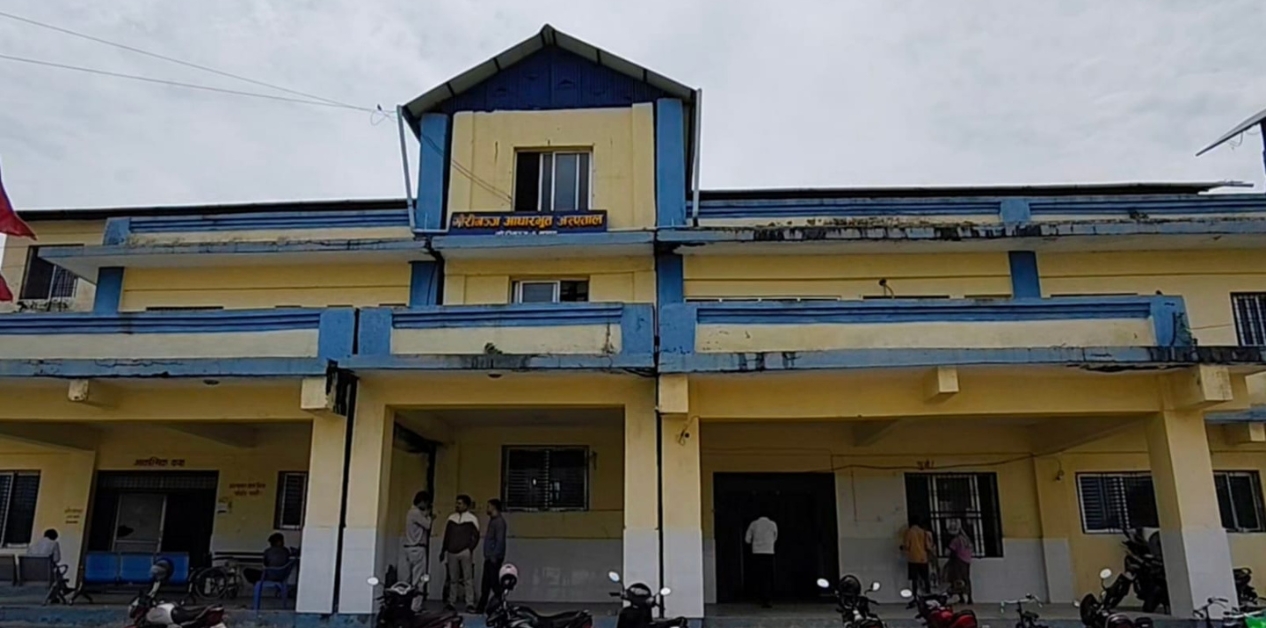
BARATNAGAR: Sharmila Soren, a 22-year-old woman of Gaurigunj Rural Municipality-6, Jhapa, used to visit Gaurigunj Basic Hospital for regular pregnancy checkups. On May 8 this year, she reached the hospital as usual. After examining her health condition, the doctor recommended a blood-related test, a Complete Blood Count (CBC). However, when she reached the hospital’s laboratory, she was informed that the service had come to a standstill.
Soren says she was disappointed when she came thinking she would get service at the government hospital of her own municipality.
“The lab here has been closed for two weeks. Now, there is no option but to get tested at a private clinic by paying expensive fees,” Soren says.
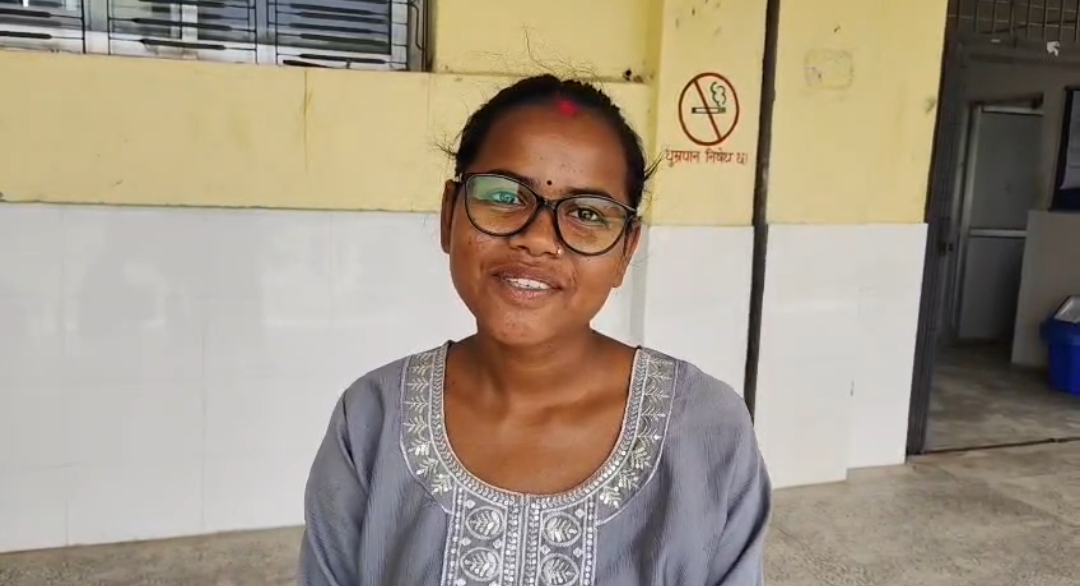
Sharmila Soren shares her grievances after being unable to access laboratory services
Another 32-year-old man named Bibek Kumar Sah had also reached the hospital with his ill mother. The doctor did prescribe a blood test. However, he had to return because the hospital’s lab was closed.
“Suspending service for two weeks in something as sensitive as health is playing with the health of the poor people,” Sah says.
The lab service at Gaurigunj Hospital has been shut down for two weeks due to the lack of ‘reagents,’ the chemicals required in the laboratory to trigger a chemical reaction. Because of this, many people like Soren and Sah have been suffering and obligated to pay more in private laboratories.
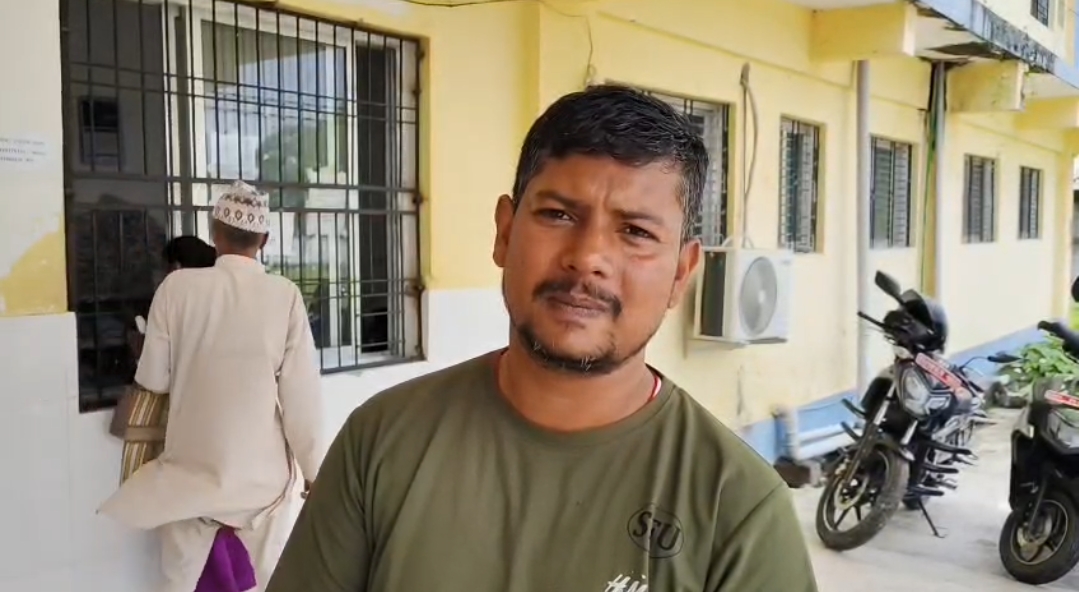
Bibek Kumar Sah
After her son fell ill, 37-year-old Sangita Kumari Tajpuriya reached the basic hospital of the municipality in a hurry for treatment. The doctor prescribed a lab test to diagnose the disease. However, a padlock was hanging on the hospital’s laboratory.
Tajpuriya says, “I came here thinking that there is health insurance in this hospital and treatment would be cheap. But since I didn’t get service here, now I have to go to a private one and get expensive treatment.”
Tajpuriya complained that when the hospital’s service was affected, no one from the local unit to the provincial and federal governments took any interest in solving it for the sake of the poor and underprivileged.
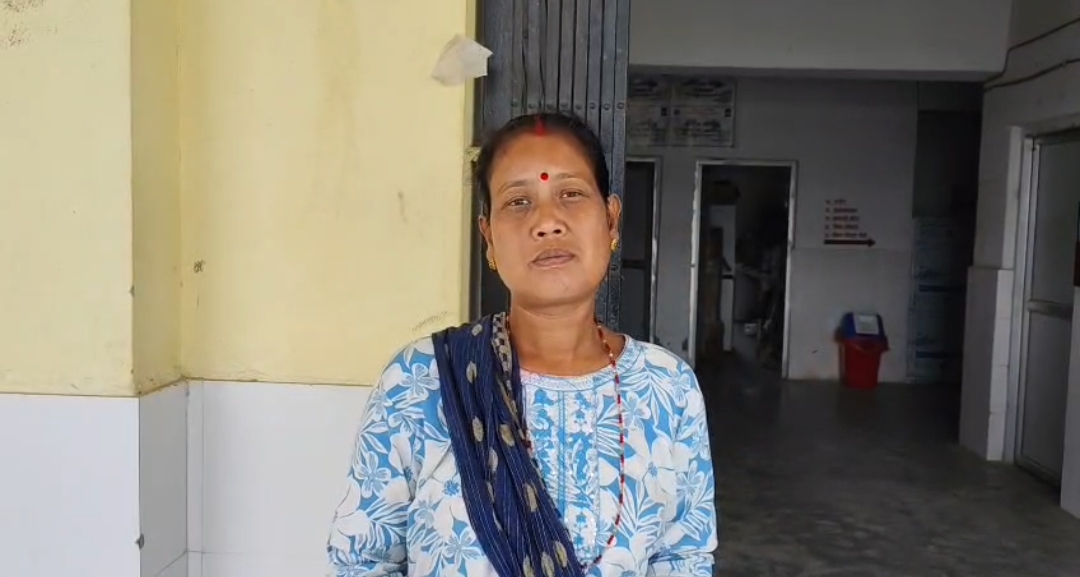
Sangita Kumari Tajpuriya voicing her frustration after being denied treatment for her son
Gaurigunj Basic Hospital falls under the constituency of Prime Minister Balendra Shah (Balen), Jhapa-5. However, due to administrative and managerial incompetence, the hospital itself has become ‘dysfunctional.’ In the 15-bed hospital, at least 300 to 500 patients come to the Outpatient Department (OPD) daily. Among them, more than half require lab tests. However, even though two weeks have passed since the chemicals used in the lab ran out, the procurement process has not been finalized.
The hospital’s Medical Superintendent, Dr Biswas Bikram Kharel, says that the shortage of reagents started a month ago, and it has been two weeks since the lab service was completely shut down.
“We had submitted the details of necessary medicines and reagents to the rural municipality at the beginning of the fiscal year. However, due to the delay in the procurement process, patients are now forced to go to private labs for tests,” Dr Kharel added.
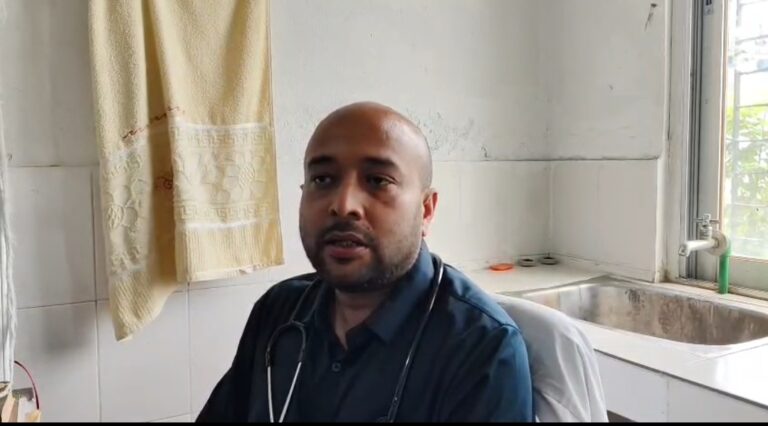
Medical Superintendent, Dr Biswas Bikram Kharel
Patients impacted by legal flaws in hospital procurement process
Administrative weakness of the local unit appears to be the main reason for this condition of the hospital. According to Khemraj Thapa, the chief administrative officer of Gaurigunj Rural Municipality, a bid was invited for the procurement of reagents on January 27 this year. “However, while a 30-day notice had to be issued according to the law, a notice for only 15 days was mistakenly issued, so that process had to be canceled,” he says.
A new 30-day tender was called again only on April 30. It appears that one will have to wait until June 1 for this process to be completed and the materials to arrive at the hospital. This means that for at least another month, the residents of Gaurigunj will not receive lab services at the municipal hospital. Chief Administrative Officer Thapa stated that the process of bringing reagents worth Rs 1 million to Rs 2 million through a fast track is underway. The municipality had allocated Rs 20 million for medicines and reagents in the current fiscal year.
Ram Chandra Mishra, chief of the Health Branch of Gaurigunj Rural Municipality, admits that the shutdown of the hospital’s lab service is a ‘shameful situation.’ “It was delayed due to an error in the tender process; procurement could not be done by bypassing the process,” he says. “Currently, a second tender has been opened for the procurement of chemicals worth Rs 6 million.”
On Monday alone, 272 patients came to the hospital’s OPD. Most of them had to go to private hospitals and clinics and pay expensive fees after not receiving lab services.
Phulbati Rajbanshi, the chairperson of the rural municipality, claims that the problem will be solved in the next few days. “We have moved the contract process forward; we will resume the service by purchasing the materials within two to three days,” she says.
On Monday alone, 272 patients came to the hospital’s OPD. Most of them had to go to private hospitals and clinics and pay expensive fees after not receiving lab services. Since services are not available in this hospital where the health insurance program is implemented, the general public who have insured themselves are also facing a double financial burden.
This picture of Gaurigunj Hospital is mocking the health condition in the constituency of the country’s executive head. Local Madan Rajbanshi is furious seeing the state of the hospital.
“The hospital’s laboratory has been shut down for two weeks,” Madan says. “The residents of this area made him the prime minister of the country by giving him votes, but now when the hospital here is in difficulty, the government’s attention has not reached it. What service will a government that cannot purchase a chemical for two weeks provide to the people?”