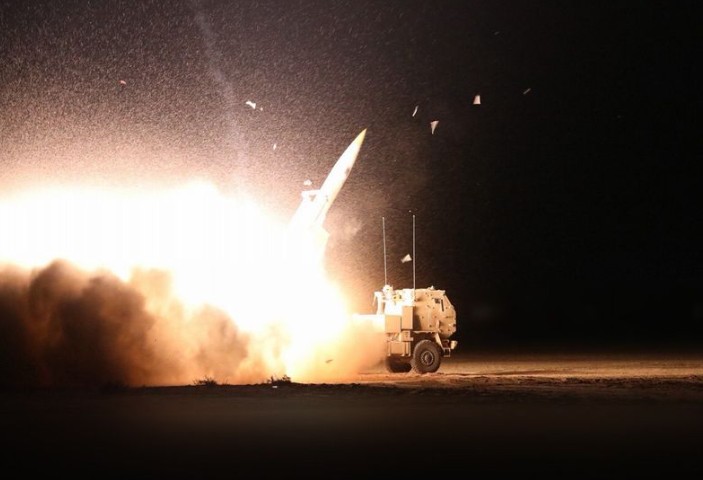
Meanwhile, Iranian forces have continued attacks targeting petroleum-producing Gulf Arab countries.
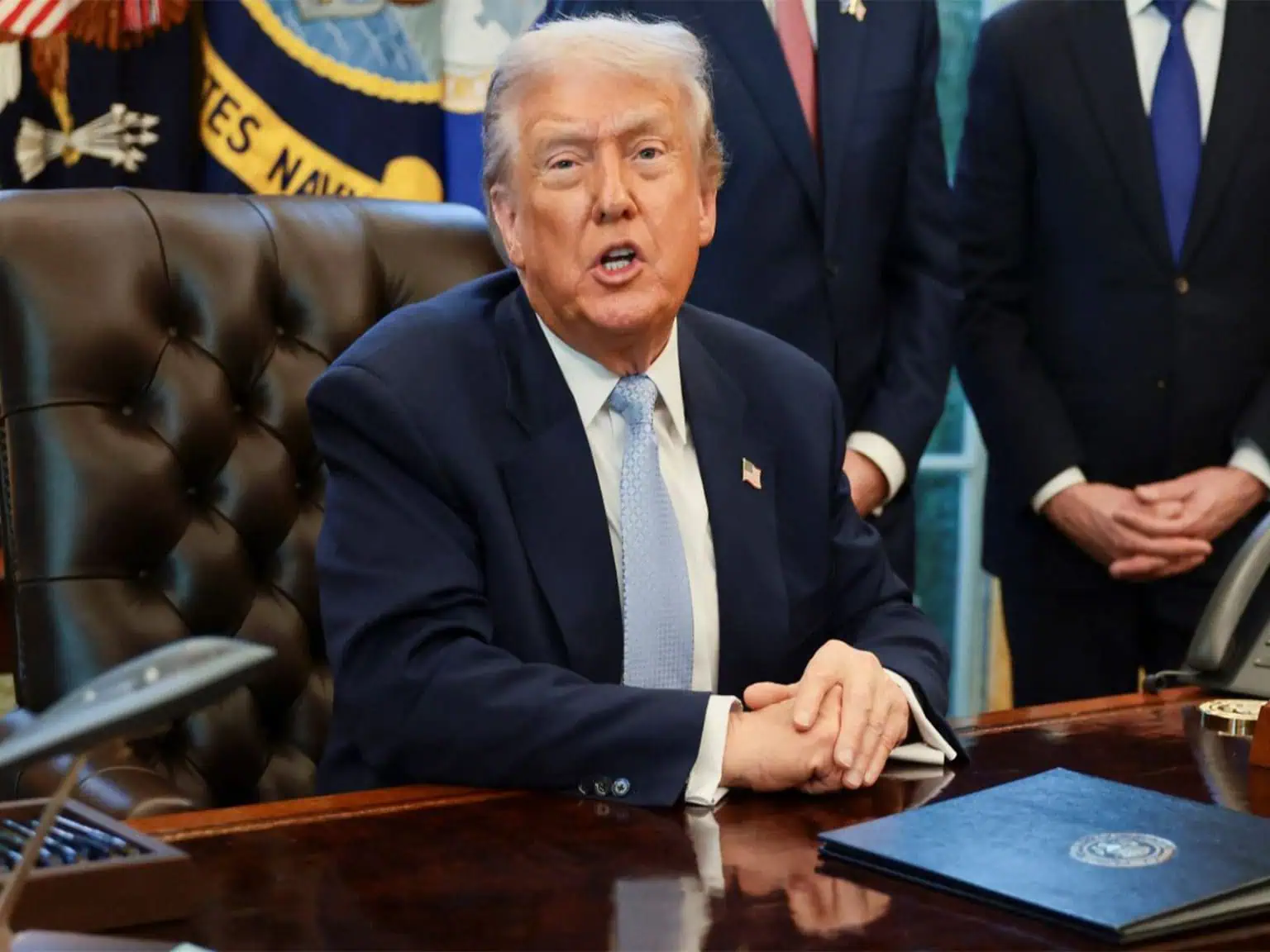
Earlier, Donald Trump suggested that the war might end shortly, indicating that the conflict, now in its eleventh day, could conclude quickly. He described the situation by saying it is likely to end “very soon” and is already “very complete, pretty much.”
Despite such remarks, the intensity of military operations appears to be increasing. US Defence Secretary Pete Hegseth signaled that the coming phase of the campaign could mark a significant escalation in strikes.
US Defence Secretary Pete Hegseth said Tuesday would be the most intense day of strikes on Iran to date, but he said the administration’s war objectives were quickly being met, claiming Iran’s missile launch capacity had been degraded by 90% during the war.
The statement suggests that Washington believes its military campaign has significantly weakened Iran’s offensive capabilities, particularly in terms of missile deployment.
The Strait of Hormuz remains a focal point for global markets, as roughly a fifth of the world’s oil supply passes through the corridor. Any disruption in the area could have immediate consequences for energy prices and international trade.
As the war enters its second week, the situation remains volatile, with military actions, regional security concerns and global economic implications continuing to intersect. (ANI)