Kathmandu
Sunday, June 28, 2026





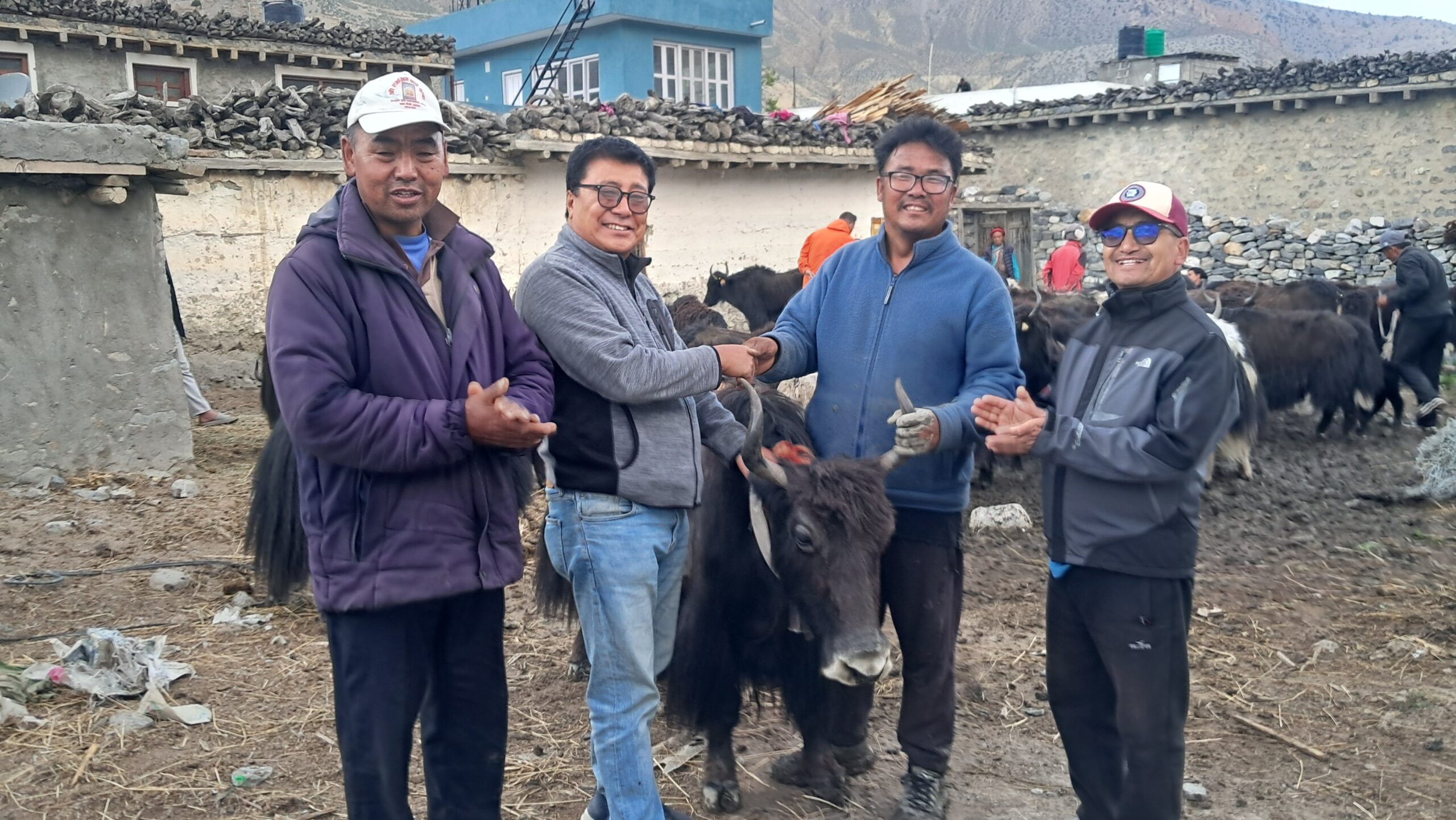
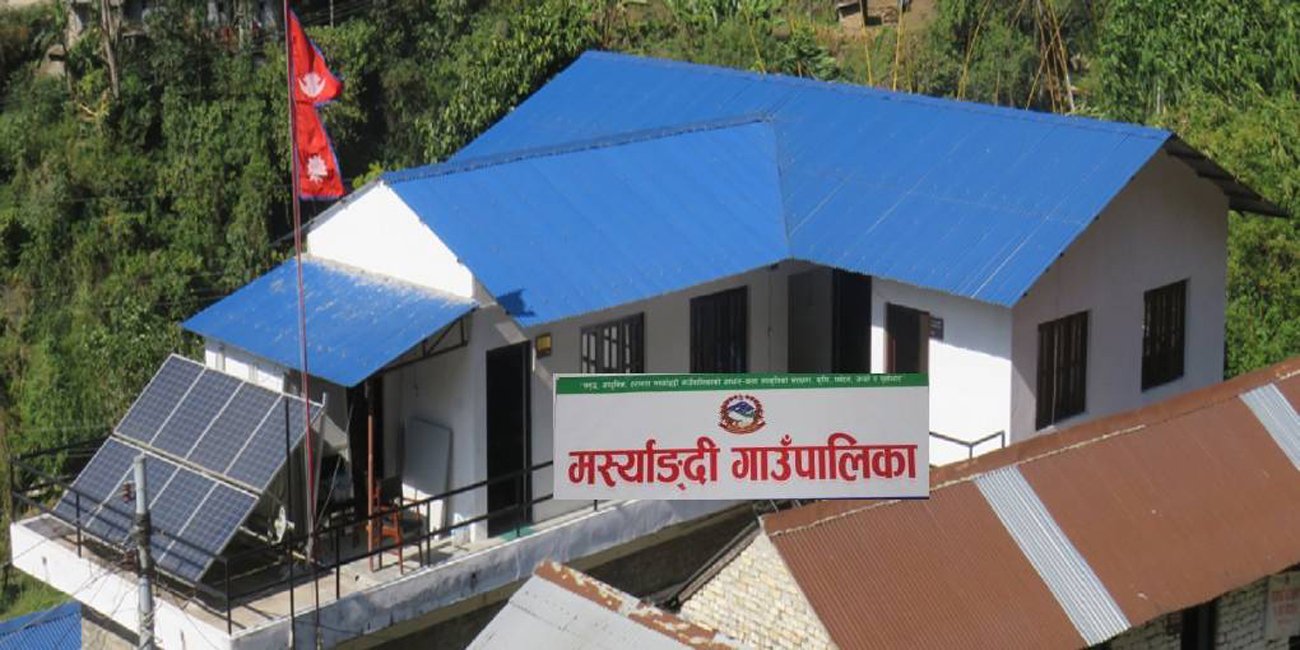
MUSTANG: The Gharpajhong Rural Municipality in the district has distributed yaks and naks (female yaks) to livestock farmers under a 50 percent subsidy.
The rural municipality distributed the yaks and naks under its ‘High Mountain Yak/Nak Promotion’ program.
Mohan Singh Lalchan, the Chairperson of the rural municipality, informed that the subsidy was distributed with the objective of encouraging yak and nak farming through a 50-50 percent cost-sharing partnership between the beneficiary livestock entrepreneurs and the rural municipality under the federal conditional grant.
According to him, the yaks were purchased and distributed at a total cost of Rs 750,000 from the local body and Rs 750,000 from the livestock farmer.
On Saturday, Pemba Gurung, a farmer from Jomsom, purchased and brought the yaks and naks under the subsidy concession. Chairperson Lalchan informed that the yaks, naks, and calves distributed under the subsidy by the rural municipality were purchased from Manang.
According to him, farmer Pemba Gurung purchased and brought yaks and naks worth an additional Rs 800,000—beyond the budget scope provided by the rural municipality—into Mustang.
The farmer arrived here with more than 56 yaks and naks, including calves. Rural Municipality Chairperson Lalchan mentioned that distributing a small number of yaks and naks among many people under a subsidy would make it difficult to promote yaks according to the targets; therefore, the subsidized animals were distributed to a single farmer who met the criteria of the selection committee.
According to Aaita Thakali, the Livestock Section Officer of the rural municipality, an agreement has been made stating that the subsidized yaks and naks distributed by the local body cannot be sold for five years.
He stated that since this is not just a business but an indigenous culture of the Himalayan region, the rural municipality distributed the yaks and naks with the objective of contributing to biodiversity and the ecosystem.
Earlier, Gharpajhong Rural Municipality had published a 35-day notice under the said program to distribute yaks and naks to farmers under the subsidy. Following the notice published by the rural municipality, several farmers had submitted applications for the subsidy.
Livestock Section Officer Thakali informed that the price was determined according to the district’s rate, and the animals were purchased for Rs 1.5 million and provided under a 50 percent subsidy concession.
Farmer Gurung informed that 38 chauris (yak-cow hybrids), three male yaks, and 15 calves were purchased from Yak Kharka located in Ngisyang Rural Municipality of the district and brought to Jomsom. He mentioned that 38 were purchased through the rural municipality’s subsidy and 18 through his personal investment.
Expressing happiness over the rural municipality trusting him and providing the subsidy concession to rear yaks and naks, Gurung committed to contributing to their promotion by farming them commercially.
At a program, Rural Municipality Chairperson Lalchan, Executive Member Bhishan Thakali, and Livestock Section Officer Thakali jointly handed over the yaks and naks to the beneficiary farmer. The rural municipality office also stated that these yaks and naks have been insured.
A team including insurance company representative Ganesh GC registered farmer Gurung’s yaks and naks for insurance. He informed that the insurance was done in a way where the farmer pays 5 percent of the livestock value as the insurance premium, and the local government bears the remaining fee.
Lately, as yak and nak farming—a ancestral profession of the Himalayan region—faced a crisis, the local body started running yak and nak promotional programs under the federal government’s conditional grant. In the current fiscal year, Thasang Rural Municipality of the district had also distributed yaks and naks to livestock farmers under a subsidy concession.
Due to climate change, yaks and naks reared by setting up sheds in the high-altitude pastures and meadows of Mustang have started facing a crisis due to the shortage of grazing areas and the risk of wild animals. Chairperson Lalchan noted that the government introduced the insurance security policy to protect the yak and nak farming business.
Insurance representative Ganesh GC informed that if the livestock of the yak and nak farming peasants enrolled in the insurance suffers any damage, a 90 percent compensation will be provided by the insurance company.