Kathmandu
Tuesday, June 16, 2026





Nepal cannot transform its greenery into prosperity unless plant conservation is linked with local employment, revenue, and sustainable utilization.
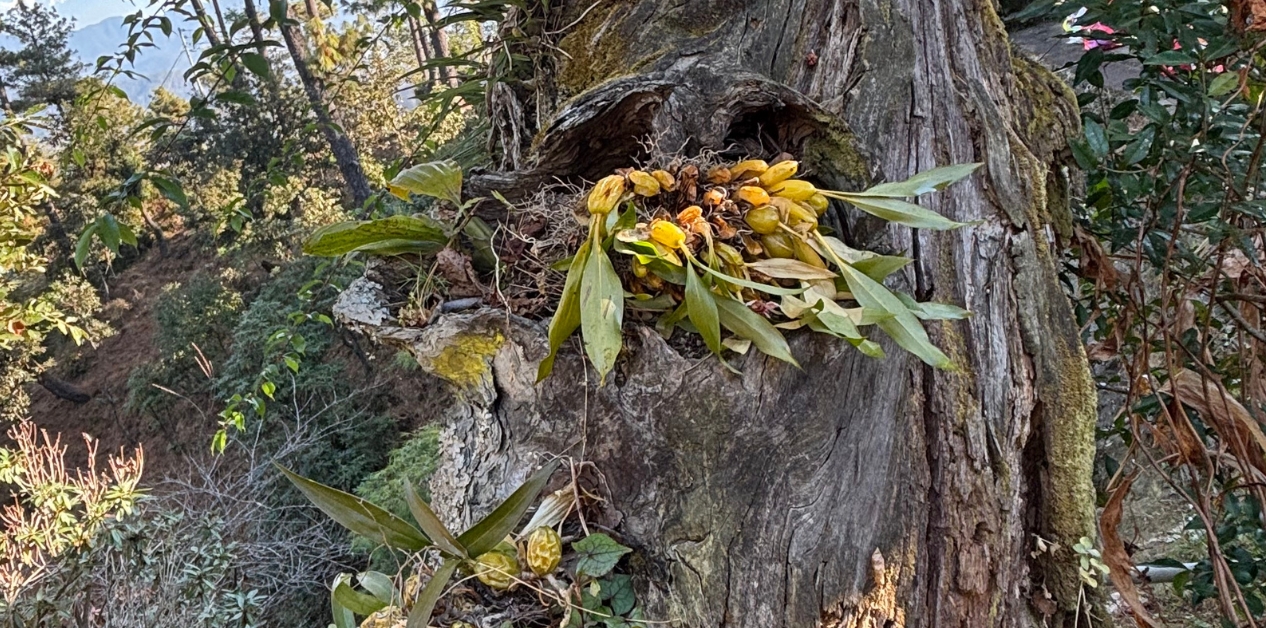
Sometimes a dense forest, sometimes under the scorching sun beneath the open sky. Sometimes a flat trail, sometimes a steep cliff. Torrential rain, wrestling with leeches, and the terror of wild animals. At night, relying sometimes on a cowshed, sometimes on a cave. And in the morning, before the first ray of sun appears, the same continuous walking again, for many days.
Whether listening to others’ experiences as a story or experiencing it occasionally as an ‘adventure’ in life, such a routine might sound exciting at first. However, if this becomes the very basis of livelihood, it becomes difficult, exhausting, and perilous. Local herbal collectors have no choice but to endure this.
The hardship intensifies when herbs collected after many days of hard labor do not fetch a fair price. On top of that, because the collection of certain herbs is prohibited, they are forced to play hide-and-seek with the law at every step.
Even amidst such conditions, it feels extraordinary to recall the goodwill shown by the locals when approaching them to talk during research and studies related to plant and wildlife conservation and the control of illegal trade. Their openness when told, “We are conducting a study on this subject, please spare some of your time,” makes one realize how crucial it is to listen to the voices of local communities in conservation debates.
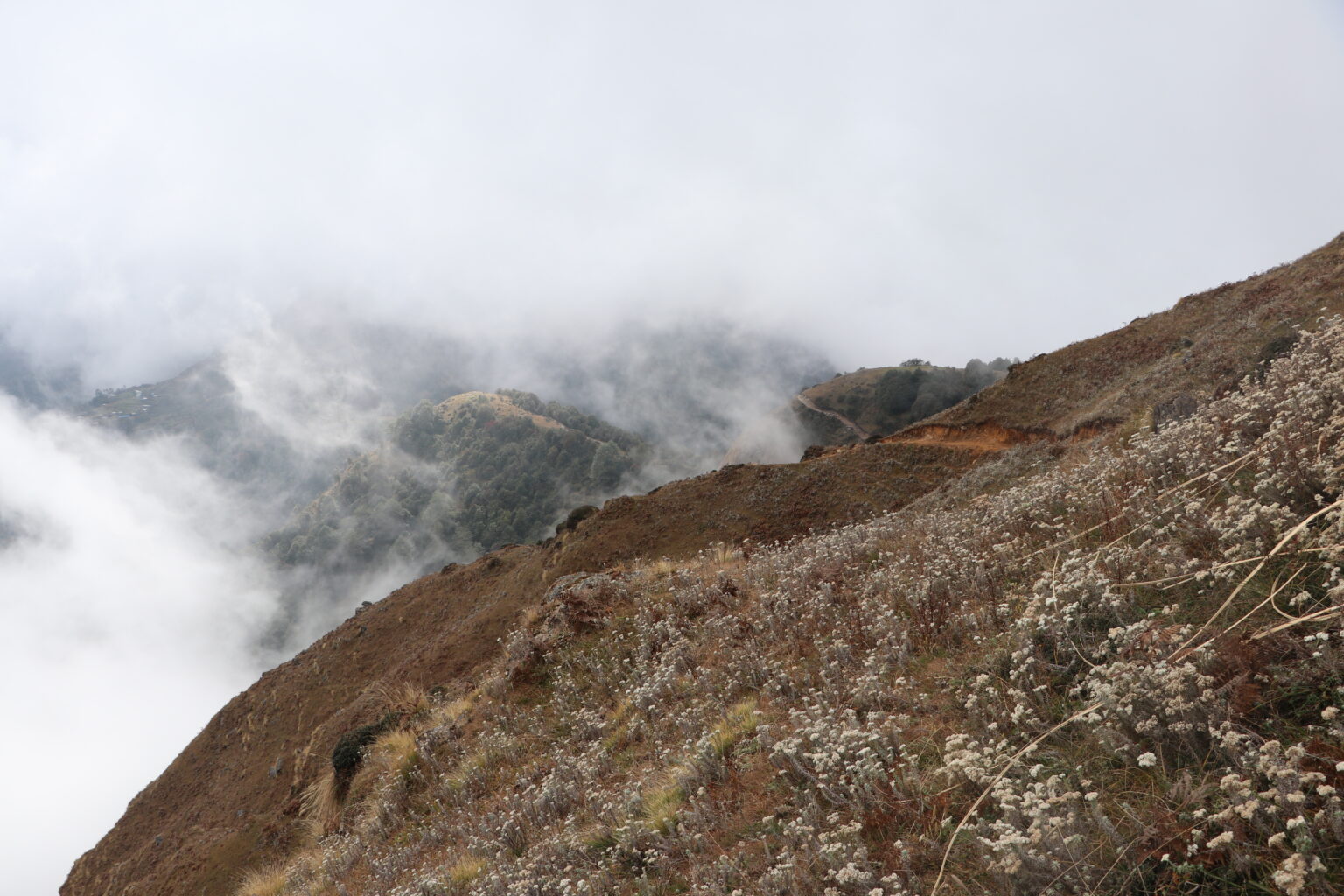
Herb collection area
Currently, debates about bringing a green revolution to Nepal, creating employment on our own land, utilizing natural resources properly, and making the country prosperous appear on the surface in various seminars, social media, and newspapers.
The debates do inspire hope, at least because the issue has been raised. However, when remembering the herbal collector communities, several serious questions also arise. To what extent do these debates incorporate local communities and their natural demands? How seriously have they taken into account the harmony between the conservation and utilization of natural resources?
Yes, our mountains, hills, and plains are immensely rich in terms of biodiversity, forests, wildlife, and water resources. Furthermore, the statistics showing that Nepal’s forest coverage has increased to 46.8% also indicate the potential to bring prosperity through the proper utilization of the forest sector. But ironically, we have not yet been able to properly manage and utilize these natural assets. Conservation policies have been formulated, but the common Nepali people have not benefited from them as expected.
Leaving proper utilization aside, we have not even been able to identify our most important plants. There are examples of certain protected plants, restricted for export, being smuggled across the border under different names through collusion. On one hand, due to a lack of adequate information among regulatory bodies, traders have been exporting valuable plants by paying extremely low revenue. On the other hand, forest products, including herbs seized after large-scale collection, have ended up rotting away.
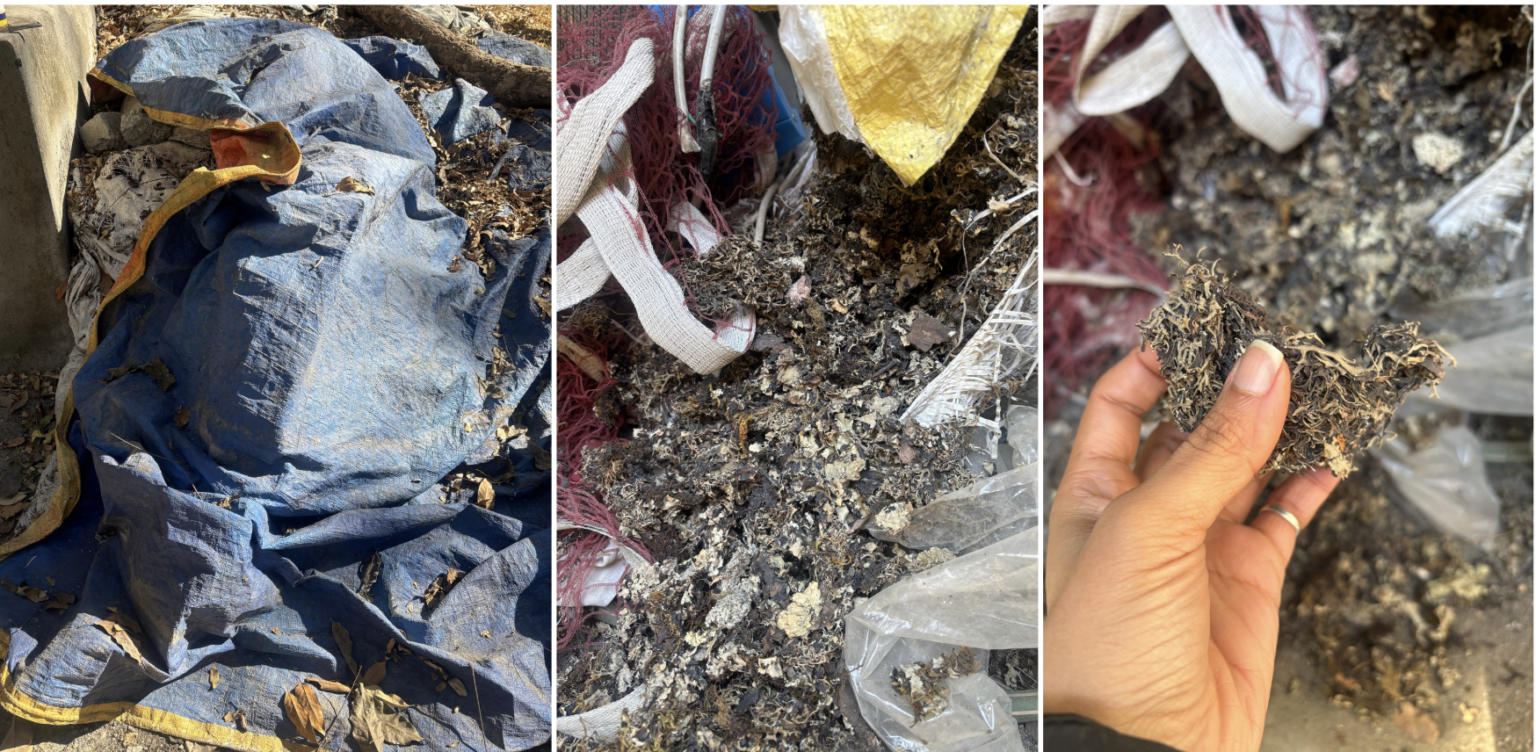
Seized lichen species.
Similarly, it is found that at least 85% of plants are collected directly from their natural habitats. Rather than plants produced from cultivation or nurseries, such collection increases the risk of reducing the natural population of indigenous species, damaging habitats, and weakening the income sources of local communities in the long run.
How beneficial is the increased greenery?
There is hardly any Nepali who has not heard the statement that Nepal is a country rich in biodiversity. Nepal is truly blessed with natural assets. The Terai, hills, and mountains—each region has its own unique characteristics. We have ample resources and natural capacity to expand a nature-based economy. However, we have not been able to capitalize on it.
A forest appearing green, an increase in forest area, and ensuring biodiversity do not mean the same thing as local communities deriving economic benefits from the forest. Although greenery appears to have increased at first glance, a deeper look reveals problems such as a decline in forest biodiversity, the displacement of indigenous trees and plants by invasive species, and an increase in wildlife-human conflict.
Various studies have shown that pastures, considered an important economic source for herbal collectors, are seeing their habitats destroyed due to over-collection and climate change, even though they look healthy from the outside.
The gap between documents and reality
The facts and experiences encountered during research and studies in various places over the past few years are strange. Certain herbs collected from various parts of Nepal do not reach commercial centers like Biratnagar, Nepalgunj, or Kathmandu, but instead reach across the border illegally. Sometimes under a different name, sometimes as herbal tea, and sometimes in powder form.
Some people involved in the business say, “If we get entangled in the hassle of rules and regulations, even a small task takes months. But if the paperwork is managed, the work gets done. Paying various individuals ends up costing almost the same, but it reduces the hassle.”
In such a situation, which plant is protected, which is collectible, what quantity is sustainable to collect, and who is keeping track of this?
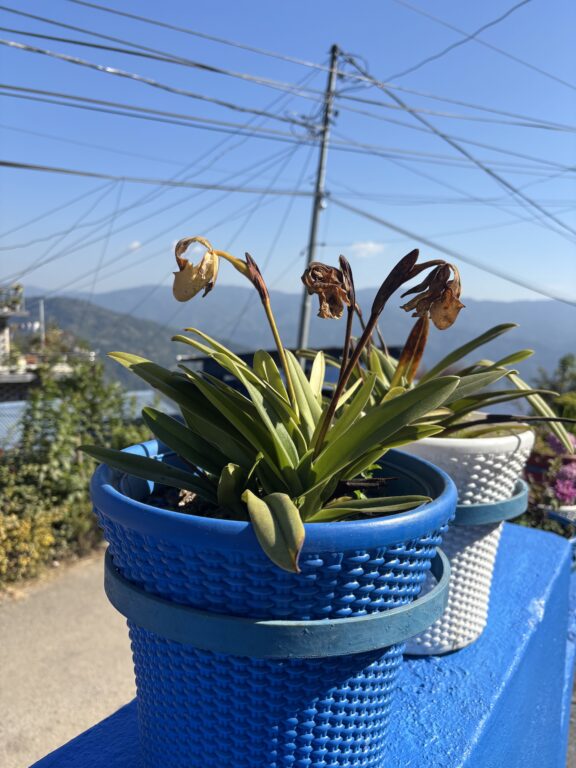
Orchid.
The distance between our laws and practice is even more terrifying. Many pharmaceutical companies find it easier to import plants from India rather than collecting plants that are abundantly available right here in Nepal and taking them into the production process. Plants like Harro (black myrobalan), Barro (belleric myrobalan), and Amla (Indian gooseberry) are brought in from India as raw materials. You order, you pay the money, and the goods arrive; no hassle, no sycophancy.
Not all of these imported plants are valuable or protected species. However, if rules and regulations were simplified, fact-based knowledge was built, and conservation awareness was prioritized, our village communities could have earned an income from the forests. The state could have collected revenue. The plants could also have been conserved.
The crisis of plant conservation
Medicines and products derived from plants are beneficial for human communities. However, valuable plants used for treating various diseases or other purposes are facing a crisis due to excessive and illegal collection. Adequate concern has not been shown regarding this matter.
Based solely on increasing demand, truckloads of Chutro (barberry) are seen being collected extremely carelessly along with their roots. Paanchaaule (Dactylorhiza hatagirea), which falls under the orchid family and is under the high conservation priority of the state, is still found to be harvested indiscriminately and traded illegally today.
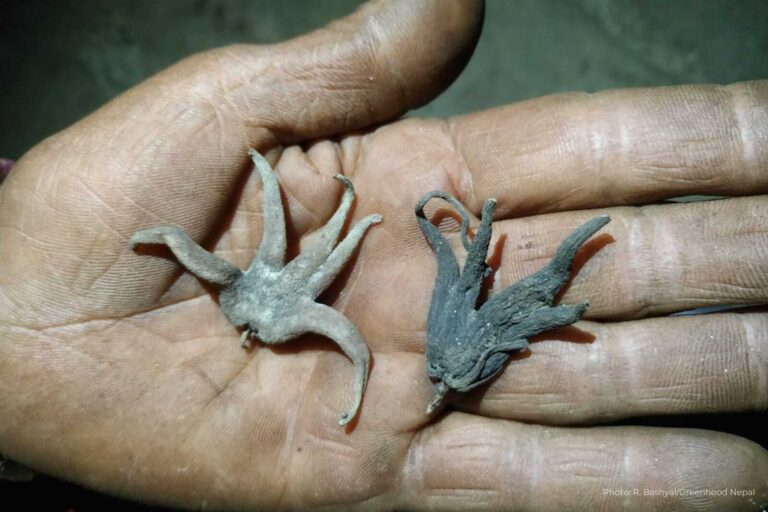
Dactylorhiza hatagirea
“On paper, it is clear that collection is not allowed. But if you go to the collection sites, no one knows who steals it or how,” locals say. The theft of hundreds of kilograms of dried, small hand-shaped plants without anyone knowing about it is not a strange coincidence; it is a weakness of our regulatory system.
Similarly, because plants of the Paphiopedilum genus of orchids, which are placed under high conservation frameworks internationally, are extremely attractive, their illegal collection and trade were widespread in the past. Today, seeing them more on terraces than in the forests is a sign of a conservation crisis.
Harmony between conservation and utilization
Some collectors do not even know how to harvest in a way that preserves the plants. Some face the compulsion of educating their children and running their households. Therefore, the problem cannot be solved merely by blaming all collectors and traders. Instead, it is necessary to focus on how to reduce illegal collection, how to increase the income sources of locals, and how to implement sustainable collection methods.
Our plants should be exported after processing, not just as raw materials. Some of Nepal’s floral species are in high demand both domestically and abroad. Instead of haphazardly removing such plants from their natural habitats, legitimate trade should be encouraged through legally registered nurseries and tissue culture labs.
Plants with good ‘stock’ in their natural habitats should be identified and clearly included in community forest operational plans and district forest management plans with the involvement of local communities. It is also necessary to formulate separate conservation and management plans for species like orchids that are facing a conservation crisis.
A question I often hear during studies is: What is the meaning of conservation if we only conserve and are not allowed to utilize? The meaning behind this question raised by local residents is clear—the path to employment and income generation must be opened while managing natural resources.
The way forward
The achievements Nepal has made in the field of conservation are promising. However, there is still much more work to be done in plant conservation. On occasions like World Wildlife Day, National Wildlife Week, and Environment Day, we chant conservation slogans. The time has come to stop limiting these days to symbolic programs and to take real steps.
The green forest we see is not complete just with greenery and the roar of wildlife; it must also be linked with biodiversity, healthy flora, and the happiness of local communities. Along with the conservation of plants, wildlife, and natural resources, creating employment and preparing the foundation for economic development through their sustainable utilization can be the long-term solution for Nepal.
(Wildlife researcher Basyal works at the conservation organization Greenhood Nepal.)