Kathmandu
Tuesday, July 21, 2026





Government employees casting their votes as temporary voters based on the voter list sent by the election office
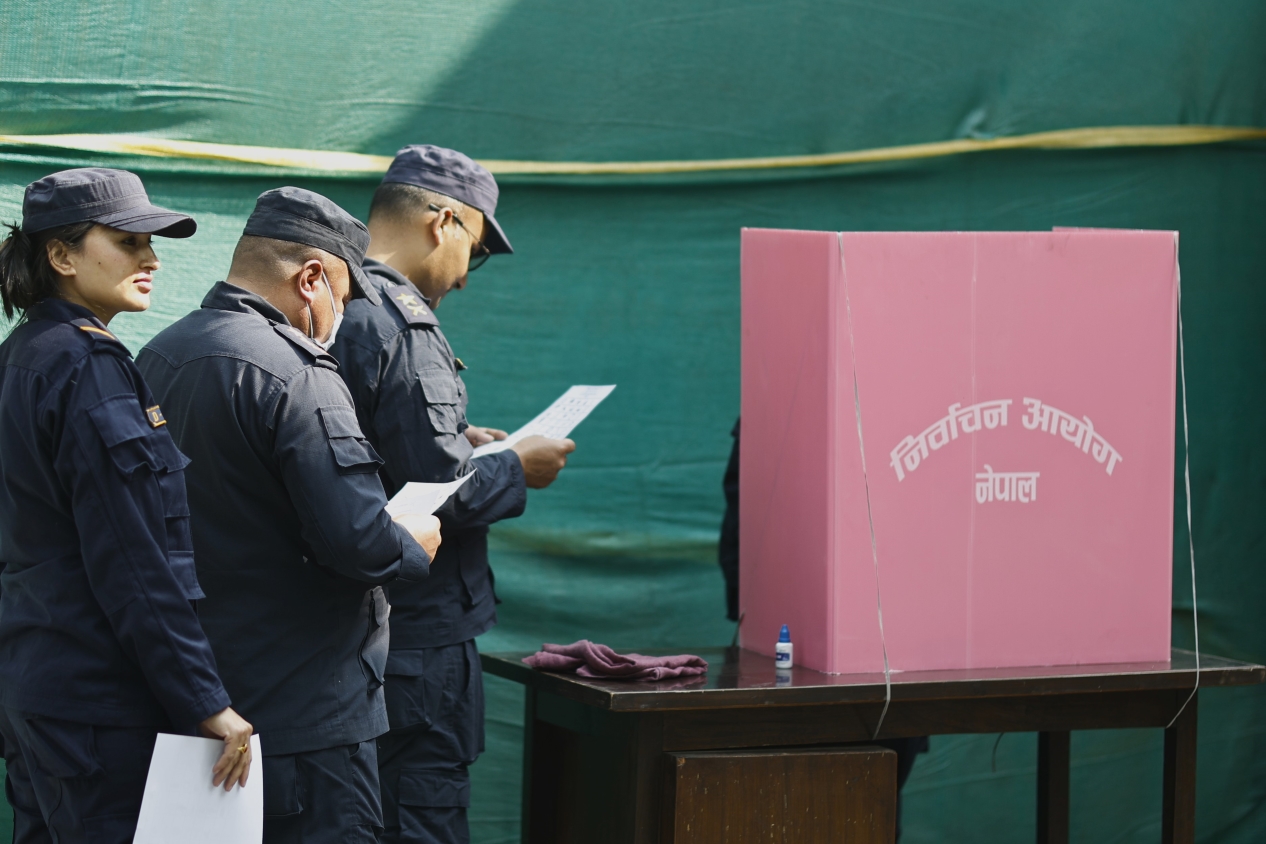
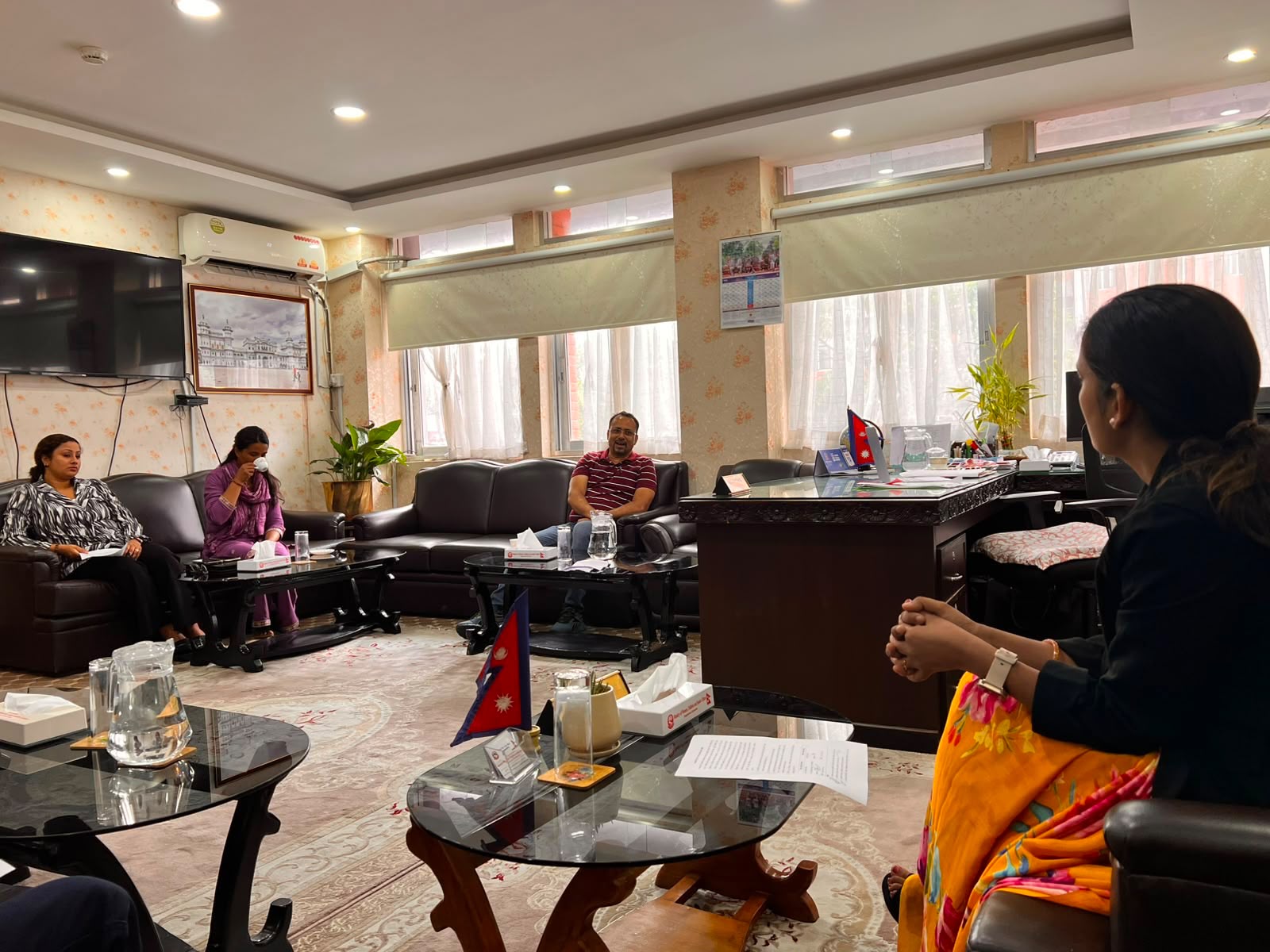
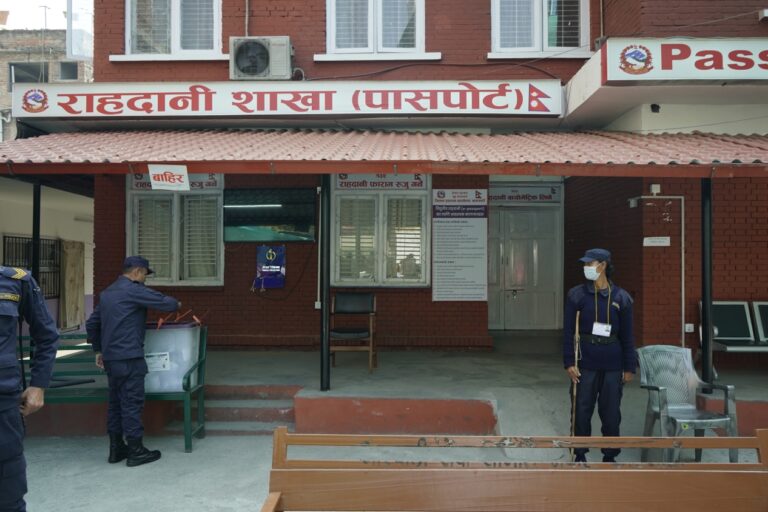
KATHMANDU: Min Bahadur Bista, ward secretary of Dakshinkali Municipality–2, who could not travel to his home district Achham, cast his vote at the polling center located at the District Administration Office in Kathmandu. Although he was not deployed for election duty, he was able to vote under the proportional representation system as a temporary voter. This was his first experience voting while staying outside his home district.
Similarly, Janak Raj Sharma, a voter from Parbat and an undersecretary at the Ministry of Labor, also voted under the proportional system for the first time. He viewed the provision that allows employees to vote wherever they are stationed as a positive step. Along with him, Kaman Singh Khadka, an officer of Kathmandu Metropolitan City, also cast his vote at the same polling center. His permanent polling center, however, is in Kamalbazaar Municipality of Achham.
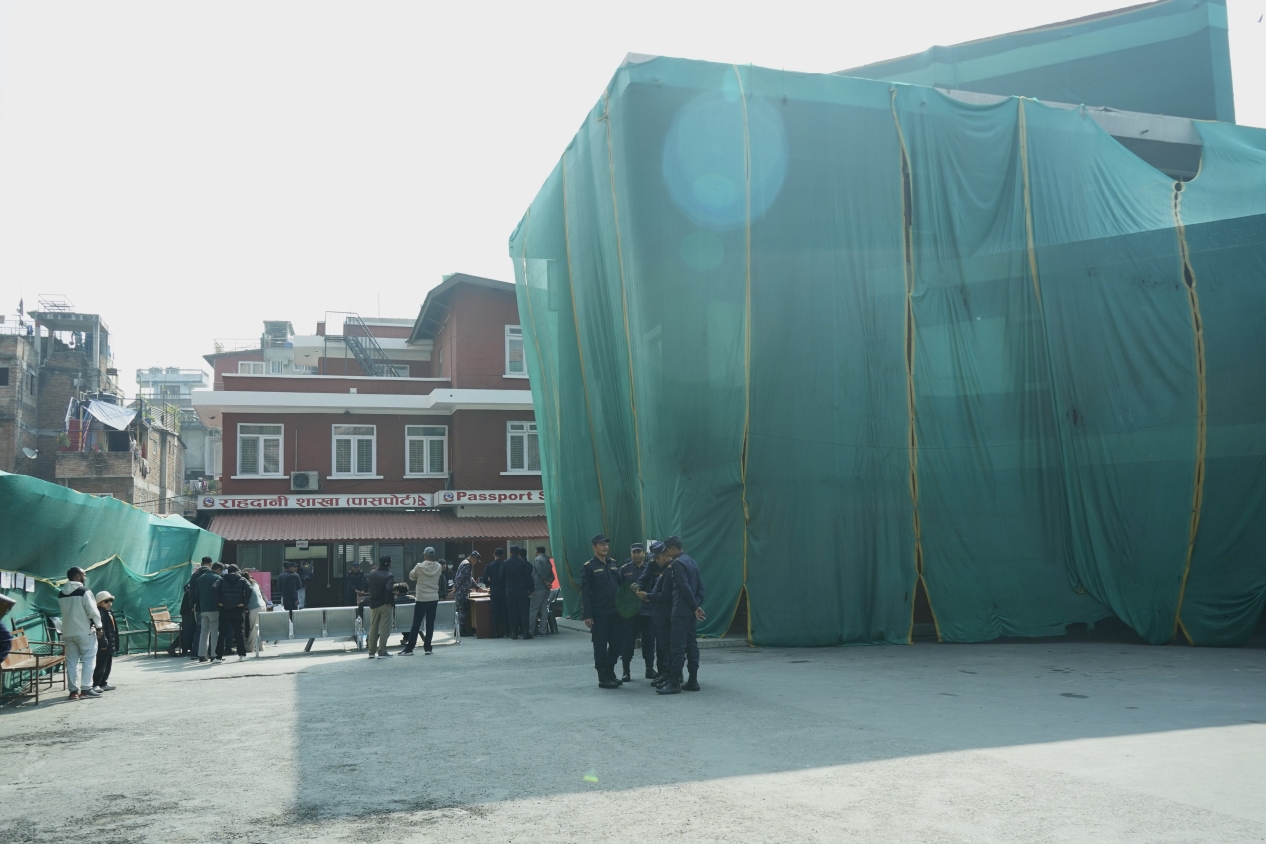
They were able to vote because the Election Commission made a provision allowing government employees who could not travel to their home districts to cast their vote under the proportional representation system at their current location. Two months earlier, district election offices had asked government offices to update the details of employees who intended to vote. Accordingly, the respective offices were required to send the list of voters along with their voter identification numbers. Based on this information, the Chief Election Officer would grant approval and send the list, allowing the employees to vote under the proportional system.
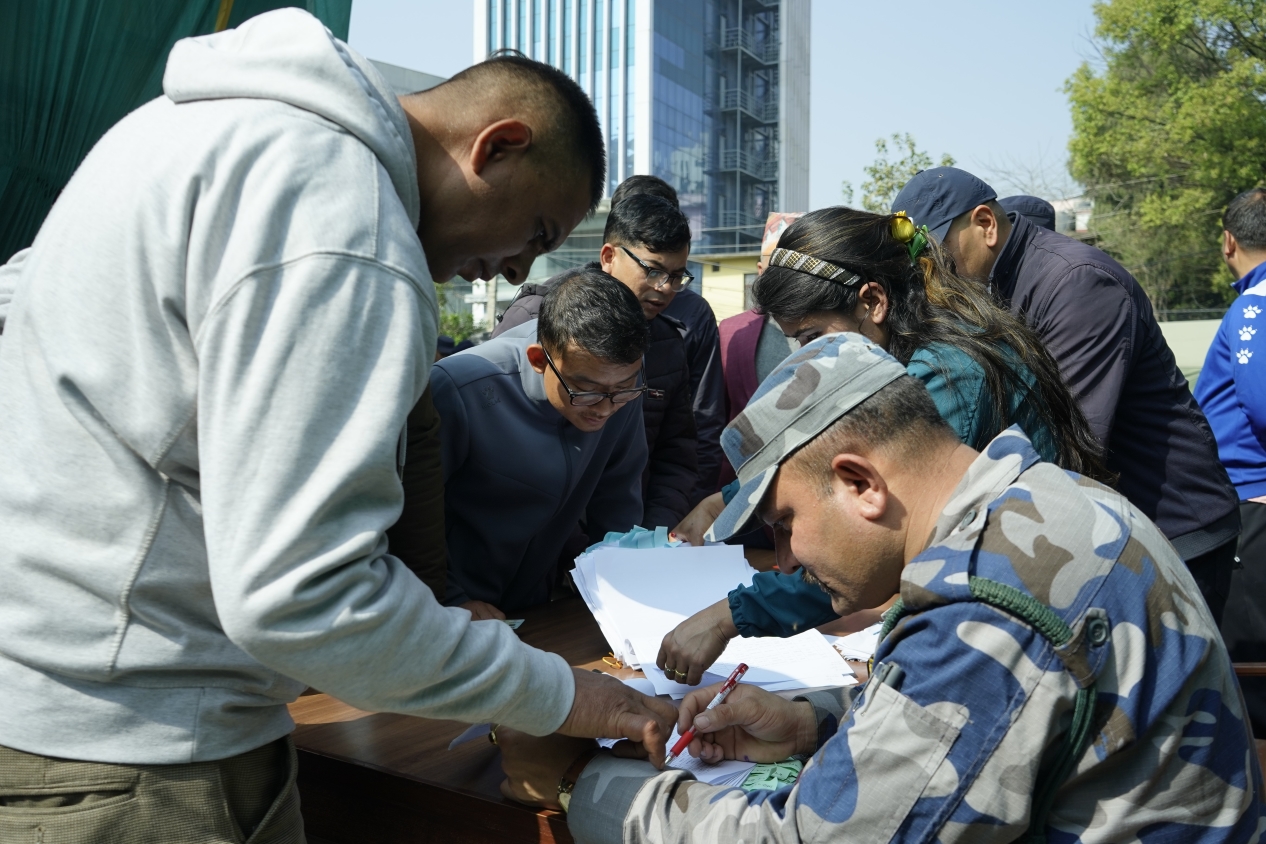
However, some employees were unable to vote because their names had not been included in the voter list sent by the district election offices. More than 30 employees who arrived at the polling center at the District Administration Office in Kathmandu had to return without voting because their names were not on the list. Polling center representative Nabin Upadhyay said that by 10 a.m., more than 30 employees had already returned for this reason. “Many people have had to go back because their names are not on the list,” he said. The center has 7,687 temporary voters.
Kathmandu’s Chief Election Officer Churaman Khadka said that the names of many employees had been left out. “We have received information that several names are missing. This happened because the list was not sent from the concerned district election offices,” he said. Since the matter should have been facilitated earlier, only those whose names are currently listed will be able to vote.
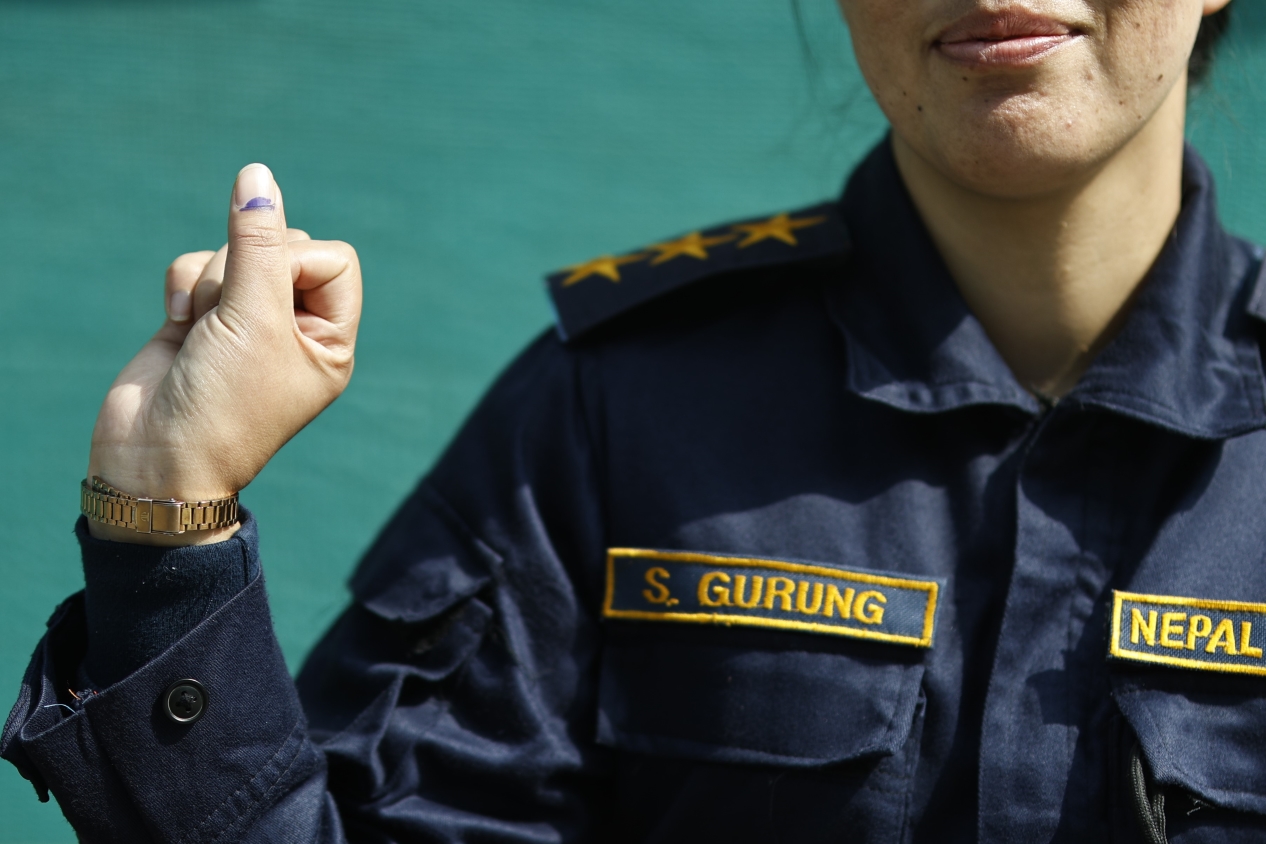
Election Commission Assistant Spokesperson Kul Bahadur GC said that temporary polling centers have been arranged across the country for employees who could not travel to their home districts. According to him, the Election Commission has collected the names of 186,000 employees nationwide, and 143 temporary polling centers have been designated for them. “The concerned election offices should have verified the lists earlier. The voter employees should also have checked the list beforehand,” he said.
Six temporary polling centers have been designated in Kathmandu. These include the District Administration Office Kathmandu (A) and (B), the Bhadra Kali Temple premises, the Armed Police Force headquarters at Halchowk, the Central Jail at Jagannath Deval, and the Dillibazar Prison.
The provision for temporary voters was introduced through the Voter List Act, 2016 (2073 BS), which was enacted to amend and consolidate laws related to voter registration. Based on this law, the Election Commission issued the Temporary Voter List Procedure, 2025. The procedure, issued on 3 December 2025, allows government employees working at the federal, provincial, and local levels, personnel stationed in army, police, and armed police barracks, election staff, individuals living in old-age homes, and heads and officials of constitutional bodies to vote from their current locations.