Kathmandu
Tuesday, July 28, 2026





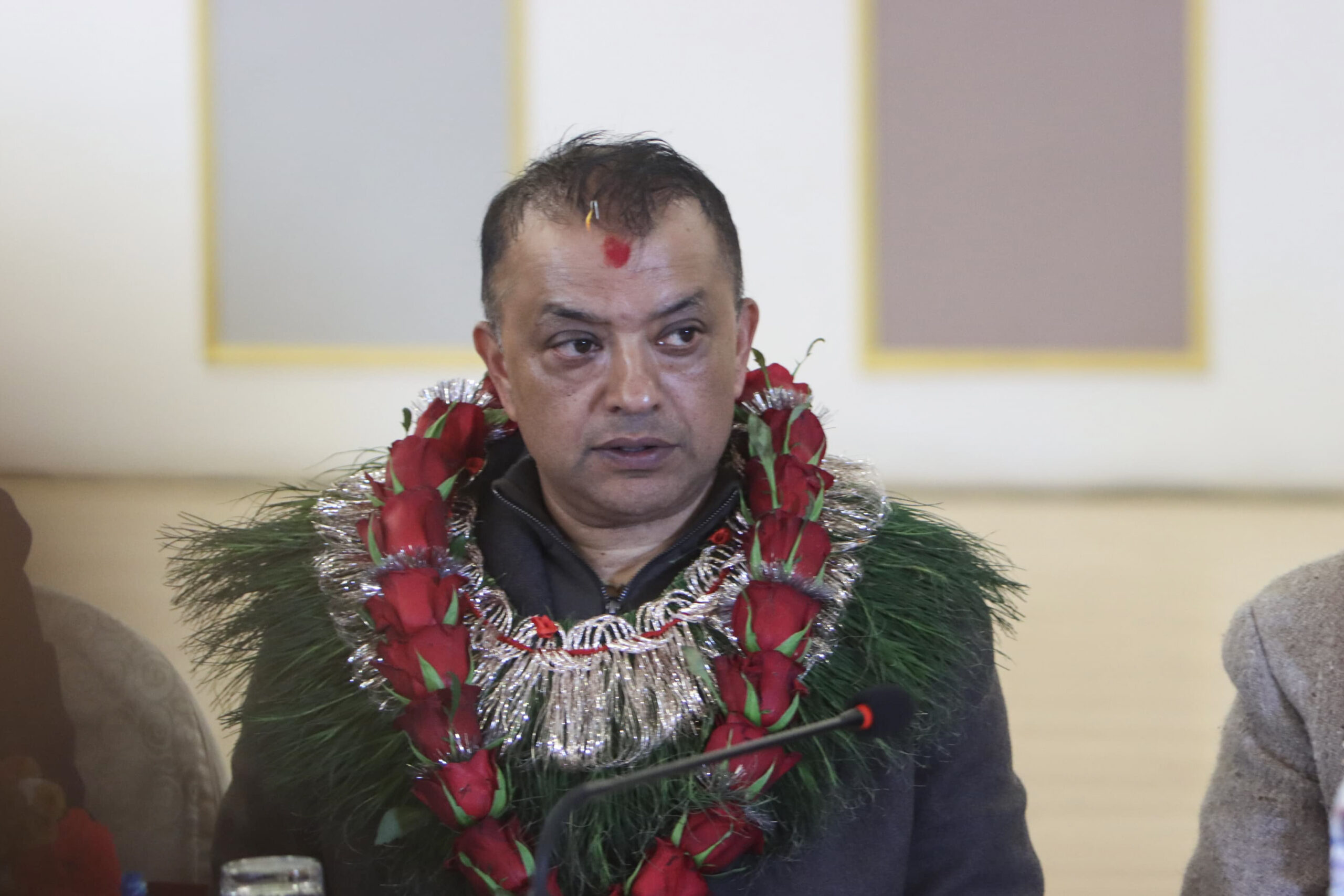
KATHMANDU: The Central Committee of the Nepali Congress has rejected the resignation of party president Gagan Thapa, who had stepped down citing moral responsibility following the recent electoral setback.
Thapa had tendered his resignation, taking ethical accountability for the party’s performance in the polls. Under the party’s statute, the president must submit a resignation to the vice-president, while the Central Committee holds the authority to accept or reject it.
A Central Committee meeting that began on Friday and concluded on Sunday decided to reject Thapa’s resignation, citing multiple grounds.
According to party leaders, the committee identified structural weaknesses and factors beyond leadership control as the primary causes of the electoral defeat. Members also emphasized that, given the country’s complex and evolving political situation, Thapa’s leadership remains essential.
The committee further argued that accepting the resignation could trigger unnecessary instability within the party, create confusion, and weaken the morale of party workers. Since the resignation was voluntary and based on moral grounds rather than compulsion, leaders said it was appropriate to respect the gesture while declining to accept it.
The decision also reflects the party’s adherence to the principle of collective responsibility and the need for continuity in leadership. The committee underscored the importance of sustaining reform initiatives launched after the party’s special general convention-often referred to as “Congress 2.0.”
Additionally, leaders stressed the need to keep the party focused on preparations for its upcoming 15th General Convention.
The move signals an effort by the Nepali Congress to maintain internal stability and continuity at a time of political uncertainty, while regrouping ahead of future organizational and electoral challenges.