Kathmandu
Tuesday, July 21, 2026





A new government set to take shape after lawmakers are sworn in, adhering to the established course of parliamentary practice
KATHMANDU: In the 2017 House of Representatives election, the CPN (UML) and CPN (Maoist Center), which had formed a left alliance, secured close to a two-thirds majority. In the 275-member House of Representatives, CPN (UML) became the largest party by winning 121 seats, while the CPN (Maoist Center) became the third force with 53 seats.
The members of parliament (MPs) elected from the first parliamentary election after the drafting of the new Constitution had not even taken their oaths when, on February 15, 2018, the CPN (UML) Chairman KP Sharma Oli submitted a claim to the President to be appointed Prime Minister with a letter of support from the CPN (Maoist Center). In a situation where no single party held a clear majority (138 seats) in the House of Representatives, Oli made his claim according to Article 76 (2) of the Constitution, which states that an MP who can garner a majority with the support of two or more parties shall be appointed Prime Minister. On that basis, then-President Bidya Devi Bhandari appointed Oli as Prime Minister.
It was only on March 4, 2018, some 17 days after the formation of the government, that the eldest member of the house, Mahantha Thakur, administered the oath to the MPs.
The appointment of a prime minister before the MPs had taken their oaths sparked a debate on ‘Oath first or government first,’ with critics claiming it went against parliamentary practice. In a parliamentary system, the Parliament is supreme, and the role of the members of the House of Representatives is paramount in government formation. Based on the arithmetic of the House of Representatives, the party with a majority forms the government, and even in the absence of a majority, a claim to form a government is made by two or more parties joining together based on their representation in Parliament. Furthermore, there is a constitutional provision that only a member of Parliament can be appointed Prime Minister and that the Prime Minister and ministers must be accountable to the Federal Parliament.
In a parliamentary practice of such dignity, forming a government through the path of Parliament is considered the ‘right way.’ For that, the parliamentary practice is to first administer the oath to newly elected MPs and then proceed to the process of government formation. Parties also select their parliamentary party leaders based on their representation in Parliament.
Instead of a Council of Ministers being formed through recommendation via this parliamentary route, in 2017, the Prime Minister was appointed from Shital Niwas (office of the President) by presenting the signatures of MPs before they had even taken their oaths.
After the 2022 House of Representatives election, however, the prime minister was appointed only after the MPs had taken their oaths. On December 22, 2022, the eldest member, Pashupati Shumsher Jung Bahadur Rana, administered the oath to the newly elected members of the House of Representatives.
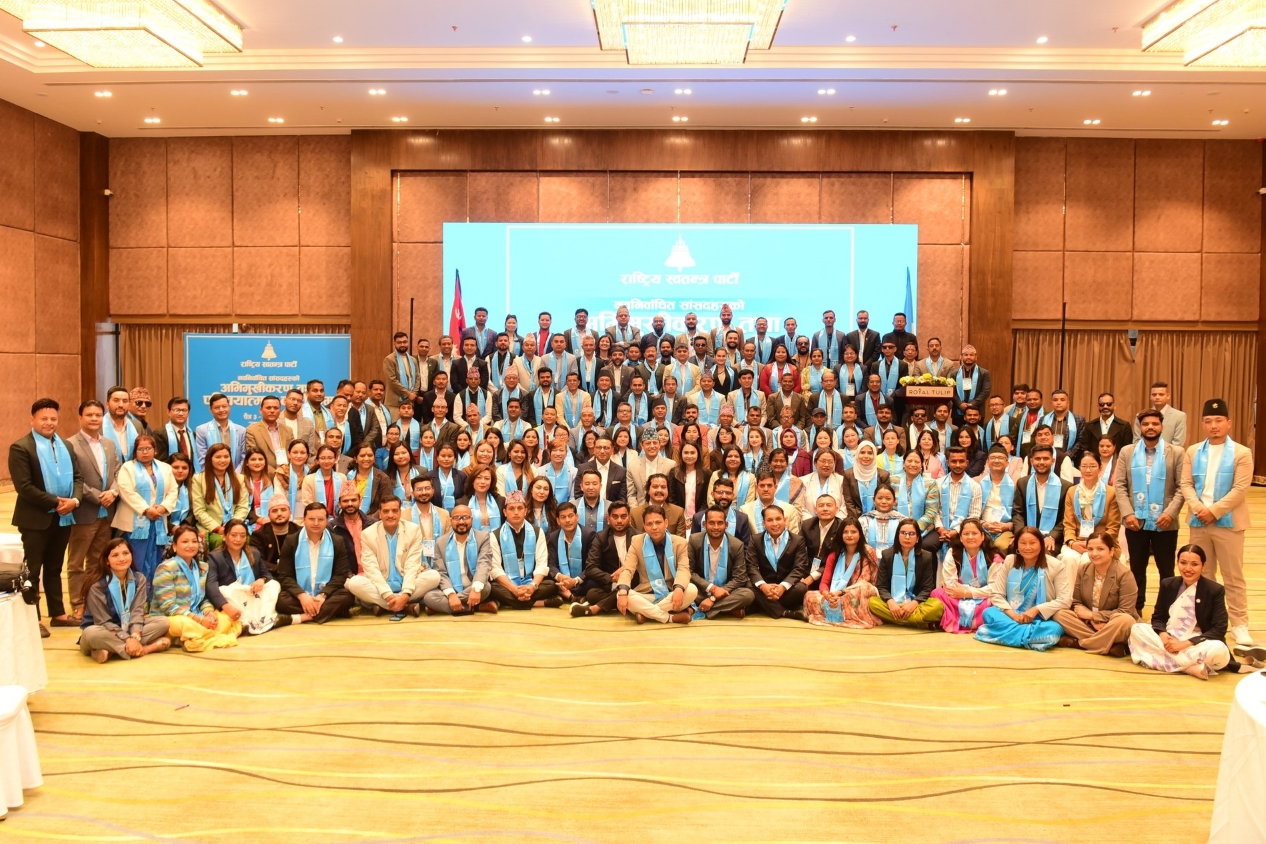
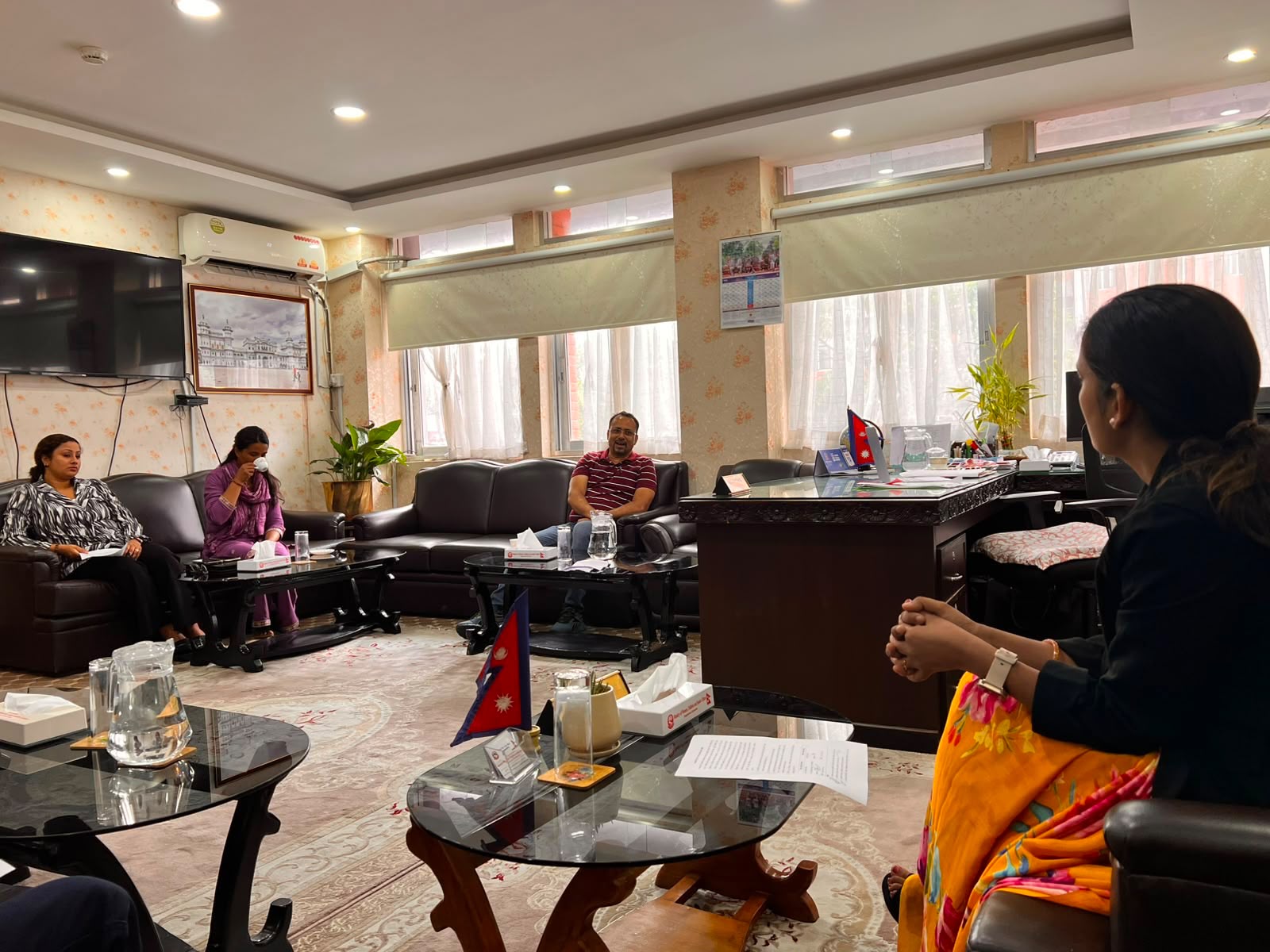
Newly elected Members of Parliament attending the RSP’s orientation program
Since no party secured a majority in that election either, President Bhandari appointed Pushpa Kamal Dahal, the leader of the CPN (Maoist Centre) parliamentary party, as Prime Minister on December 25, 2022, under Article 76 (2) of the Constitution. Dahal became Prime Minister after submitting signatures with the support of seven parties, including CPN (UML), CPN (Maoist Centre), and the Rastriya Swatantra Party (RSP), along with three independent MPs.
This time, for the first time since the drafting of the new Constitution, a government is being formed under Article 76 (1). That sub-article states, ‘The President shall appoint the leader of the parliamentary party that commands a majority in the House of Representatives as the Prime Minister, and the Council of Ministers shall be constituted under his or her chairmanship. “Additionally, preparations are underway to form the government after the MPs’ swearing-in ceremony.
Having crossed the clear majority threshold in the election on March 5 and securing close to a two-thirds vote (182 seats), the RSP is forming a single-party government. No other party had received such an opportunity in the previous two elections.
The Federal Parliament Secretariat is preparing to administer the oath of office and secrecy to the newly elected members of the House of Representatives on March 26. There is a legal provision that MPs must take their oath before the person presiding over the House of Representatives, while the presiding officer must take their oath from the President. According to this provision, the eldest member, Arjun Narsingh KC, will take his oath from President Ram Chandra Paudel on March 25 and will then administer the oath to the MPs. KC will also preside over the first meeting of the House of Representatives.

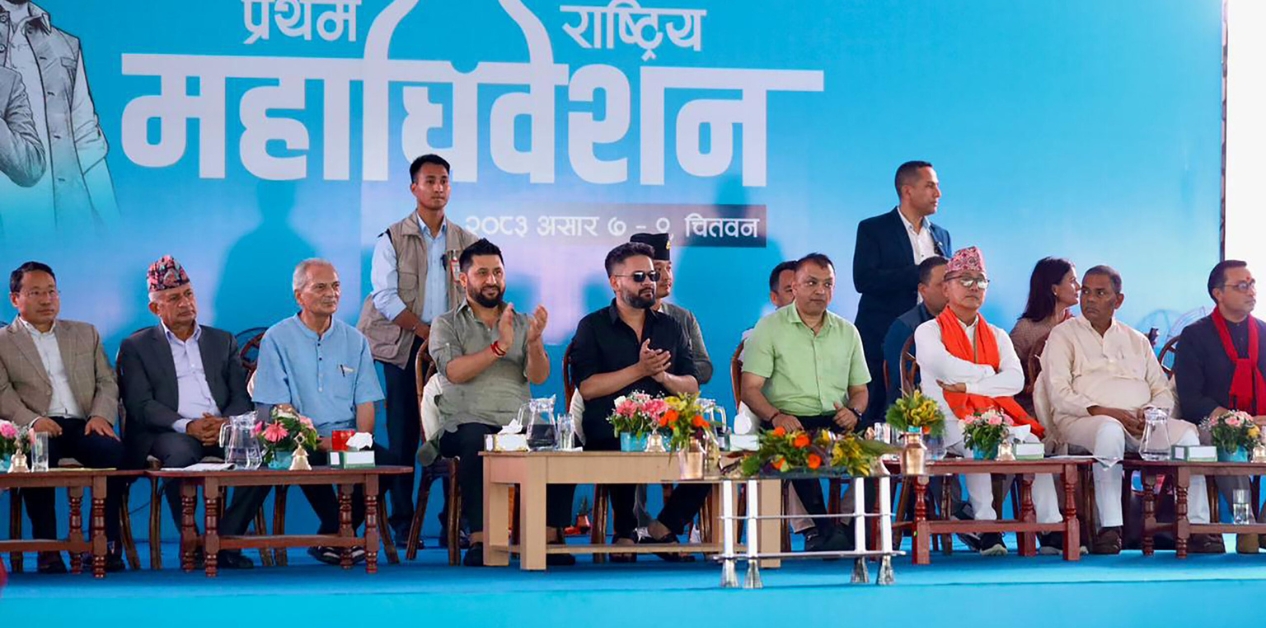
RSP Chairman Rabi Lamichhane (left) and Senior Leader Balendra Shah (right)
A notice was published on March 19 by the General Secretary of the Federal Parliament, Padam Prasad Pandey, calling upon the newly elected MPs to attend the swearing-in ceremony in formal attire.
As per the pre-election promise, the RSP is set to make Balendra Shah (Balen) the parliamentary party leader, and he is scheduled to take the oath of office and secrecy on March 27. The President’s Office, however, stated that no formal information regarding the Prime Minister’s swearing-in had been received as of Sunday evening. “We have not yet received formal information,” says Ritesh Kumar Shakya, spokesperson for the President’s Office.
Senior Advocate and constitutional expert Purna Man Shakya states that there is no objection even if a prime minister is appointed before the House of Representatives oath after a new election. “This time, it appears they will select the parliamentary party leader and recommend them for prime minister after the MPs have taken their oaths,” he says. “In other countries like the UK and India, the practice is for the party that wins a clear majority after an election to appoint a parliamentary party leader and announce the prime minister.”