Kathmandu
Saturday, June 13, 2026





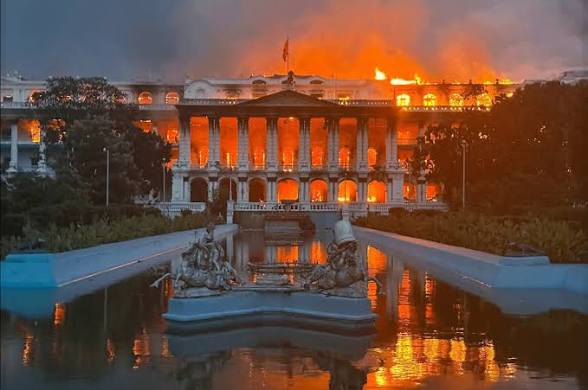
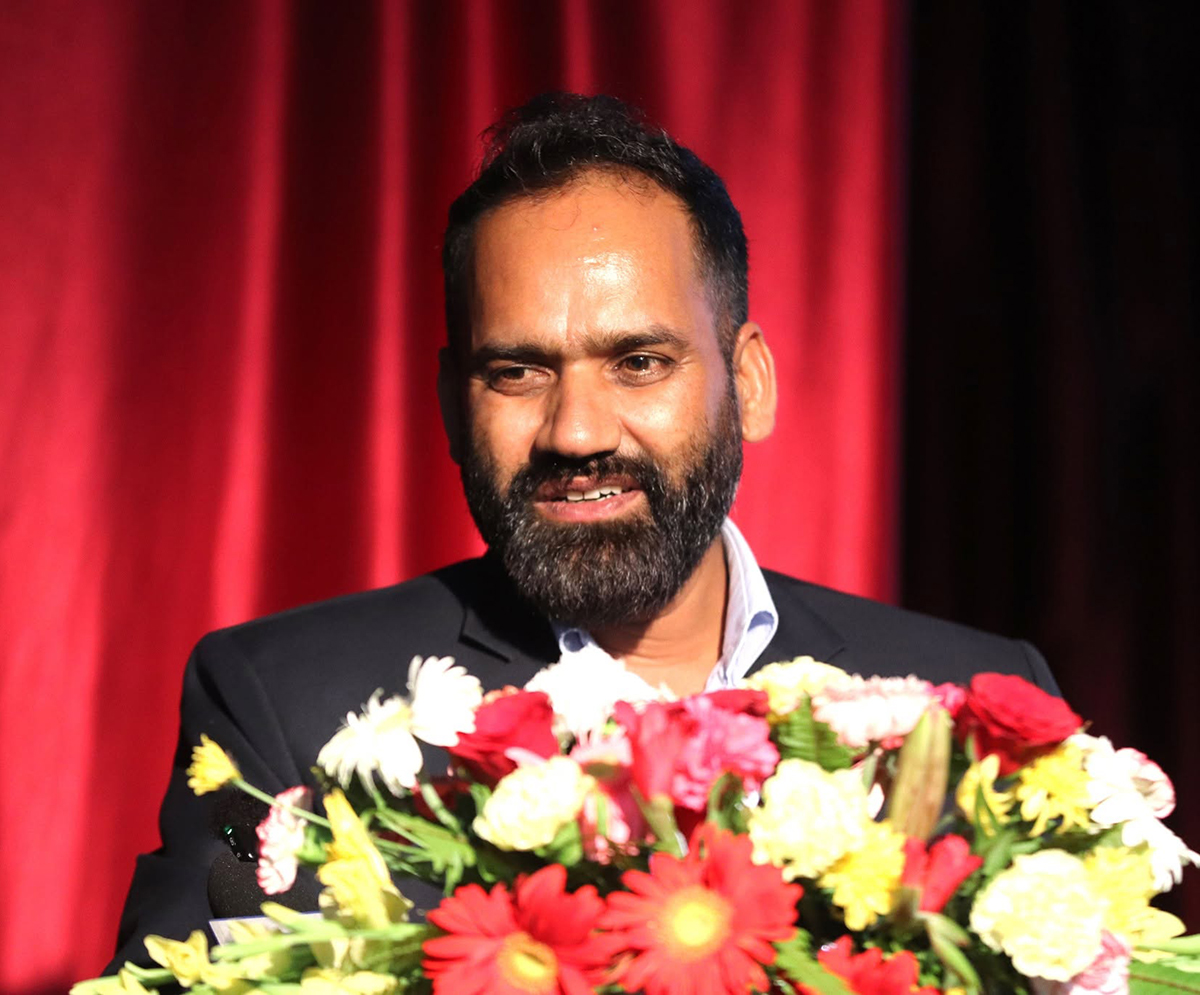
KATHMANDU: Rajesh Upreti, a Senior Superintendent of the Armed Police Force (APF) who was deployed to coordinate security at Singha Durbar on September 9, 2025 (Bhadra 24), has provided a detailed first-hand account to the Gauri Bahadur Karki-led investigative commission into the violence that day.
According to the full report obtained by Nepal News-which has yet to be made public-SSP Upreti stated that despite the situation turning volatile and life-threatening, security forces under his command exercised maximum restraint and did not open fire on the mob. His testimony offers a rare, ground-level account of the chaos that unfolded inside the country’s main administrative complex. Here is English translation of his testimony:
“On September 9, 2025 (Bhadau 24), I was deployed in a coordinating role for the team securing Singha Durbar. Following orders from Headquarters to maintain contact with the Pashupatinath Battalion Headquarters, I reached Singha Durbar around 8:45 AM; my callsign was K-7. According to the security plan, the Armed Police Force and Nepal Police were deployed jointly. Initially, we tried to reason with and stop the approximately 4,000 to 5,000 protesters coming from the Bhadrakali side outside the main gate for about half an hour.
However, as time passed, the psychology of the crowd suddenly shifted. The peaceful-looking crowd gradually turned aggressive, pushing against us until they reached the wall. We used tear gas shells to push them back, but as the mob became even more violent, I had to make the decision to move the team inside through the small side door. During this, I deeply felt how complex and dangerous crowd control can be. Due to the events of the previous day, there was a sense of hesitation among security personnel, and reports of vandalism and arson at other locations coming over the radio sets further increased the mental pressure.
I experienced firsthand that when a mob reaches a state where they don’t care about the consequences or even their own lives, they become even more lethal. I could hear provocative shouts from within the crowd like, ‘The security forces won’t fire today, keep moving forward,’ which made the situation even more sensitive. That day, no lethal weapons were fired by the team under my command. Until about 3:10 PM, the joint team of the Armed Police Force and Nepal Police used gas guns and lathi charges to disperse the protesters.
However, the situation became extremely grave toward the West Gate when some individuals began pointing SLR rifles toward us. At that moment, we had two choices: open fire on the armed individuals or retreat. I saw that firing would lead to massive human casualties, so I used my own discretion and decided not to fire. There was no situation where I could even ask for an order.
In the midst of this, I saw the mob pulling a female police officer and moved forward to rescue her; it was then that I was struck in the head by a brick thrown from close range, sustaining a minor injury. Some APF personnel with me also sustained minor injuries, but no one was seriously hurt. The Nepali Army was also present there and fired warning shots into the air to push the crowd back, but I have no direct knowledge of the Army’s internal duties or decision-making process.
Looking at the nature of the protest, the ‘Gen Z’ youth seen initially started disappearing, and individuals with the intent to burn down Singha Durbar, who were even cocking weapons, came to the front. Therefore, I feel there was planned infiltration in this movement. The Gen Z youths themselves were saying ‘We shouldn’t enter Singha Durbar,’ but the violent activities seen later do not seem to have happened without a prior plan.
The overall sequence of events made me feel that our crowd control capacity, equipment, and preparation are still inadequate. I felt a lack of non-lethal equipment like body cameras, drones, and water cannons, and it was clear that the command and control system needs to be further strengthened. I concluded that regular joint exercises, simulation training, and clear operational SOPs between both police organizations are essential. Furthermore, until clear legal and institutional boundaries are set regarding when the Nepal Police and when the Armed Police Force are deployed, the situation of ‘everyone’s responsibility is no one’s responsibility’ may repeat itself.
To prevent such incidents in the future, I believe this should be viewed not just as an individual’s weakness, but as a matter of systemic reform. I see measures like early warning systems, unified SOPs, mechanisms to control rumors spreading through social media, crisis coordination between security agencies, dialogue with youth, and community policing as indispensable. It is my view that only if the commission evaluates the incident impartially-reviewing the chain of command, decision-making, and potential human rights violations from both sides-and makes implementable recommendations, can such tragic incidents be stopped in the future.”