Kathmandu
Monday, June 15, 2026





KATHMANDU – The Gauri Bahadur Karki-led investigative commission, formed by the interim government to probe the suppression and destruction during the Gen-Z movement on September 8 and 9, 2025 (Bhadau 23–24), has submitted its final report. Although the Sushila Karki-led government received the document following the March 05 elections, it has yet to be officially made public, citing ongoing “study” of the findings.
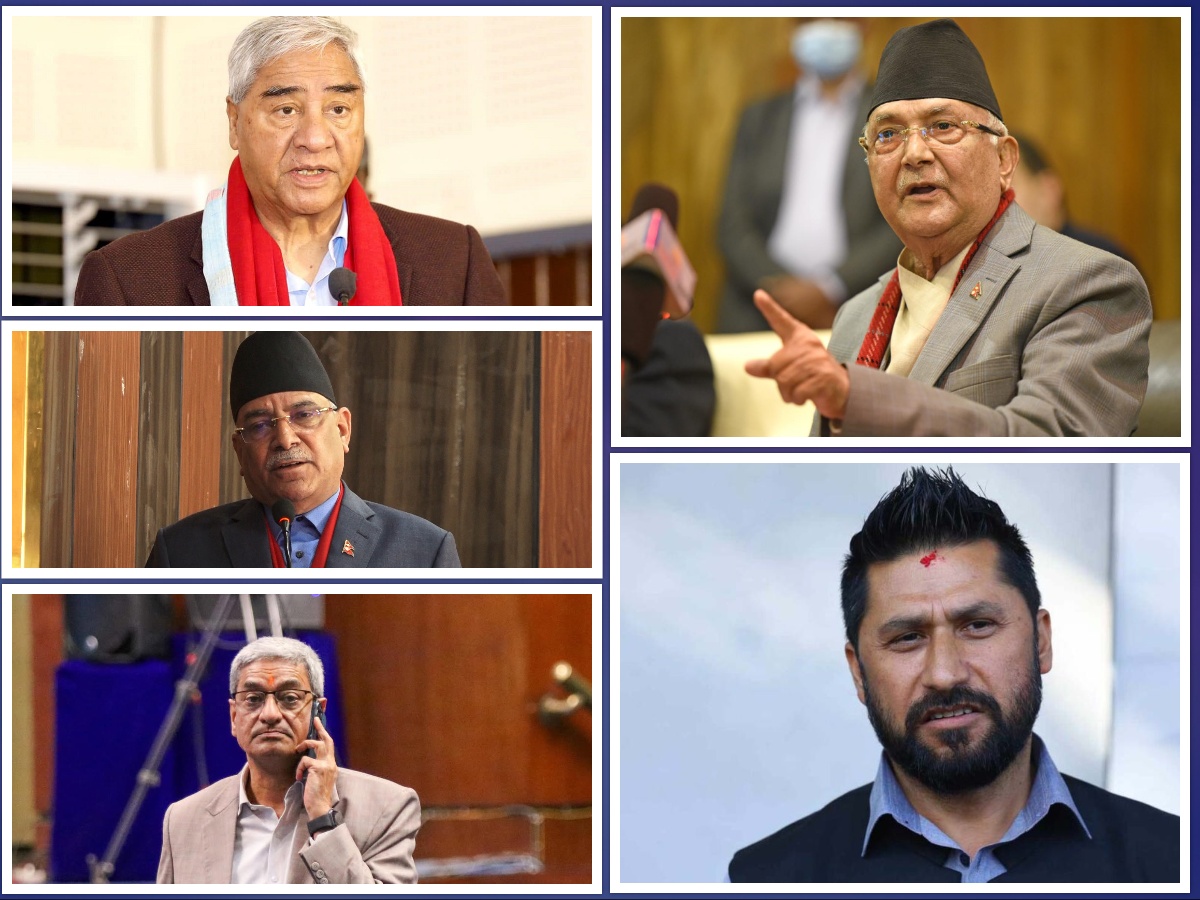
Despite the official delay, Nepal News has obtained the 907-page report. The commission has recommended criminal prosecution and prison sentences ranging from 3 to 10 years for then-Prime Minister K.P. Sharma Oli, Home Minister Ramesh Lekhak, and then-IGP Chandra Kuber Khapung for their roles in the deadly suppression of protesters on September 8, 2025.
The report, prepared over six months, contains exhaustive testimonies from the nation’s top political figures. Below are the key highlights of the statements provided to the commission:
K.P. Sharma Oli: “My Role was Not to Give Direct Police Orders”
Then-Prime Minister and UML Chairman K.P. Sharma Oli argued that the violence was orchestrated by “infiltrators” who hijacked the Gen Z agenda for their own motives. He claimed the September 8 escalation was a result of planned provocation.
Oli shifted much of the operational accountability to his Home Minister. “The Home Minister chairs the Central Security Committee and holds all sensitive information. I directed the commission to seek answers from him,” Oli stated. He further asserted that a Prime Minister does not issue direct orders to the police and should not be held personally accountable for field-level incidents. He described the attacks on the Parliament, Singha Durbar, and the Supreme Court as “unimaginable and barbaric,” claiming that the youth had publicly admitted their peaceful movement was “hijacked.”
Sher Bahadur Deuba: “It was a Pure Conspiracy”
Former PM and Nepali Congress President Sher Bahadur Deuba described the events as a “pure conspiracy” against him. He testified that on the morning of September 9, protesters gathered at his private residence, and he was physically assaulted despite security presence, claiming he was only saved by a few Gen Z youths.
Regarding allegations of large sums of cash found at his residence, Deuba dismissed them as “AI-generated” fabrications. “The amount mentioned in the police report was not significant. The social media claims are part of a conspiracy, though I do not know who is behind it,” he stated. He denied any political interference in police operations during the riots.
Ramesh Lekhak: “Infiltration Confirmed by Gen-Z Leaders”
Then-Home Minister Ramesh Lekhak testified that the attacks on historical state structures could not be dismissed as mere “emotional outbursts.” He claimed security agencies had warned of rising anger on social media prior to the event.
Lekhak argued that the Gen Z leaders themselves had appealed for their peers to go home after realizing the movement was being turned violent by outside elements. He maintained that as Home Minister, his role was limited to policy guidance and political coordination, not direct field command.
Pushpa Kamal Dahal ‘Prachanda’: “An Attack on the Democratic System”
The CPN (Maoist Centre) coordinator testified that while the social media ban initially provoked the youth, the movement was later misused by “wrong elements” on September 9. He stated that the attacks on his rented residence in Kathmandu and his home in Chitwan were planned strikes against the democratic system itself.
Prachanda also addressed rumors regarding illegal cash found at his daughter Ganga Dahal’s house, calling them “completely baseless and imaginary.” He noted that he had publicly appealed for the protesters killed on September 8 to be declared martyrs.
Rabi Lamichhane: “I was Forced Out of Prison Against My Will”
In a notable testimony, RSP President Rabi Lamichhane claimed that on September 9, 2025 prison leadership informed him of an “abnormal situation” outside Nakkhu Jail and urged him to leave for his own safety.
“I refused to leave without a court order,” Lamichhane testified. However, he claimed the administration insisted he address the crowd to calm them down. He alleged that as police panicked, the mob pushed him outside. “I was handed over to the mob against my will,” he claimed, adding that he later learned the prison administration had prepared a release letter without his involvement. He returned to jail on September 12 once security was guaranteed.