Kathmandu
Tuesday, July 28, 2026





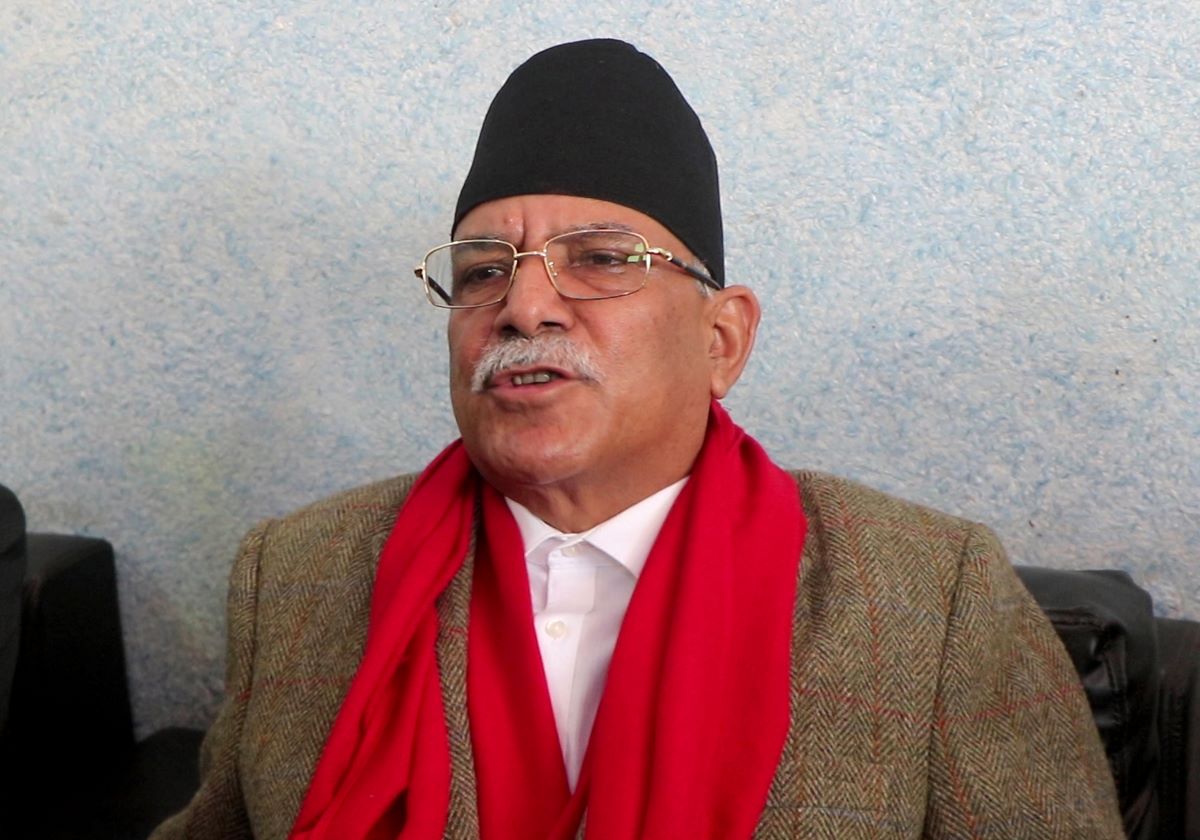
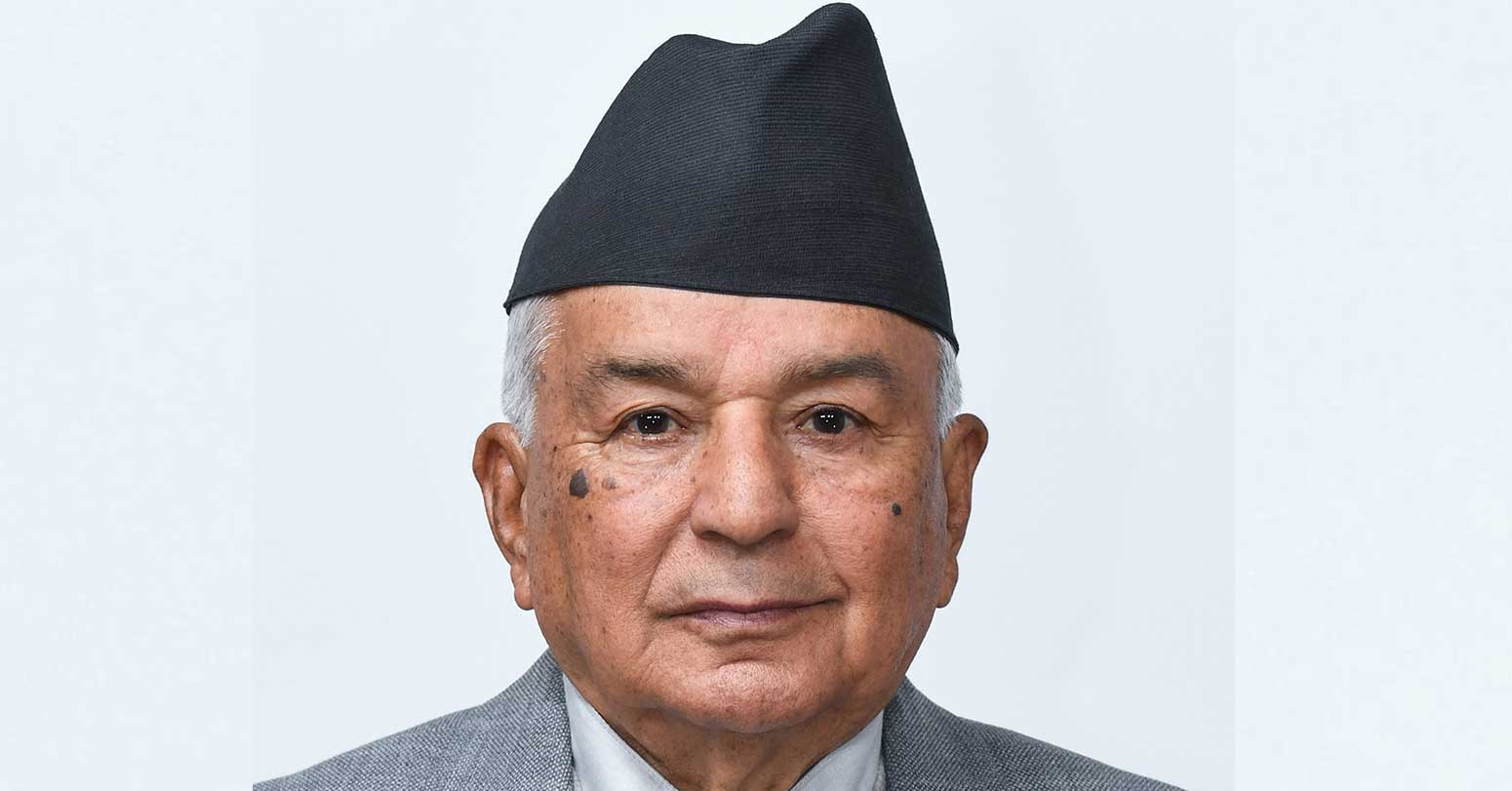
KATHMANDU: Former Prime Minister and Nepali Communist Party Coordinator Pushpa Kamal Dahal ‘Prachanda’ has categorically dismissed reports claiming that illicit cash was discovered at his daughter’s residence during the “Gen-Z” uprising. In a statement provided to the high-level inquiry commission led by former judge Gauri Bahadur Karki, Prachanda labeled the allegations as “baseless” and a deliberate attempt to defame his family.
Testimony to the commission, Prachanda clarified his personal living situation, noting that he does not own a home in the capital. “On September 9 (Bhadau 24), both my rented residence in Kathmandu and my house in Chitwan were subjected to vandalism, arson, and looting,” he stated. “The rumors regarding the discovery of illegal cash at my daughter Ganga Dahal’s home are entirely unfounded. No such cash was found, nor have we ever generated income from illegal sources.”
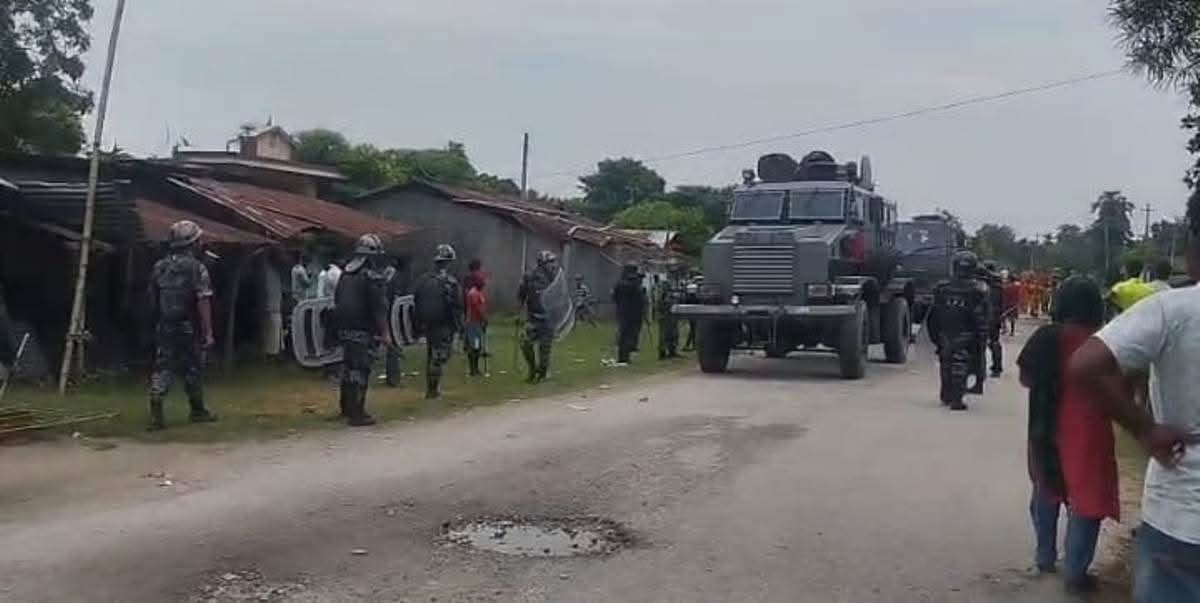
Prachanda characterized the widespread violence on September 9-which targeted Singha Durbar, Shital Niwas, the Parliament, and the Supreme Court-as more than just public anger against the government. He described the events as a “planned assault” intended to dismantle the current political system.
“The attacks on sensitive government and private installations were a coordinated attempt to strike at the very foundation of our governance,” Prachanda testified.
While maintaining that his party supports the underlying spirit of the Gen-Z movement, Prachanda distanced the organization from the ensuing violence. He emphasized a zero-tolerance policy for any party members found to be involved in criminal activities. “Our position is clear: if anyone associated with our party is proven to have engaged in illegal acts, they must face the full force of the law,” he asserted.
Prachanda pointed toward evidence of both internal and external infiltration within the protests. He noted that by the evening of September 8, 2025 many youth leaders had already sensed a shift in the movement’s nature and had urged their peers to return home. According to Prachanda, “The subsequent events indicate that malicious elements exploited the emotions of the youth for their own agendas.”
Concluding his testimony, Prachanda defended his administrative record, specifically highlighting his efforts to promote meritocracy during his tenure as Prime Minister. He cited the appointment and promotion processes at Tribhuvan University as a primary example of his commitment to institutional reform and fair practice.
Here is Prachdna testimony in commission report in page 32 & 32:
“I had issued a public appeal to condemn the suppression on September 8, to declare the deceased protesters as martyrs, and to normalize the situation; I also called for an all-party meeting the following day. On the morning of September 9, 2025, I participated in the all-party meeting at Singha Durbar, and as the situation grew complex, I remained under the protection of security agencies. In my understanding, the background of this movement was the growing public dissatisfaction and anger toward the government’s working style. The ban on social media appears to have been the immediate trigger. While September 8 saw an outburst of youth anger, I have concluded that the nature of the movement changed on the 9th, and malicious elements exploited it.
On September 9, my rented residence in Kathmandu and my house in Chitwan were subjected to vandalism, arson, and looting. I do not own a house in Kathmandu. The rumors that illegal cash was found at my daughter Ganga Dahal’s house are baseless; no such cash was found, nor have we earned income from any illegal sources. The vandalism and arson at Singha Durbar, Shital Niwas, Parliament, the Supreme Court, and various buildings on the 9th were not just an expression of anger against the government, but a planned attempt to strike at the political system itself. While my party supports the spirit of the ‘Gen Z’ movement, we have no involvement in violent activities. If any person associated with our party is proven to be involved in illegal acts, it is our clear stance that they must face legal consequences.
There appears to be a possibility of both internal and external infiltration in the events of September 9. Protesting youths had already urged their peers to return home on the 8th, citing infiltration. The subsequent events indicate that wrong elements exploited the feelings of the youth. During my tenure as Prime Minister, I attempted to prioritize meritocracy in appointments and promotions. The practices adopted at institutions like Tribhuvan University are exemplary. Political interference has negatively impacted the professionalism of the police, civil service, and judiciary, though this is not the only reason—the political system, economic structure, and geopolitical location are also responsible. Under my leadership, various efforts were made for good governance, social justice, and economic reform. I believe the reality of public anger can be understood by objectively evaluating those policies and programs.
Trade union rights are constitutional, but state machinery should not be used as a political playground. Appointments and promotions in the civil service must be based on merit and experience. Student organizations should play a role in educational reform rather than disrupting classes. To prevent such incidents in the future, pro-people programs for economic and cultural development must be conducted.
Specifically, policies ensuring youth-centric opportunities and employment are essential. I expect the commission to evaluate these matters objectively without any preconceived notions.”