Kathmandu
Monday, July 27, 2026





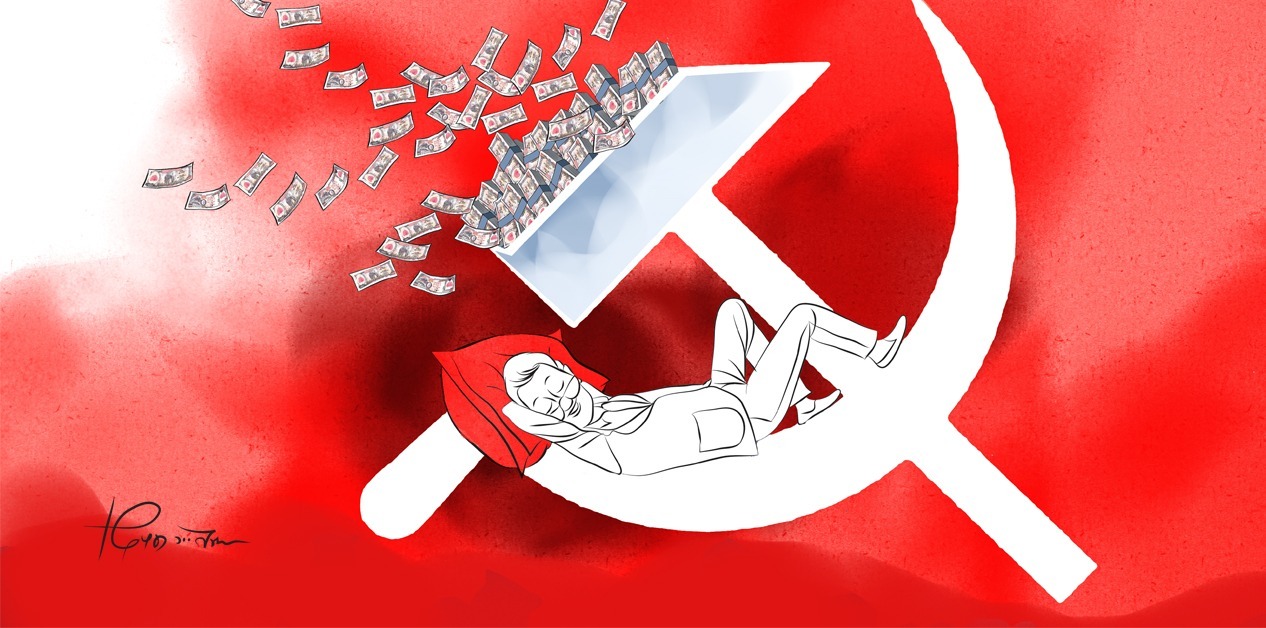
KATHMANDU: Tax Settlement scandal ranks among the Nepal’s most consequential and contentious fiscal controversies-an episode that lays bare the uneasy intersection of law, discretion and state revenue. It burst into the spotlight after the 54th audit report of the Office of the Auditor General revealed that more than Rs 21 billion in tax liabilities had been waived for a range of firms by Tax Settlement Commission chaired by Lumba Dhwaj Mahat.
Established in 2015 to resolve long-pending disputes, the body reviewed taxes worth Rs 30.52 billion but settled them at just Rs 9.54 billion, raising sharp questions about transparency, legality and intent. What was conceived as a pragmatic mechanism to unlock disputed revenue has instead come to symbolize institutional overreach.
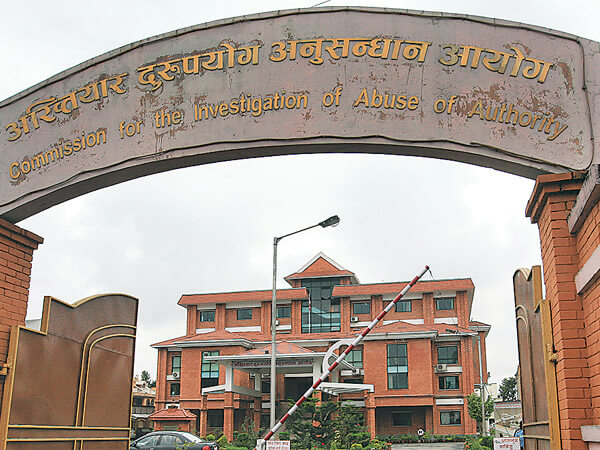
The audit findings suggested opaque decision-making and a substantial loss to the exchequer, prompting an investigation by the Commission for Investigation of Abuse of Authority. The anti-corruption agency has since filed cases at the Special Court against all three members of the commission, seeking to recover over Rs 10 billion from each. However, the Supreme Court has annulled the Special Court’s decision and directed for new hearing from Special Court.
What follows is a closer look at how a body meant to settle disputes instead ignited one of Nepal’s most far-reaching debates over tax justice, governance and accountability. Nepal News presents you all insight on various aspects of controversial tax settlements:
How was the Tax Settlement Commission formed, what was its mandate, and how did it turn into a major controversy and legal dispute?
The Tax Settlement Commission (TSC) was formed by the Government of Nepal in February 2015 under the Tax Settlement Commission Act, 1976, with the primary objective of resolving long-pending tax disputes and recovering unpaid taxes.
The Commission was chaired by Lumba Dhwaj Mahat, with Umesh Prasad Dhakal as a member and Chudamani Sharma serving as member secretary. Notably, Mahat had also been involved in a previous commission formed in 2007.
The Commission was mandated to assess and settle tax disputes filed up to mid-April 2013. Its formation came after a seven-year gap and was partly driven by demands from the private sector, which argued that many genuine taxpayers were stuck in unresolved disputes.
According to the 1976 Act, the Commission was to consist of three experts in tax matters, with decisions made collectively and based on majority opinion. However, the Commission soon became one of the most controversial institutions in Nepal’s fiscal history.
According to the 54th report of the Office of the Auditor General, the Commission settled tax disputes worth Rs 30.52 billion while granting exemptions as high as 68.73 percent. Critics argued that such large-scale waivers violated the spirit of existing tax laws, particularly the Income Tax Act, which states that only Parliament has the authority to waive or reduce taxes.
Legal and constitutional questions also emerged. While the Tax Settlement Commission Act suggested that its decisions could not easily be challenged, constitutional principles hold that all decisions—except those made in Parliament—are subject to judicial review. This contradiction raised concerns that the Commission had acted beyond its legal authority. The controversy escalated into a full legal battle when the Commission for Investigation of Abuse of Authority filed a corruption case on June 23, 2021.
The accusation was that Commission officials had illegally granted massive tax exemptions in violation of both the 1976 Act and a 2015 government gazette notification. The CIAA claimed that the actions caused a loss of Rs 10.96 billion to the state.
In June 2023, the Special Court found the three key officials guilty of corruption. Lumba Dhwaj Mahat was sentenced to nine years and one month in prison, while Umesh Prasad Dhakal and Chudamani Sharma were each given nine-year sentences. All three were also fined Rs 4.10 billion each, with the court holding them responsible for causing massive losses to the state.
The case did not end there. In July 2025, the Supreme Court of Nepal overturned the Special Court’s verdict in a related Rs 6.16 billion corruption case, citing procedural flaws, and ordered a retrial. This means the legal dispute remains unresolved and continues to be one of Nepal’s most significant corruption cases.
Amid the controversy, the Finance Committee of Parliament even directed the government to scrap the Tax Settlement Commission Act, 1976. Meanwhile, former Finance Minister Ram Sharan Mahat defended the formation of the Commission, stating that it was created in accordance with the law to address long-standing tax disputes, though critics argue that its implementation led to large-scale misuse.
What began as an effort to resolve tax disputes evolved into a major national controversy involving allegations of corruption, legal loopholes, institutional misuse, and ongoing judicial battles that are yet to be fully settled.
What controversial practices did the Tax Settlement Commission follow, and how did they affect public revenue?
The Tax Settlement Commission made several highly controversial decisions, most notably the practice of effectively returning already admitted tax amounts to taxpayers. In some cases, the final settled amount was even higher than what companies themselves had proposed in their applications.
In others, while the Commission decided to recover only a minimal portion of the due tax, it went further and routed previously collected amounts back to the companies. Analysis of the report shows that more than half a dozen taxpayers were treated in this manner.
According to an official from the Office of the Auditor General, some companies even received a full discount on their principal tax amounts. In at least nine such cases, a total of Rs 78.2 million was effectively returned from the state treasury.
One example is Tea Estate, which was originally liable to pay Rs 79.9 million. The Commission decided to collect only Rs 2.6 million, but, in a striking reversal, the company received Rs 26.5 million from the state instead.
Similar outcomes were observed in cases involving Nepal Credit and Commerce Bank, Everest Bank, Rebarn International, and Rolling River Distillery, where companies ended up benefiting more than what they had initially requested. Officials within the Commission have attributed such decisions to the misuse of provisions in the Tax Settlement Act of 1976, which prevents Commission decisions from being challenged in court.
In some extreme cases, the Commission did not recover any amount at all, fully waiving the entire tax liability. One cited example involves a company that had earlier agreed to pay Rs 43 million out of Rs 990 million, but ultimately paid nothing as the full amount was waived.
Another major area of concern is the preferential treatment given to distillery companies. Tax discounts are typically justified under specific conditions, such as bankruptcy, liquidation, or severe losses due to natural disasters. However, these conditions did not apply to most distilleries.
Despite this, ten distillery companies received tax discounts ranging from Rs 5.9 million to Rs 3.29 billion. Altogether, the Commission granted Rs 5.20 billion in discounts to these companies, even though their total tax liability stood at Rs 5.24 billion.
Among seven of these companies, each received VAT-related discounts of up to Rs 1.29 billion. This is particularly controversial given that liquor is considered a luxury product in Nepal and is subject to increasing excise duties each year. Despite rising taxes and tariffs on alcohol, the Commission’s decisions effectively favored distillery companies by allowing them to pay only a fraction of their dues.
The Commission’s operational timeline also drew criticism. Initially, it invited applications for tax settlement but received only 153 submissions. To increase participation, it sought and obtained cabinet approval to extend the deadline. Formed in January 2014 with a five-month mandate, the Commission’s tenure was first extended by three months due to low application numbers.
The April 2015 earthquake was then used as a justification for further extension, even though both taxpayers and Commission officials had been inactive in the months prior. The disaster was presented as a reason for insufficient applications, allowing the Commission’s tenure to be extended until September 2015.
Former Finance Minister Ram Sharan Mahat publicly stated that the earthquake had hindered the Commission’s work, though he refrained from commenting on its decisions, noting that the matter was under investigation by the Commission for Investigation of Abuse of Authority and the courts.
When questioned about the rationale behind forming the Commission, Mahat argued that it was intended to resolve long-pending and difficult-to-recover tax cases, including those involving bankrupt companies. However, he also stated that he was unaware of the scale of tax discounts granted, emphasizing that such decisions were made independently by Commission officials, who should ultimately be held accountable.
Overall, these findings raise serious concerns about misuse of legal provisions, preferential treatment for certain industries, and decisions that may have directly undermined public revenue collection.
What were the main reasons behind such a huge financial loss caused by the Tax Settlement Commission?
The loss of around Rs 24 billion to the state coffers is largely attributed to how the Tax Settlement Commission interpreted and applied its legal mandate. The Tax Settlement Commission Act, 1976 clearly states that the Commission should settle disputed taxes in “good faith” for the country’s economic benefit. However, this “good faith” clause appears to have been widely misused, allowing the Commission to justify large-scale tax waivers that ultimately harmed public revenue.
One of the key factors was the Commission’s departure from its original purpose. It was intended to resolve tax issues of bankrupt, insolvent, or financially distressed companies that were genuinely unable to pay. Instead, the Commission granted substantial tax waivers to financially strong and profit-making firms, many of which were operating successfully and owned by wealthy individuals.
This shift significantly undermined the rationale behind its formation. Another major issue was the handling of Value Added Tax (VAT). The Commission waived at least Rs 770 million in VAT for sectors such as distilleries, hotels, and construction companies. This is particularly serious because VAT is not a company’s own tax—it is collected from consumers and must be deposited into the state treasury.
By treating VAT as a disputable tax and waiving it, the Commission effectively allowed businesses to retain public money. The problem goes even deeper. Businesses had collected 13 percent VAT from consumers with the obligation to transfer it to the government. Instead, the Commission categorized these amounts as disputed taxes and waived them. This not only caused direct revenue loss but also undermined the integrity of the tax system.
In some cases, the Commission went beyond waiving taxes and actually returned money already paid to the state. For instance, Rs 78.2 million was refunded to nine taxpayers. This suggests that the total loss could be even higher than estimated. Such actions are widely viewed as not only violations of tax principles but also as serious financial misconduct.
There were also extreme examples of disproportionate settlements. In one case, a distillery with a disputed tax liability of Rs 3.29 billion was asked to pay only Rs 39.9 million, receiving a waiver of over 99 percent. In another case, a firm with a tax dispute of Rs 446.6 million was required to pay just Rs 10,000. These figures highlight how drastically liabilities were reduced.
According to observations from the Office of the Auditor General, these findings represent only a partial review, suggesting that the actual scale of VAT waivers and financial losses could be even larger upon full investigation.
The major factors behind the loss include misuse of the “good faith” provision, granting waivers to financially strong companies instead of distressed ones, improper handling and waiver of VAT collected from consumers, refunding already paid taxes, and making extreme and disproportionate settlement decisions. Together, these actions point toward systemic flaws, weak oversight, and possible deliberate misuse of authority, resulting in one of the largest revenue losses in Nepal’s fiscal history.
Who were the major beneficiaries of tax waivers by the Tax Settlement Commission?
The Tax Settlement Commission granted significant tax waivers to several large private firms, raising serious concerns about fairness and accountability in Nepal’s tax system. While the Commission decided to recover a total of Rs 9.5461 billion from companies, many of them public enterprises, the broader data shows a clear imbalance in how taxes were settled.
Out of the total liabilities reviewed, public agencies bore a disproportionate share of the burden. Around 57 percent of the recovered amount came from government entities, with the Commission targeting Rs 5.4436 billion out of Rs 11.8566 billion from them. In contrast, private companies were often given heavy discounts.
In overall terms, the Commission handled tax liabilities worth Rs 30.52577 billion but chose to recover only Rs 9.5461 billion, waiving a massive Rs 20.97966 billion. Another breakdown shows that out of Rs 18.668 billion, only Rs 4.10242 billion, or about 22 percent, was actually collected, with the rest written off.
This pattern suggests that the Commission was stricter with public institutions while offering generous concessions to private firms. One of the most controversial aspects was the treatment of Value Added Tax (VAT). A total of 12 taxpayers received a 100 percent waiver on VAT, which is particularly problematic because VAT is collected from consumers and held by businesses on behalf of the state. Waiving VAT effectively means returning public money to private entities. Specific company cases highlight the scale of these benefits.
Triveni Distillery, for example, had a total tax liability of Rs 3.3315 billion, but the Commission recovered only Rs 39.9 million, waiving Rs 3.2916 billion, a discount of nearly 99 percent. Even more striking, out of Rs 708.7 million in VAT collected from alcohol consumers, only Rs 12.4 million was recovered.
Similarly, Saurabh Photo International had a tax liability of Rs 46.685 million but was required to pay just Rs 10,000, receiving a 99.9 percent discount and a financial benefit of Rs 46.675 million. Other companies associated with the Saurabh Group also received similar concessions. Formed in 2014, the three-member Commission’s decisions, later detailed in its 2015 report, reveal a consistent pattern of aggressive recovery from public entities and substantial relief for private corporate taxpayers. These findings have fueled concerns about transparency, equity, and the possible misuse of state mechanisms to benefit select business interests.
Did trading companies and non-applicants receive unfair tax benefits from the Commission, and what does the data show?
A closer and more subjective analysis of the Commission’s records suggests that trading companies were among the biggest beneficiaries of tax waivers. According to available data, 47 companies categorized as “traders” were supposed to pay a total of Rs 1.8 billion in taxes. However, they deposited only about Rs 287.9 million, which is roughly 16 percent of their liability, while the remaining 84 percent was waived.
This is particularly controversial given the nature of trading businesses. Trading companies typically import goods and sell them to consumers while keeping a margin, without producing goods themselves. They are generally considered lower-risk ventures compared to manufacturing industries.
For this reason, tax policy usually treats trading companies more strictly than production-based firms. However, the Commission appears to have adopted a reverse approach by granting them substantial tax discounts, including on Value Added Tax (VAT). Further records show that out of Rs 813.7 million in recoverable taxes from trading companies, the Commission granted discounts worth Rs 690.8 million.
This decision has been widely criticized as unfair to consumers and indicative of a misuse of public funds, effectively favoring trading businesses at the expense of state revenue.
Another highly controversial finding is that even non-applicants—taxpayers who did not formally apply for tax settlement—received tax discounts. Around a dozen such companies appear in the settlement list.
Among them, three companies received tax waivers exceeding Rs 10 million, while others received smaller amounts. One notable case is Laxmi Bank, which did not appear in the official list of applicants but received the highest discount among non-applicants. The bank had previously agreed to pay Rs 27.5 million, yet benefited from a waiver.
Similarly, Avco International and Kathmandu Maida Mill had tax liabilities exceeding Rs 10 million that were written off. The situation is further complicated by missing documentation. Detailed records for several cases could not be retrieved, leaving parts of the total tax discount “uncalculated.”
The Internal Revenue Department itself confirmed that tax discounts were granted to non-applicants. Officials noted that despite directions from the Commission for Investigation of Abuse of Authority to review the files, they were unable to locate the relevant applications. It is believed that some files were either lost or never properly recorded.
In some instances, decisions appear to have been made at the last moment in favor of companies that had not even submitted applications. These findings raise serious concerns about transparency, procedural integrity, and the possibility of deliberate manipulation within the tax settlement process.
What did the report’s figures say about pending applications, tax deniers, and how the Tax Settlement Commission handled large taxpayers?
According to the report, a significant number of cases were still unresolved within the formal system. A total of 147 settled applications were pending at administrative scrutiny, while 128 were pending at the Revenue Tribunal.
In addition, 44 applications were categorized under cases pending at court and change in revenue title, mostly filed by taxpayers disputing their due tax amounts. Altogether, this indicates that 90 taxpayers out of 1,069 effectively remained tax deniers.
Under normal legal provisions, once tax is assessed, taxpayers are obligated to pay. If they believe the assessment is unfair, they can seek justice through a three-tier process. The first level is administrative review by the Director General of the Internal Revenue Department. If unsatisfied, taxpayers can appeal to the Revenue Tribunal, led by appellate court judges. The Supreme Court serves as the final authority.
Despite this structured process, the Commission granted heavy discounts to nearly 65 percent of taxpayers who had bypassed or defied these legal mechanisms. The total disputed liability of such tax deniers stood at Rs 9.73 billion, or about 32 percent of the total. The scale of tax discounts given to large taxpayers is also striking. A total of 26 taxpayers received tax discounts exceeding Rs 100 million, while three companies received more than Rs 1 billion in waivers.
The largest beneficiary was Triveni Distillery, which received a discount of Rs 3.3916 billion. Other major recipients include Krishi Bikas Bank with Rs 1.9898 billion waived and Rastriya Beema Sansthan with Rs 1.702 billion in discounts. In percentage terms, some companies received extraordinarily high concessions.
The top five recipients by percentage were Saurabh Photo International, Wizard Industry, Oriental Hotel, Bhajuratna Engineering and Sales, and JTE, each receiving discounts of up to 99 percent of their total tax liabilities.
Similar treatment was extended to 68 other taxpayers. Overall, data shows that 166 taxpayers received more than 50 percent discounts. The issue becomes even more serious when examining Value Added Tax (VAT), which is collected from consumers and meant to be deposited into the state treasury.
The Commission granted VAT-related tax discounts to 125 large companies amounting to Rs 3.93531 billion.
Former Deputy Auditor General Sukadev Khatri described this as a major form of revenue leakage, explaining that VAT paid by consumers is only collected by businesses on behalf of the state and must be fully deposited. Further analysis shows that 50 companies received more than 90 percent tax discounts, meaning they paid only about 10 percent of their dues while the rest was waived.
VAT records also reveal that 58 companies received discounts exceeding Rs 10 million, and nine companies received more than Rs 100 million in tax waivers. These include Triveni Distillery, Mount Everest Brewery, Ncell, Nepal Telecom, Fulbari Hotel, Gorkha Brewery, Space Time, Herbo International, and United Telecom Limited.
One particularly controversial case is Herbo International, which had previously faced legal action over an illegitimate network marketing business. Despite this, the company received a total tax discount of Rs 137.88 million out of Rs 152.88 million in liabilities, including Rs 120.81 million in VAT waivers alone. These patterns have led to strong criticism from experts and former officials. Concerns have been raised about whether the Commission acted in a way that undermined public revenue collection rather than ensuring fair tax settlement.
Former Special Court chairman Mr. Karki has argued that tax waivers were granted arbitrarily and that officials involved in such decisions should be held accountable.
How did small tax discount applications and the Commission’s justifications reflect on its credibility and decision-making?
The Commission’s records reveal that it entertained tax discount applications for extremely small amounts-sometimes less than Rs 10,000-many of which came from outside Kathmandu. This raises serious questions about efficiency and intent, as the cost of transportation, paperwork, and administrative processing in such cases could equal or even exceed the tax amount itself.
For example, S. Packaging Company applied for a discount of Rs 5,900, Bir Bahadur Malla from Mahendranagar sought Rs 5,000, and Diwa Nirman Sewa requested Rs 6,498.
In another unusual case, a company that had reportedly been avoiding taxes since 1976 applied for a discount of Rs 65,000. These cases suggest that the Commission may have been more focused on granting discounts than ensuring practical or economically rational outcomes.
Critics argue that such decisions undermine the efficiency of the tax system and point toward a deliberate effort to justify widespread tax waivers. To defend its actions, the Commission also criticized the existing tax administration system. It argued that taxpayers were not treated equally, were not given sufficient opportunity to present their cases, and in some instances were penalized even after legal deadlines had expired.
The report further claims that additional taxes were imposed on taxpayers who failed to submit reimbursement bills, even though evidence of expenditure was later provided during reassessment processes. The Commission also justified VAT-related discounts by citing administrative and technical issues. It argued that VAT had sometimes been imposed on businesses dealing in VAT-exempt goods, that tax liabilities had increased due to added interest despite appeals from taxpayers, and that payments were occasionally recorded under incorrect headings despite proper documentation. It also pointed to errors in updating VAT records as a reason for granting relief. However, these explanations have not satisfied critics.
Former Finance Minister Ram Sharan Mahat publicly defended the Commission, emphasizing that it managed to collect around Rs 10 billion in revenue for the national treasury. He has consistently supported the Commission’s formation and functioning, though he has not provided a detailed justification for the much larger amount-around Rs 21 billion-that was waived.
On the other hand, former Deputy Auditor General Sukadev Khatri has strongly criticized both the Commission and the legal framework behind it. He argues that the Tax Settlement Act of 1976 has become obsolete, especially after the introduction of the Income Tax Act 2001.
According to him, the continued existence of the older law has enabled such controversial decisions. He has called for strict action against officials involved and urged that the Act be scrapped entirely to prevent further misuse of state resources. Overall, these findings highlight deep structural and procedural issues, raising concerns about whether the Commission’s decisions were driven by genuine tax resolution needs or by a broader pattern of institutional weakness and misuse.
What was Deep Basnyat’s role in the Tax Settlement Commission (TSC) probe?
While Deep Basnyat, as Chief Commissioner of the CIAA, is often credited with launching the investigation into the Rs 10.02 billion TSC scandal, his legacy is deeply polarized.
Under his leadership, the CIAA successfully filed high-profile corruption charges against officials like Chudamani Sharma, leading to a 2023 conviction and massive fines. However, critics and investigative reports suggest a pattern of “selective enforcement.”
During this same period, Basnyat reportedly suspended probes into nearly a dozen other high-ranking officials. His own reputation was further clouded by his later arrest in the Lalita Niwas land grab case, where he was accused of illegally transferring government property to private individuals, leading to allegations that he used the CIAA’s power more for political leverage and personal gain than for impartial justice.
Where did the “missing” billions from the tax scandal actually go?
The money in the TSC scandal did not disappear from a physical vault; rather, it was diverted from the state treasury through illegal, high-percentage tax waivers. The commission granted “discounts” of up to 99% to major corporations and distilleries, essentially allowing them to keep billions in owed taxes.
A significant portion of this included Value Added Tax (VAT), which had already been collected from the general public and legally belonged to the state. Instead of reaching the national treasury to fund public services, these funds remained with large business groups and private entities.
It is widely alleged that these massive waivers were settled through “mutual dealings,” implying that a portion of the saved tax was kicked back to the commission members as bribes, effectively turning state revenue into private profit.
What is current legal status of the case?
The three accused officials—Lumba Dhwaj Mahat, Umesh Prasad Dhakal, and Chudamani Sharma—were initially convicted by the Special Court in June 2023 on corruption charges and sentenced to nine years in prison each along with massive fines. However, in July 2025, the Supreme Court annulled the Special Court’s verdict, citing procedural flaws and violations of due process, and ordered a fresh retrial in the Special Court.
As a result, the original convictions and sentences were set aside, effectively sparing the accused from immediate punishment.
The case was remanded back, and as of early 2026, the retrial remains ongoing, with the Special Court summoning experts for testimony on the revenue leakage claims. This judicial remand has kept the legal battle unresolved, preventing the enforcement of the earlier penalties while the matter undergoes re-examination.