Kathmandu
Sunday, July 26, 2026





Decades of backroom power-sharing, broken promises to the working class, and a movement that prioritized cabinet seats over structural reform have finally triggered an unprecedented political reckoning.
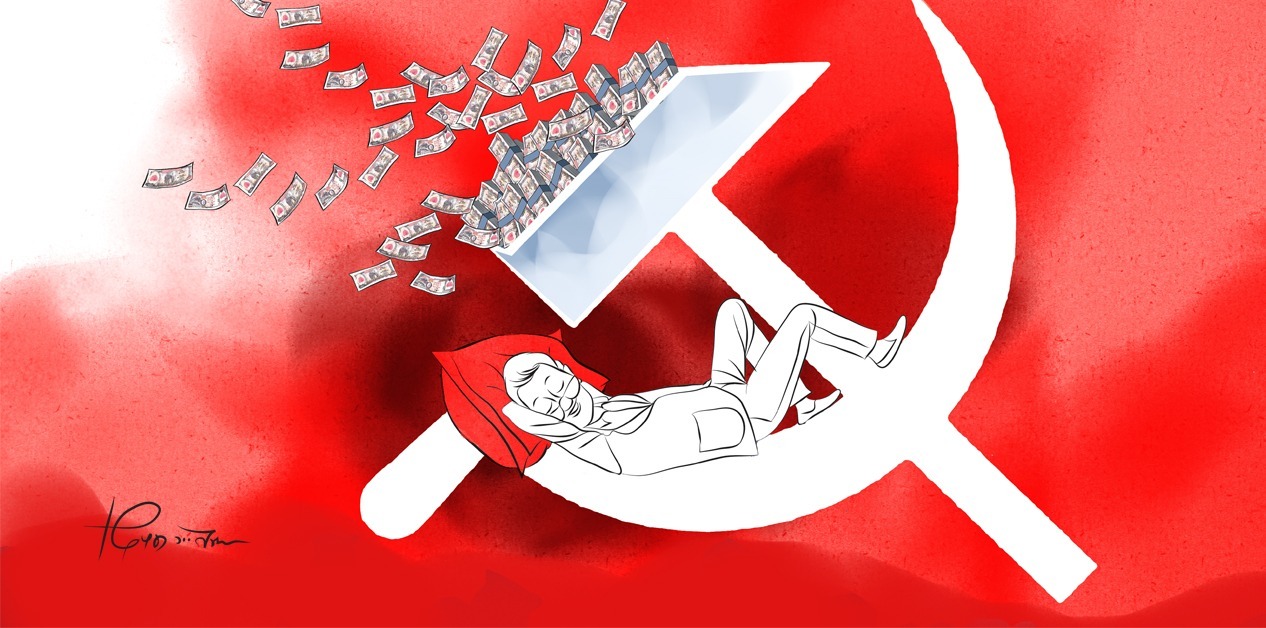
KATHMANDU: For three quarters of a century, Nepal’s communist movement has occupied a strange and contradictory space in the country’s politics. It has produced more prime ministers than any comparable political stream since the republic was declared in 2008. It has held the machinery of the state, at the centre, in the provinces and local levels, for a large share of the years since the peace accord ended the Maoist insurgency in 2006. And yet, by nearly every measure that matters to the people it claims to speak for, landless settlers, Dalits, Madhesis, indigenous communities, debt-trapped farmers and the urban poor, its record of delivery is thin enough that its own rank and file now struggle to defend it.
The March 2026 election result made that reckoning public and unavoidable. UML fell to its worst-ever result. The newly unified Nepali Communist Party, itself an emergency merger stitched together after the September 2025 uprising, could not do much better. Together, the two principal inheritors of the 1949 project that Pushpalal Shrestha and his four comrades launched from exile in Calcutta now hold barely forty seats in a 275-member parliament, a collapse from the 174 they commanded jointly less than a decade earlier. This is not simply an electoral setback. It is the visible surface of a much deeper failure, one worth examining honestly rather than explaining away.
The chances they had, and what they did with them
It would be inaccurate to say Nepal’s communists never had the opportunity to govern. Man Mohan Adhikari became the first democratically elected communist prime minister anywhere in the world in 1994, at a moment when Nepal’s multiparty system was still young and full of possibility. Since then, Madhav Kumar Nepal, Jhala Nath Khanal, Baburam Bhattarai and Prachanda, who has led three separate governments, along with KP Oli’s four terms as prime minister, have between them controlled Singha Durbar for a substantial portion of the years since the monarchy fell.
After the 2017 elections, the alliance between UML and the then Maoist Centre won close to a two-thirds majority, the strongest single mandate any political force had received in the federal era, and the two parties promptly merged into what was billed as a permanent unification of Nepali communism.
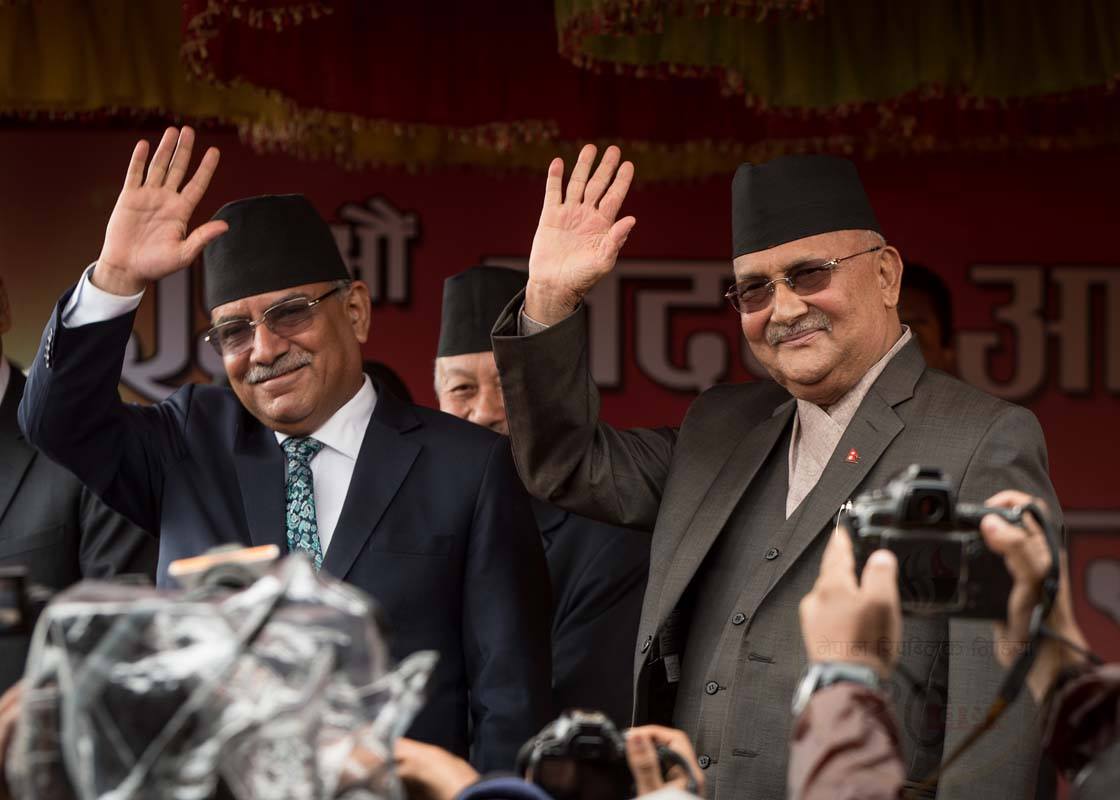
At the unification program of the Communist Party of Nepal (Unified Marxist–Leninist) and the Communist Party of Nepal (Maoist Centre), Khadga Prasad Sharma Oli and Pushpa Kamal Dahal ‘Prachanda’ on May 17, 2018. File photo
What followed that 2018 merger is instructive precisely because it was the best-case scenario the movement could have hoped for. A single party, commanding an overwhelming majority, with two of the most experienced leaders in Nepali politics as joint chairmen, facing no meaningful parliamentary opposition capable of blocking legislation. If there was ever a moment to deliver the land reform, the resettlement of landless communities, the regulation of predatory rural lending, the constitutional deepening of federalism that Madhesi and indigenous groups had been promised during the insurgency years, this was it.
Instead, within three years the government had collapsed into a bitter power struggle between Oli and Prachanda over who would hold the premiership and for how long, Oli twice attempted to unconstitutionally dissolve parliament to avoid ceding power, and the Supreme Court ultimately invalidated the merger itself, ordering the party split back into its constituent parts. The single clearest opportunity the movement has had since 1949 to prove it could govern differently from the parties it accused of elite capture ended not in policy failure alone, but in a naked contest for personal control of the state.
Where the downtrodden were left waiting
The gap between promise and delivery is sharpest exactly where the movement’s founding claims were strongest. The Maoist insurgency that began in 1996 drew its recruits and its moral authority from real grievances, landlessness, caste discrimination, exclusion of Madhesi and indigenous communities from the machinery of the state, and a rural economy where informal moneylenders could trap entire households in generational debt.
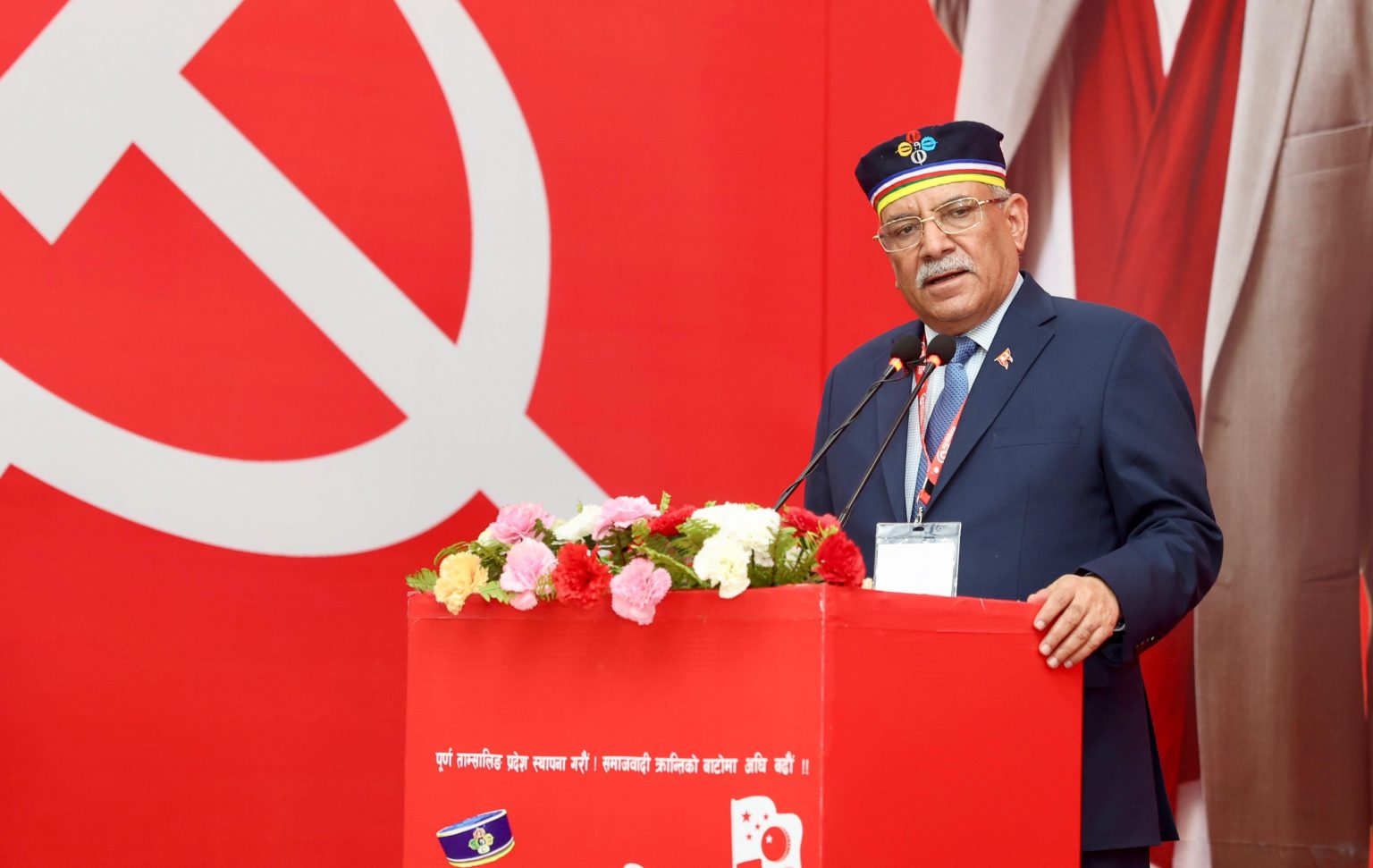
Launched under Pushpa Kamal Dahal ‘Prachanda’ to fight for the rights of marginalized communities, the decade-long Maoist People’s War fundamentally altered Nepal’s political landscape. File photo
Seventeen thousand people died over a decade of war fought substantially in the name of these grievances. Yet two decades after the 2006 peace accord, and after repeated terms in national government by the very parties that made these promises central to their political identity, systematic land redistribution has never been implemented at the scale envisioned. Landless settlements remain in legal limbo, promised resettlement schemes announced and then shelved as governments changed.
Rural credit reform sufficient to break the grip of informal lenders charging exploitative rates has not materialized despite decades of communist-aligned finance ministers. Dalits, whose emancipation the Maoist project foregrounded explicitly, continue to face disproportionate poverty and social exclusion.
Madhesi and Janajati groups, who backed federalism as a route to genuine inclusion, have repeatedly found the country’s top leadership positions, in UML and in the Maoist camp alike, dominated by the same hill-origin elite the movement once claimed to be dismantling.
The men who founded this movement in 1949 did so at real personal risk, operating from exile because open political activity inside Nepal carried the threat of arrest. Their successors now negotiate executive posts in air-conditioned meeting rooms while invoking those founders’ names as cover.
This is the substance behind the accusation, now voiced openly by Nepal’s own Gen Z, that communist leadership in this country talks the language of the oppressed while practising the politics of the establishment. It is not that these leaders never had the legislative majorities or the ministries required to act. It is that when they had them, the energy of government was repeatedly consumed by internal factional combat over who would hold which post, rather than by the administrative grind of building land registries, credit cooperatives or resettlement programs that would have taken years of unglamorous work to show results.
A philosophical hollowing out
Part of what explains this is that the ideological content separating Nepal’s communist factions has grown thinner even as the number of factions has multiplied. UML’s guiding doctrine of “People’s Multiparty Democracy,” crafted by Madan Bhandari to reconcile Marxist economics with electoral competition, and the Maoist camp’s invocation of Prachanda Path, are by now more historical brand identities than live programmatic frameworks guiding policy choice.
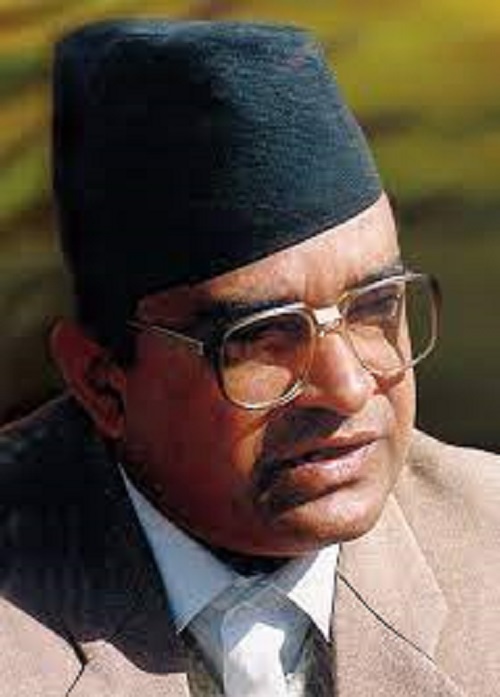
Madan Bhandari. File photo
Split after split across seventy-seven years, from Keshar Jung Rayamajhi’s accommodation with King Mahendra’s 1960 coup, through the Sino-Soviet realignment of the 1960s, through Pushpalal’s own break with Tulsi Lal Amatya in 1968, through the repeated Maoist breakaways after 2006, through the 2018 merger and its 2021 court-ordered dissolution, has traced back overwhelmingly to personal rivalry and contests over leadership succession and cabinet seats rather than genuine disagreement over class analysis, the pace of land reform, or economic strategy. When a movement’s divisions are driven by who gets to be chief minister of Karnali rather than by how quickly landless families should receive title to the soil they farm, the ideology has stopped functioning as a compass and started functioning as a flag of convenience, raised and lowered depending on which alliance is momentarily useful.
July 25 provincial power-sharing pact between Oli and Prachanda, dividing chief minister posts across five provinces just a day after the two parties jointly commemorated Pushpalal’s death anniversary with speeches about communist unity, is not an aberration from this pattern. It is the pattern, compressed into forty-eight hours.
The men who founded this movement in 1949 did so at real personal risk, operating from exile because open political activity inside Nepal carried the threat of arrest. Their successors now negotiate executive posts in air-conditioned meeting rooms while invoking those founders’ names as cover.
Two examples worth taking seriously
It would be easy to conclude from all this that communism as a political project in South Asia is simply exhausted, incapable of governing well anywhere. That conclusion does not survive contact with the evidence, and two real examples, illustrate why the failure in Nepal is a failure of practice rather than of ideology as such.
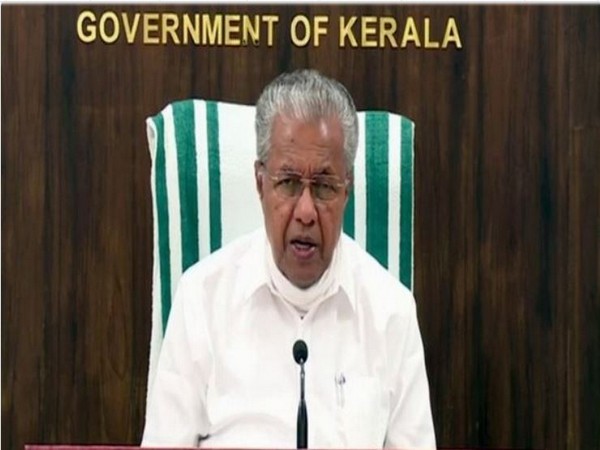
Under Pinarayi Vijayan (who served as Chief Minister of Kerala from 2016 to 2026), the Communist Party of India (Marxist)-led government implemented several landmark programs that significantly transformed the lives of Kerala’s poor, landless, and marginalized communities. File photo
The first is Kerala. The Communist Party of India (Marxist) governed India’s southernmost state for roughly half the time since the country’s first-ever elected communist government assumed power there in 1957, utilizing its time in office differently than its Nepali counterparts. Within weeks of taking charge, that initial administration enacted land reform and an education bill. Although these measures provoked fierce resistance from religious and landowning interests—culminating in the government’s dismissal by the central government in 1959—the reforms could not be completely undone and went on to lay the foundation for what development economists later termed the “Kerala model.” The left has since been swept from power in Kerala, the southern state that made history as the world’s first to democratically elect a communist government and served as the final Indian state where communists remained in power.
Decades of sustained investment in public education and healthcare, land redistribution that broke the old landlord-tenant structure, and the 1998 launch of Kudumbashree, a women-led cooperative network that today counts more than four and a half million members engaged in microfinance, collective farming and local governance, have given Kerala a literacy rate above 96 percent and social indicators that rival much wealthier nations.
In 2025 the state’s communist-led government completed a programme identifying and directly assisting over 64,000 households living in extreme deprivation, coordinated through local self-government bodies rather than top-down bureaucracy. None of this happened because Kerala’s communists held uninterrupted power free of opposition. It happened because, across repeated cycles in and out of government, the party treated concrete welfare delivery, not factional arithmetic, as the measure of its own legitimacy.
Scholars who study Vietnamese politics describe this as a deliberate shift toward “performance-based legitimacy,” in which the party asked citizens to judge its right to govern not by revolutionary credentials alone but by tangible improvement in daily life.
The second is Vietnam. The Communist Party of Vietnam faced a genuine existential crisis by the mid-1980s, its centrally planned economy producing food shortages and stagnation so severe that scholars now describe the survival of the party itself as having been at stake. Rather than defend orthodoxy for its own sake, the party’s leadership adopted Doi Moi, a set of market-oriented reforms launched in 1986 that opened agriculture and private enterprise to a degree that would have been unthinkable a decade earlier.
The results were significant: poverty fell from roughly half the population in the early 1990s to under thirty percent by 2005, and gross domestic product per capita has grown from roughly four hundred dollars in 1986 to nearly ten times that figure today.
Scholars who study Vietnamese politics describe this as a deliberate shift toward “performance-based legitimacy,” in which the party asked citizens to judge its right to govern not by revolutionary credentials alone but by tangible improvement in daily life. Vietnam’s one-party system carries its own serious problems, including corruption and continued restrictions on political freedom, and it is not offered here as a model to be copied wholesale.
But, the underlying lesson is transferable: a communist movement that treats its own economic and welfare performance, rather than ideological continuity or factional control, as the true test of its legitimacy can rebuild public trust even after a genuine crisis of confidence.
What a Nepali comeback would actually require
Measured against these two examples, the path back to relevance for Nepal’s communist parties is not mysterious, even if it is politically difficult for leaders who have surrendered class consciousness to factional bargaining and comprador interests. It would require, first, a resolute return to serving the poor, landless, Dalits, and downtrodden—the very working-class foundation upon which the movement was built.
To do this, party leaders must end the cynical cycle of tactical mergers and splits deployed merely whenever an election or a cabinet formation makes them convenient. Every merger since 1949 that was touted as historic and permanent—from the 1991 formation of the CPN-UML to the 2018 unification into a single Communist Party of Nepal—has instead functioned as a temporary alliance of bourgeois convenience, discarded the moment personal ambitions collided. A movement that abandons its class principles cannot ask voters to trust a unity it treats as disposable.
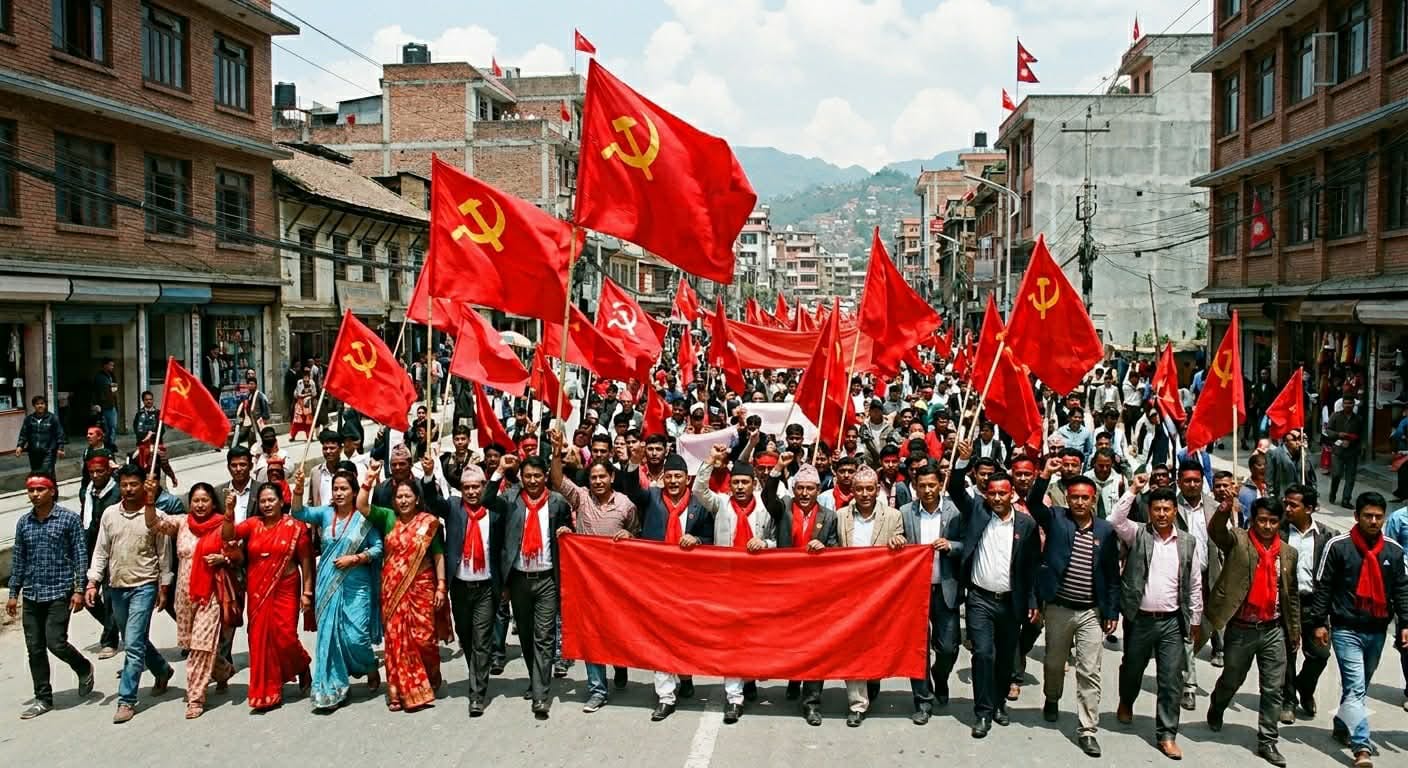
The Communist movement in Nepal faces an uncertain path ahead. Photo: Gemini AI generated
Second, it demands rooted, unglamorous policy delivery that serves the marginalized rather than crony capitalists. As Kerala’s example demonstrates, even within competitive politics, a true left movement must deliver functioning land registries and complete land redistribution for landless communities rather than empty proclamations. It requires regulated rural credit institutions that actively crush exploitative moneylenders, along with genuine, decision-making power for Dalits, Madhesis, and indigenous groups at the highest levels of party leadership, purging the elitist tokenism that currently dominates campaign rhetoric.
Nepal’s federal structure—itself a hard-won product of the peace process and popular resistance—gives provincial and local governments real administrative tools to execute this exact working-class agenda, just as Kerala’s communists used local governance across decades to build a resilient welfare architecture.
Third, and perhaps hardest, Nepal’s communist leadership must break free from comprador elements and accept that legitimacy among a young, urbanized, and digitally connected electorate can no longer rest on historical nostalgia—whether the anti-Rana struggle, the sacrifices of the insurgency, or annual tributes to founding fathers.
The Gen Z movement that toppled KP Sharma Oli’s government in September 2025 and delivered a landslide to a four-year-old party in the March 2026 election held no nostalgia for revolutionary slogans. It judged the political class, including co-opted communists, strictly on tangible results. Vietnam’s Communist Party understood by the late 1980s that its survival depended on meeting such material expectations rather than deflecting them through rhetoric.
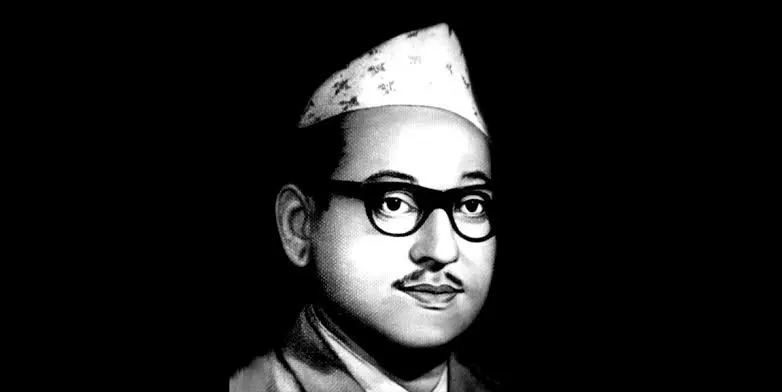
Pushpa Lal Shrestha served as the founding General Secretary of the Communist Party of Nepal. File photo
Seventy-seven years after five young exiles in Calcutta set out to eradicate feudalism, imperialism, and foreign domination in Nepal, their ideological heirs govern more often than they organize the masses, negotiate provincial power-sharing to enrich compradors rather than deliver land titles to the landless, and fracture far more often than they unite for any purpose beyond allocating ministries.
The examples of Kerala and Vietnam do not prove that communism succeeds everywhere. They prove something far more urgent for Nepal’s left: where the movement has endured, it has done so by remaining anchored to class consciousness, championing the downtrodden, and letting its concrete performance—not historical myths or self-serving alliances—be the measure of its legitimacy. The March 2026 election was the clearest answer yet on what voters think of a movement that forgot its class.